

That chin hair you notice in the car mirror or upper-lip shadow that returns days after waxing can make your routine feel far more high-maintenance than it should. The best ways to reduce facial hair depend on how quickly you want results, how long you want them to last, your skin sensitivity, and whether you are ready to move beyond repeat appointments.
Some methods remove hair only at the surface. Others target the follicle to help slow regrowth over time. Knowing the difference makes it easier to spend your beauty budget on a routine that actually fits your life.
1. Shave for a fast, no-fuss reset
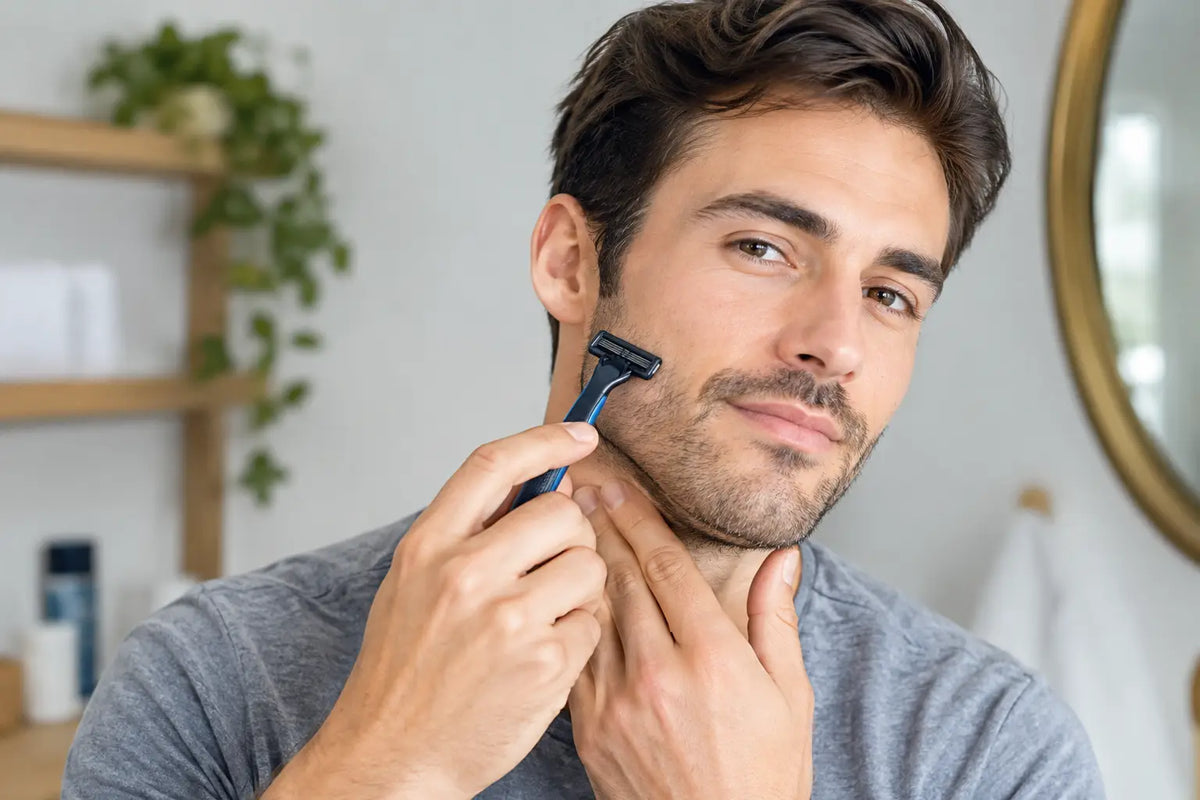
Facial shaving is one of the quickest ways to remove visible hair. A clean facial razor can smooth peach fuzz, sideburns, upper-lip hair, and chin hair in minutes. It is inexpensive, painless when done carefully, and easy to do at home.
The trade-off is that shaving only cuts hair at the skin's surface, so regrowth can show up quickly. It also does not make hair grow back darker or thicker, despite the common myth. The blunt tip can simply feel more noticeable as it grows in.
Use a fresh blade, gentle pressure, and a clean, dry or lightly prepped face based on your razor's directions. Finish with a simple, fragrance-free moisturizer. If you are prone to ingrown hairs, skip aggressive exfoliation immediately afterward.
2. Try dermaplaning for fine facial fuzz
Dermaplaning uses a small blade to remove very fine hair and surface buildup. Many people love it before makeup because foundation can sit more smoothly on freshly exfoliated skin. It is especially useful when your goal is a polished, makeup-ready look rather than long-term hair reduction.
Because it also exfoliates, it is not the best choice for irritated skin, active breakouts, eczema flare-ups, or rosacea-prone areas. Give your skin a break from strong acids, retinoids, and scrubs around your treatment day. Like shaving, dermaplaning requires upkeep because it does not affect the follicle.
3. Thread or wax for longer-lasting smoothness
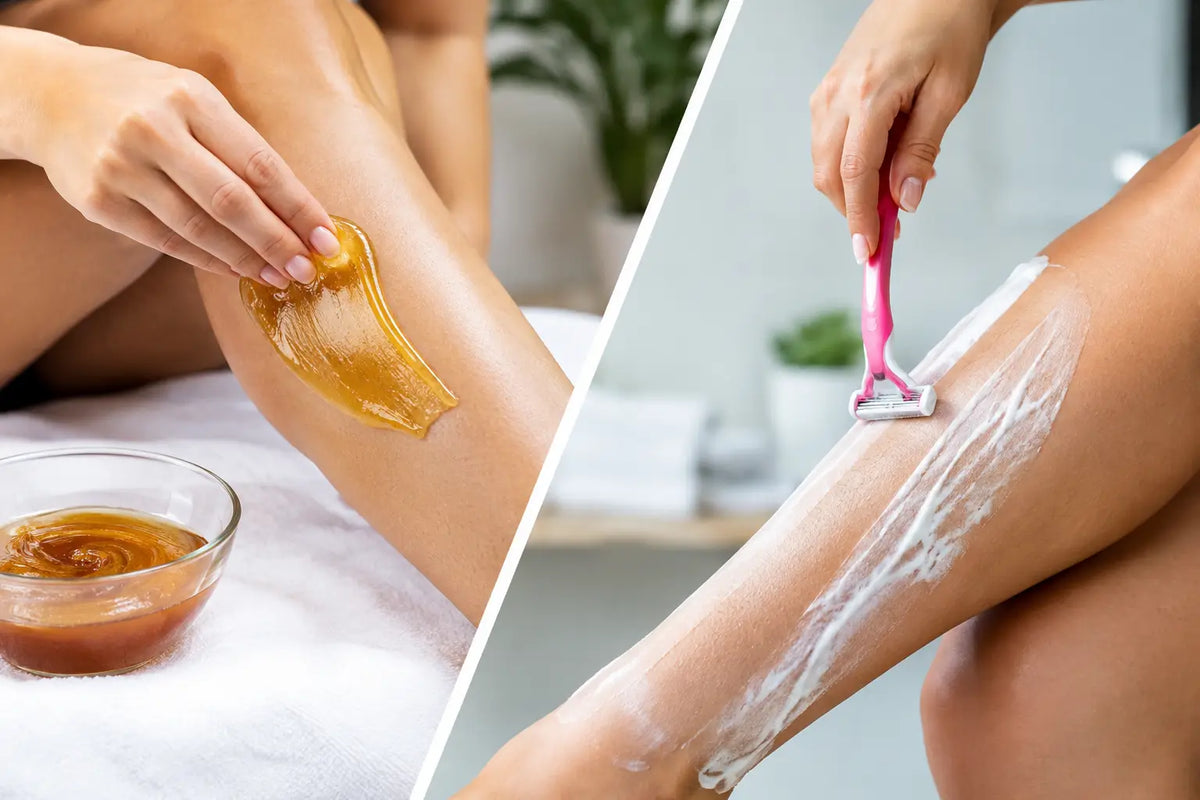
Threading and waxing pull hair out from the root, which can leave skin smooth for several weeks. Threading gives precise control around brows and the upper lip. Waxing can be faster for larger areas, such as the cheeks, chin, or sideburns.
The downside is discomfort, redness, and the possibility of irritation or ingrown hairs. Facial skin is delicate, so technique matters. Avoid waxing if you use prescription retinoids or have recently used strong exfoliating products, since these can make skin more vulnerable to lifting and irritation.
These options can work well for occasional shaping, but they may feel costly and repetitive if facial hair is a frequent concern. When every appointment starts to feel like another item on your calendar, a longer-term option may make more sense.
4. Use a facial depilatory with care
Depilatory creams dissolve hair just below the skin's surface. They can last a little longer than shaving and are convenient for people who dislike blades. However, the ingredients can be too intense for some facial skin.
Always choose a formula specifically labeled for the face, never leave it on longer than directed, and patch test before your first use. A patch test is not optional when you are working near your mouth, chin, or cheeks. If your skin stings, burns, or becomes very red, rinse it off right away and do not use it again.
5. Consider bleaching when removal is not the goal
Bleaching does not remove facial hair, but it can make fine, light facial hair less noticeable. For people with soft upper-lip fuzz or cheek hair, that may be enough. It can be a useful short-term cosmetic choice when the hair is not coarse and you do not want to shave or wax.
Still, bleach can irritate sensitive skin and will not give you the smooth-skin feel of actual hair removal. It also may not blend naturally with every skin tone or hair color. Think of it as camouflage, not reduction.
6. Choose at-home IPL for ongoing hair reduction
At-home IPL is designed for people who are tired of shaving, waxing, or threading on repeat. IPL, or intense pulsed light, sends light energy toward pigment in the hair. With consistent treatments, it can help reduce visible regrowth and make hair appear finer over time.
This is where patience pays off. IPL is not a one-night fix, because hair grows in cycles and treatments work best when they are repeated on schedule. The reward is a lower-maintenance routine that can save time and reduce the constant need for surface-level removal.
A device such as the NOHA Device brings salon-inspired IPL technology into your own routine, so you can treat eligible areas without booking recurring appointments. For facial use, follow the device instructions closely and avoid the eye area. IPL is generally most effective when there is a clear contrast between hair pigment and skin tone, so it may not be suitable for very light blond, gray, red, or white hair. Check the full compatibility guidance before starting.
For the best experience, shave the treatment area first, use the recommended setting, and stay consistent with your schedule. Keep treated skin protected from sun exposure, and do not use IPL over tattoos, very dark spots, or irritated skin.
7. Look into professional laser hair removal
Professional laser hair removal also targets the follicle and can be a strong choice for coarse facial hair, especially when you want expert assessment and a clinic-based treatment plan. A qualified provider can select equipment and settings based on your skin tone, hair color, and treatment area.
The trade-off is cost and convenience. Multiple visits are usually needed, and maintenance may still be necessary. For some people, the professional route is worth it. For others, at-home IPL offers a more flexible and budget-friendly way to pursue gradual reduction between a busy work schedule, family plans, and everything else.
8. Ask about electrolysis for permanent follicle removal
Electrolysis treats individual follicles with a tiny probe and is the only hair-removal method recognized by the FDA as permanent hair removal. It can work on hair colors that light-based methods may not target well, including gray, blond, and red hair.
Because each hair is treated individually, electrolysis can be time-consuming. It is often most practical for small, stubborn areas, such as a few chin hairs or hairs around the lip. If you have a larger area to address, the appointment time and cost can add up.
When facial hair may need a medical conversation
Facial hair is normal, and plenty of women simply prefer to remove it for personal comfort or confidence. But sudden, significant changes in facial hair growth can sometimes be connected to hormonal shifts, certain medications, or conditions such as polycystic ovary syndrome.
If new coarse growth appears quickly, or you also notice irregular periods, acne, scalp hair thinning, or unexplained weight changes, talk with a healthcare professional. Treating the hair can help you feel better day to day, but understanding a possible underlying cause matters too.
How to choose the right facial-hair routine
Start with the result you want. If you need smooth skin before an event tomorrow, shaving or dermaplaning is practical. If you want several weeks between touch-ups, threading or waxing may be worth the temporary discomfort. If you want to spend less time managing regrowth over the months ahead, IPL or professional laser treatment can be a smarter investment.
Your skin also gets a vote. Sensitive, acne-prone, or retinoid-treated skin may need a gentler approach and more recovery time. Do not stack treatments just because you are frustrated with regrowth. Waxing after exfoliation, or using strong actives right after dermaplaning, can turn a beauty routine into unnecessary irritation.
Smooth skin should feel like freedom, not another exhausting appointment. Choose the method that respects your skin, your schedule, and the level of maintenance you are genuinely willing to keep up with.


Leave a comment
This site is protected by hCaptcha and the hCaptcha Privacy Policy and Terms of Service apply.