

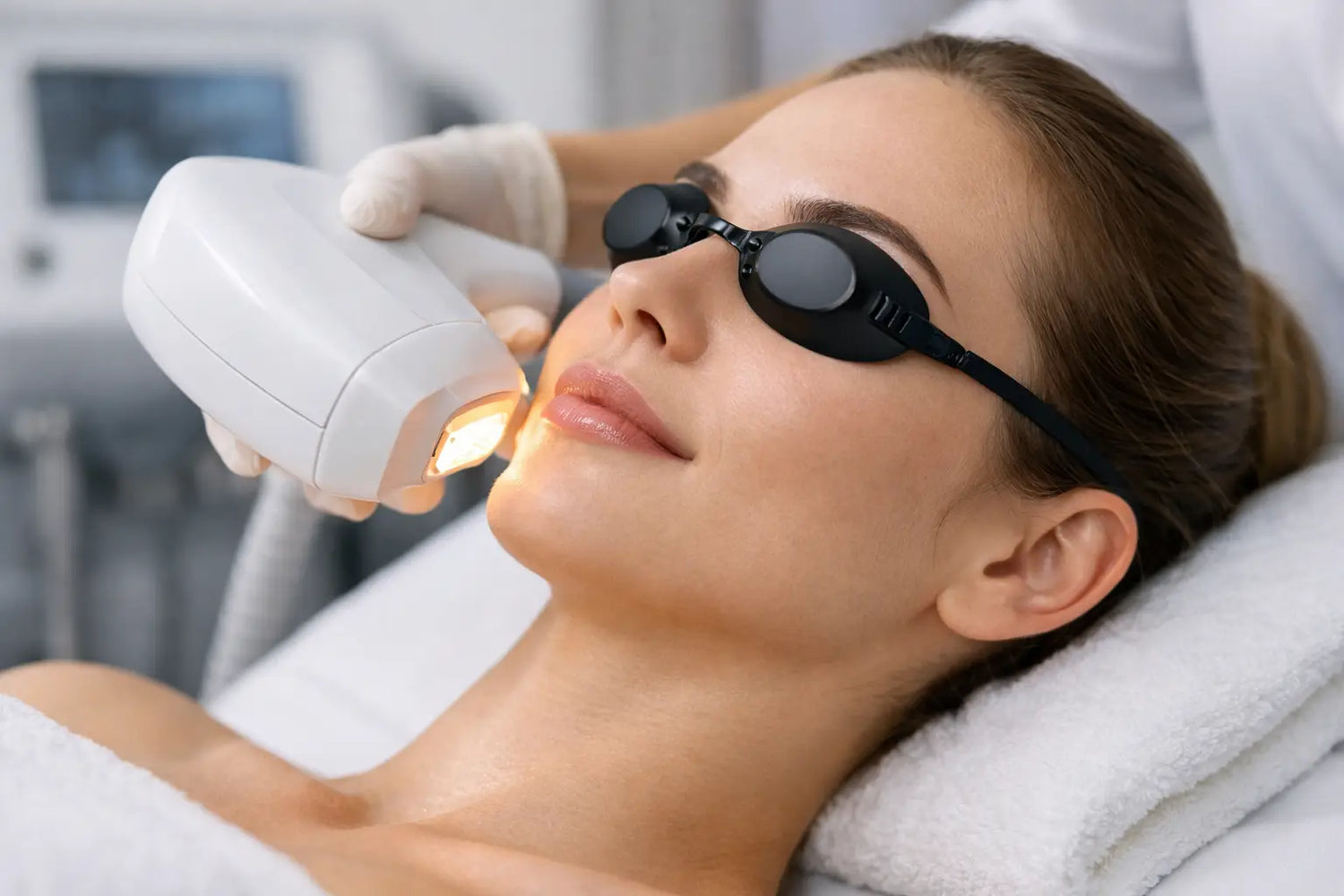
Upper lip shadow, chin hairs, sideburn fuzz - facial hair has a way of showing up exactly where you do not want it. So it makes sense to ask: can you use IPL on face if you want smoother skin without constant tweezing, waxing, or threading?
The short answer is yes, in some areas. But facial IPL is not a free-for-all. Your face is more sensitive than your legs or underarms, and some zones should never be treated. If you want good results without irritation, the real question is not just can you use IPL on face, but where, when, and whether your skin and hair are a good match for it.
Can You Use IPL on Face Safely?
Yes, IPL can be used on the face when the device is designed for facial use and you follow the treatment guidelines carefully. For most people, that means targeting unwanted hair on areas like the upper lip, chin, jawline, and sideburn area.
What makes facial treatment different is precision. The skin is thinner, the contour of the face is trickier, and there is much less room for error. You are also working close to the eyes, which is the biggest reason caution matters.
At-home IPL works by sending light into the hair follicle. That light is absorbed by pigment in the hair, helping reduce regrowth over time. The goal is long-term hair reduction, not a one-time instant fix. If you are expecting perfectly smooth skin after one session, you will probably be disappointed. If you are looking for a smarter alternative to shaving or waxing every few days, IPL makes a lot more sense.
Where You Can Use IPL on Face
In general, the safest facial areas for IPL are below the cheekbones. This usually includes the upper lip, chin, jawline, and sideburns. These are common areas where darker, coarser facial hair shows up and where IPL tends to be most useful.
These spots also tend to respond better because the hair is often more pigmented than peach fuzz. IPL needs contrast. Darker hair absorbs light more effectively, which is why the device can target the follicle more efficiently.
If your goal is to cut down on daily maintenance, these are the areas where facial IPL can feel like a real upgrade. Less tweezing. Less razor burn. Less last-minute panic in bright bathroom lighting.
Areas to avoid
This part matters most. IPL should not be used directly around the eyes, on the eyelids, or on the brows. You should also avoid the inside of the nose, ears, lips, and any area with tattoos or very dark spots that could absorb too much light.
Many devices also recommend avoiding the cheeks and forehead unless specifically cleared in the instructions. That is because much of the hair there is finer and lighter, and the risk-to-reward ratio is not always worth it.
If you are unsure whether a facial zone is safe, the smartest move is simple: do not guess.
Who Gets the Best Results?
IPL is not equally effective for everyone. It usually works best when there is a visible contrast between skin tone and hair color - typically darker hair on light to medium skin tones. That is because the device targets melanin in the hair.
Very blonde, gray, white, or red hair often does not respond well because there is not enough pigment for the light to target. On the other side, very deep skin tones may need extra caution or may not be suitable for some IPL devices at all, depending on the built-in safety range.
This is where people get frustrated. They assume IPL does not work, when the real issue is that their hair color, skin tone, or device compatibility was never right to begin with. A good result starts with being a good candidate.
If you have hormonal facial hair growth, especially around the chin or jawline, IPL may still help reduce regrowth, but consistency matters. Hormonal hair can be stubborn, and touch-ups may be part of the long game.
Can You Use IPL on Face if You Have Sensitive Skin?
Possibly, yes - but you need to be more careful with settings, prep, and timing. Sensitive skin does not automatically rule out IPL. It just means you should start lower, patch test first, and pay attention to how your skin reacts.
A mild warm sensation or temporary redness can be normal after treatment. Burning, blistering, or lingering irritation is not. If your skin is already compromised from exfoliants, retinoids, sun exposure, or breakouts, that is not the time to treat.
The face also deals with more daily exposure than the body. Heat, sweat, makeup, active skincare, and sunlight all stack up fast. If you are using acids or prescription acne products, it is worth being extra conservative.
How to Use IPL on the Face the Right Way
Facial IPL is simple when you keep it simple. Start with clean, dry skin. Shave the area first if the instructions tell you to. Do not wax or tweeze beforehand, because the follicle needs to be present for the light to target it.
Then do a patch test on a small area and wait to see how your skin responds. If everything looks calm, use the appropriate intensity level for your skin tone and treatment area. Move methodically and avoid flashing the same spot too many times.
After treatment, keep skincare gentle. Skip anything harsh for a bit, wear sunscreen, and avoid treating over irritated or broken skin. This is one of those beauty steps where doing less usually works better.
What not to do
Do not use IPL on freshly tanned skin. Do not treat over active cold sores, open cuts, or inflamed acne. And do not assume facial hair should be treated on the same schedule or intensity as body hair.
More is not better here. Overdoing it will not speed up your results, but it can make your skin very unhappy.
How Long Does It Take to See Results?
Most people need a series of treatments to notice a real difference. Facial hair grows in cycles, and IPL only works on hair in the active growth phase. That is why one session is never the whole story.
With regular use, you may start to see slower regrowth and thinner hair over several weeks. Some hairs may shed after treatment, while others keep growing until they hit the right stage to respond. Patience is part of the deal.
The payoff is convenience. Instead of planning your life around waxing appointments or constant touch-ups, you are building toward lower-maintenance skin. That is the real appeal of at-home IPL - smoother skin with less effort over time.
Is At-Home IPL Worth It for Facial Hair?
For the right person, absolutely. If facial hair is something you manage often, at-home IPL can save time, reduce recurring costs, and make your routine feel a lot easier. It is especially appealing if you are tired of the cycle of shave, regrow, repeat.
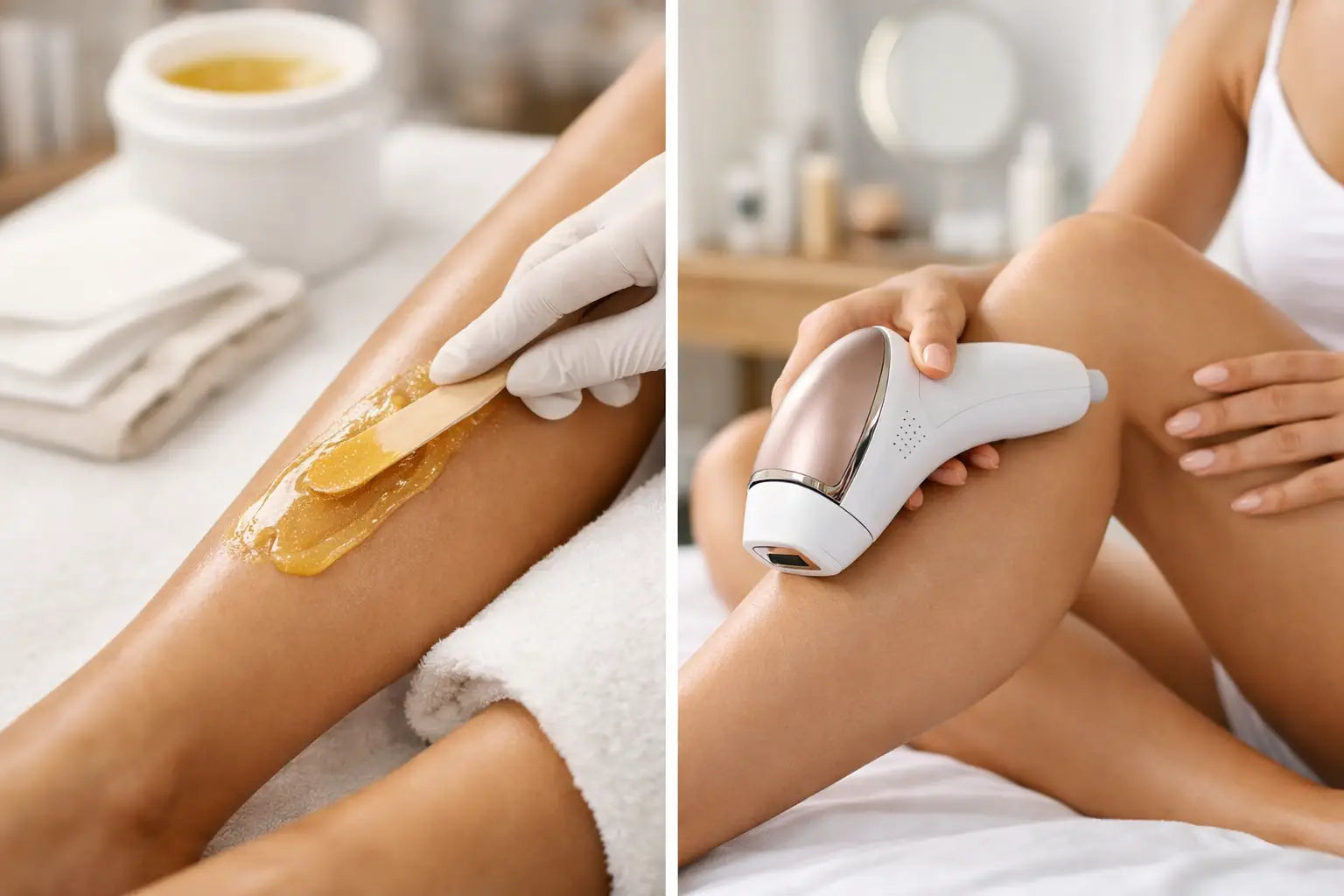
What makes it worth it is not just the treatment itself. It is the freedom that comes with fewer interruptions. No rushed dermaplaning before brunch. No emergency tweezer sessions in the car mirror. No regular waxing bill adding up month after month.
That is also why devices like the NOHA Device are appealing to beauty shoppers who want professional-style results without clinic pricing. The technology feels more accessible, and the routine fits real life.
Still, IPL is not magic. If you want instant hair removal in one use, it is the wrong tool. If you want gradual reduction and a lower-maintenance routine, it can be a very smart one.
When You Should Skip Facial IPL
There are times when holding off is the better move. If you are pregnant, taking photosensitizing medication, dealing with a skin condition, or unsure how your skin reacts to light-based treatments, check with a medical professional first.
You should also pause if you have an active tan, recent sunburn, or facial skin that is already stressed out. Smooth skin is the goal, but healthy skin comes first.
A good beauty device should make your routine easier, not create a bigger problem to fix later.
Facial hair can feel personal, frustrating, and expensive to keep up with. But if you are a good candidate and you treat the right areas carefully, IPL can be a powerful at-home option. The best results usually come from staying consistent, respecting the limits of facial treatment, and giving your skin the kind of care that keeps smooth looking as good as it feels.

Leave a comment
This site is protected by hCaptcha and the hCaptcha Privacy Policy and Terms of Service apply.