


Those dots and patches on your underarms, bikini line, inner thighs, knees, elbows, or back can make you think twice before wearing what you want. This dark spot body bar guide helps you choose a smarter cleansing routine that supports smoother, more even-looking skin without turning your shower into a complicated skincare project.
Dark spots on the body rarely have one simple cause. Friction, shaving bumps, ingrown hairs, breakouts, sun exposure, and irritation can all leave behind visible discoloration. A well-chosen body bar can be a helpful first step, but the real goal is to treat skin gently enough that you are not creating new irritation while waiting for existing marks to fade.
What a Dark Spot Body Bar Can Really Do
A dark spot body bar is a cleansing bar made to address the look of uneven tone, blemish marks, rough texture, or dullness on the body. Unlike a standard soap that simply cleanses, these bars often include ingredients that exfoliate, brighten, or help calm the skin.
The key word is help. A body bar is washed off, so it does not stay on skin as long as a lotion or treatment serum. That does not make it useless. It means results usually come from consistency, gentle use, and pairing your bar with habits that prevent new dark spots from forming.
For fresh-looking skin after shaving, reducing irritation may matter just as much as brightening ingredients. If your routine keeps causing razor bumps or ingrown hairs, discoloration can keep returning. That is why smoother hair-removal habits and body care work better together than either approach alone.
Why Dark Spots Show Up on the Body
Many body marks are post-inflammatory hyperpigmentation. In plain language, skin produces extra pigment after it has been irritated or inflamed. A pimple, ingrown hair, rash, scratch, or cut may heal, but the color can remain for weeks or longer.
Friction is another common trigger. Tight clothing, repeated rubbing between the thighs, and aggressive scrubbing can make areas such as the underarms, bikini line, knees, and elbows look darker over time. For some people, hormonal changes, certain medications, or medical conditions can also affect pigmentation.
That is why the strongest body-brightening routine is not the harshest one. Over-scrubbing, strong fragranced products, and trying every exfoliant at once can leave skin dry and inflamed. And inflamed skin is more likely to develop more discoloration.
Ingredients Worth Looking For
The best bar depends on what is behind your dark spots. If you deal with body acne or frequent ingrown hairs, an exfoliating option may make sense. If your skin is dry or easily reactive, a gentler bar with soothing ingredients is often the better choice.
Look for these ingredient types when they fit your skin:
- Salicylic acid can help clear clogged pores and support smoother-looking skin where body acne, razor bumps, or ingrown hairs are an issue.
- Lactic acid or glycolic acid can gently exfoliate surface buildup and improve the appearance of rough, uneven texture.
- Kojic acid, licorice root, or niacinamide are commonly used to support a brighter, more even-looking tone.
- Moisturizing ingredients such as glycerin, shea butter, or gentle oils can reduce the dry, tight feeling that makes people overcompensate with more scrubbing.
How to Use a Dark Spot Body Bar Without Overdoing It
Your shower routine should feel simple. Wet the skin, create a light lather with the bar, and apply it using your hands or a soft washcloth. Let the lather sit briefly if the product directions allow, then rinse thoroughly. Scrubbing hard does not make dark spots fade faster. It can make them look worse.
Start with once-daily use for a mild, moisturizing bar. For a bar with exfoliating acids, use it a few times a week and watch how your skin responds. If you notice stinging, peeling, persistent dryness, or a burning sensation, stop using it and switch to a gentle fragrance-free cleanser until your skin settles.
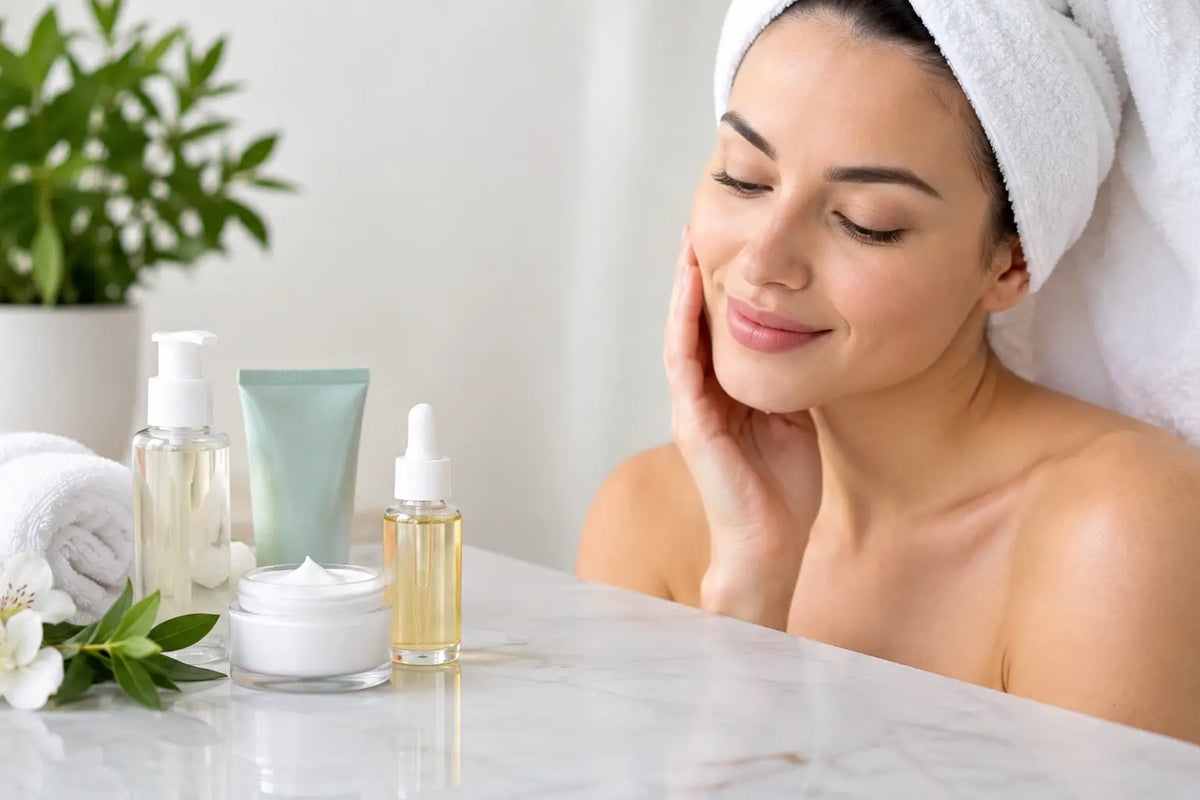
After showering, pat skin dry instead of rubbing it with a towel. Apply a body moisturizer while skin is still slightly damp. This small step helps support the skin barrier, which matters when you are using ingredients designed to exfoliate or brighten.
Be Extra Careful With Sensitive Areas
Underarms and the bikini line are not the same as your arms or legs. They experience more friction and can be more reactive after shaving or waxing. Avoid applying a strong active bar directly to broken skin, fresh razor cuts, active rashes, or irritated bumps.
If you remove hair at home, give sensitive skin time to calm down before using exfoliating products. After an IPL session, follow your device instructions and keep your routine gentle. Using acids or abrasive scrubs on already-sensitive skin can cause discomfort and may work against the smooth-skin results you want.
Pair Your Bar With Habits That Prevent New Marks
A body bar has more impact when you stop feeding the cycle of irritation. For areas exposed to the sun, use broad-spectrum sunscreen when they are uncovered. Sun exposure can deepen existing discoloration and make fading take longer, even on the body.
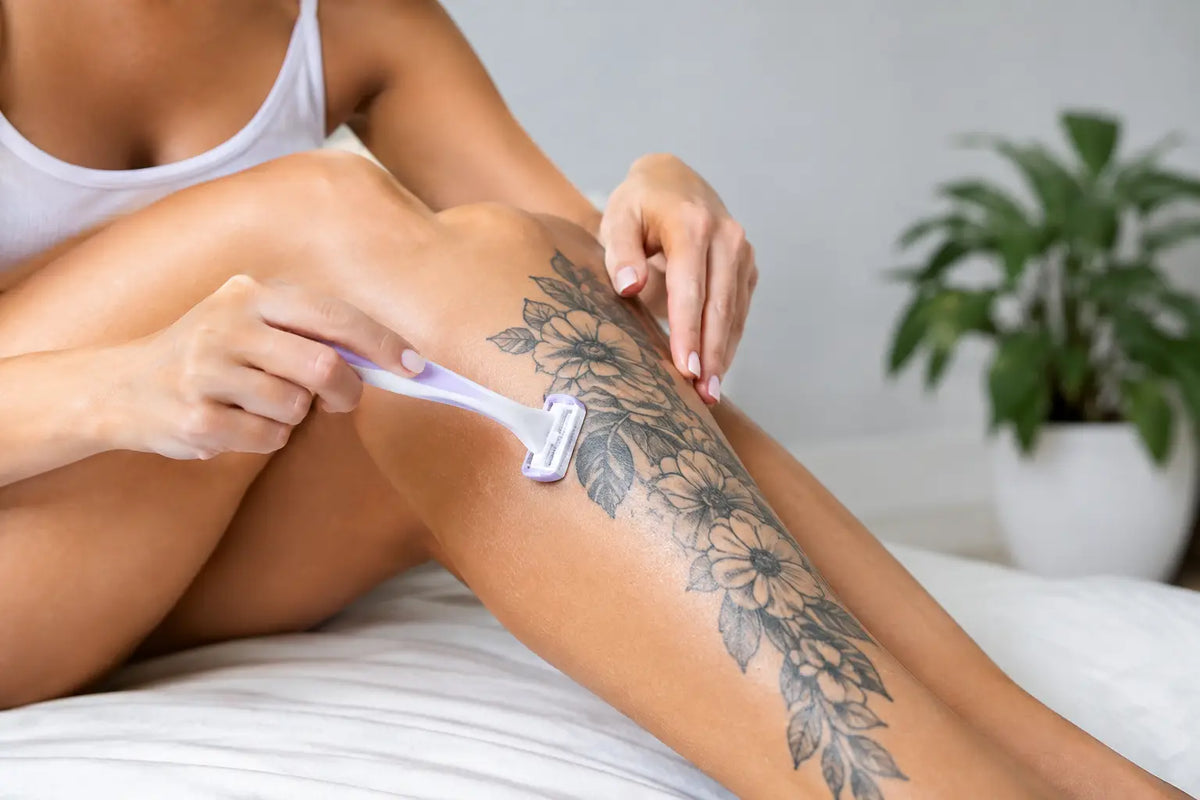
For shaving-prone areas, use a clean sharp razor, enough slip from a gentle shave product, and light pressure. Going over the same area again and again is a fast route to irritation. If shaving and waxing keep leaving behind bumps and shadows, an at-home hair-removal routine designed for long-term reduction may mean less repeated trauma for your skin.
Also pay attention to clothing. Breathable fabrics and a comfortable fit can make a noticeable difference when inner thighs, underarms, or the bikini line are dealing with friction. It sounds basic, but skin often responds best when you remove the everyday triggers.
What Results Should You Expect?
Body care is not an overnight fix. With regular use, you may first notice softer texture, fewer clogged pores, and a cleaner, smoother appearance. Changes in the look of dark spots often take several weeks, and deeper or older marks can take longer.
Your natural skin tone, the cause of the discoloration, your consistency, and your overall routine all affect the timeline. A bar can support gradual improvement, but it cannot replace medical care for every type of pigmentation. If a spot changes shape or color, bleeds, itches intensely, appears suddenly, or does not behave like your usual dark marks, get it checked by a dermatologist.
For persistent discoloration, a dermatologist can identify the cause and recommend treatments that are better suited to your skin. This is especially useful if darkness around the neck, underarms, or other areas appears without an obvious trigger.
Build a Routine You Can Stick With
The best dark spot routine is the one you will actually repeat. Choose one body bar that matches your skin needs, moisturize after every shower, protect exposed areas from the sun, and avoid picking at bumps or ingrown hairs. Give the routine enough time before switching products.
NOHA's topical bar collection is designed for shoppers who want a simple, at-home step toward clearer, smoother-looking skin without adding a cabinet full of products. Still, simple should never mean aggressive. Listen to your skin and adjust frequency when it feels dry or sensitive.
A body bar can be the start of a more confident skin routine, especially when you treat every shower as care rather than correction. Stay consistent, keep friction and irritation low, and let gradual progress become part of feeling comfortable in your own skin.

Leave a comment
This site is protected by hCaptcha and the hCaptcha Privacy Policy and Terms of Service apply.