

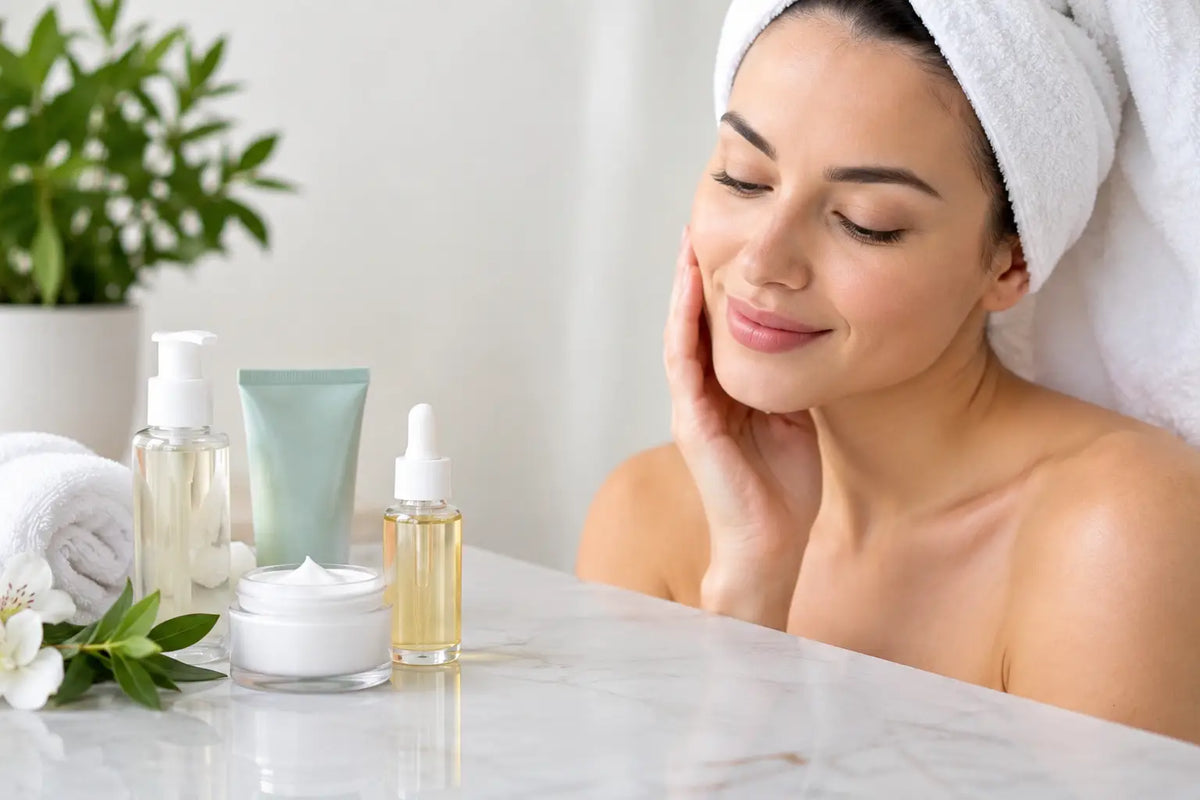
Freshly waxed skin can feel unbelievably smooth for about five minutes - until redness, tiny bumps, or that familiar itchy feeling tries to steal the moment. The best post wax skincare products do more than make skin feel nice. They help calm freshly sensitized skin, reduce friction, and lower the odds of ingrown hairs getting in the way of your smooth-skin plans.
Waxing removes hair from the root, but it can also leave the skin barrier temporarily more reactive. What you put on afterward matters. The goal is not a complicated 10-step routine. It is a simple, gentle lineup that gives your skin room to recover while keeping it soft and clear.
What Skin Needs Right After a Wax
Immediately after waxing, your pores are more exposed and your skin may be warm, flushed, or tender. This is not the time for heavily fragranced body butter, active exfoliants, or a random product that tingles “in a good way.” Tingling after a wax is usually not the beauty glow you are looking for.
The right first products should cool, hydrate, and protect. Look for lightweight formulas with soothing ingredients such as aloe vera, colloidal oatmeal, glycerin, panthenol, allantoin, or centella asiatica. These ingredients support comfort without piling on heavy oils or harsh actives.
For the first 24 hours, less is more. Keep the area clean, avoid rubbing it with rough towels, and wear loose, breathable clothing whenever possible. This is especially helpful after a bikini wax, underarm wax, or facial wax, where heat and friction can quickly make irritation worse.
The Best Post Wax Skincare Products by Category
You do not need every product on the shelf. A few smart categories can cover nearly every post-wax concern.
A Fragrance-Free Soothing Gel
A simple aloe-based or calming gel is one of the best first steps after waxing. Choose a formula made for sensitive skin and skip gels loaded with alcohol, artificial fragrance, or cooling menthol. Those ingredients may feel refreshing at first but can be irritating on newly waxed skin.
Apply a thin layer rather than coating the area in product. A light soothing gel works well on legs, arms, the bikini line, and underarms. For facial waxing, use only products clearly labeled as gentle enough for the face.
A Lightweight Barrier-Supporting Moisturizer
Once immediate redness has settled, a fragrance-free moisturizer helps prevent dryness and that tight, uncomfortable feeling that can show up the next day. Look for humectants like glycerin or hyaluronic acid, plus skin-supporting ingredients such as ceramides or panthenol.
Texture matters here. A rich body cream may be perfect for waxed legs if your skin is dry, but it can be too heavy for acne-prone areas or the bikini line. In those spots, a lightweight lotion or gel-cream is usually the better choice.
A Gentle Ingrown Hair Treatment
Ingrown hairs are often the real post-wax problem, especially on the bikini line, underarms, and legs. The best products for preventing them usually contain a mild chemical exfoliant, such as salicylic acid, glycolic acid, or lactic acid. These ingredients help loosen dead skin cells that can trap new hair as it grows back.
Timing is everything. Do not apply exfoliating acids immediately after waxing. Give your skin at least 24 to 48 hours to calm down first, and wait longer if you still have redness, stinging, or visible irritation. Start slowly, using the product two or three times a week rather than every day.
If you have sensitive skin, lactic acid or a low-strength salicylic acid formula can be a gentler place to start. If you are prone to persistent ingrowns, consistency matters more than choosing the strongest possible product.
Broad-Spectrum Sunscreen for Exposed Skin
Waxed skin is more vulnerable to irritation from sun exposure. If you wax your face, arms, legs, or any area that will be uncovered, sunscreen is not optional. Use a broad-spectrum SPF 30 or higher once the skin is calm and there are no open or irritated spots.
Mineral sunscreens with zinc oxide can be a comfortable option for sensitive skin, though any sunscreen you tolerate well is better than skipping it. Sun protection is particularly important after facial waxing because inflammation and UV exposure can contribute to uneven-looking dark marks.
What to Avoid After Waxing
The products you skip can be just as important as the ones you use. For the first day or two, avoid retinoids, scrubs, strong acids, benzoyl peroxide, fragranced sprays, and highly perfumed lotions on the waxed area. These can sting, trigger bumps, or make redness linger longer.
Also hold off on hot baths, steam rooms, intense workouts, tanning, and tight synthetic clothing for at least 24 hours. Sweat, bacteria, heat, and friction are a rough combination for freshly waxed skin. A quick lukewarm shower is fine, but keep it gentle and avoid scrubbing.
If you had facial waxing, be extra cautious with your normal skincare routine. Retinol, prescription acne treatments, and exfoliating toners can make skin more sensitive before and after waxing. If you use these regularly, plan your wax around them or ask a dermatologist for personalized guidance.
A Simple Post-Wax Routine That Works
Right after your appointment or at-home wax, cleanse only if needed with lukewarm water and a mild, fragrance-free cleanser. Pat the area dry with a clean towel, then apply a thin layer of soothing gel or a gentle moisturizer.
For the next 24 to 48 hours, keep the routine calm: cleanse, moisturize, and use sunscreen on exposed areas. Once your skin looks and feels normal again, introduce your ingrown-hair treatment on a few nights each week. Moisturize afterward if the exfoliant leaves your skin dry.
This routine works because it respects the order your skin needs: soothe first, protect second, exfoliate later. Trying to attack every possible bump on day one is how a minor reaction can turn into days of irritation.
Waxing, Ingrowns, and Long-Term Hair Removal
If you keep dealing with ingrown hairs, dark marks, or the constant scheduling cycle of waxing, it may be worth reconsidering the hair-removal method itself. Waxing can deliver smooth results, but it requires hair to grow out between sessions and may not be ideal for every sensitive-skin routine.
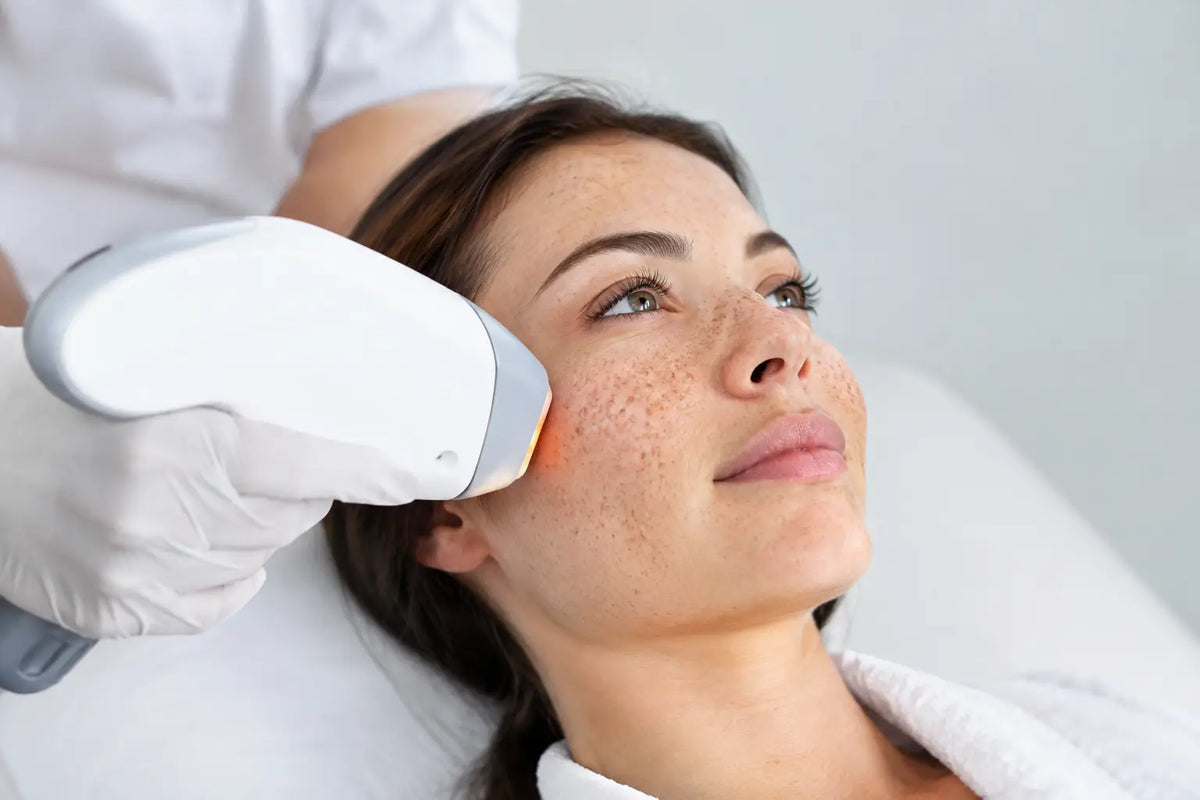
At-home IPL is a different approach for eligible users because treatments are designed around shaving rather than pulling hair from the root. If you are considering an IPL device such as the NOHA Device, do not wax before treatments. IPL targets pigment in the hair root, so shaving is the preferred prep method. Follow the device instructions carefully and use the recommended treatment schedule for your skin tone and hair color.
That does not mean waxing is a bad choice. It can be great for occasional events, brows, or people who love the immediate smooth feeling. But if post-wax irritation has become part of your regular routine, a lower-maintenance hair-removal plan may give your skin a break.
When Bumps Need More Than Skincare
A few small red bumps can be normal after waxing and often settle within a day or two. But painful pustules, spreading redness, swelling, intense itching, or irritation that does not improve may signal folliculitis, an allergic reaction, or another skin concern that needs professional advice.
Do not pick at ingrown hairs or try to dig them out. That can lead to infection and lingering marks. Pause exfoliating products until the area is calm, keep it clean, and speak with a dermatologist if the problem keeps returning.
Smooth skin should feel like a confidence boost, not another appointment on your calendar. Choose gentle products, give your skin a little recovery time, and let consistency - not harsh treatments - do the work.

Leave a comment
This site is protected by hCaptcha and the hCaptcha Privacy Policy and Terms of Service apply.