

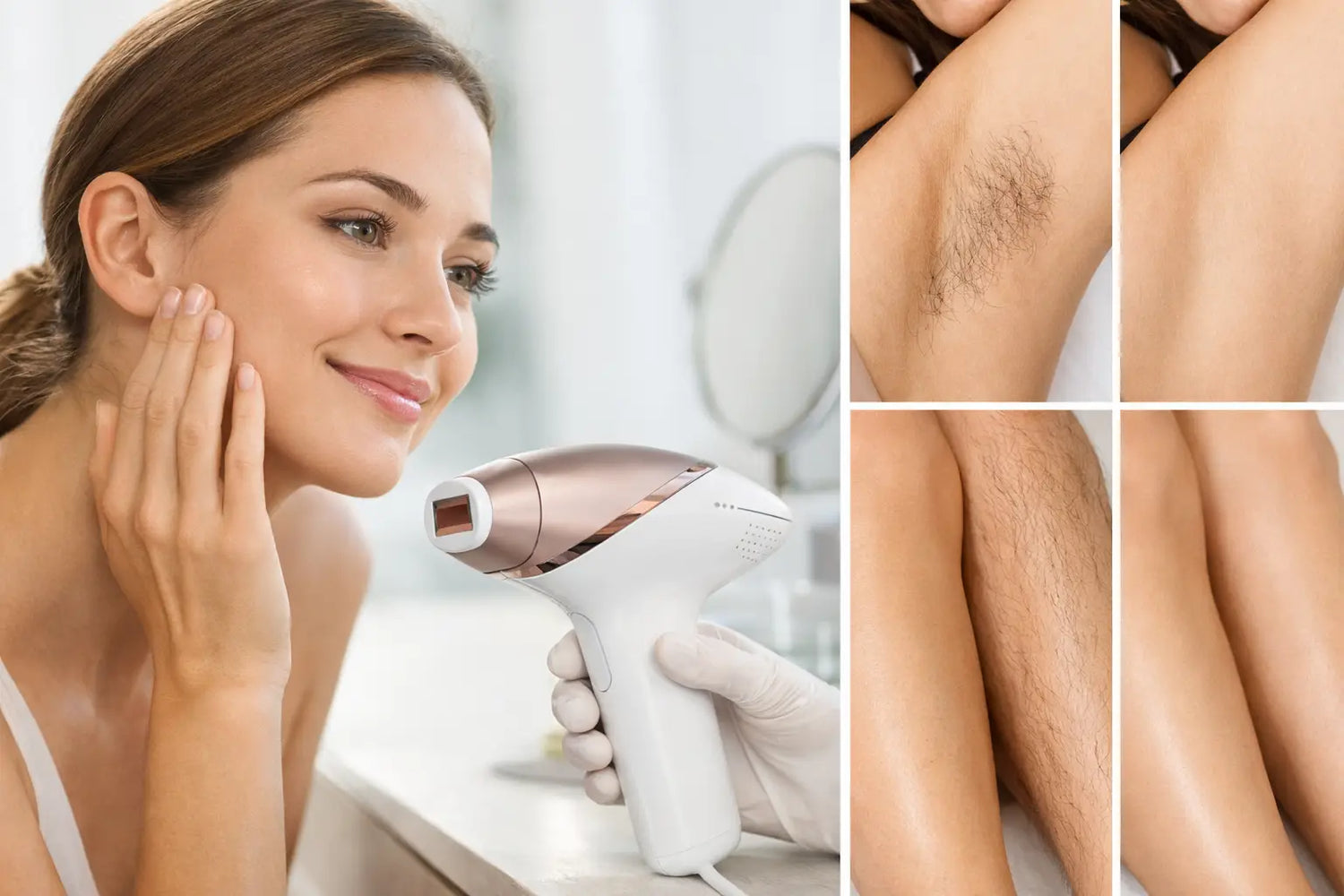
Shaving in the shower, checking for stubble before a date, booking another wax because vacation is coming up - the routine can feel endless. That is why real results from IPL users matter more than a flashy before-and-after photo. People want to know what changes in real life: how quickly hair comes back, whether treatment hurts, and whether smooth skin actually becomes easier to maintain.
At-home IPL is not a one-night fix. The strongest results come from people who treat it like a short-term routine with a long-term payoff. When the device is used consistently and as directed, many users notice slower regrowth, finer-looking hair, and fewer reasons to reach for a razor.
What Real Results From IPL Users Usually Look Like
The first change is not always hair disappearing overnight. Often, users begin by noticing that hair returns more slowly between grooming sessions. Areas that once needed shaving every day or two may stay smoother longer. That alone can make a major difference to a busy morning routine.
After several treatments, regrowth may look patchier or feel softer and finer. Some follicles respond faster than others, so it is normal for underarms, legs, bikini areas, and facial areas to progress at different speeds. The goal is a visible, ongoing reduction in hair growth - not perfection after the first flash.
The people most thrilled with their results are often the ones who were tired of the repetitive cycle. They are not just looking for less hair. They want fewer ingrown hairs from shaving, fewer painful waxing appointments, less last-minute grooming, and more confidence wearing what they want without planning around hair removal.
That is the real appeal of IPL. It can turn hair removal from a constant chore into a maintenance routine that takes far less from your schedule.
Why Consistency Makes Such a Big Difference
IPL works by sending pulses of light toward pigment in the hair. The light is intended to target the hair follicle when the hair is in an active growth stage. Since not every hair is in that stage at the same time, one treatment cannot catch every follicle.
This is why a schedule matters. Regular sessions give you more chances to treat hairs as they move through the right phase of growth. Skipping weeks, treating only when you remember, or stopping the moment you see a little improvement can slow the progress you hoped to see.
Think of the first treatment phase as an investment in your future routine. It asks for consistency up front, then can lead to less frequent touch-up care later. For women who have spent years buying razors, booking waxes, or paying for salon appointments, that trade-off can feel incredibly worth it.
A simple habit helps. Choose a day and time when you are usually home, shave the treatment area beforehand if your device instructions require it, and keep your sessions part of your self-care routine. The easier it is to repeat, the more likely you are to see the change you came for.
The Areas Where Users Notice the Difference
Underarms are a popular place to start because the area is small, quick to treat, and easy to track. When regrowth slows down here, users often feel the benefit quickly: less daily shaving and more confidence in sleeveless tops.
Legs can be especially rewarding, but they require a little more patience because there is more surface area to cover. The payoff is less time spent shaving large areas and fewer rushed touch-ups before an event, beach day, or weekend away.
The bikini line is another area where users often want a gentler alternative to frequent waxing or razor bumps. Results vary, and following device directions is essential, but reduced regrowth can mean a more comfortable, lower-maintenance routine.
Facial hair is personal and can be emotionally frustrating, especially when it feels like it returns immediately. IPL may help suitable users reduce the appearance of unwanted hair over time, but facial treatment deserves extra care. Always follow the device guidance for approved treatment zones, skin tones, and hair colors.
What Results Depend On
A great IPL experience is not only about owning a device. Your skin tone, hair color, hair thickness, treatment area, and consistency all play a role. IPL generally works best when there is enough contrast between the hair pigment and the surrounding skin for the light to identify the hair effectively.
Dark, coarse hair often responds more visibly than very light blonde, gray, white, or red hair. That does not mean every person with dark hair gets identical results, or that every person with lighter hair gets none. It means expectations should be based on your own hair and skin profile, not someone else’s testimonial.
Hormonal changes can matter, too. Conditions, medications, pregnancy-related changes, and natural shifts in hormones may influence hair growth. If you notice persistent or sudden facial hair growth, it can be smart to speak with a healthcare professional alongside building your hair-removal plan.
This is not a drawback unique to at-home IPL. Hair growth is biological, and bodies do not follow a one-size-fits-all calendar. The best approach is to give the process enough time, watch your own pattern of regrowth, and use maintenance treatments when needed.
Comfort: What Users Often Say About the Feeling
For many people, the fear of pain is what keeps them shaving long after they are tired of it. IPL does not feel exactly the same for everyone, but users commonly describe a brief warmth or a quick snap-like sensation. It is typically much easier to fit into a routine than the anticipation and soreness that can come with waxing.
Sensitivity can depend on the area. Bony zones or areas with denser hair may feel more noticeable than other spots. Starting at a comfortable intensity, using clean and dry skin, and following the instructions for your specific device can help you feel more confident as you go.
Safety comes before speed. Do a patch test when directed, avoid treating irritated or broken skin, and do not use IPL over tattoos or areas the device instructions say to avoid. If you have a skin condition, take medications that increase light sensitivity, or are unsure whether IPL is right for you, check with a qualified healthcare professional first.
How to Get Results You Can Actually Measure
It is easy to forget how often you used to shave once your routine starts improving. Take a clear photo of your treatment area before you begin, then compare it every few weeks in similar lighting. You may spot reduced density or slower regrowth before you fully notice it day to day.
Pay attention to practical markers, too. Are you shaving less often? Are you getting fewer razor bumps? Do you feel comfortable wearing a tank top without an emergency shave? Those are meaningful results because they show up in your time, confidence, and everyday choices.
Avoid judging the process too early. Hair can shed at different rates, and some regrowth between sessions is expected. Stay committed to the recommended treatment plan, then reassess after you have given your follicles a fair chance to respond.
NOHA Device™ is designed for women who want salon-inspired IPL technology without making appointments part of their lives. Used correctly and consistently, it can support a smoother routine at home, on your schedule, and without the repeating cost of traditional hair removal.
The Best Result Is Less Time Thinking About Hair Removal
The most convincing IPL result is not necessarily a dramatic photo. It is realizing you have gone days without thinking about shaving. It is packing for a trip without adding razors or worrying about fitting in a wax. It is putting on shorts because you want to, not because you had time to groom first.
Give your routine the patience it deserves, follow your device instructions, and let your own progress set the standard. Smooth skin should feel like freedom, not another appointment on your calendar.



Leave a comment
This site is protected by hCaptcha and the hCaptcha Privacy Policy and Terms of Service apply.