

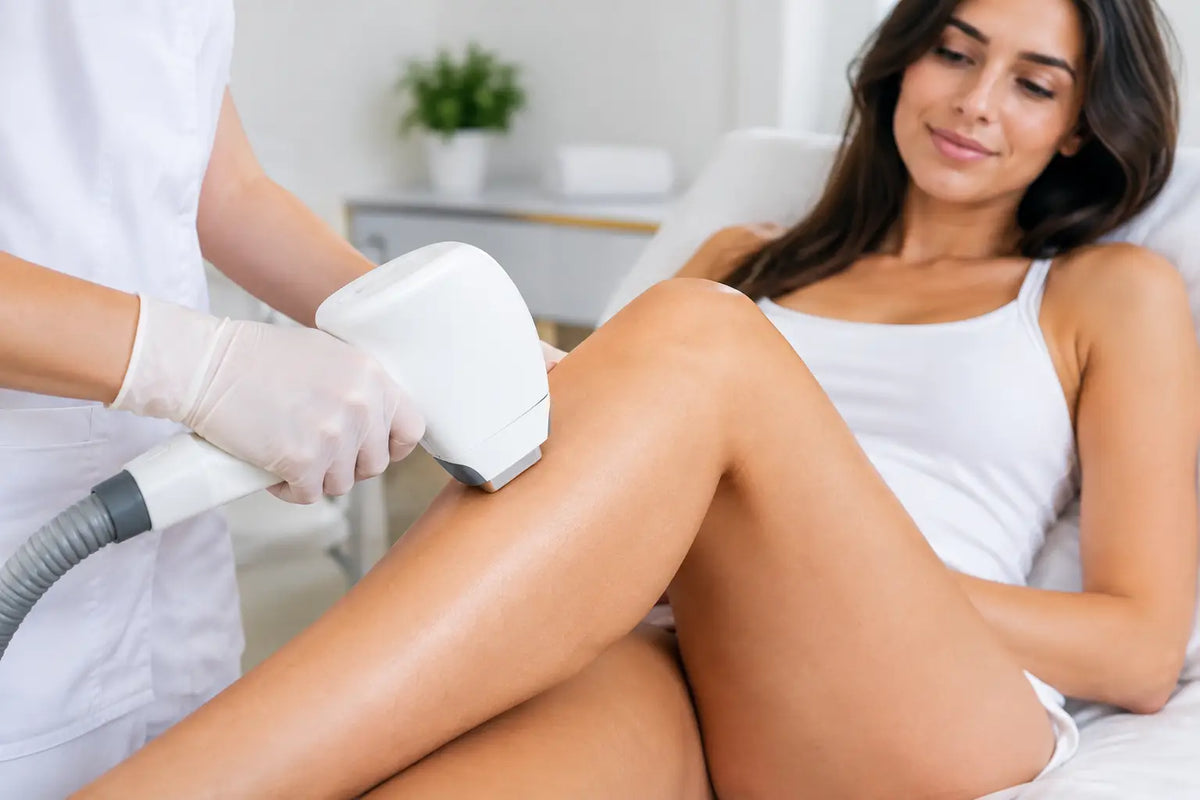
That feeling when you shave in the morning and see stubble again by dinner is exactly why IPL hair growth cycles matter. IPL does not work like shaving, waxing, or a quick beauty fix. It works with your hair’s natural schedule, helping reduce visible regrowth over a series of treatments so smooth skin can become much lower maintenance.
The key is simple: treat consistently, be patient with the process, and do not judge your results by what happens after one session. When you understand what your hair is doing beneath the skin, your treatment plan makes a lot more sense.
What IPL Hair Growth Cycles Really Mean
IPL stands for intense pulsed light. An IPL device sends broad-spectrum light into the hair follicle, where pigment in the hair absorbs that light. The goal is to interrupt the follicle’s ability to produce hair over time.
But not every hair is ready to respond on the same day. Hair grows in repeating phases, and IPL is most effective when a hair is actively connected to its follicle during the growth phase. That is why treatments are scheduled in a series instead of performed once and forgotten.
You may have thousands of hairs in one area, but they are not all following the same timeline. Some are actively growing, some are transitioning, and some are resting below the surface. Regular IPL sessions give you more opportunities to treat hairs as they enter the phase where light-based treatment can be most useful.
The Three Phases Behind Hair Regrowth
You do not need a science degree to use IPL well, but knowing the basics can help you set realistic expectations.
Anagen: The Active Growth Phase
Anagen is the stage IPL is designed to target. The hair is actively growing and has a stronger connection to the follicle. More pigment is present in the hair, giving the light something to focus on.
Only a percentage of body hair is in anagen at any one time. This is why a single treatment cannot catch every hair in an area. You may notice that some hairs appear to grow more slowly after early sessions while others seem unchanged. That does not automatically mean the treatment is not working. It may simply mean those hairs were in a different phase.
Catagen: The Transition Phase
During catagen, the hair starts to detach from the follicle and growth slows down. This phase is relatively short, but it is not the ideal time for IPL treatment. There is less direct connection for the light energy to affect.
Telogen: The Resting Phase
Telogen is the resting stage. The existing hair may eventually shed, while the follicle prepares to begin another cycle. A hair can be below the skin or barely visible during this stage, which is why an area can look smooth for a while and then seem to have new growth later.
Usually, it is not brand-new follicles suddenly appearing. It is often hair that was already there, now entering its active growth stage. That is exactly why sticking with your sessions matters.
Why IPL Treatments Are Spaced Apart
Spacing is not a delay tactic. It is part of the strategy.
Your skin needs time between treatments, and your hair needs time to move through its natural cycles. Treating too often does not force more hairs into the active phase. It can also increase the chance of unnecessary skin irritation without improving your outcome.
Many at-home IPL routines begin with treatments every one to two weeks for an initial period, followed by maintenance sessions as needed. Your device instructions should always be the final word, because treatment schedules can vary by model, power settings, body area, and your skin’s response.
Body areas also grow differently. Underarms and bikini lines may show changes faster for some people because the hair is often darker and coarser. Legs can take longer simply because there is more surface area and more follicles cycling at different times. Facial hair can be more influenced by hormones, which may make a maintenance routine especially useful.
What Results Can Look Like Week by Week
IPL progress is rarely perfectly linear. You might see patchier regrowth, softer-feeling hair, slower growth, or fewer hairs returning in a treated area. Some hairs may seem to keep growing at first, then shed days or weeks later. That is normal for many users.
In the first few weeks, focus less on instant hair disappearance and more on building the habit. The goal is to catch more hairs in their active phase over multiple treatments.
After several consistent sessions, many people begin to notice they are shaving less often or that regrowth is easier to manage. Results depend on the contrast between your hair and skin tone, your treatment consistency, the area being treated, and individual hormonal factors. IPL tends to work best on naturally dark blond, brown, or black hair with lighter to medium skin tones, depending on the device’s approved range.
It is also worth being honest about the word permanent. IPL is widely used for long-term hair reduction. Some follicles may stop producing noticeable hair, while others can become active again over time. Maintenance sessions are not a failure. They are how you keep your smooth-skin routine working for you.
How to Get Better Results From Your IPL Routine
Consistency beats intensity. A strong routine is not about treating more frequently than recommended or using a setting your skin cannot tolerate. It is about following the schedule, using the device correctly, and keeping your skin in good condition.
Before treatment, shave the area so the light can focus below the surface rather than heating long hair above the skin. Skip waxing, tweezing, and epilating between sessions because these methods remove the hair from the follicle. IPL needs that pigment in the follicle to do its job.
Start with clean, dry skin free from lotions, deodorant, self-tanner, fragrance, or oils. Patch test before your first full treatment and whenever you move to a higher intensity setting. Avoid treating recently tanned or sunburned skin, and protect treated areas from sun exposure according to your device directions.
For better tracking, take a photo before you begin and check the same area every few weeks in similar lighting. Daily mirror checks can make progress feel invisible. A simple photo comparison can show the slower, finer, less frequent regrowth that is easy to miss.
Common Reasons Progress Feels Slow
The most common reason is inconsistency. Missing a session does not erase your progress, but it can delay your ability to reach hairs during their best treatment window.
Another issue is using IPL on hair that is too light, gray, red, or very fine. Because IPL relies on pigment, it may not respond well to hair without enough color. Results can also vary if hormones are affecting hair growth, including during pregnancy, postpartum changes, or conditions associated with excess hair growth. Speak with a healthcare professional if new or unusually rapid hair growth concerns you.
Skin safety matters just as much as results. Do not use IPL over tattoos, very dark spots, open skin, or areas your device says to avoid. If you use photosensitizing medications or have a skin condition, check with a qualified medical professional before starting. A smart at-home routine should feel empowering, not risky.
Make Smooth Skin a Routine, Not a Chore
The beauty of at-home IPL is not that it ignores biology. It is that it fits around it. Instead of booking recurring waxes or reaching for a razor every few days, you can build a treatment routine around your own schedule.
NOHA brings salon-inspired IPL technology into the comfort of home, helping make the process feel more practical, private, and budget-friendly. Set a reminder, treat on schedule, and let each session do its part. Hair growth is cyclical, but your grooming routine does not have to feel endless.


Leave a comment
This site is protected by hCaptcha and the hCaptcha Privacy Policy and Terms of Service apply.