

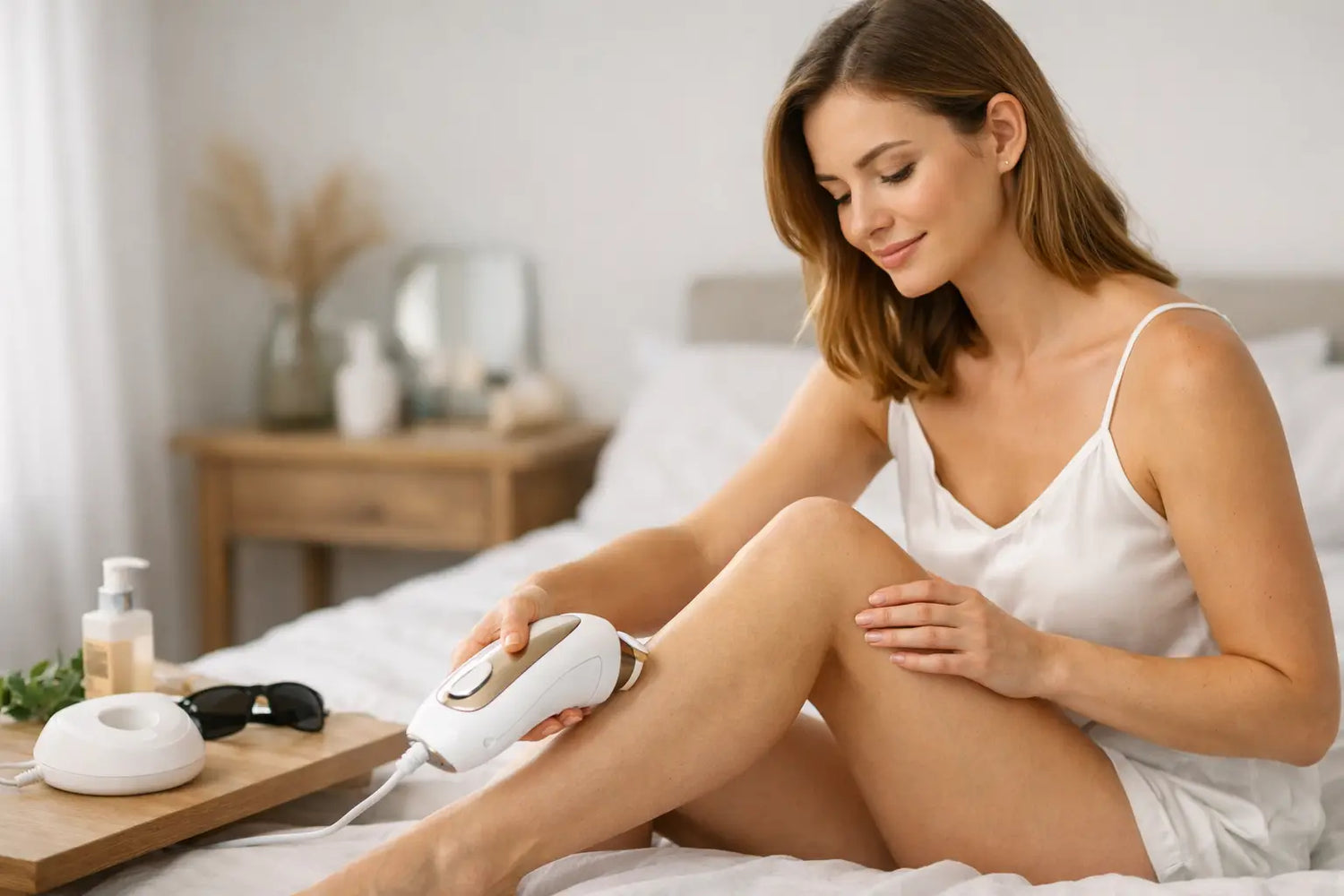
Smooth skin should not come with guesswork. If you are wondering how to use IPL safely, the good news is that it is not complicated - but it does require the right prep, the right timing, and a little consistency.
At-home IPL is popular for a reason. It can help you move past the endless cycle of shaving, waxing, and last-minute touch-ups. But safe use matters just as much as results. The best outcome comes from treating the right areas, following the device instructions, and respecting what your skin can handle.
How to use IPL safely before your first session
The safest IPL routine starts before you press the flash button. First, make sure your skin tone and hair color are suitable for the device you are using. IPL works by targeting pigment in the hair follicle, so results and safety can vary depending on the contrast between your skin and hair. If a device says it is not designed for your skin tone or hair color, take that seriously.
Next, shave the area you plan to treat. This step matters more than many people realize. IPL is meant to target the hair below the skin, not long hair sitting on top of it. If the hair is not shaved, the energy can focus on surface hair instead, which may increase irritation and reduce effectiveness.
Your skin should also be clean and dry. Skip heavy lotions, oils, deodorant, self-tanner, and body makeup before treatment. These can interfere with skin contact or make the skin more reactive.
A patch test is the step people want to skip, and it is often the step they need most. Test a small area first and wait the full amount of time recommended by your device instructions before doing a complete session. If your skin stays calm, you can move forward more confidently.
Choose the right setting, not the highest one
A common mistake with IPL is assuming stronger always means better. It does not. The safest way to start is with the recommended level for your skin tone, then increase only if your device instructions allow it and your skin is tolerating treatment well.
You are looking for a setting that feels manageable, not aggressive. Mild warmth or a quick snapping sensation can be normal. Sharp pain, lingering heat, or strong irritation is a sign to stop and reassess.
Some devices include built-in skin sensors or comfort settings, which can make the process easier. Even then, you should not rush. A smart routine beats an intense one every time.
Areas where extra caution matters
Not every part of the body should be treated the same way. Legs, underarms, bikini line, and arms are common areas for at-home IPL. These tend to be more straightforward if you follow the instructions closely.
Sensitive areas deserve more care. Skin can be thinner, darker, or more reactive in certain spots, which changes how IPL feels and how your skin responds. You should avoid any area your device specifically says not to treat, including around the eyes, over tattoos, on very dark moles, or on broken, irritated, or sunburned skin.
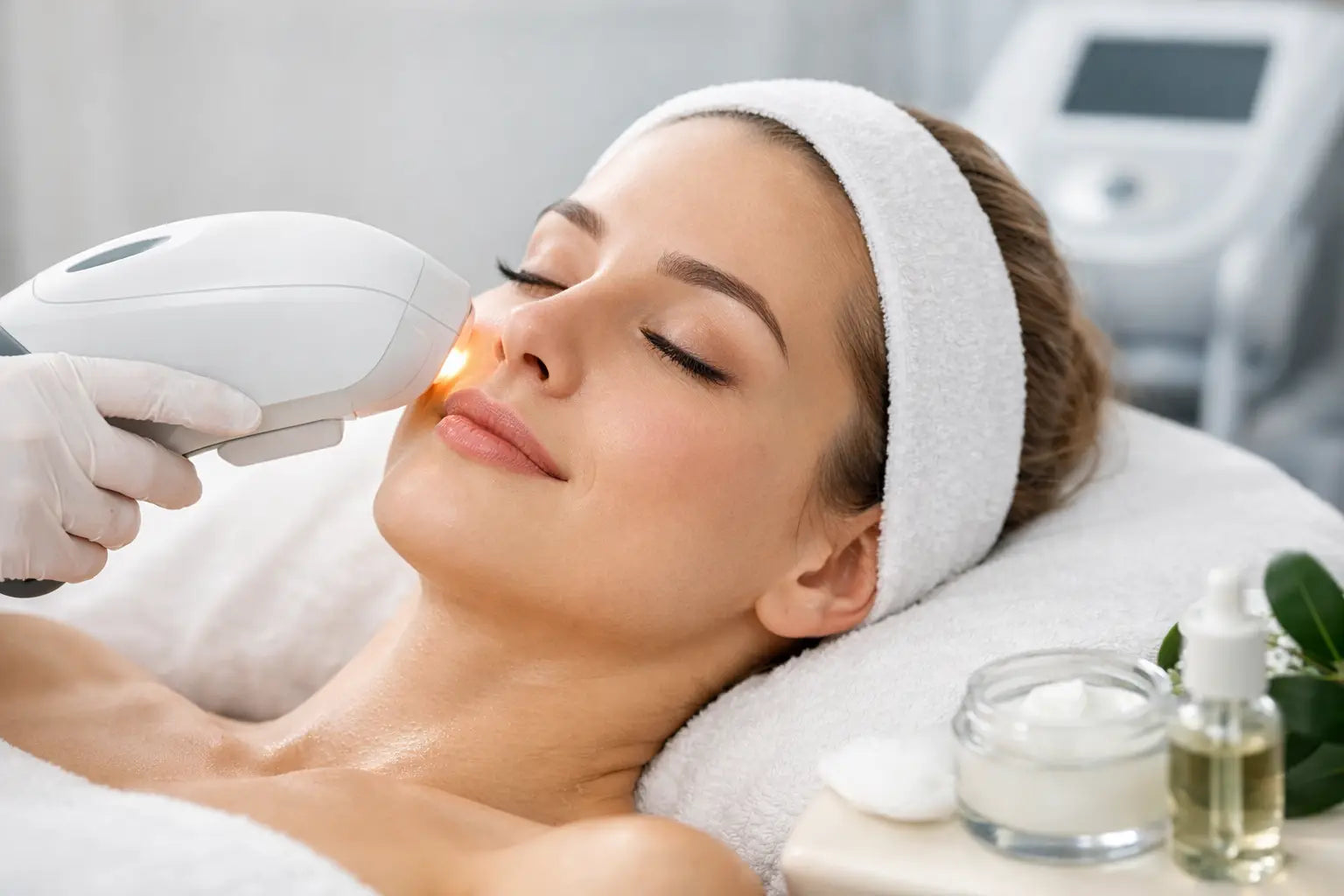
Facial use depends on the device. Some IPL devices are made for below-the-cheekbone facial hair, while others are not meant for the face at all. If your device allows facial treatment, use it exactly as directed and avoid treating too close to the eyes.
This is where reading the manual actually pays off. The safest routine is always device-specific.
What to avoid before and after treatment
Sun exposure is one of the biggest safety issues with IPL. If your skin is freshly tanned, sunburned, or even more sensitive from recent UV exposure, it is better to wait. Tanned skin can react differently to light-based treatments, which may increase the risk of irritation or discoloration.
The same goes for self-tanner. If you have recently used tanning products, let them fully fade before treating the area. IPL needs a clear read on your actual skin tone.
You should also be careful with strong skincare actives around treatment time. If you use retinoids, exfoliating acids, benzoyl peroxide, or other potentially irritating products, it may be smart to pause them on the treatment area for a short window before and after your session, depending on your skin and your product instructions. If your skin is already feeling sensitized, delay IPL until it is calm again.
Hot showers, saunas, and aggressive exfoliation right after treatment can also push your skin too far. Keep things simple for the rest of the day. Clean skin, light hydration, and a little patience go a long way.
How to use IPL safely during the session
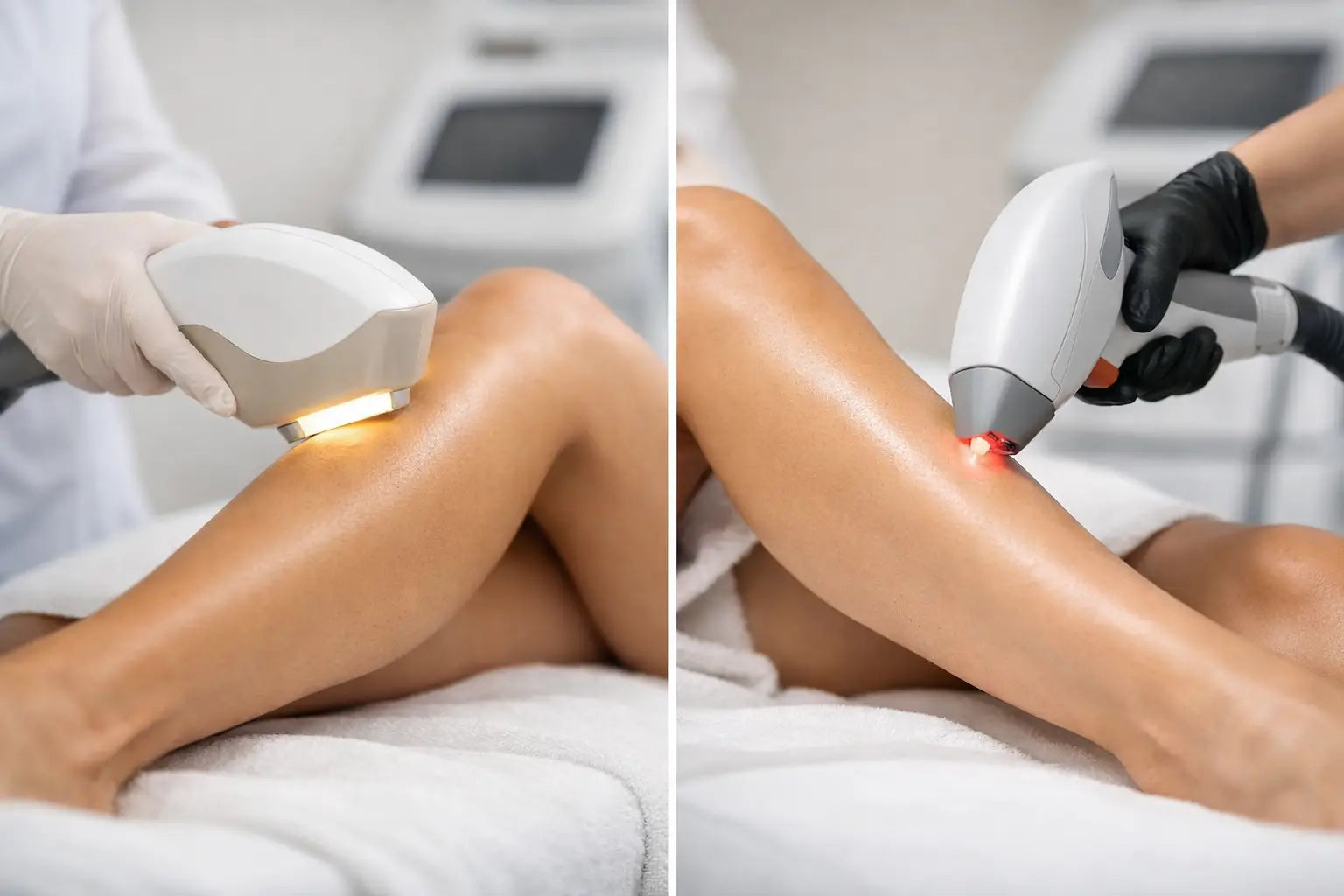
When it is time to treat, move methodically. Place the device flat against the skin so you have full contact. Flash once, then move to the next section without stacking repeated flashes on the exact same spot unless your device directions specifically tell you to.
This is where people often overdo it. More passes do not guarantee faster results. In fact, repeatedly going over one area can increase irritation without improving your outcome.
It helps to work in sections so you do not miss patches or overlap too much. Think of it like a clean, organized pattern rather than random flashes. Consistency gives you better coverage and a safer experience.
If anything feels off, stop. Redness that fades quickly can be normal. Intense discomfort, swelling, blistering, or prolonged irritation is not. Safe IPL use includes knowing when not to continue.
Timing matters more than force
IPL is not a one-and-done treatment. Hair grows in cycles, and the device is most effective when those hairs are in the right growth phase. That is why treatment schedules matter.
Using IPL too often will not force faster permanent reduction. It can simply stress your skin. On the other hand, spacing sessions too far apart may slow your progress. The best plan is to follow the schedule recommended by your device, then stay consistent long enough to see the full effect.
This is one of the biggest benefits of a well-designed at-home device. You get control over your routine without paying for repeated salon visits, but you still need the discipline to stay on track.
Who should pause and ask a professional first
At-home IPL is simple for many users, but it is not for everyone at every moment. If you are pregnant, breastfeeding, managing a skin condition, taking medications that increase light sensitivity, or have a history of unusual pigment changes or seizures triggered by flashing light, it is smart to check with a medical professional before starting.
If you have active infections, open cuts, rashes, or unexplained skin changes in the treatment area, wait until your skin is healthy again. Safe use is not about pushing through. It is about choosing the right moment.
Results are better when your skin is treated kindly
Many people focus on the flash and forget the aftercare. But calmer skin usually means a better overall experience and a routine you will actually stick with. After treatment, use gentle skincare, avoid picking at the skin, and protect treated areas from sun exposure.
If your skin feels a little warm or looks mildly pink, give it breathing room. That usually means no harsh scrubs, no strong peels, and no pressure to layer on ten products at once. Less is better right after IPL.
A good device should make this process feel approachable, not intimidating. That is one reason so many shoppers look for an at-home option that combines simplicity, comfort, and value. If you want a beauty routine that saves time without turning your bathroom into a clinic, a device like the NOHA Device can fit naturally into that goal when used as directed.
The safest IPL routine is the one you can repeat correctly
There is a big difference between using IPL aggressively and using it well. Safe use is about clean skin, shaved skin, the right setting, careful timing, and enough patience to let the technology do its job.
You do not need to make it complicated. You need to be consistent, cautious with sun exposure, and honest about how your skin is responding. When you treat your skin with that level of care, IPL becomes less of a gamble and more of a smart, low-maintenance step toward smoother skin.
Give your routine the same energy you want from your results - clear, steady, and worth repeating.

Leave a comment
This site is protected by hCaptcha and the hCaptcha Privacy Policy and Terms of Service apply.