

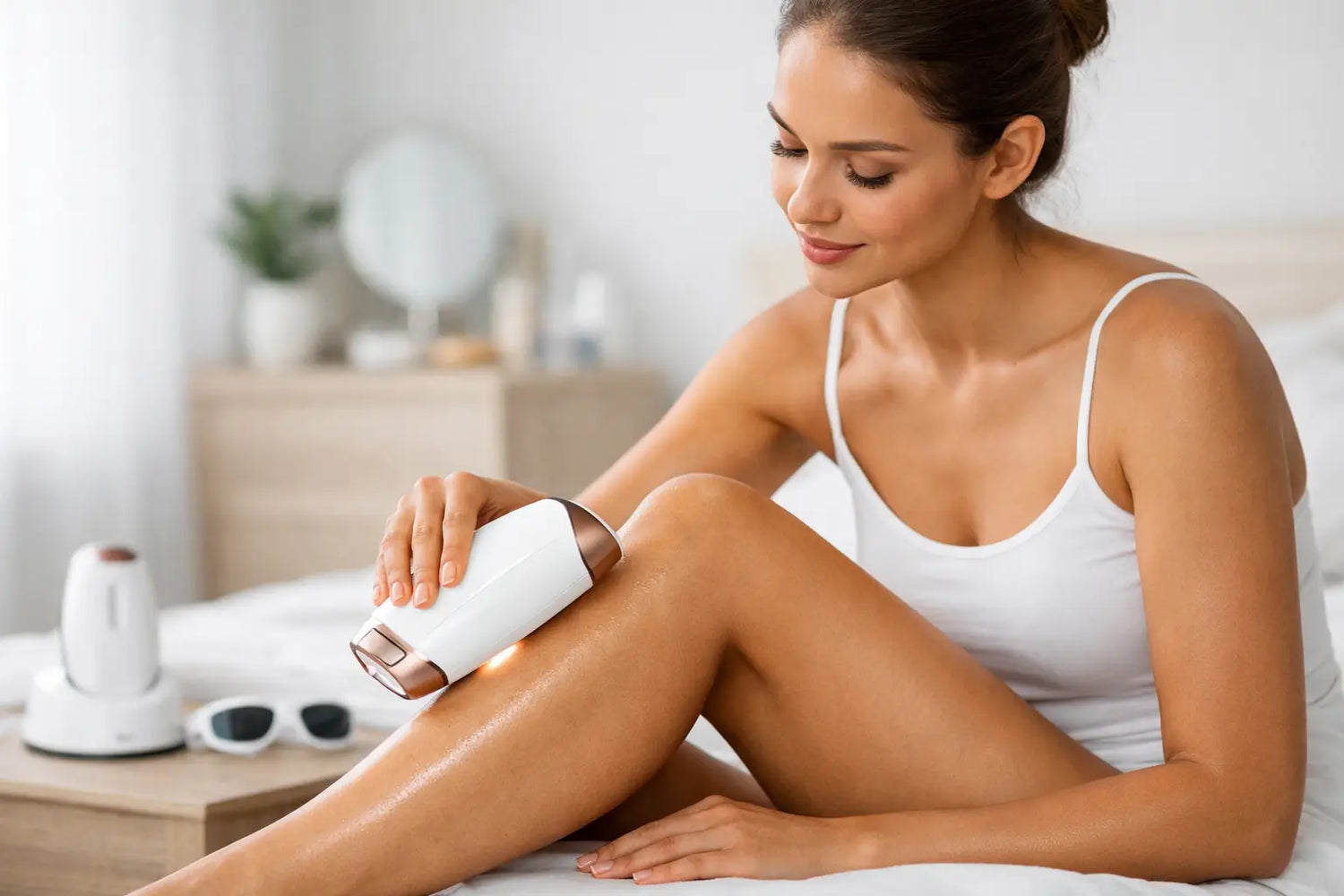
Shaving in the shower, checking for missed spots, then doing it all again two days later is not the smooth-skin routine most women want. A home IPL device can help you spend less time managing unwanted hair and more time enjoying skin that feels soft, confident, and low-maintenance. The secret is not doing more treatments - it is doing them correctly and consistently.
How to Use a Home IPL Device Step by Step
IPL stands for intense pulsed light. The device sends gentle pulses of light into the hair follicle, targeting pigment in the hair to interrupt the growth cycle over time. It is not a one-flash-and-done treatment. Hair grows in cycles, so regular sessions are what create visible reduction.
Start by reading the instructions that come with your device. Settings, treatment windows, and recommended schedules can vary slightly. Then follow this simple routine.
1. Check whether IPL is right for your skin and hair
Home IPL generally works best when there is a clear contrast between skin tone and hair color, such as darker hair on lighter to medium skin. Because IPL targets pigment, it is typically less effective on very light blond, gray, white, or red hair.
Use the skin-tone guidance included with your device before your first treatment. Do not treat tattoos, very dark spots, moles, open wounds, irritated skin, or areas with active infection. Avoid using IPL over a fresh tan or sunburned skin, since extra pigment can make treatment less comfortable and increase the chance of irritation.
If you are pregnant, breastfeeding, taking photosensitizing medication, using prescription skincare, or managing a skin condition, check with a qualified healthcare professional before starting. This small step helps you feel confident that your at-home routine is the right choice for you.
2. Shave the treatment area first
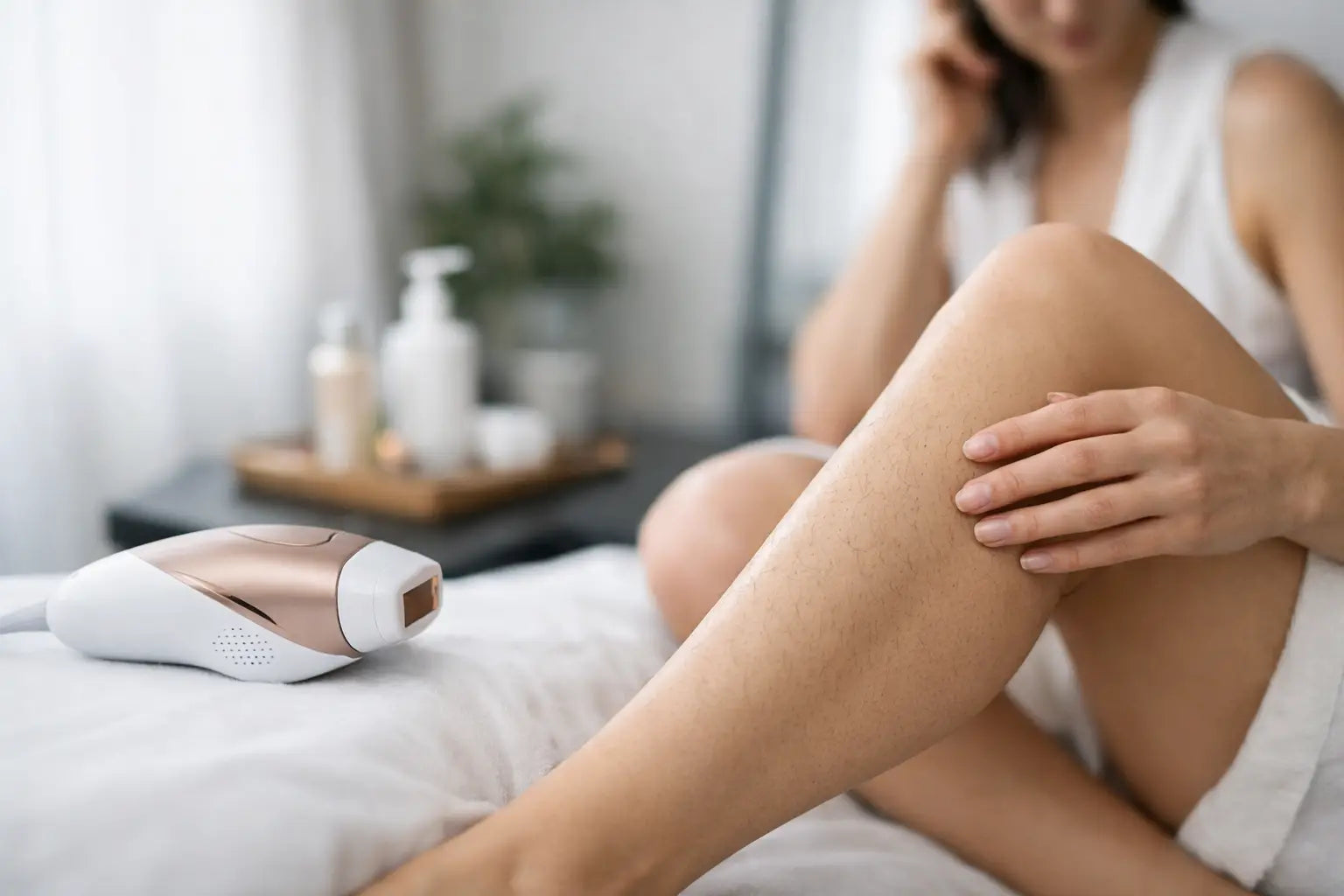
This step matters more than most people realize. Shave the area closely before using your IPL device. The light needs to reach pigment below the surface of the skin, where the follicle is. Long hair above the skin can absorb heat, create a burnt-hair smell, and make the session less comfortable.
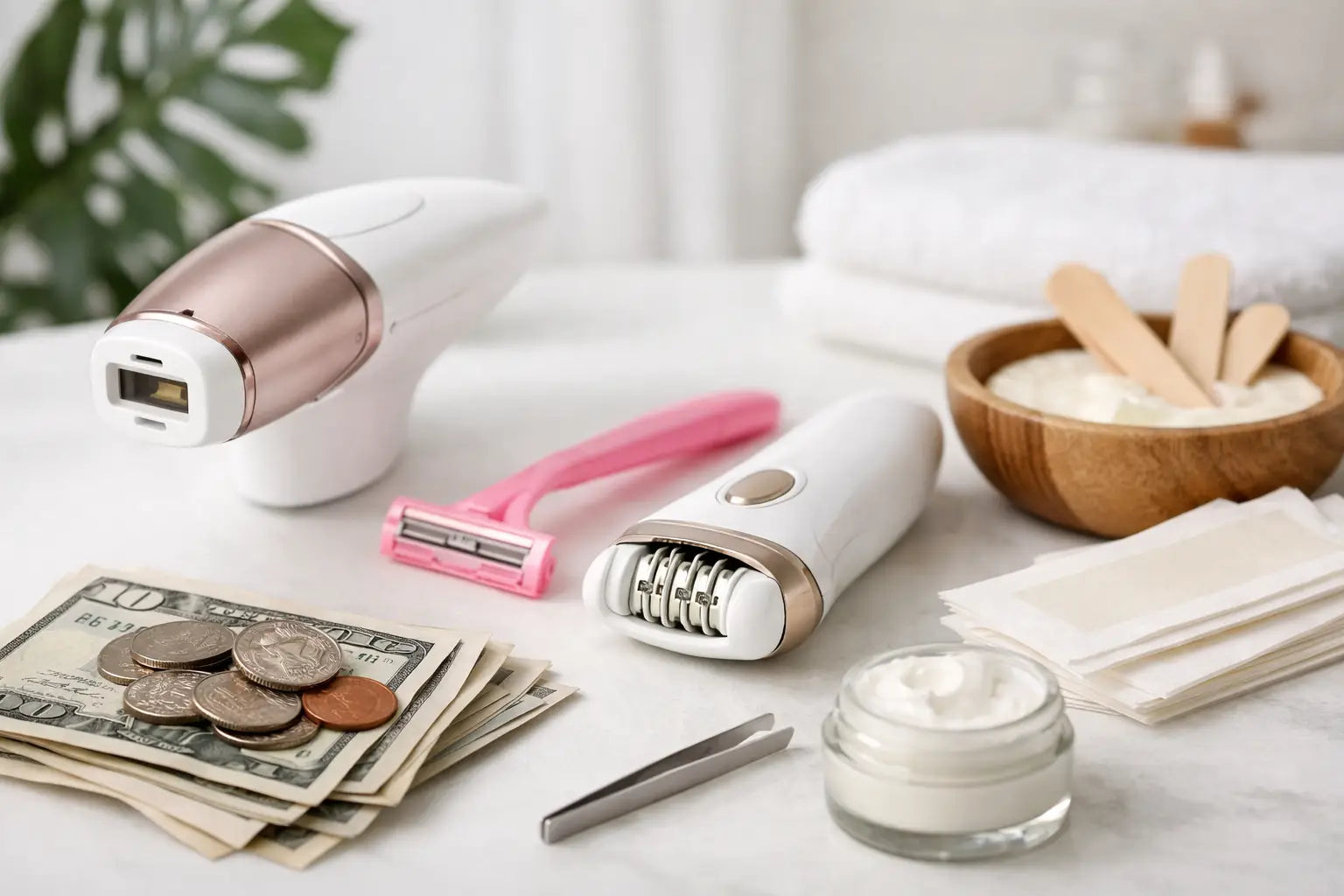
Do not wax, thread, tweeze, or use an epilator before treatment. Those methods pull the hair from the root, leaving less pigment for IPL to target. If you are switching from waxing, let enough hair grow back to shave, then begin your IPL routine.
Use a clean razor, shave gently, and rinse away any loose hairs. You do not need to exfoliate aggressively. In fact, freshly scrubbed or irritated skin can be more sensitive, so keep prep simple.
3. Begin with clean, dry skin
Apply your device to skin that is clean and completely dry. Skip body lotion, deodorant, perfume, oil, self-tanner, and makeup on the area you plan to treat. These products can interfere with the device-to-skin contact and may make skin more reactive.
If you shaved right before your session and your skin feels calm, you can usually treat that day. If shaving leaves you with razor burn, cuts, or bumps, wait until the skin has settled. IPL works best on healthy, comfortable skin - not skin that is already stressed.
4. Do a patch test before your first full session
A patch test is your personal comfort check. Choose a small, discreet spot in the area you want to treat. Start on the lowest recommended intensity, place the device flat against your skin, and flash once.
Wait for the amount of time listed in your device instructions, often 24 hours. Mild warmth or temporary redness can happen, but painful swelling, blistering, or prolonged irritation means you should not continue without getting professional guidance.
If your skin responds well, you can move forward. Start at a comfortable level, then increase intensity gradually in later sessions if your device instructions allow it. Higher intensity is not automatically better. The best setting is one that is effective for your skin tone and hair color while still feeling manageable.
5. Keep full contact and treat in an organized pattern
Place the treatment window flat against the skin so it has full contact. Most home devices have a safety sensor that will not flash unless the window is positioned correctly. That is a useful safeguard, not a sign that anything is wrong.
For small areas, such as the upper lip, underarms, bikini line, or fingers, use single flashes. Press the device against one section, flash, lift, and move to the next section. For larger areas like legs or arms, glide mode can make treatment much faster if your device offers it. Hold the flash button and move slowly, keeping the device fully against the skin.
Work in rows so you do not miss patches. A little overlap is fine, but do not repeatedly flash the same spot in one session. More flashes do not mean faster results. They can simply increase warmth and irritation.
6. Expect a warm snap, not a painful appointment
Most people describe home IPL as a quick warm sensation or a light snap against the skin. Bony areas, the bikini line, and places where hair is thicker may feel more noticeable than the lower legs.
If a setting feels too intense, lower it. Treating consistently at a comfortable setting is far more useful than pushing through discomfort once and avoiding your device afterward. For extra comfort, treat in a cool room and make sure skin is dry and freshly shaved.
7. Follow a consistent treatment schedule
This is where results are built. Early on, most home IPL devices are used weekly or every two weeks for a set number of sessions. After that initial phase, you can move into maintenance treatments as needed when you notice new growth.
Your exact schedule should come from your device manual, but consistency is the priority. Put your session on your calendar the same way you would schedule a facial or salon appointment. A quick at-home session is easier to keep when it becomes part of your regular self-care routine.
You may notice slower regrowth, softer hair, or patchier areas first. That is normal. Different follicles are in different growth stages, and results can vary by body area, hair color, hormones, and how regularly you treat.
Aftercare That Keeps Skin Comfortable
Your skin does not need an elaborate recovery plan after IPL. Keep it calm. For the first 24 to 48 hours, avoid hot baths, saunas, intense workouts, fragranced products, exfoliating acids, and retinoids on the treated area if your skin feels sensitive.
Moisturizer can be helpful once skin feels normal, but choose something gentle and fragrance-free. If you are treating exposed areas such as legs, arms, or the face, use broad-spectrum sunscreen. Sun protection is especially valuable throughout your IPL routine because tanned skin can limit when you can safely treat.
Avoid picking at hairs that appear to be growing out after a session. They may shed naturally over the following days or weeks. You can shave between sessions if needed, but skip waxing and tweezing so the follicle remains available for the next flash.
Areas You Can Treat - and Areas to Skip
Many people use home IPL on the legs, arms, underarms, bikini line, stomach, and facial areas below the cheekbones. Always follow the approved treatment zones in your device instructions.
Never flash directly into or around the eyes. Avoid the scalp, eyebrows, inside the nose or ears, nipples, genital areas, and any area specifically excluded by the manufacturer. For facial hair, use the device carefully and only where your manual says it is safe.
The bikini area deserves extra attention. You can often treat the outer bikini line, but the skin there can be more sensitive and more deeply pigmented. Start low, patch test, and follow your device's specific guidance rather than assuming every area can be treated the same way.
Common Home IPL Mistakes to Avoid
The biggest mistake is treating only when you remember. IPL is a routine, not an emergency fix before vacation. Set a schedule and give it time.
Another common mistake is treating over lotion, deodorant, or self-tanner. Clean, bare skin gives you a safer, more consistent session. It is also tempting to turn the intensity all the way up immediately, but gradual progress is smarter than irritating your skin.
Finally, do not expect IPL to work identically for everyone. Hormonal changes can affect regrowth, and some areas may need more maintenance than others. The goal is meaningful, lasting hair reduction and fewer repetitive grooming sessions - not perfection after one treatment.
With a device like NOHA, the best results come from treating your routine like a promise to yourself: shave, flash, repeat, and let consistency replace the constant cycle of razors and waxing appointments. Smooth skin is not about adding another complicated task to your week. It is about choosing a routine that gives your time back.

Leave a comment
This site is protected by hCaptcha and the hCaptcha Privacy Policy and Terms of Service apply.