

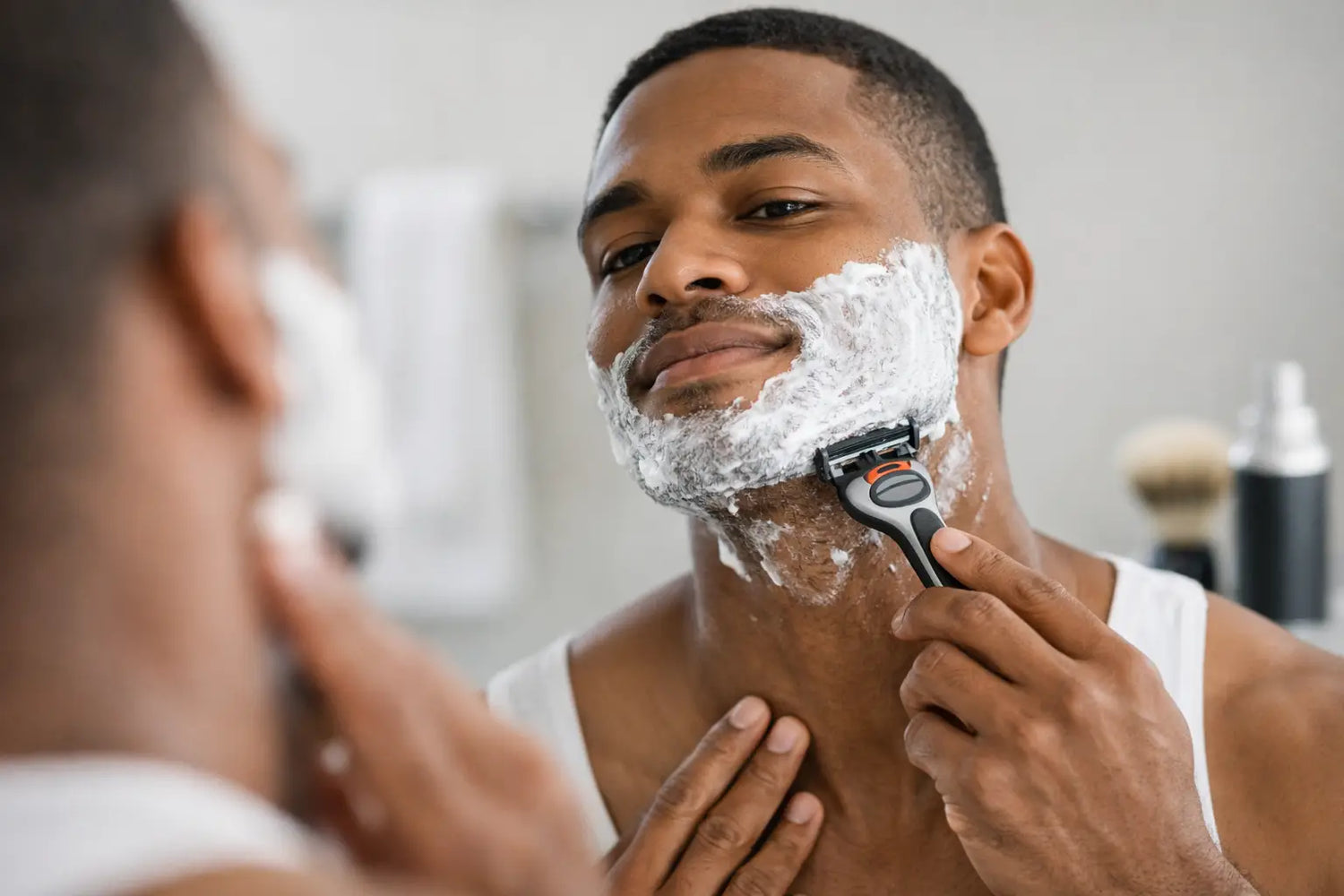
Razor bumps can ruin the whole point of shaving. You want smooth, clean skin, and instead you get tiny red bumps, itching, and that uncomfortable stinging feeling a few hours later. If you’ve been searching for how to avoid razor bumps, the good news is that it usually comes down to a few fixable habits - and in some cases, a better long-term hair removal plan.
Why razor bumps happen in the first place
Razor bumps show up when freshly shaved hairs curl back into the skin or get trapped as they grow out. That creates irritation, inflammation, and sometimes painful ingrown hairs. For some people, this happens more often in areas with coarse or curly hair, like the bikini line, underarms, and legs.
Shaving itself can also stress the skin. A dull blade, too much pressure, dry shaving, or going over the same spot too many times can leave behind micro-irritation that turns into visible bumps fast. If your skin already leans sensitive, even a quick shave can trigger a reaction.
That’s why learning how to avoid razor bumps is less about one miracle product and more about changing the full routine - before, during, and after hair removal.
How to avoid razor bumps before you shave
The best shave starts before the razor touches your skin. Prep matters because soft hair cuts more easily, which means less force, less friction, and less irritation.
Start with warm water. Shaving at the end of a shower is usually better than shaving on dry or barely damp skin. The heat helps soften the hair and loosens buildup on the surface of the skin. If you shave too early, before the skin has warmed up, the hair stays stiffer and harder to cut cleanly.
Gentle exfoliation can also help, especially if you deal with ingrown hairs often. You do not need to scrub aggressively. In fact, that can make things worse. A soft washcloth, mild exfoliating pad, or gentle chemical exfoliant used on a regular schedule can remove dead skin that might trap hairs as they grow back.
Then use a proper shaving product with slip. A good shave gel, cream, or cushiony cleanser creates a barrier between the blade and your skin. That barrier helps the razor glide instead of drag. If you’re using soap that leaves skin squeaky or tight, it may be too drying for a bump-prone shave.
The shaving habits that make the biggest difference
If you’re serious about smoother skin, your razor technique matters just as much as your products.
First, use a clean, sharp blade. This is one of the biggest reasons people keep getting razor bumps. A dull razor does not cut hair cleanly. It tugs, skips, and encourages you to press harder, which increases irritation. If your blade feels rough, pulls on the skin, or has visible buildup, it’s time to replace it.
Second, shave with the grain when possible. That means shaving in the direction the hair naturally grows. Yes, shaving against the grain may feel closer in the moment, but it also raises the risk of hairs curling back into the skin. If you are very prone to bumps, a slightly less close shave is often worth the trade-off.
Use light pressure. Let the razor do the work. Pressing harder does not create a better result - it usually creates more redness and more inflammation. Short, controlled strokes are better than scraping long passes over the same area.
Try to avoid repeatedly shaving one spot. Two passes may be fine if your skin tolerates it, but going over the same patch again and again can quickly push sensitive skin over the edge. Rinse the blade often so it keeps moving smoothly.
How to avoid razor bumps in sensitive areas
Some areas are simply more reactive. The bikini line and underarms are common trouble spots because the skin is delicate, hair can be coarse, and friction from clothing makes post-shave irritation worse.
In these areas, less is often more. Use extra shave gel, fewer passes, and a very light hand. Tight clothing right after shaving can also increase rubbing and trap sweat, which makes bumps feel even worse. If possible, give skin a little breathing room after hair removal.
For the bikini line, timing helps. Shaving right before a workout, beach day, or long walk in tight clothes can backfire. Skin that has just been shaved is more vulnerable to friction and sweat. If you can shave the night before, that usually gives the area more time to calm down.
Underarms benefit from the same logic. If you shave and immediately apply a heavily fragranced product, you may get more stinging and irritation. Sometimes the fix is not complicated - it is just giving freshly shaved skin a gentler first few hours.
What to do after shaving to keep bumps away
Aftercare is where a lot of people accidentally undo a good shave. The skin is freshly exfoliated and more exposed, so what you put on it matters.
Rinse with cool or lukewarm water rather than hot water. Hot water can keep skin feeling flushed and irritated. Pat dry instead of rubbing with a towel.
Then apply a lightweight, soothing moisturizer. Look for formulas that support the skin barrier without feeling heavy or greasy. Hydrated skin tends to recover better and is less likely to feel itchy as hair starts to grow back.
If you’re especially prone to ingrowns, regular exfoliation between shaves can help keep hairs from getting trapped under dead skin. The key word is regular, not aggressive. Over-exfoliating can leave your skin raw, which creates a whole new problem.
And if your skin reacts badly every single time, take a closer look at frequency. Shaving too often can keep the area in a constant cycle of irritation. Sometimes spacing out shaves, even by a day or two, makes a visible difference.
When shaving may not be your best option
There’s a point where the question is not just how to avoid razor bumps, but whether shaving is the right method for your skin at all. If you constantly get bumps no matter how careful you are, your skin may simply do better with less frequent hair removal or a different approach altogether.
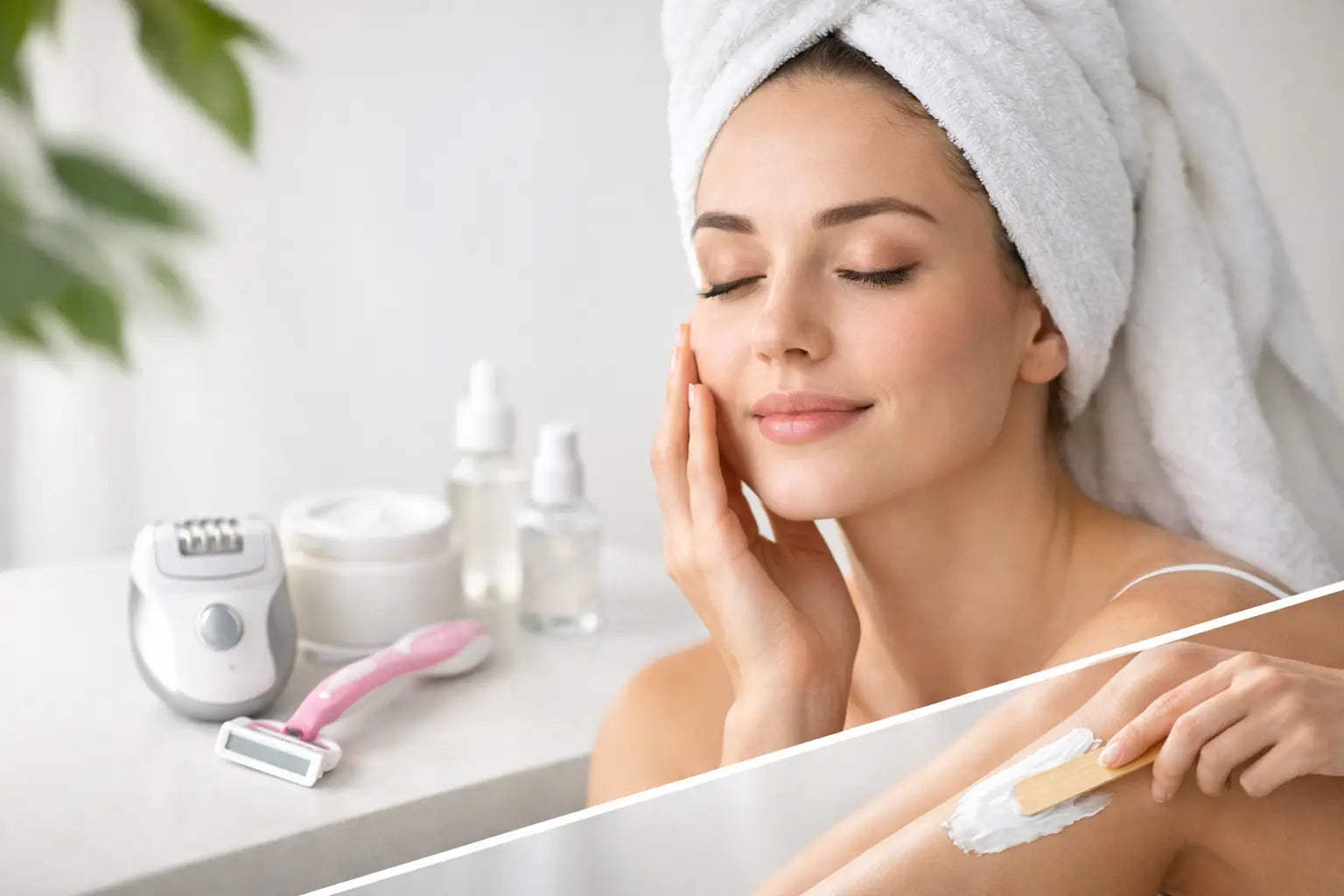
Waxing can work for some people, but it brings its own downsides - pain, recurring appointments, and ongoing cost. Depilatory creams are convenient for some and irritating for others. That is why many women eventually start looking for a more low-maintenance solution.
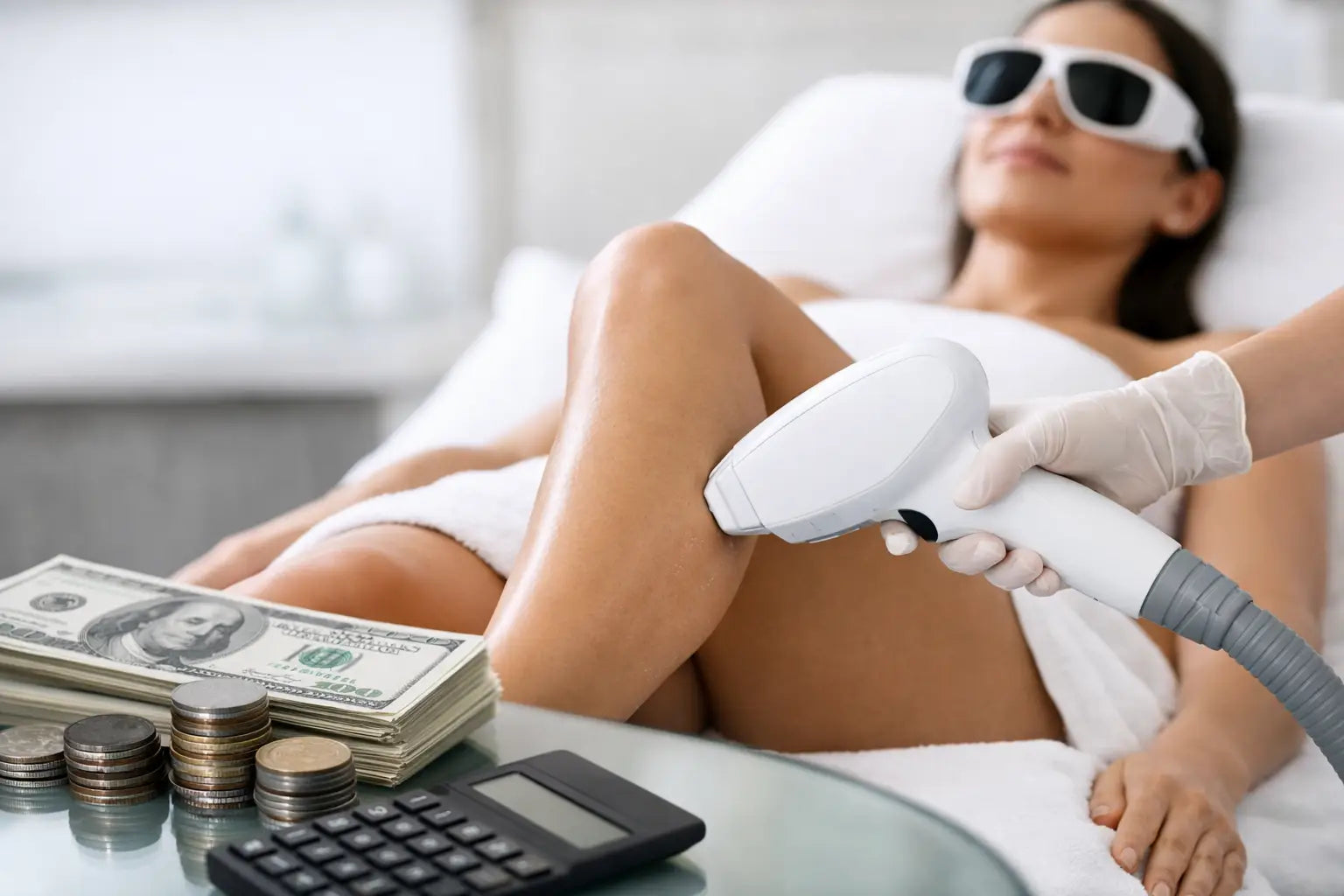
At-home IPL can make a lot of sense here because it targets the cycle of hair regrowth instead of forcing you into constant shaving. Less hair growth over time usually means fewer chances for razor bumps, fewer ingrowns, and less daily upkeep. That’s the real appeal: smoother skin without the repeat irritation.
For anyone tired of planning life around razors, this is where a device like NOHA starts to feel less like a beauty extra and more like a smart routine upgrade. You save time, reduce the need for frequent shaving, and move closer to the smooth-skin result you wanted in the first place.
Common mistakes that keep razor bumps coming back
A lot of razor bump routines fail for simple reasons. People use old blades longer than they should. They shave quickly without enough water or product. They chase an ultra-close result by pressing hard and going against the grain everywhere.
Another common mistake is treating the skin too harshly after shaving. Strong fragrances, rough scrubs, and heavy friction from tight clothing can turn mild irritation into a full breakout of bumps.
There is also the patience factor. If your skin is already inflamed, shaving again too soon often makes things worse. Sometimes the fastest route to smoother skin is letting the area recover instead of forcing another pass.
The smoothest result usually comes from consistency
The truth is, razor bumps are rarely caused by one thing. They come from a mix of skin sensitivity, hair type, shaving technique, and aftercare. That’s why the fix usually is not dramatic. It’s consistent prep, a better blade, a gentler shave, and a smarter plan for what comes next.
If you want fewer bumps, think beyond the five minutes you spend shaving. Look at the whole routine and ask whether it actually supports calm, smooth skin. And if shaving keeps giving you the same frustrating result, it may be time to stop settling for a routine that keeps irritating you and start choosing one that gives your skin a break.

Leave a comment
This site is protected by hCaptcha and the hCaptcha Privacy Policy and Terms of Service apply.