

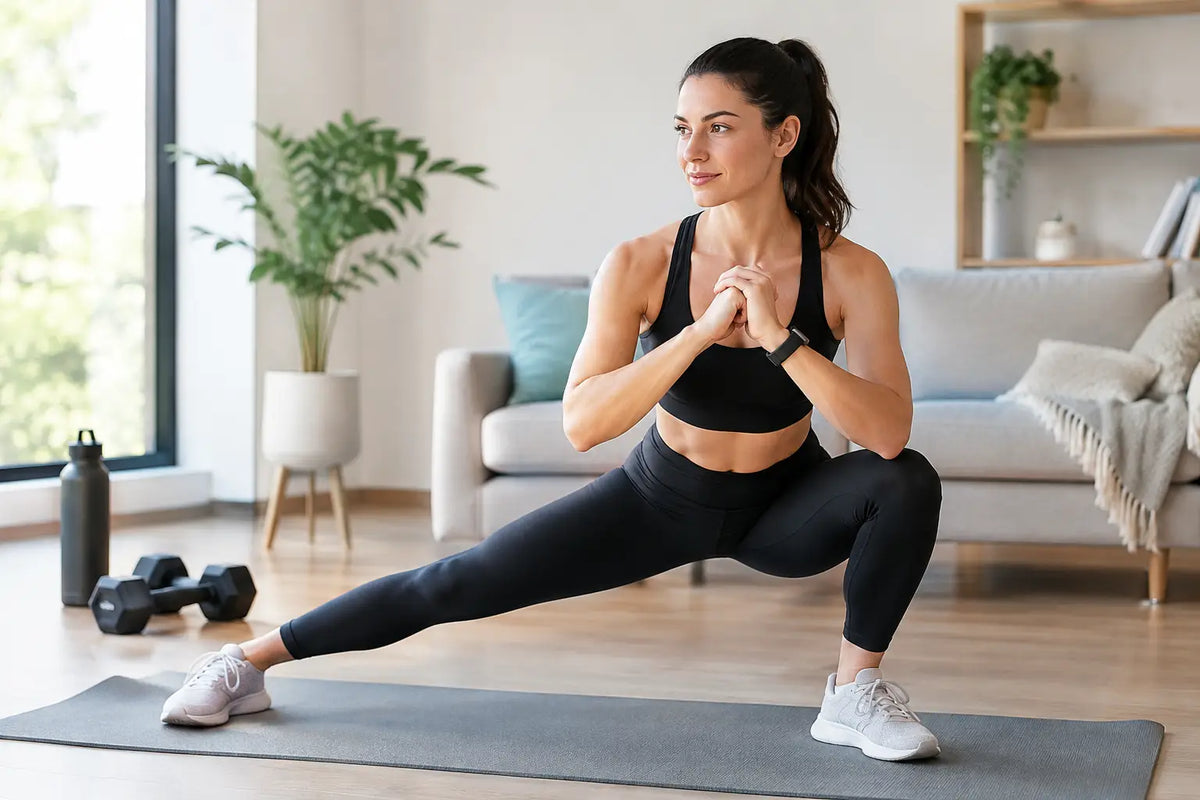
A full day, a packed schedule, and a body-care routine that takes more than a few minutes rarely work together. That is why home body sculpting options have become so appealing. They bring the feeling of a targeted beauty treatment into your own space, on your own schedule, without adding another appointment to your calendar.
The smart approach is not chasing a miracle tool. It is choosing a method that fits your goals, your budget, and the time you can actually give it. Some options can temporarily improve the look of skin, help you feel more refreshed, or support a consistent wellness routine. Others may offer more targeted cosmetic benefits, but still require patience and realistic expectations.
What Does At-Home Body Sculpting Really Mean?
At-home body sculpting is a broad beauty category. It can include hands-on massage tools, dry brushing, topical body care, compression wear, fitness-based routines, and beauty devices designed to support a firmer or smoother-looking appearance.
What it does not mean is instant, permanent fat removal from one area of the body. Your body cannot be commanded to lose fat only from your stomach, thighs, arms, or hips. Visible body composition changes are influenced by many factors, including movement, nutrition, sleep, hormones, and genetics.
Still, body-care tools can have a place in your routine. A consistent ritual can support circulation, temporarily reduce the look of puffiness, help skin look more polished, and give you a few minutes to focus on yourself. The best results are often the ones that come from a routine you enjoy enough to repeat.
Home Body Sculpting Options to Consider
Massage and lymphatic-style body tools
Manual massage tools, contour rollers, and body cups are popular because they are simple, affordable, and easy to use in the shower or after applying body oil. Massage can create a temporary smoother-looking effect by moving fluid through the area and improving the immediate appearance of skin.
This option is ideal if you want a low-commitment ritual. It will not melt fat or permanently erase cellulite, but it can make skin look more energized before a beach day, event, or night out. Use gentle pressure, especially around sensitive areas, and avoid broken skin, bruises, or painful techniques.
Dry brushing
Dry brushing is another easy entry point. A natural-bristle brush used with light, upward strokes can exfoliate dead skin cells, leaving skin softer and more even-looking. Many people love it before showering because it creates that fresh, just-polished feeling without a complicated process.
The benefit is primarily cosmetic and sensory. It is not a shortcut to weight loss or dramatic reshaping, but smoother skin can make a real difference in how you feel in shorts, swimwear, and fitted clothes. Follow with a rich moisturizer to keep the skin barrier comfortable.
Topical body care
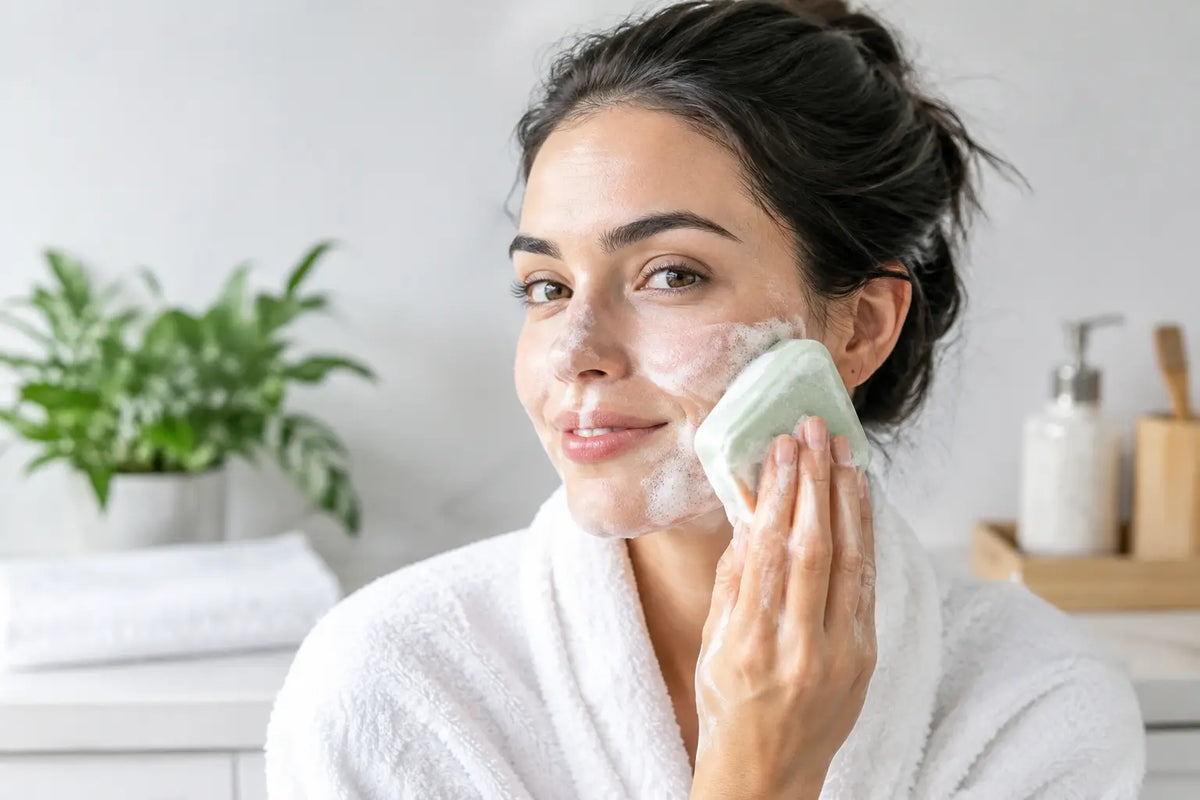
Body creams, firming lotions, and exfoliating treatments can improve how skin feels and looks over time. Ingredients that hydrate, gently exfoliate, or support a temporary tightening effect may help with dullness, rough texture, and the dry, crepey look that can show up on areas like the thighs, chest, and arms.
Topicals work best when you match them to your concern. If rough texture is your focus, consistent gentle exfoliation may help. If your skin feels dry or looks less plump, hydration is the priority. Give any new product time and patch-test first, particularly if your skin is reactive.
At-home beauty devices
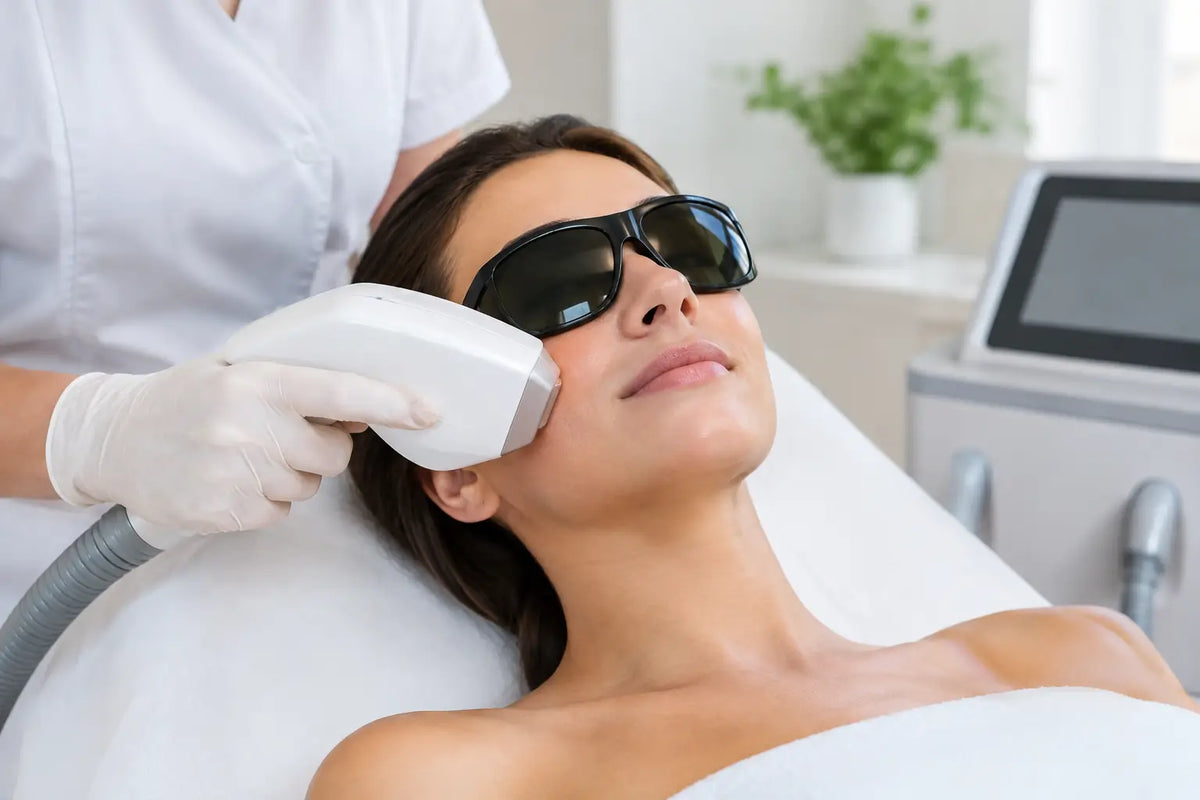
Beauty devices can feel like a more elevated option for shoppers who want salon-inspired self-care without recurring salon prices. Depending on the device and technology, these tools may be designed to support the appearance of tone, texture, or firmness.
Read the product instructions carefully and treat claims with common sense. A home device is not the same as a surgical procedure or a medical treatment. Results can vary by skin type, body area, consistency, and the specific device. If you are considering a device such as NOHA Sculpt, use it only as directed and make it part of a regular care routine rather than expecting one session to transform your body.
Movement that supports your goals
The most practical sculpting option is also the least glamorous: strength training. Building muscle can change how your body looks and feels over time, especially in the legs, glutes, arms, back, and core. It does not require a perfect gym routine either. Walking, resistance bands, bodyweight exercises, and a few dumbbells can all make a difference when done consistently.
Pairing movement with skin-focused care gives you a more complete approach. Your workout supports strength and body composition, while your body-care ritual supports smoothness, hydration, and confidence in the moment.
How to Choose the Right Option for You
Start with the result you actually want. If your goal is smoother-looking skin before vacation, massage, exfoliation, and hydration may be enough. If you want to feel stronger and see longer-term changes in shape, make movement the foundation and add body care as a confidence boost.
Then consider your lifestyle. The best home routine is not the most expensive one. It is the one you can stick with on a busy Tuesday night. A five-minute massage tool may be a better fit than a device that stays in a drawer because it feels complicated.
Your budget matters, too. Lower-cost options like dry brushing and body lotion can create a satisfying routine with very little upfront investment. A beauty device may make sense when you know you will use it regularly and want a more targeted at-home experience. Think in terms of cost per use, not just the checkout price.
A Simple Routine That Feels Manageable
You do not need a bathroom counter full of products to create a body-sculpting ritual. Choose one or two methods and make them easy to repeat.
Try dry brushing two or three times a week before showering, then apply a hydrating body cream while skin is still slightly damp. On alternate days, spend five minutes using a massage tool with body oil or lotion. Add strength-focused movement two to four times a week, based on your current fitness level and schedule.
Consistency matters more than intensity. Pushing too hard with a massage tool, over-exfoliating, or using a device more often than instructed can irritate skin and slow you down. Comfortable, steady care is what makes a routine sustainable.
Know When to Pause and Ask a Professional
At-home options are meant for cosmetic self-care, not for treating unexplained swelling, pain, lumps, severe cellulite changes, varicose veins, or skin conditions. Skip body tools over irritated, sunburned, injured, or recently treated skin.
If you are pregnant, have a medical condition, use prescription skin treatments, or have had recent surgery, check with a qualified health professional before introducing a device or intensive massage routine. A little caution protects both your comfort and your results.
Your body does not need fixing before you can care for it. Pick the option that makes you feel polished, comfortable, and more at home in your skin, then give yourself permission to enjoy the ritual.

Leave a comment
This site is protected by hCaptcha and the hCaptcha Privacy Policy and Terms of Service apply.