

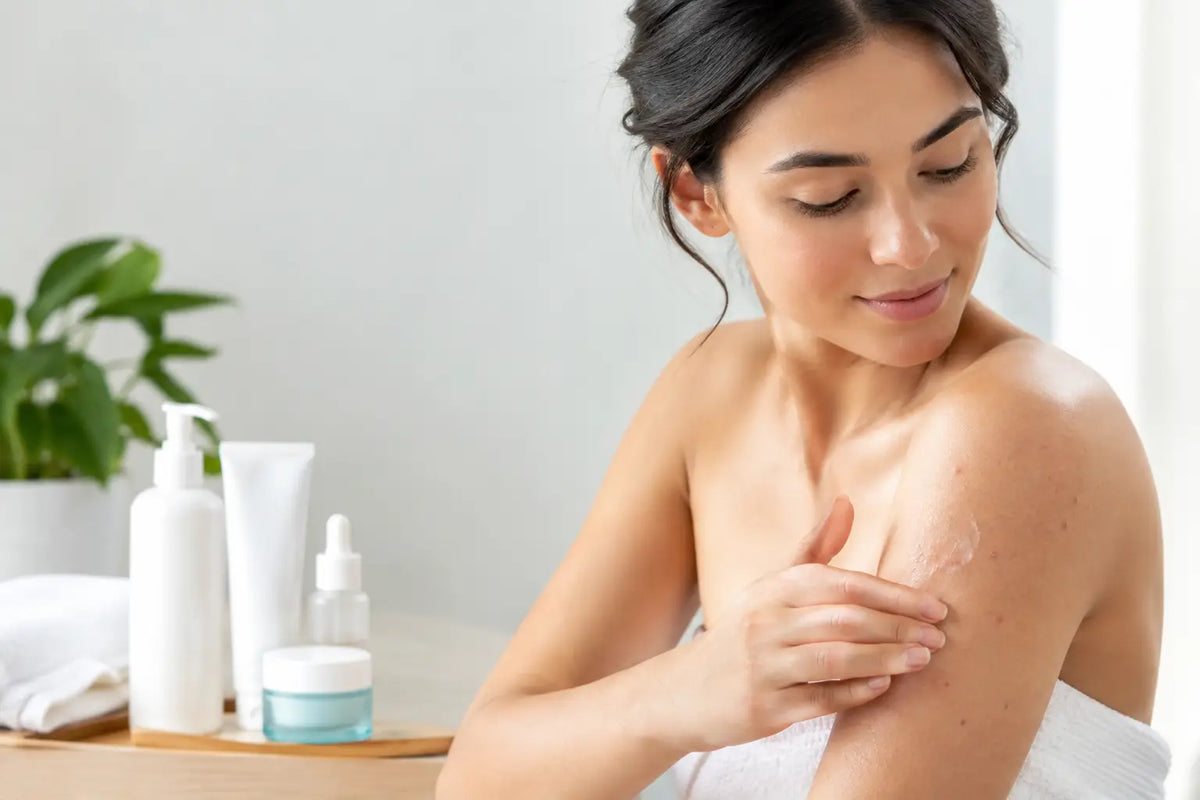
Back breakouts have a way of showing up when you want to wear the tank top, open-back dress, or swimsuit you actually bought for yourself. The good news is that a consistent body acne treatment guide can make a real difference. Body acne is common, treatable, and usually less about having a complicated routine than using the right products in the right order for long enough.
What Causes Body Acne?
Body acne happens when oil, dead skin cells, sweat, and bacteria collect inside pores. It can show up anywhere, but the chest, shoulders, upper arms, and back are the usual trouble spots because these areas have plenty of oil glands and are often covered by clothing.
Sweat is not automatically the problem. The issue is what happens when sweat sits on skin alongside friction, tight fabric, body oil, and product residue. A post-workout sports bra, a backpack strap, or even conditioner left on your back can keep pores irritated and congested.
Hormonal changes can also play a role, especially when breakouts flare around your period, during high-stress weeks, or after changing birth control. Genetics matter too. If your skin tends to produce more oil or clog easily, body breakouts may require a more intentional routine.
Start Your Body Acne Treatment Routine in the Shower
The shower is the easiest place to build your routine because treatment products can reach the areas where you need them most. Choose one active ingredient to begin with rather than layering multiple strong formulas right away. More is not always better, especially when irritated skin can look and feel worse.
Choose the Right Acne-Fighting Wash
A benzoyl peroxide body wash is often a strong starting point for red, inflamed pimples. It helps reduce acne-causing bacteria and can be especially helpful for breakouts on the back and chest. Let it sit on the skin for two to three minutes before rinsing, unless the product directions say otherwise.
Benzoyl peroxide has one trade-off: it can dry skin and bleach towels, washcloths, and clothing. Use white towels, rinse thoroughly, and start a few times a week if your skin is sensitive.
Salicylic acid is another smart option, particularly for small bumps, clogged pores, and rough texture. It works inside the pore to help loosen buildup. This can be a better fit if your body acne looks more like stubborn congestion than large, tender pimples.
If your skin is easily irritated, try using an acne wash every other day and a gentle, fragrance-free cleanser on the days between. Consistency beats harshness. Skin that is stripped and over-scrubbed can become more reactive, not clearer.
The Body Acne Treatment Guide for After Your Shower
Pat your skin dry instead of rubbing it aggressively. Then use a lightweight, non-comedogenic lotion if your skin feels tight. Skipping moisturizer may seem logical when you have acne, but dry skin can become irritated and uncomfortable, making it harder to stick to treatment.
For areas with ongoing breakouts, an acne spray can be useful because it reaches the center of your back without a balancing act in front of the mirror. Look for formulas with salicylic acid or other acne-focused ingredients, and apply only as directed. Give the product time to dry before getting dressed.
If you use a leave-on retinoid for acne, reserve it for nighttime and introduce it slowly. Retinoids can help keep pores clear, but they can also cause dryness and peeling in the beginning. Start two or three nights per week, use a light moisturizer, and avoid applying it to freshly shaved or irritated skin.
Pregnant or breastfeeding? Ask your healthcare provider before using retinoids or starting a new active treatment.
Small Habits That Can Keep Breakouts Coming Back
Your products matter, but what touches your skin every day matters too. If you work out, change out of sweaty clothing as soon as you can. You do not need a full shower the second your workout ends, but sitting in a damp sports bra or fitted top for hours gives sweat, friction, and oil more time to irritate your skin.
Wash workout clothes, bras, sleepwear, and sheets regularly. If chest or back acne is persistent, think about what may be transferring to those areas. Heavy hair oils, leave-in conditioners, styling creams, and even fragranced body products can contribute to clogged pores for some people.
A simple shower order can help: wash and rinse your hair first, clip it up, then cleanse your body last. That way, conditioner and styling-product residue are not left sitting on your shoulders or back.
Avoid harsh scrubs, loofahs that are not cleaned often, and picking at blemishes. Scrubbing does not force acne away. It can cause inflammation, dark marks, and a longer healing process. For the same reason, avoid squeezing deep painful bumps. Clear skin is the goal, but protecting your skin barrier is part of getting there.
Hair Removal and Body Breakouts: Be Strategic
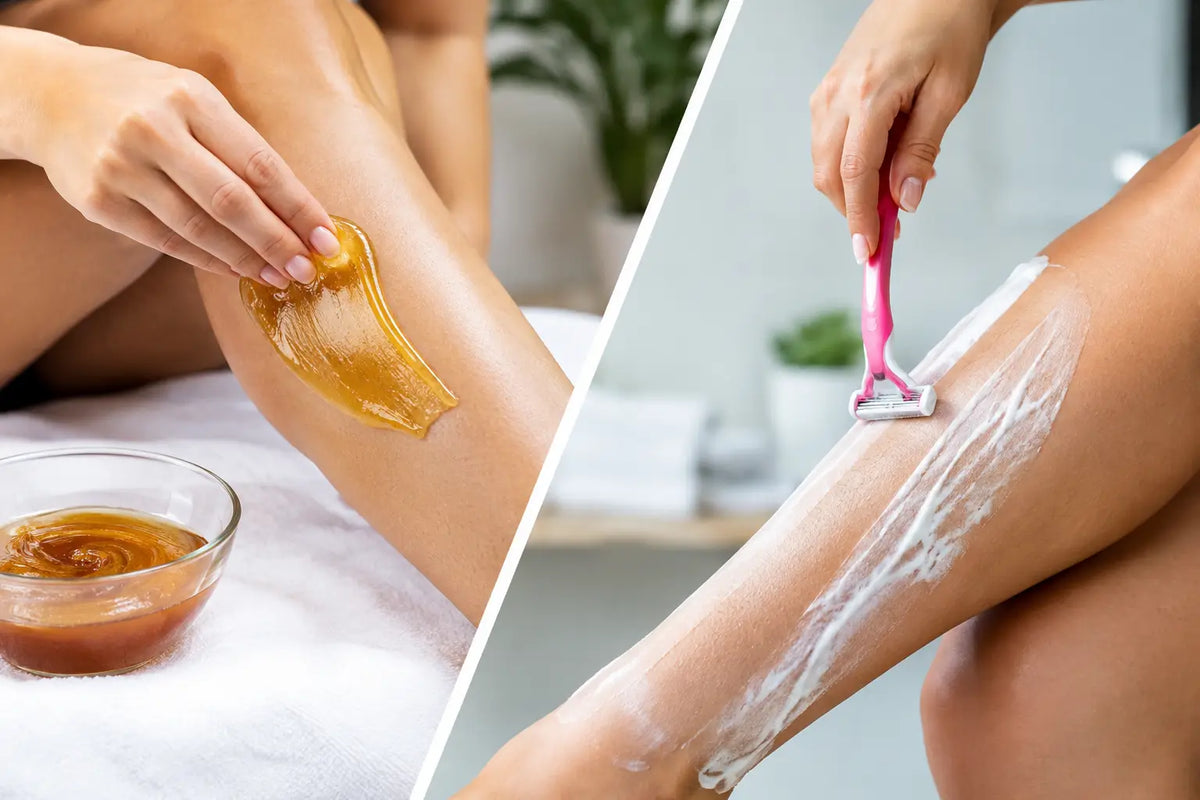
Shaving can irritate acne-prone skin, especially on the chest, bikini line, or underarms. A dull razor, dry shaving, and repeated passes can lead to razor bumps that look similar to acne but need a different approach. Use a clean, sharp razor, plenty of shave gel, and light pressure when shaving is necessary.
If you are prone to ingrown hairs and repetitive razor irritation, reducing how often you shave may help your skin feel calmer. At-home IPL hair removal can be a convenient long-term option for suitable skin tones and hair colors because it targets hair growth over a course of treatments, rather than requiring constant razor contact. Do not use IPL directly over active, irritated acne, open skin, or areas treated with potentially sensitizing products unless product instructions say it is safe.
For people who want smoother skin with less day-to-day shaving, NOHA offers at-home hair removal technology designed to make the routine feel simpler. The key is to treat hair removal and acne care as separate steps, giving irritated skin time to settle before adding another treatment.
Give Your Routine Enough Time to Work
Body acne rarely disappears overnight. Most people need four to eight weeks of steady use before they can judge whether a routine is helping. Take a photo of the affected area once a week in similar lighting instead of checking every blemish each day. Progress often looks like fewer new breakouts first, followed by fading marks over time.
Do not switch products every few days. If a product is not causing burning, swelling, rash, or severe itching, give it a fair chance. On the other hand, if your skin becomes very dry, painful, or visibly more irritated, scale back and simplify your routine.
When It Is Time to See a Dermatologist
At-home care is helpful for many mild to moderate cases, but deep, painful cysts, widespread breakouts, scarring, or acne that has not improved after a few months deserves professional support. A dermatologist can determine whether you are dealing with acne, folliculitis, eczema, or another condition that looks similar but requires a different treatment.
Get medical care sooner if breakouts are affecting your confidence, sleep, or comfort. You do not have to wait until the problem feels severe enough to “earn” help. Prescription treatments can be useful when over-the-counter products are not enough.
Clearer body skin is built through patient, low-drama consistency: cleanse after sweat, treat pores without overdoing it, protect your skin from friction, and give each step time to perform. Your favorite outfits should feel like an easy choice, not a skin-stress decision.

Leave a comment
This site is protected by hCaptcha and the hCaptcha Privacy Policy and Terms of Service apply.