

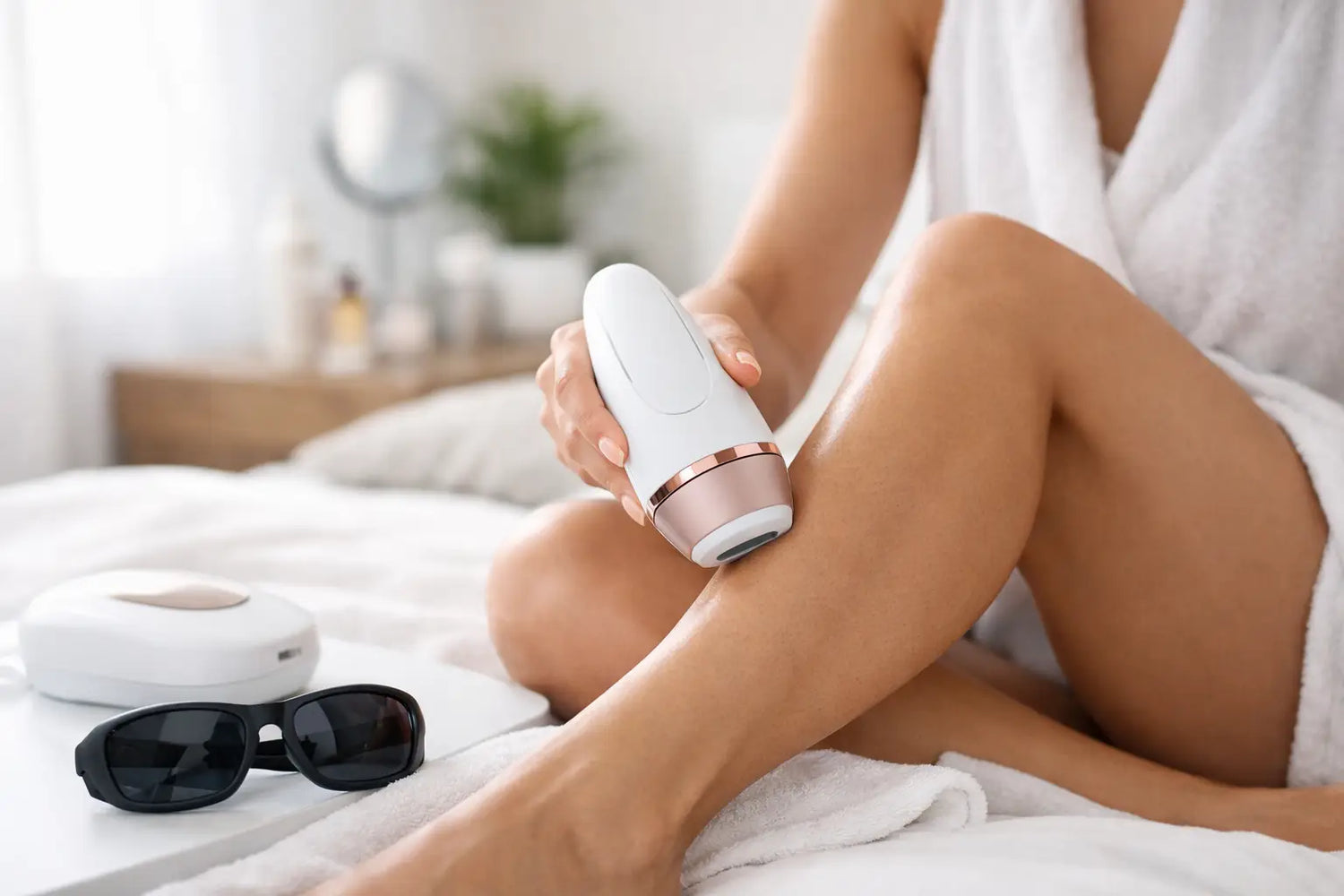
Shaving every other day gets old fast. So does booking waxes, dealing with stubble, and spending money on a routine that never really ends. This at home IPL hair removal guide is for anyone who wants a smoother, lower-maintenance option that fits real life - not salon schedules.
IPL has become a go-to choice for women who want long-term hair reduction without the hassle of constant grooming. The appeal is simple: treat at home, stay consistent, and over time deal with less hair, slower regrowth, and softer skin. It feels like a smarter trade than razors, wax strips, and expensive appointments, especially when convenience matters just as much as results.
What at-home IPL actually does
IPL stands for intense pulsed light. The device sends light into the hair follicle, targeting the pigment in the hair. That light converts to heat, which helps disrupt the follicle’s growth cycle so hair grows back more slowly and, over time, more sparsely.
This is why IPL is not a one-and-done treatment. Hair grows in cycles, and only some hairs are in the right stage to respond at any given time. That’s also why consistency matters more than intensity. A good routine beats random use every time.
For most users, the goal is not instant hair removal after one session. The real payoff is gradual, visible reduction with continued use. That means fewer touch-ups, less irritation from shaving, and a routine that starts demanding less from you instead of more.
Who this at-home IPL hair removal guide is for
At-home IPL tends to work best on naturally darker hair because the device targets pigment in the hair shaft. There needs to be enough contrast for the light to identify the hair effectively. Very light blonde, gray, red, or white hair usually responds less well.
Skin tone matters too. Many modern IPL devices are designed with built-in safety features and a range of energy levels, but not every device suits every skin tone. That’s why checking the brand’s skin tone chart and usage guidance is not optional. It’s part of using the device safely and getting the best result.
If you’re pregnant, taking medication that causes photosensitivity, have certain skin conditions, or have active irritation in the area you want to treat, it’s smart to pause and check with a medical professional first. IPL is straightforward for many users, but it is still a light-based treatment, so a little caution goes a long way.
What to do before your first session
The biggest mistake beginners make is treating IPL like shaving or waxing. It has its own prep routine, and getting that right helps everything go more smoothly.
Start by shaving the area you want to treat. This matters because IPL works best when the hair is below the surface, with the follicle still intact. If hair is left above the skin, some of the light energy can get wasted on the visible hair instead of reaching the target below. Avoid waxing, threading, or plucking before treatment because those methods remove the follicle that IPL needs to target.
Your skin should be clean and fully dry. Skip heavy lotions, oils, deodorant, and anything that leaves residue on the skin right before treatment. If it’s your first time using a device, do a patch test exactly as directed and wait the recommended time before going all in.
It also helps to avoid recent sun exposure or self-tanner before treatment. Tanned skin can affect how the light interacts with the area and may increase the chance of sensitivity. If your skin is freshly sun-exposed, wait until it returns to its usual tone.
How to use an IPL device at home
The process is easier than most people expect. Once your skin is prepped, choose the appropriate intensity level for your comfort and skin tone. If your device has a skin sensor, let it do its job. That extra safety step is there for a reason.
Place the treatment window flat against the skin and pulse the device section by section. Some areas are small and easy, like the upper lip or underarms. Others, like legs, go faster with a glide mode if your device offers one. The key is even coverage without repeatedly flashing the same spot in one session.
You should expect warmth or a light snapping sensation, but it should not feel unbearable. If it does, lower the setting or stop and reassess. More power is not always better. The right setting is the one that balances comfort, safety, and consistency.
After the session, your skin may look slightly pink for a short time. That can be normal, especially in sensitive areas. Keep post-treatment skincare simple and gentle.
The treatment schedule that gets results
This is the part people want to rush, but it’s where results are built. Most IPL routines start with a more frequent treatment phase, often once or twice a week depending on the device instructions, followed by maintenance sessions as regrowth slows.
You may notice some hairs seeming to grow before they shed. That can be part of the process. You may also see patchy reduction at first, which is normal because different follicles respond on different timelines. What matters is the trend over several weeks, not what happens after a single session.
A lot of users start seeing visible changes within the first few weeks, especially in areas like underarms or legs, but timing varies. Hormones, hair thickness, treatment area, and consistency all affect how quickly results show up. Bikini line hair may be more stubborn than leg hair. Facial hair can require extra patience. That doesn’t mean the device isn’t working. It means the body doesn’t treat every area the same.
Areas you can treat and areas to avoid
At-home IPL is commonly used on legs, arms, underarms, bikini area, stomach, and in some cases the face below the cheekbones. Always follow the device’s instructions for approved treatment zones.
Do not use IPL over tattoos, very dark moles, open wounds, irritated skin, or near the eyes. These aren’t small details. They’re basic safety rules. If an area has active acne, eczema flare-ups, cuts, or burns, wait until the skin has healed.
Sensitive areas can still be treatable, but start cautiously. Lower settings and careful technique usually make more sense than trying to power through discomfort.
What results actually feel like in real life
The best part of IPL is not just less hair. It’s less mental clutter. Less thinking about whether you shaved. Less irritation from daily razor use. Less calendar planning around waxing appointments.
Over time, many users notice that regrowth becomes finer and more spaced out. Skin often feels smoother because it is not being scraped by a razor every day or pulled by wax every few weeks. That can be especially appealing if you deal with post-shave bumps or recurring ingrown hairs.
There is a trade-off, though. IPL asks for patience early on. If you want instant smoothness for tonight, shave. If you want a longer-term shift in your routine, stick with IPL. It rewards consistency, not impulse.
Common mistakes that slow progress
The most common issue is quitting too early. People often expect a dramatic change after two or three sessions, then lose momentum. Hair reduction happens over time, so skipping weeks can drag out the process.
Another mistake is using the device on unshaved skin or after plucking and waxing. That gets in the way of how IPL is supposed to work. The wrong intensity can also cause problems. Too low and you may not get much effect. Too high and the treatment may feel uncomfortable enough to make you avoid it. The sweet spot is the highest setting you can use comfortably and safely according to the instructions.
And then there’s sun exposure. This one matters more than people think. If you’re treating regularly, protecting your skin from excess sun exposure helps keep your routine safer and more predictable.
Is at-home IPL worth it?
For many women, yes. If you’re tired of buying razors, replacing wax kits, or paying for recurring salon visits, at-home IPL can feel like a reset. It brings the process into your own schedule, your own bathroom, and your own budget.
That’s a big reason devices like the NOHA Device appeal to beauty shoppers who want professional-style results without the professional price tag. The value is not just in the device itself. It’s in what you stop paying for month after month.
Still, it depends on your hair color, skin tone, expectations, and willingness to stay consistent. IPL is not magic, and it is not the same for everyone. But for the right user, it can make hair removal feel dramatically easier.
If you’re ready to spend a little time now to save yourself a lot of upkeep later, that’s where IPL starts to make sense. Smooth skin is great. Needing to think about hair removal less often is even better.

Leave a comment
This site is protected by hCaptcha and the hCaptcha Privacy Policy and Terms of Service apply.