

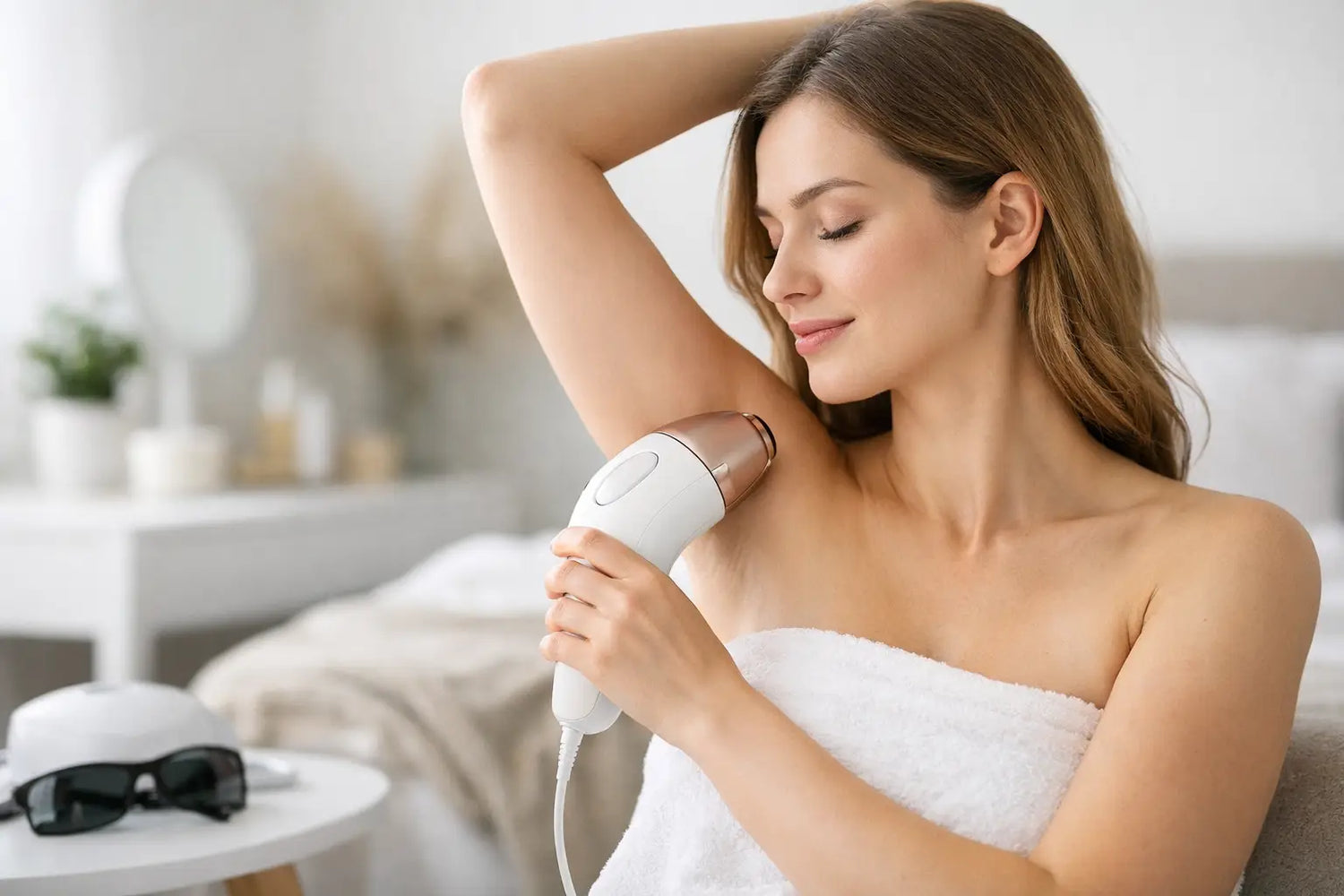
If your skin flares up after shaving, stings after waxing, or stays red for hours after hair removal, you are not imagining it. For many women, at home ipl for sensitive skin sounds almost too good to trust. The appeal is obvious - fewer ingrown hairs, less razor burn, and a smoother routine that does not depend on constant appointments. The real question is whether your skin can handle it.
The short answer is yes, but not every device, routine, or treatment schedule will feel the same. Sensitive skin is not just about pain tolerance. It is about how quickly your skin gets irritated, how long that irritation lasts, and how well your barrier recovers afterward. That is why a smart IPL routine matters as much as the device itself.
Why at-home IPL can be a better option for sensitive skin
Sensitive skin usually reacts badly to friction, heat, and repeated trauma. Shaving drags a blade across the skin. Waxing pulls hair out forcefully and can leave the area inflamed. Threading can be rough on delicate zones. Even when these methods work, they often create a cycle of irritation followed by quick regrowth.
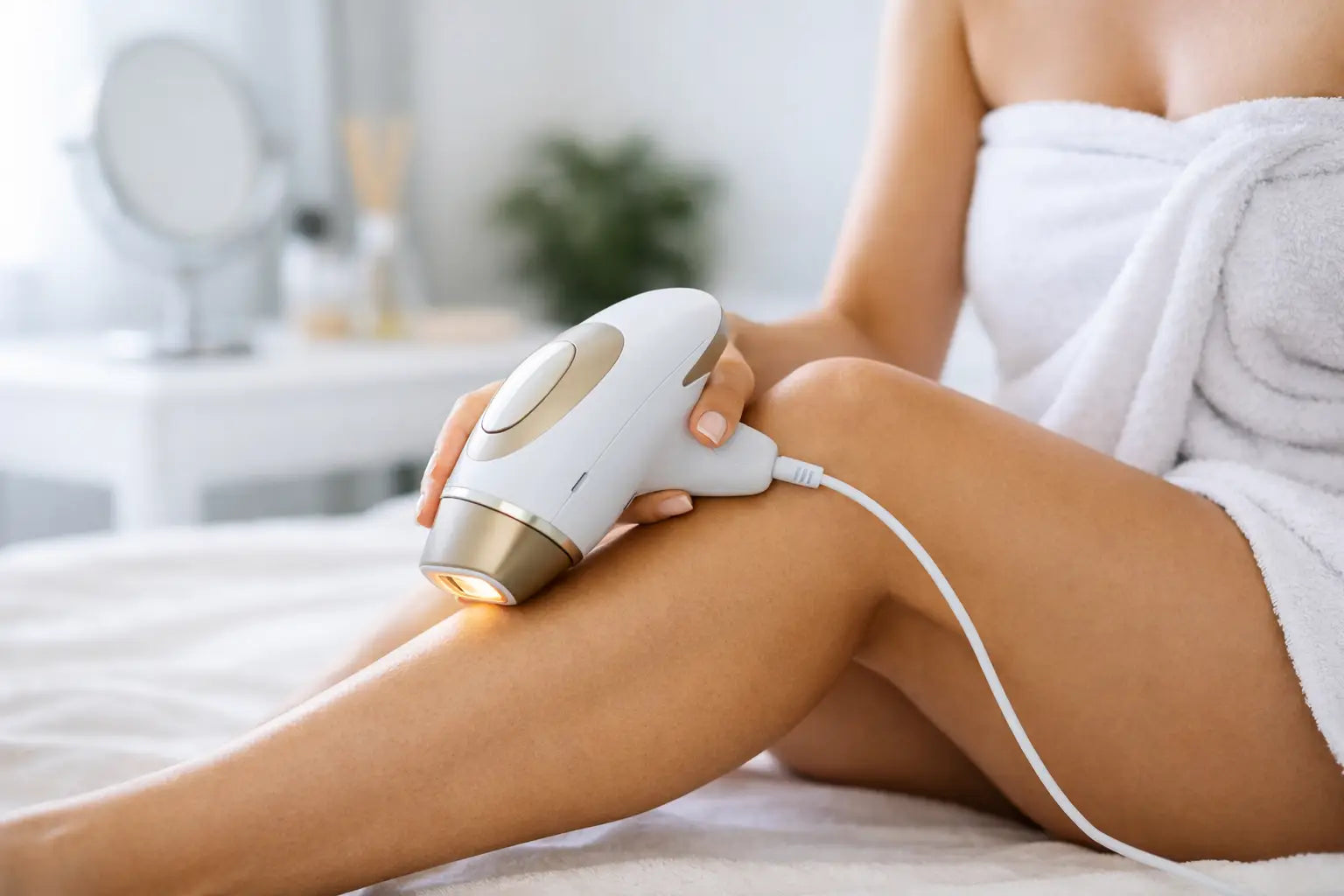
IPL can feel different because it targets the hair follicle with pulses of light instead of pulling or scraping at the surface. That does not mean it is completely sensation-free for everyone, but it often means less ongoing stress on the skin over time. When hair grows back slower and finer, you are not forced into the same daily or weekly battle with a razor.
That is where the long-term value really shows up. Sensitive skin often looks better when you simply leave it alone more often.
What sensitive skin should look for in an IPL device
Not all at-home devices are designed with comfort in mind. If your skin tends to react quickly, the best IPL device for sensitive skin is usually one that keeps things simple, controlled, and consistent.
A gentler experience often comes down to a few practical features. Skin tone sensing helps prevent using the device on skin tones it is not meant for. Adjustable intensity levels matter because sensitive skin does not need an all-or-nothing approach. A well-designed treatment window also helps you move quickly without repeatedly flashing the same area.
Comfort messaging is not just marketing fluff when the device actually supports it. A device made for easy at-home use, fast sessions, and pain-minimizing treatment can make the difference between sticking with your routine and quitting after week one.
That is part of the appeal behind devices like the NOHA Device, which are built around convenience, speed, and a more comfortable user experience. For shoppers who want salon-style results without salon pricing, those details matter.
At-home IPL for sensitive skin: what to do before your first session
The biggest mistake sensitive-skin users make is treating IPL like a quick beauty experiment. If your skin is reactive, prep is not optional.
Start with a patch test exactly as directed by the device instructions. Do not skip this because you are excited or because you have used other hair removal methods before. Sensitive skin can surprise you, and a patch test gives you a clearer picture of how your skin responds to both the light and the heat.
Your skin should be clean, dry, and freshly shaved before treatment. That part matters. IPL works best when the hair is below the surface, not sitting above it. Waxing or plucking before treatment is counterproductive because the light targets pigment in the hair follicle.
It is also smart to avoid harsh exfoliants, retinoids, and strong acids for a day or two before your session, depending on how reactive your skin is. If your barrier already feels tight, itchy, or compromised, wait until it calms down. IPL should not be layered on top of irritation.
How to use IPL without triggering extra irritation
The safest approach for sensitive skin is not the most aggressive one. Start low. See how your skin responds. Then increase only if your device instructions allow it and your skin stays comfortable.
This is where patience pays off. Some people assume stronger settings always mean faster results. In reality, a lower setting used consistently is often better than pushing your skin too hard and needing long recovery time between sessions.
Try treating in the evening if your skin tends to get flushed during the day. That gives your skin time to settle overnight. After treatment, use a simple fragrance-free moisturizer if your skin likes it, and avoid hot showers, intense workouts, or anything else that leaves the area overheated for the rest of the day.
If you are treating underarms, bikini line, or other high-friction zones, wear loose clothing afterward. Sensitive skin does not just react to the light pulse. It reacts to rubbing, sweat, and heat too.
Areas that may need extra caution
Some parts of the body are naturally easier to treat than others. Legs and arms are often more straightforward because the skin is less delicate and easier to access evenly. The underarms and bikini line can be more reactive because the skin is thinner, hair is coarser, and friction is harder to avoid.
That does not mean these areas are off-limits. It just means your settings, timing, and aftercare may need to be more conservative. If one area handles treatment well and another gets red easily, listen to that difference. Sensitive skin is rarely identical everywhere.
Your face also deserves extra care. Only treat facial areas if your device is clearly approved for it and your skin tone and hair color fall within the recommended range. If you are using active skincare regularly, facial IPL may require even more caution.
What results should you realistically expect?
Sensitive skin shoppers often want two things at once - smoother skin fast and zero irritation. Sometimes you can get both, but not always immediately.
Most users need a series of treatments before they notice significant hair reduction. In the early phase, consistency matters more than perfection. Hair may grow back patchy at first. Some areas respond faster than others. Coarser hair can take longer. That is normal.
The bigger win for sensitive skin is often not just less hair. It is less shaving, fewer bumps, fewer ingrown hairs, and less constant recovery time. Even before you reach your final result, the routine can feel easier.
That said, IPL is not one-size-fits-all. Results depend on your skin tone, hair color, device quality, and how closely you follow the treatment schedule. People with darker hair and lighter skin often respond best, while very light blonde, gray, or red hair may not respond well because there is less pigment for the light to target.
When at-home IPL may not be the right move
At-home IPL is a strong option for many women with sensitive skin, but there are cases where you should pause and get professional guidance first. If you have a skin condition that is actively flaring, a history of light sensitivity, or you are using medications that make skin more reactive to light, IPL may not be the right next step without medical advice.
The same goes for skin that is sunburned, freshly tanned, broken, or inflamed. The best time to start is when your skin is calm. Sensitive skin already has a lower threshold for stress. There is no benefit in forcing treatment on a bad day.
The smartest way to think about at-home IPL for sensitive skin
The goal is not to prove your skin can tolerate the highest setting. The goal is to build a hair removal routine that leaves your skin looking smoother and feeling less irritated week after week.
That is why at-home IPL for sensitive skin works best when you choose a device designed for comfort, start cautiously, and stay consistent. You are not chasing a one-night transformation. You are replacing a cycle of shaving, waxing, and skin flare-ups with something more manageable.
For women who are tired of planning life around razors, bumps, and regrowth, that shift can feel bigger than just hair removal. It can feel like getting your time, comfort, and confidence back.
If your skin has been asking for a gentler routine, this may be the moment to finally give it one.

Leave a comment
This site is protected by hCaptcha and the hCaptcha Privacy Policy and Terms of Service apply.