

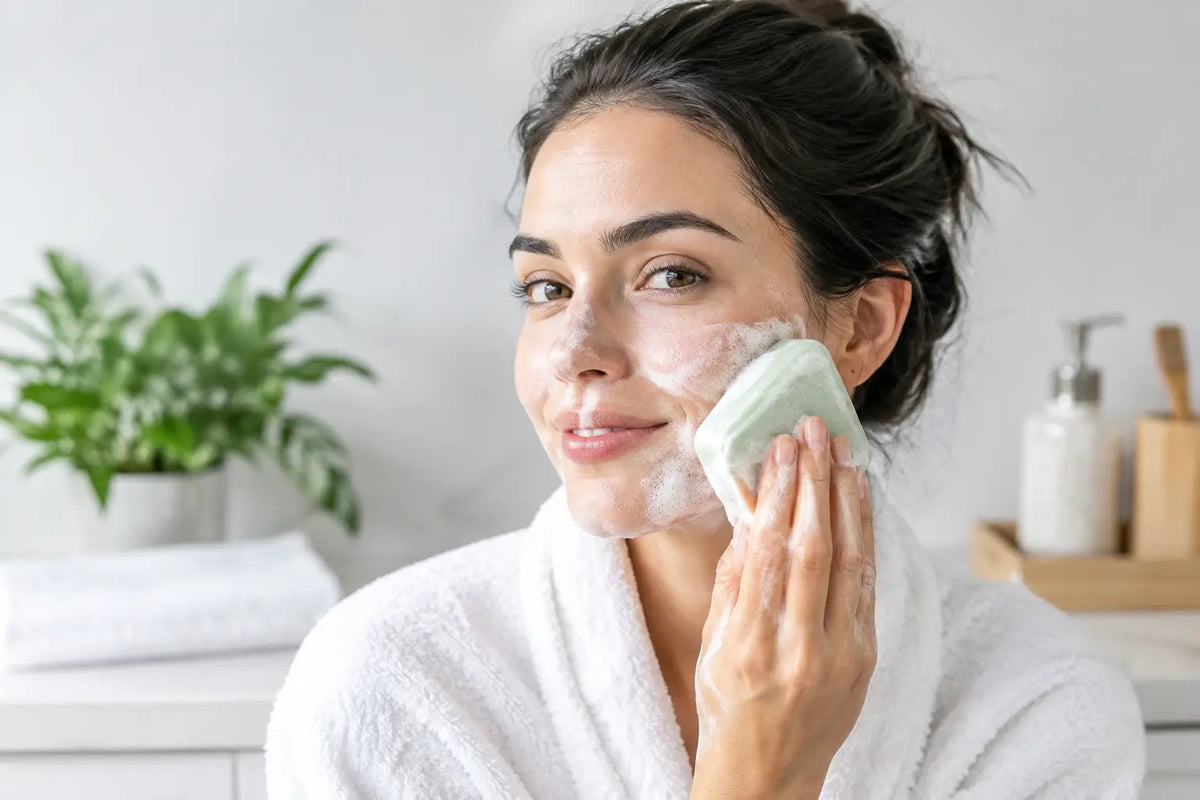
A great acne bar can make your shower routine feel like a reset. But using acne bars correctly is what separates a calm, clearer-looking complexion from skin that feels tight, irritated, and ready to break out again. The goal is not to scrub your face into submission. It is to cleanse consistently, protect your skin barrier, and give acne-fighting ingredients enough time to work.
What an Acne Bar Can Do for Breakout-Prone Skin
Acne bars are cleansing bars made for skin that deals with clogged pores, excess oil, active blemishes, or body breakouts. Depending on the formula, they may include ingredients such as salicylic acid, sulfur, benzoyl peroxide, charcoal, or gentle exfoliating components. Each works a little differently, but the shared goal is simple: help remove buildup that can contribute to breakouts while keeping your skin clean and fresh.
That said, an acne bar is not meant to replace every product in your routine. Think of it as your cleansing step, not your entire treatment plan. If you use a strong bar alongside harsh scrubs, multiple acne serums, and a drying toner, your skin can become overwhelmed. Irritation can look like more acne, especially when redness and rough texture enter the picture.
The best approach is steady, not aggressive. A simple routine you can actually maintain will do more for your skin than switching products every few days.
Using Acne Bars Correctly: Your Daily Routine
Start by washing your hands. It sounds basic, but you do not want to transfer makeup, oil, or bacteria from your fingers onto your face before you cleanse.
Wet your face or body with lukewarm water. Skip hot water, which can strip the skin and leave it feeling dry or sensitive. Then create a light lather with the bar in your hands. For most people, applying the lather is gentler than rubbing the bar directly over the face, especially if you have inflamed pimples or sensitive areas.
Massage the lather over the skin with light fingertips for about 20 to 30 seconds. Focus on areas where oil and breakouts tend to show up, such as the forehead, chin, jawline, chest, back, shoulders, or bikini line. Do not pick at blemishes or press hard around clogged pores. Friction can make active breakouts look angrier and may increase the chance of dark marks lingering afterward.
Rinse thoroughly, then pat your skin dry with a clean towel. Do not rub. Follow with a lightweight, non-comedogenic moisturizer while your skin is still slightly damp. Yes, oily and acne-prone skin still needs moisture. When skin becomes overly dry, it may produce more oil in response, which is not the cycle you want.
If you are using an acne bar on your face for the first time, begin once a day, preferably in the evening. If your skin stays comfortable after a week or two, you may be able to use it morning and night. It depends on the formula, your skin type, and the other active products in your routine. For body acne, daily use may be comfortable, but it is still smart to start slowly.
Give Active Ingredients Their Space
The biggest routine mistake is piling on too many acne treatments at once. If your bar contains exfoliating or acne-fighting ingredients, be careful about immediately layering other strong products, particularly retinoids, exfoliating acids, benzoyl peroxide, or physical scrubs.
You do not necessarily need to avoid every active ingredient forever. You just need a routine that your skin can tolerate. For example, you might use your acne bar at night and save a retinoid for alternate evenings. Or you may use a simpler cleanser on the days your skin feels dry. Clearer skin should not come at the expense of a burning, peeling complexion.
How Often Should You Use an Acne Bar?
There is no single answer because acne-prone skin can be oily, dry, combination, sensitive, or all of those at different times of the month. Your skin’s response matters more than trying to force a strict schedule.
Use your bar once daily if you are new to active skincare, have sensitive skin, use prescription acne treatments, or notice dryness after washing. Use it twice daily only if your skin feels balanced and the product directions support it. If your face becomes stinging, flaky, unusually red, or tight for hours after cleansing, scale back.
For chest and back breakouts, let the lather sit briefly before rinsing, as long as the formula instructions allow it and your skin is not becoming irritated. This is especially useful after workouts, humid days, or wearing tight clothing that traps sweat against the skin. Change out of sweaty clothes as soon as you can. An acne bar can help cleanse the skin, but it cannot fully offset friction, sweat, and repeated re-wearing of workout gear.
Common Mistakes That Keep Skin Stuck
Using more product does not mean getting faster results. In fact, a few common habits can make your routine less effective.
First, do not leave a cleansing bar on your face for several minutes unless the label specifically says to use it as a treatment mask. Cleansers are made to be rinsed away. Extra contact time can mean extra irritation, not extra results.
Second, do not use an acne bar like a body scrub. Rough washcloths, cleansing brushes, and aggressive circular motions can disrupt your skin barrier. Gentle cleansing is enough.
Third, keep the bar clean and dry between uses. Store it on a draining dish rather than letting it sit in a puddle of water. This helps the bar last longer and keeps your shower shelf less messy.
Finally, do not skip sunscreen. Acne treatments can leave skin more vulnerable to irritation from sun exposure, and sunlight can make post-breakout dark spots appear more noticeable. Use a broad-spectrum SPF 30 or higher every morning, even when your main concern is oil or blemishes. Choose a lightweight formula labeled non-comedogenic if you are worried about clogged pores.
When to Slow Down or Ask for Help
A little dryness when starting a new acne product can happen, but intense burning, swelling, hives, or persistent peeling are signs to stop using it. Patch testing on a small area of skin before full use is a smart move, especially if you know your skin reacts easily.
If you are pregnant, breastfeeding, using prescription treatments, or managing a skin condition such as eczema or rosacea, check with a dermatologist or healthcare professional before introducing strong acne ingredients. And if you have deep, painful breakouts, scarring, or acne that is not improving after several weeks of consistent care, professional guidance can make a real difference.
For everyday breakouts, consistency is the real beauty shortcut. A bar such as NOHA The Acne Solution can fit easily into a simple at-home routine, but it works best when you give your skin time, moisture, and a little patience. Start gently tonight, stay consistent for a few weeks, and let your skin show you what it needs.


Deja un comentario
Este sitio está protegido por hCaptcha y se aplican la Política de privacidad de hCaptcha y los Términos del servicio.