

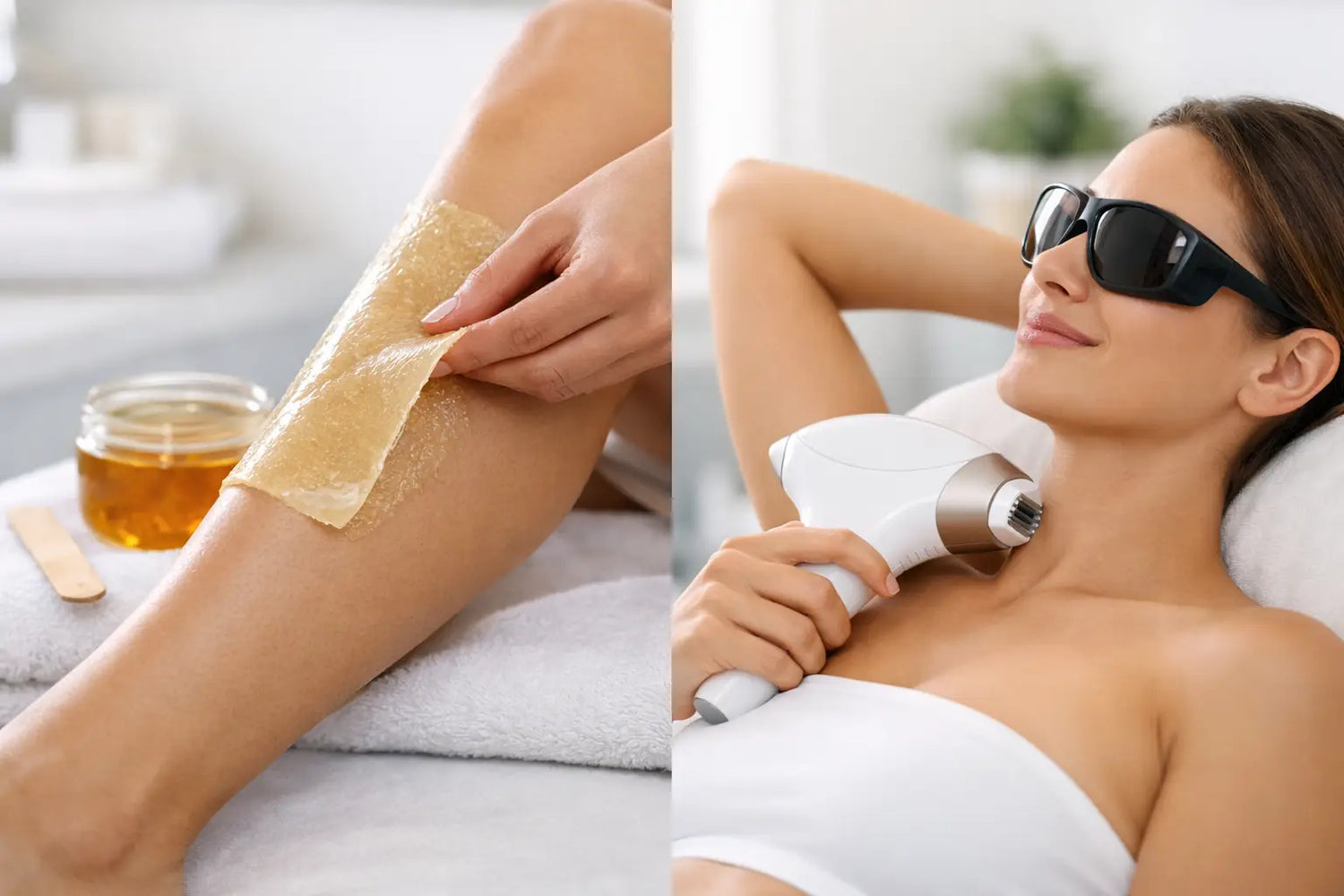
You know the moment - your wax appointment is coming up, your skin is already feeling irritated, and you’re wondering why smooth skin still takes this much effort. If you’re thinking about switching from waxing to IPL, the biggest change isn’t just how you remove hair. It’s how much less often you have to think about it.
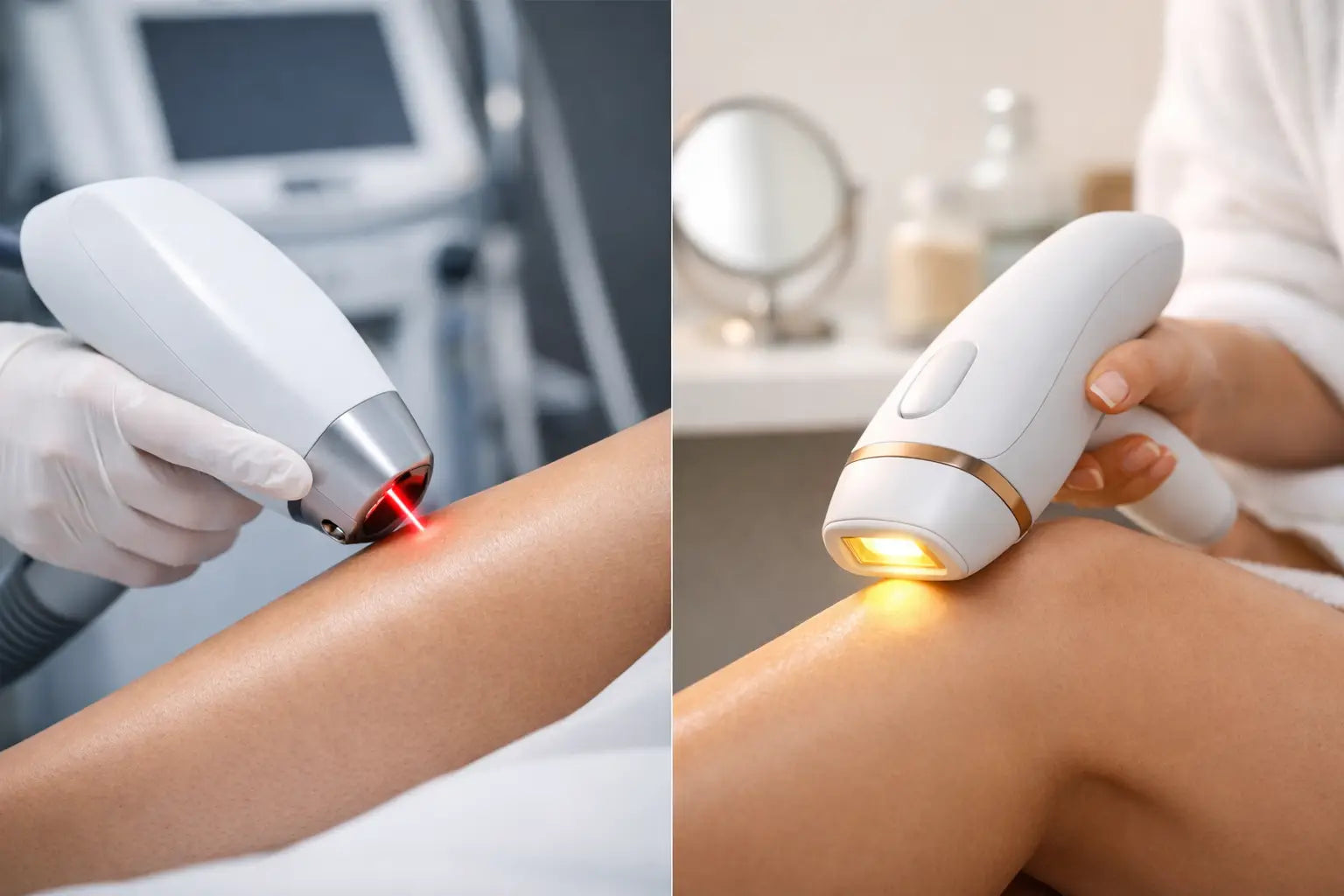
Waxing gets results fast, but it also locks you into a cycle. You wait for regrowth, book the appointment, deal with the pull, manage the redness, and do it again a few weeks later. IPL works differently. Instead of removing hair at the surface all at once, it targets the hair follicle over time to help reduce future growth. That difference is exactly why so many women make the switch.
Why switching from waxing to IPL feels like a lifestyle upgrade
Waxing is familiar, and that matters. You know how long it takes, what it costs, and what the results look like right after. But familiarity is not the same as convenience.
The biggest reason people move away from waxing is the constant maintenance. You have to let the hair grow out before every session, which means spending part of every month in that awkward in-between stage. If you like smooth underarms, legs, bikini line, or face on your own schedule, waxing can start to feel like it’s running your routine.
IPL is appealing because it flips that rhythm. You shave, treat the area, and repeat based on a schedule designed to reduce regrowth over time. Instead of waiting for enough hair to come back so it can be ripped out again, you’re working toward needing less hair removal in the first place.
That’s also where the cost conversation changes. A single wax might seem manageable, but years of appointments add up fast. IPL usually asks for more commitment upfront, then rewards consistency with long-term savings. For women who are tired of paying over and over for temporary results, that trade-off makes sense.
What actually changes when you stop waxing
The first shift is your timeline. With waxing, you remove visible hair immediately. With IPL, you commit to a series of treatments because the goal is gradual reduction. That means patience matters.
You may still see hair during the early stages of IPL use, but that doesn’t mean it isn’t working. Hair grows in cycles, and IPL is most effective when it catches the follicle at the right stage. This is why repeated sessions matter. Results build over time rather than showing up in one dramatic moment.
The second shift is comfort. Many women put up with waxing pain because they assume it’s the price of smooth skin. IPL is often much more comfortable, especially compared to repeated waxing on sensitive areas. Sensation varies by device, skin tone, hair color, and treatment area, but for many users it feels more manageable than a wax strip.
The third shift is control. You’re no longer scheduling your life around salon appointments or trying to fit a wax into an already full week. At-home IPL gives you privacy, flexibility, and a routine that can be done when it works for you.
How to prepare before switching from waxing to IPL
This is the part people often miss. You can’t go straight from a fresh wax to an IPL session and expect the best outcome.
IPL needs the follicle to be present under the skin so the light can target it. Waxing removes hair from the root, which means there’s nothing there for the device to treat right away. That’s why you need a waiting period after waxing before starting IPL. In most cases, you’ll want to stop waxing and allow the follicles to return.
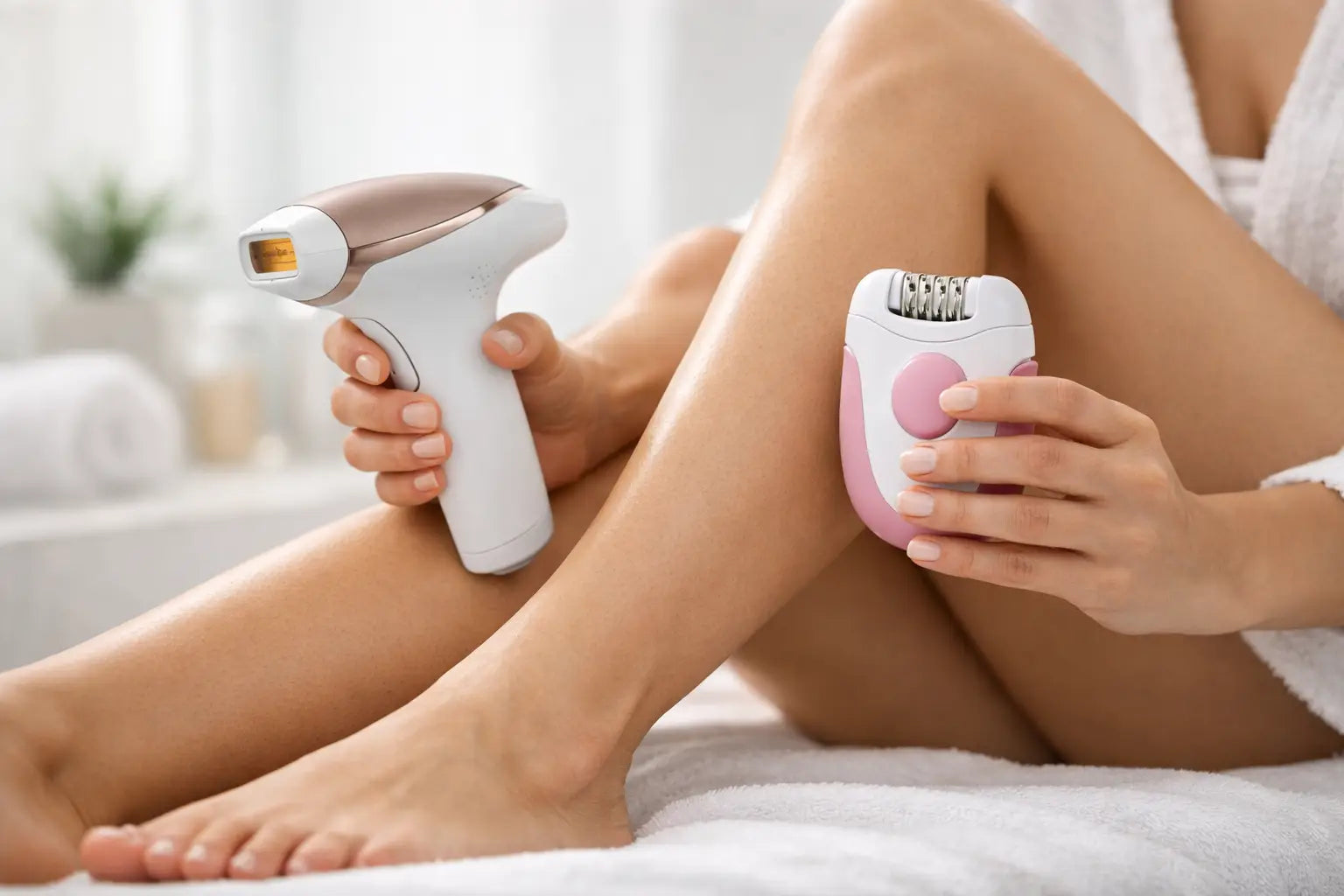
During that transition, shaving becomes your go-to method. Shaving keeps the follicle intact, which is what IPL needs to work. If you’ve been loyal to waxing for years, this adjustment can feel strange at first. But it’s temporary, and it supports the bigger goal of reducing hair growth over time.
Before you begin, check whether your skin tone and hair color are suitable for IPL. These devices generally work best when there is enough contrast between the pigment in the hair and the surrounding skin. Very light blonde, gray, red, or white hair may not respond as well. Certain skin tones may also require extra caution depending on the device.
You’ll also want clean, dry skin before treatment, without heavy lotions, self-tanner, or products that may increase sensitivity.
What the first few weeks of IPL are really like
If you’re used to waxing, the early IPL phase can test your expectations. You’re not walking out of an appointment instantly hair-free for weeks. You’re building toward a lower-maintenance future.
Most people start with a consistent treatment schedule over several weeks. You shave first, use the device, and stay regular. This is where discipline pays off. Missing sessions can slow your progress because hair follicles are being targeted across different growth stages.
Some hairs may appear to grow as usual at first. Some may shed. Some areas may respond faster than others. Underarms and lower legs often become favorites because they’re easy to monitor, while hormonal areas like the face can sometimes take more patience.
This is also when many women realize how much they disliked waxing in ways they had normalized. No booking. No grow-out period. No sticky cleanup. No bracing for the pull. Just a straightforward self-care step that fits at home.
IPL vs waxing: the trade-offs that matter
Waxing still has one clear advantage - immediate visible removal from the root. If you need a one-time result for a trip, event, or last-minute plan, waxing can feel satisfying because the skin is smooth right away.
But the downside is built into the method. Hair comes back, appointments keep coming, and the cycle repeats. Some people also deal with ingrown hairs, irritation, or sensitivity, especially in areas that are waxed often.
IPL asks for more consistency in the beginning, but it’s working toward something waxing does not offer: long-term reduction. That makes it especially attractive for women who are done with high-maintenance beauty routines.
There is an it-depends factor here. If you are pregnant, taking certain medications, have very sensitive skin, or have a skin tone and hair color combination that is not ideal for IPL, you may need to talk to a professional or review the device guidance carefully before starting. The right method is the one that fits your skin, goals, and comfort level.
Is at-home IPL worth it if you’ve been waxing for years?
For many women, yes - especially if your biggest frustrations with waxing are pain, scheduling, and ongoing cost.
At-home IPL is not about chasing a fancy gadget. It’s about buying back time. When your routine stops revolving around regrowth and appointments, everything feels easier. Getting dressed, planning a beach day, packing for a weekend trip, even deciding to wear shorts on a random Tuesday becomes less of a production.
That’s why the best IPL devices resonate so strongly. They make professional-style hair reduction feel more accessible, more affordable, and much easier to keep up with at home. A device like the NOHA Device is designed around exactly that promise - smoother skin without the salon calendar or salon price tag.
If you’ve been waxing for years, you may actually be the kind of person who appreciates IPL the most. You already know what repetitive hair removal costs in time, money, and discomfort. You’re not looking for another temporary fix. You’re looking for less upkeep.
How to make the switch successfully
Keep your expectations clear from day one. Stop waxing, shave instead, follow the treatment schedule, and give it time to work. Don’t judge IPL by the standards of a same-day wax result. Judge it by what happens after weeks and months of steady use.
Take progress photos if you need motivation. Hair reduction can happen gradually enough that you don’t notice every small change in real time. Looking back helps you see the difference.
And don’t treat consistency like an optional extra. With IPL, your routine is your results. The women who tend to love it most are usually the ones who stick with it long enough to let the technology do its job.
If waxing has started to feel like a chore you’re tired of paying for, that feeling is probably telling you something useful. Smooth skin should feel freeing, not like another appointment you have to survive.

Deja un comentario
Este sitio está protegido por hCaptcha y se aplican la Política de privacidad de hCaptcha y los Términos del servicio.