


If you are tired of planning your life around razors, wax appointments, and fast-growing stubble, this permanent hair reduction guide is for you. The goal is simple - less hair, less maintenance, and smoother skin without turning hair removal into a weekly chore. For many women, that means moving away from temporary fixes and choosing a method that actually reduces regrowth over time.
What permanent hair reduction really means
Let’s clear up the biggest point first. Permanent hair reduction does not always mean every single hair disappears forever after a few sessions. It means a long-term reduction in the amount, thickness, and speed of hair growth.
That difference matters because it sets realistic expectations. The best methods can leave you with dramatically less hair and far less upkeep, but hormones, skin type, hair color, and consistency all affect results. For most people, the real win is not perfection. It is freedom from constant shaving, painful waxing, and expensive appointments.
The best permanent hair reduction guide starts with the right method
Not all hair removal methods are built for long-term results. Shaving cuts hair at the surface, so regrowth shows up fast. Waxing and threading pull hair from the root, but they do not target the follicle in a way that meaningfully slows growth forever. You still end up repeating the same cycle.
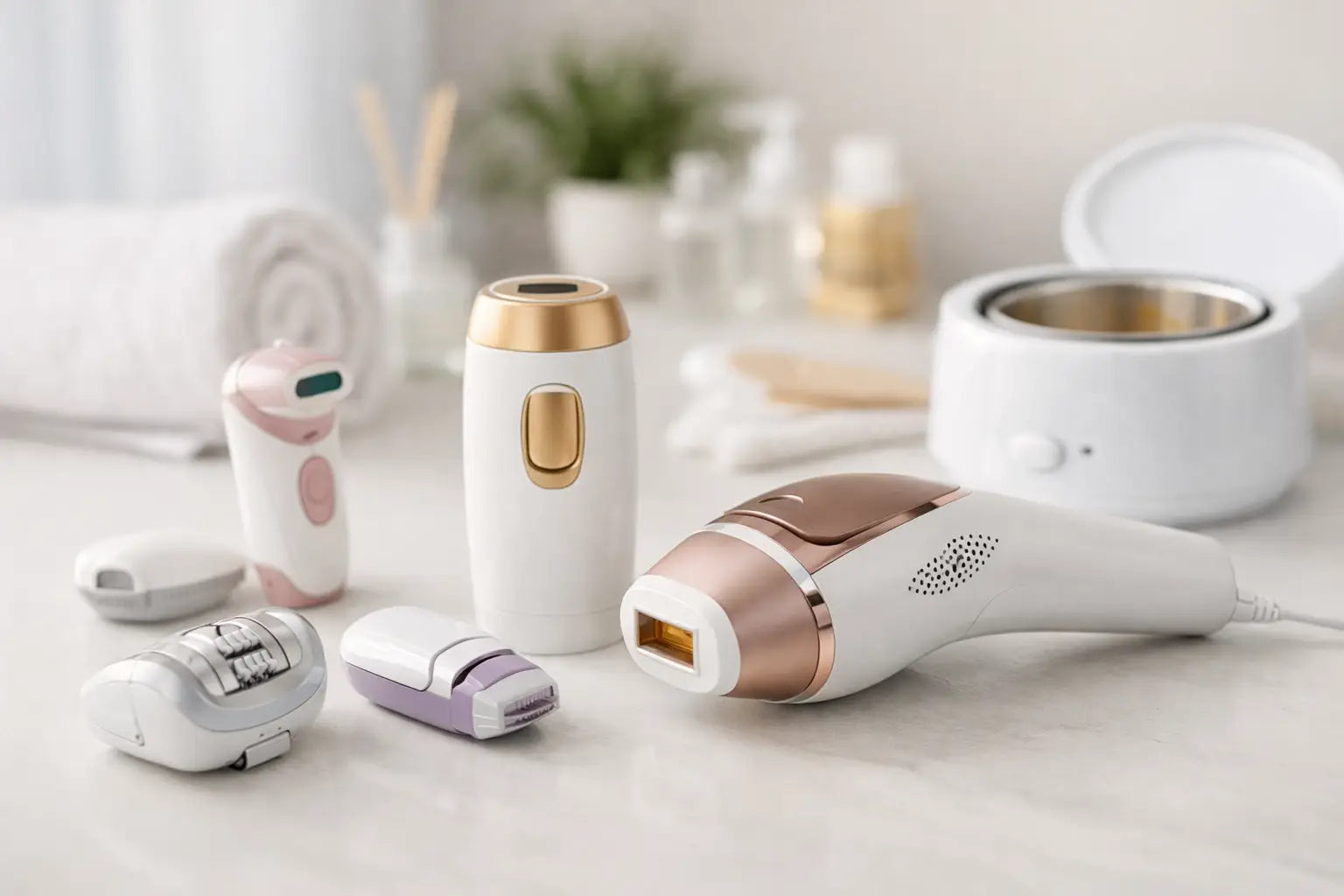
Light-based hair reduction is different. IPL and laser treatments work by sending light energy into the pigment in the hair. That energy reaches the follicle and helps disrupt future growth. Over a series of treatments, many hairs grow back finer, slower, or not at all.
Clinic laser treatments are often seen as the premium option, but they come with a premium price and a schedule that is hard to maintain. At-home IPL has become a smart alternative because it gives you more control, more convenience, and a much lower cost over time. For women who want professional-style results without salon pricing, this is usually the sweet spot.
IPL vs laser - what is the difference?
People often use these terms like they mean the same thing, but there is a difference. Laser uses a more concentrated single wavelength of light. IPL, or intense pulsed light, uses a broader spectrum of light. Both are designed to target pigment in the hair follicle.
In practical terms, clinic laser may be stronger per treatment, but at-home IPL wins on convenience and affordability. You can stay consistent, treat on your own schedule, and avoid the ongoing cost of appointments. That matters because consistency is a big part of getting visible results.
IPL is especially appealing for anyone who wants smoother skin without the pain and inconvenience often associated with waxing. A good device should feel easy to use, comfortable, and realistic for real life. If a treatment fits your routine, you are much more likely to stick with it.
Who gets the best results
This is where honesty matters. Light-based hair reduction works best when there is strong contrast between the hair and the skin. Darker hair tends to respond better because the pigment gives the light more to target. Very light blonde, gray, red, or white hair is usually harder to treat effectively.
Skin tone also matters. Some devices are designed for a wider range of tones, but not every device is right for every person. That is why checking the brand’s guidance before you start is not optional. The safest approach is always to make sure your device is suitable for your skin tone and hair color combination.
Hormonal areas can also be more stubborn. The face, bikini line, and areas affected by conditions like PCOS may need more sessions and more maintenance. That does not mean the treatment is failing. It means some hair is simply more persistent.
How to use an at-home device for better results
A permanent hair reduction guide is only useful if it helps you get results faster and with less frustration. The biggest mistake people make is treating once or twice, then stopping too early.
Start with clean, dry skin. Shave the area before treatment unless the device instructions say otherwise. Do not wax or tweeze first, because the follicle needs to be present for the light to target it. Then use your device on the recommended setting and schedule.
Most people begin with regular weekly or biweekly treatments during the starting phase. After that, maintenance sessions are used as needed. The timeline varies, but many users start noticing slower regrowth and patchier hair after several sessions. The full payoff usually comes with consistency, not instant transformation after one use.
This is where an at-home system becomes so attractive. You are not trying to fit your results around salon hours. You can treat your legs before bed, touch up underarms in minutes, and build the process into your normal self-care routine.
What to expect during the process
The early stage is about interruption, not perfection. Hair may still grow, but often it comes back thinner and more uneven. Some spots respond quickly, while others take longer. That uneven progress is normal.
You may also notice shedding, where treated hairs gradually fall out after a session. This can make it seem like growth is behaving strangely at first, but it is part of the process. The important thing is to keep going on schedule instead of switching methods every two weeks.
Comfort level matters too. Many women avoid long-term hair reduction because they assume it will be painful. Modern at-home IPL devices are designed to be much more comfortable than waxing and far more manageable than many expect. That ease makes a real difference when you want results that last.
Common mistakes that slow progress
One of the biggest problems is treating over unshaved hair. That can reduce effectiveness and make the experience less comfortable. Another common issue is skipping sessions because regrowth seems improved. Ironically, that is often the moment when consistency matters most.
Using the wrong intensity setting can also hold you back. Some people choose the lowest setting forever because they are nervous, even when their skin can tolerate more. Others go too high too fast. The right approach is to follow the device guidance and increase only when appropriate.
Sun exposure is another factor people ignore. Tanned or recently sun-exposed skin can be more sensitive, and treating at the wrong time may not be recommended. A little planning goes a long way here.
Is permanent hair reduction worth it?
For most women who are spending money and time on shaving, waxing, or threading, yes. The value is not just in fewer hairs. It is in fewer last-minute razor emergencies, fewer ingrown hairs from constant maintenance, and fewer appointments eating into your week.
There is also the long-term cost angle. Clinic sessions can add up quickly. Waxing never really ends. Razors, creams, and replacements seem cheap in the moment, but over the years they are not. A quality at-home IPL device can be the more practical investment if you want ongoing results without ongoing salon bills.
That is one reason brands like NOHA connect so strongly with women who want smooth skin without the professional price tag. The appeal is not complicated - use it at home, stay consistent, and trade repetitive grooming for a lower-maintenance routine.
A realistic permanent hair reduction guide for busy women
If your routine is packed, the best solution is the one you will actually use. That is why at-home IPL stands out. It fits around work, kids, travel, and everything else competing for your time. You do not need a standing appointment or a huge budget to start making progress.
The trade-off is that you need patience and consistency. At-home treatments are convenient, but they are not magic after one session. You are choosing gradual, long-term payoff over short-term quick fixes. For most women, that is a trade worth making.
The smartest way to think about permanent hair reduction is this - you are not chasing a one-time miracle. You are building a routine that gives you smoother skin, less regrowth, and more freedom over time. And once you stop having to think about hair every few days, that freedom feels like the real result.
If you are ready for less shaving, less waxing, and a routine that finally gives back your time, start simple, stay consistent, and let the results build.


Deja un comentario
Este sitio está protegido por hCaptcha y se aplican la Política de privacidad de hCaptcha y los Términos del servicio.