

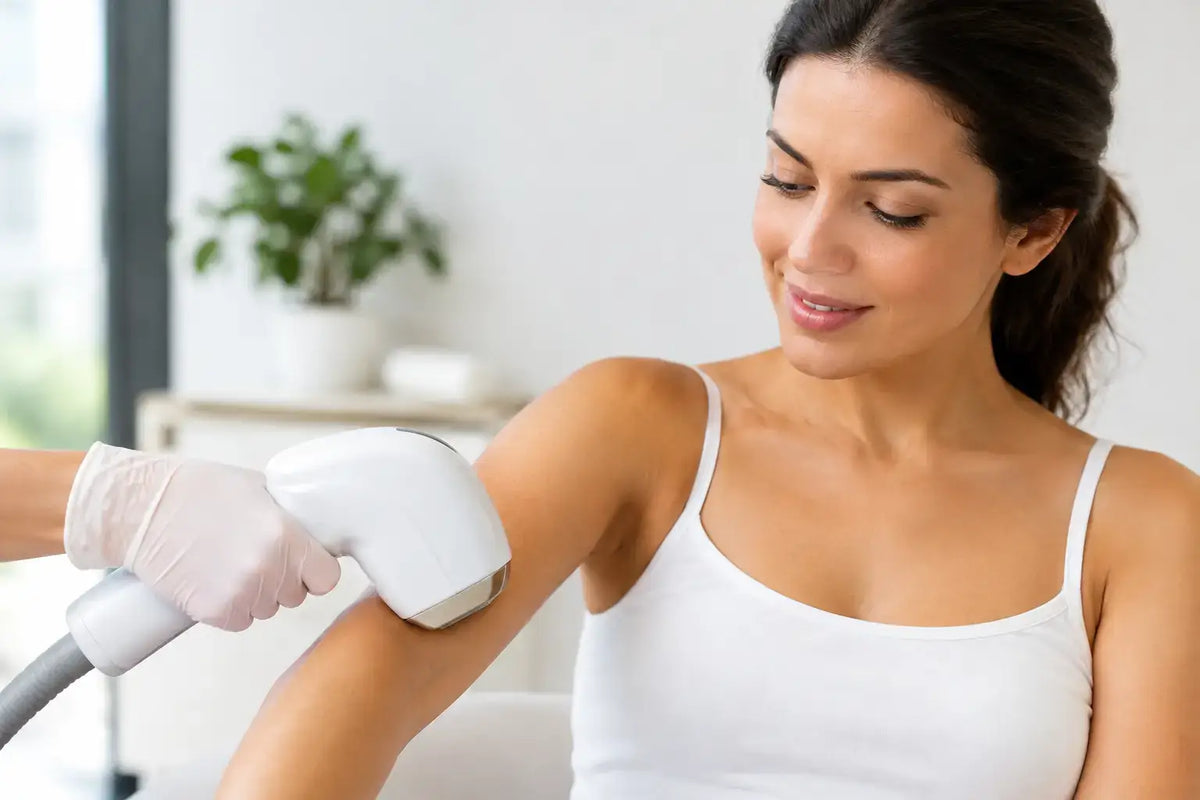
That little dark hair that seems to be growing back a few days after an IPL session? Don’t panic and reach for the razor just yet. IPL hair shedding is often the part of the process that makes people second-guess their results, even though it can be a positive sign that treated hair is working its way out of the follicle.
Smooth-skin results do not happen overnight. Unlike shaving, which removes hair at the surface, IPL targets pigment in the hair beneath the skin. The treated hair may stay visible for a while before it releases. Knowing what is normal can help you stay consistent, treat with confidence, and get the most from your at-home routine.
What Is IPL Hair Shedding?
IPL hair shedding is the gradual release of hairs after they have been treated with intense pulsed light. The light energy is absorbed by pigment in the hair, creating heat that disrupts the follicle’s ability to keep producing hair over time.
The hair does not always fall out immediately after treatment. Instead, it can remain in the follicle as your skin naturally pushes it toward the surface. This is why it may look like hair is still growing at first. In many cases, it is not new growth at all. It is the treated hair moving out.
You may notice tiny dark dots, short hairs that wipe away in the shower, or hairs that slide out with very little effort while gently exfoliating. That is shedding. It can happen unevenly because every follicle follows its own growth cycle.
When Does IPL Hair Shedding Start?
Most people begin to notice shedding around one to two weeks after an IPL treatment. For some areas, especially those with thicker hair, it can take closer to three weeks. Underarms and the bikini line may respond differently than legs, while finer hair can be less obvious when it releases.
The timing depends on your hair color, hair thickness, skin tone, treatment consistency, and the area you are treating. It also depends on whether that hair was in an active growth phase when you used IPL. IPL works best on hairs in that active phase, but not all hairs are active at once. That is exactly why a series of treatments matters.
It is normal for the first few sessions to feel less dramatic than you expected. You may see some shedding in one patch and none in another. You may also notice slower, finer regrowth before you see major gaps. Think of IPL as a routine with momentum, not a one-session fix.
Shedding vs. regrowth: how to tell the difference
Treated hairs tend to look like they are sitting loosely in the skin. They may feel stubbly but come away during a gentle washcloth pass or light exfoliation. Regrowth, on the other hand, is attached more firmly and continues to lengthen over several days.
A few visible hairs after IPL do not mean the treatment failed. The most useful signal is what happens over multiple sessions: hair comes back more slowly, feels softer or finer, and becomes less dense in the areas you treat consistently.
What to Do While Hair Is Shedding
The goal is simple: let your skin do its job. You do not need to pull, tweeze, wax, or force hairs out. Pulling at treated hairs can irritate your skin and makes it harder to judge what is actually shedding.
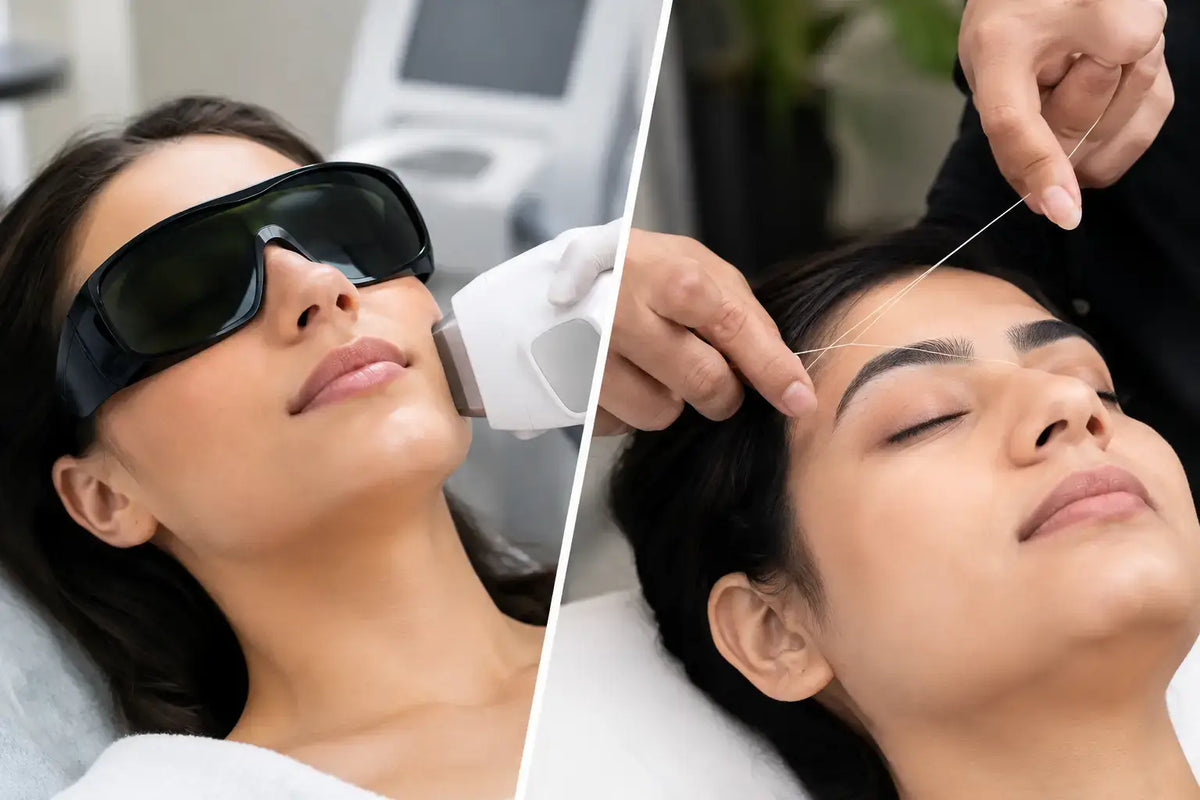
You can shave between sessions if you need a smooth finish. Shaving removes hair above the skin without pulling it from the follicle, so it does not interfere with your IPL routine. Waxing, threading, and epilating are different because they remove the hair from the root. Skip those methods while you are treating an area with IPL.
Once your skin is calm, gentle exfoliation can help loosen hairs that are ready to release. A soft washcloth or mild body exfoliant a couple of times per week is usually enough. Avoid aggressive scrubbing, especially if your skin feels sensitive, red, or dry after treatment.
Keep the area moisturized and protect exposed skin from excess sun. Freshly treated skin can be more reactive, and tanning can affect both comfort and treatment suitability. If you have a question about timing, skin care ingredients, or your treatment setting, follow the instructions for your device before your next session.
Why Consistency Matters More Than One Shedding Cycle
IPL only affects hairs that are in the right stage of growth at the time of treatment. Since hair grows in cycles, you need repeated sessions to catch more follicles as they enter that stage. This is why waiting for every single hair to shed before treating again is not the best strategy.
Follow your device’s recommended schedule, even if your results are gradual. Early sessions often focus on reducing active hair. Later sessions help target the hairs that were dormant during your first treatments and support long-term maintenance.
This is where at-home IPL earns its place in a real beauty routine. Instead of building your schedule around waxing appointments or repeatedly buying razors, you can treat on your own time. The NOHA Device™ is designed to make that consistency easier, with salon-inspired IPL technology for a comfortable at-home routine.
What Can Affect Your IPL Results?
IPL results are personal, and honest expectations make the experience much better. IPL generally responds best when there is strong contrast between the hair pigment and skin tone. Darker, coarser hair often absorbs light more effectively than very light blond, gray, white, or red hair.
Hormonal changes can also affect hair growth. Conditions that influence hormones, pregnancy-related changes, and certain medications may mean hair returns more quickly or requires more maintenance. That does not automatically mean IPL is not helping, but your timeline may look different from someone else’s.
Treatment technique matters too. Use clean, dry skin, shave before your session as directed, and make sure you cover the full treatment area without repeatedly flashing the same spot. Patch testing and starting at a comfortable setting help you balance effectiveness with skin comfort.
When IPL Hair Shedding Needs a Closer Look
Some warmth or temporary redness after treatment can happen, particularly in sensitive areas. But pain that persists, blistering, significant swelling, or skin color changes are not signs you should push through. Stop treating the area and seek guidance from a qualified healthcare professional.
Also, do not mistake ingrown hairs for normal shedding. An ingrown hair may look like a tender bump, trapped hair, or inflamed spot. Keep your skin clean, avoid picking, and give the area time to settle. Gentle exfoliation may help prevent future ingrowns, but never scrub an irritated bump.
If you have very dark skin, an active skin condition, a tattoo in the treatment area, recent sun exposure, or you are using photosensitizing medications, review your device safety guidance before treatment. IPL is not one-size-fits-all, and using it carefully is part of getting beautiful results.
Give Your Skin Time to Show the Difference
IPL hair shedding can look underwhelming before it looks impressive. A few loose hairs, uneven patches, and slower regrowth may not deliver the instant payoff of a fresh wax, but they can be signs that your routine is moving in the right direction.
Stay gentle with your skin, shave when you want to, and remain consistent with your sessions. The best results usually belong to the person who gives each treatment cycle the time it needs to work.

Deja un comentario
Este sitio está protegido por hCaptcha y se aplican la Política de privacidad de hCaptcha y los Términos del servicio.