

Best IPL Device for Your Skin Tone: Complete Guide
Not all IPL devices work equally well for every skin tone. Choosing the right device — and understanding how your skin tone affects results — is the most important step toward safe, effective hair removal. This guide breaks it all down.
Why Skin Tone Matters for IPL
IPL works by targeting melanin — the pigment found in both hair and skin. The device emits light that is absorbed by dark pigment, converting to heat that disables the hair follicle. The challenge: if your skin is very dark, the device may absorb too much light into the skin itself rather than the follicle, which can cause irritation or burns.
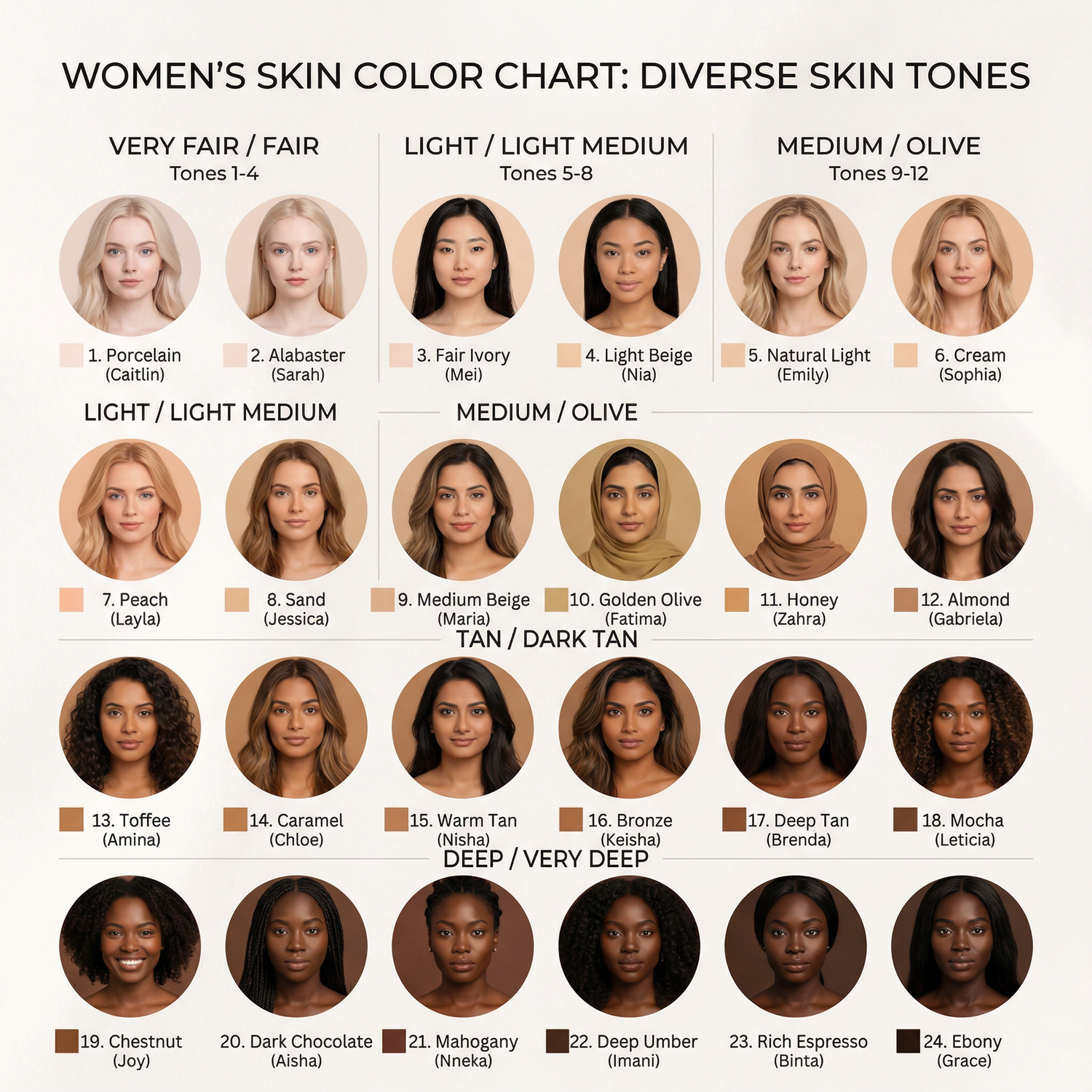
This is why most IPL devices include a skin tone chart and why selecting the right intensity level for your skin is critical.
The Fitzpatrick Scale: Understanding Your Skin Type
The Fitzpatrick Scale is the standard used by dermatologists and device manufacturers to classify skin tones:
- Type I – Very Fair: Always burns, never tans (e.g., very pale, freckled skin)
- Type II – Fair: Usually burns, sometimes tans
- Type III – Medium: Sometimes burns, always tans
- Type IV – Olive: Rarely burns, always tans
- Type V – Brown: Very rarely burns, tans deeply
- Type VI – Dark: Never burns, deeply pigmented
Most at-home IPL devices, including the NOHA Device™, are safe and effective for Fitzpatrick Types I–V (fair to medium-brown skin tones). Type VI skin is generally not recommended for IPL due to the higher risk of skin irritation.
Hair Color and IPL Effectiveness
IPL also depends on the contrast between your hair color and skin tone. The greater the contrast, the better the results:
- Best results: Dark brown or black hair on fair to medium skin
- Good results: Dark hair on olive or light brown skin
- Limited results: Light brown hair on any skin tone
- Not recommended: Blonde, red, grey, or white hair (insufficient melanin for IPL to target)
How to Choose the Right Intensity for Your Skin Tone
Always start at the lowest intensity setting and work up gradually. Here's a general guide:
- Fair skin (Types I–II): Can typically use higher intensity settings after a few sessions
- Medium skin (Types III–IV): Start low, increase gradually; avoid highest settings on sensitive areas
- Olive/Brown skin (Type V): Use low to medium settings; do a patch test first and wait 48 hours
Patch Testing: Always Do This First
Before your first full session, always do a patch test on a small, inconspicuous area. Wait 24–48 hours to check for any adverse reaction before treating larger areas. This is especially important for darker skin tones.
The NOHA Device™: Built for a Range of Skin Tones
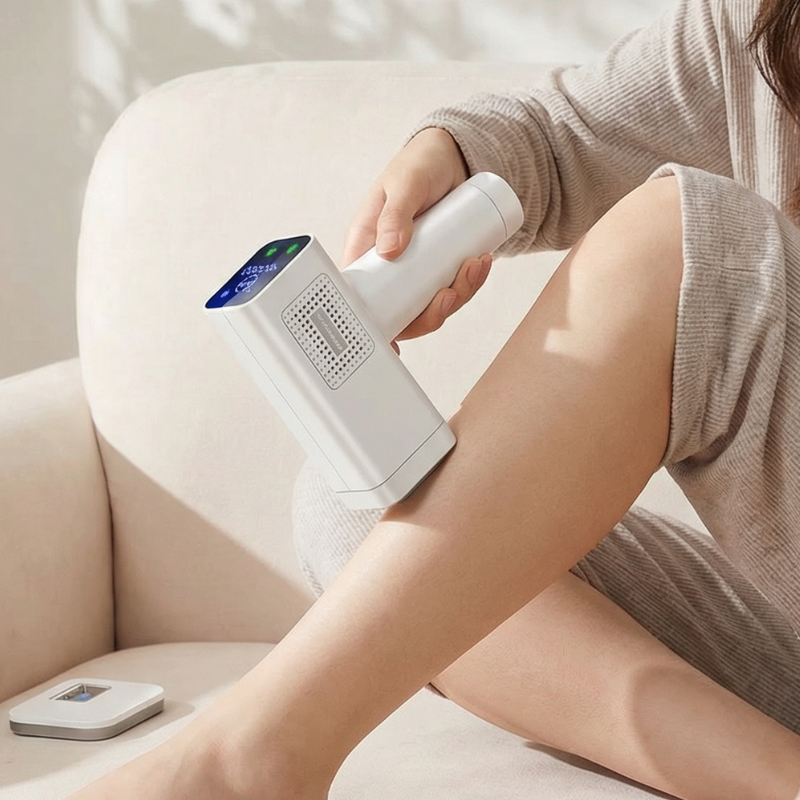
The NOHA Device™ features multiple intensity levels and a built-in skin tone sensor that automatically recommends the safest setting for your skin. It's designed to deliver effective results for Fitzpatrick Types I–V, making it one of the most versatile at-home IPL devices available.
Whether you have fair, medium, or olive skin with dark hair, the NOHA Device™ adapts to your needs — so you can achieve smooth, hair-free skin safely at home.
Find Your Perfect Match → Shop the NOHA Device™
Frequently Asked Questions
Can I use IPL if I have a tan?
Avoid IPL on freshly tanned skin. Wait at least 2 weeks after sun exposure or tanning before treating, as tanned skin has more melanin and increases the risk of irritation.
Can I use IPL on my face?
Yes, but use the lowest intensity setting and avoid the eye area entirely. Many devices include a precision attachment for facial use.
How do I know if IPL is working?
After each session, treated hairs will shed over 1–2 weeks. You'll notice regrowth becoming finer and slower with each treatment cycle.

Deja un comentario
Este sitio está protegido por hCaptcha y se aplican la Política de privacidad de hCaptcha y los Términos del servicio.