

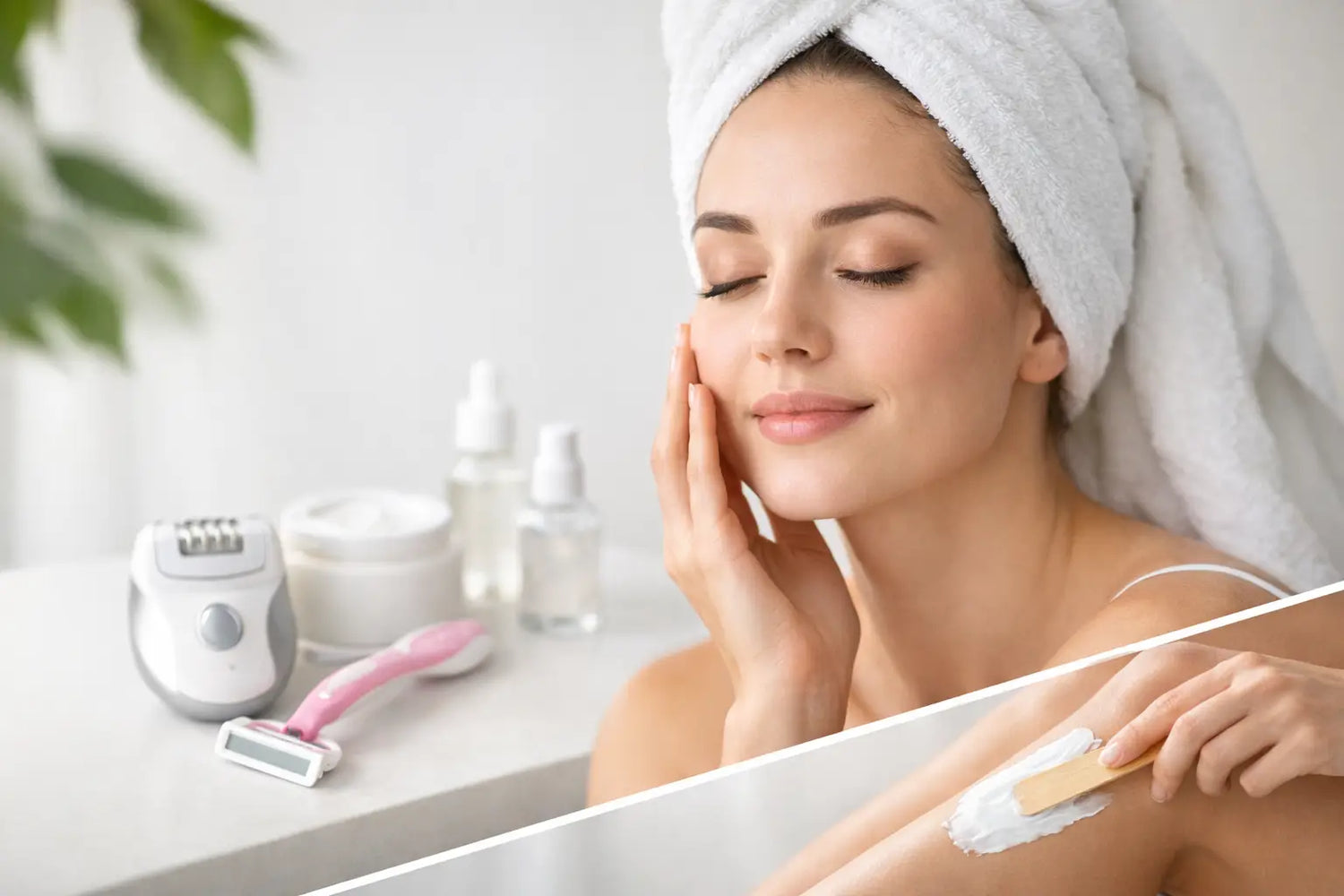
If hair removal usually leaves you red, itchy, or regretting the whole thing, this sensitive skin hair removal guide is for you. Sensitive skin does not mean you have to settle for razor burn, bumps, or stinging after every session. It means your method, timing, and aftercare need to work smarter.
The biggest mistake most people make is treating sensitive skin like normal skin with a lower pain tolerance. That is not really the issue. Sensitive skin tends to react faster and recover slower, so the wrong method can leave irritation hanging around for days. The goal is not just hair removal. The goal is smooth skin with as little disruption as possible.
How to choose the right sensitive skin hair removal guide approach
There is no single best option for every person. The right method depends on where you are removing hair, how often you want to do it, your skin tone, hair color, pain tolerance, and whether your skin reacts more to friction, heat, or ingredients.
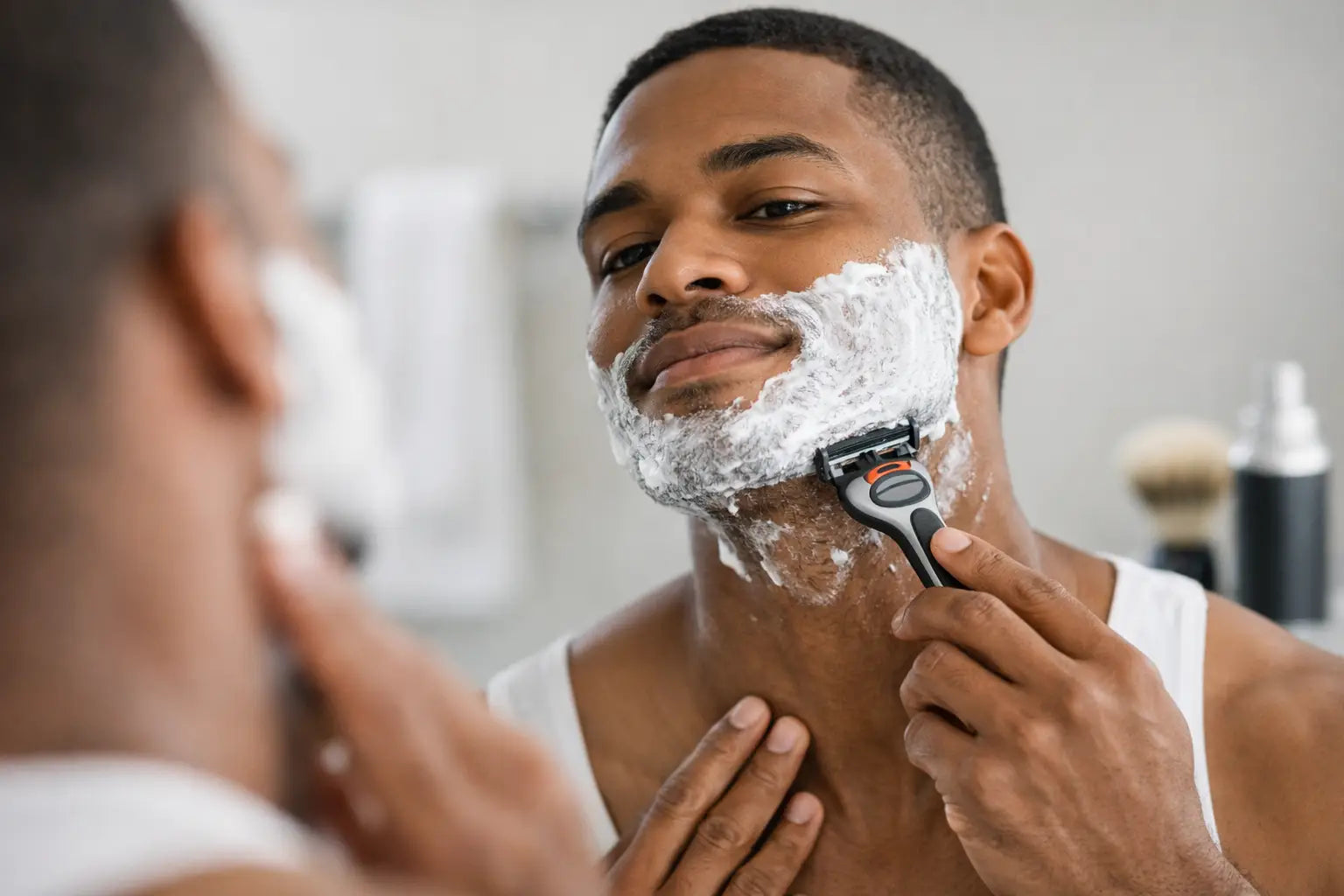
Shaving is fast and cheap, but it is also one of the biggest triggers for sensitive skin when done too often. The blade creates friction, and repeated passes can weaken the skin barrier. If your skin gets inflamed easily, shaving every few days can turn into a cycle of redness, stubble, and irritation.
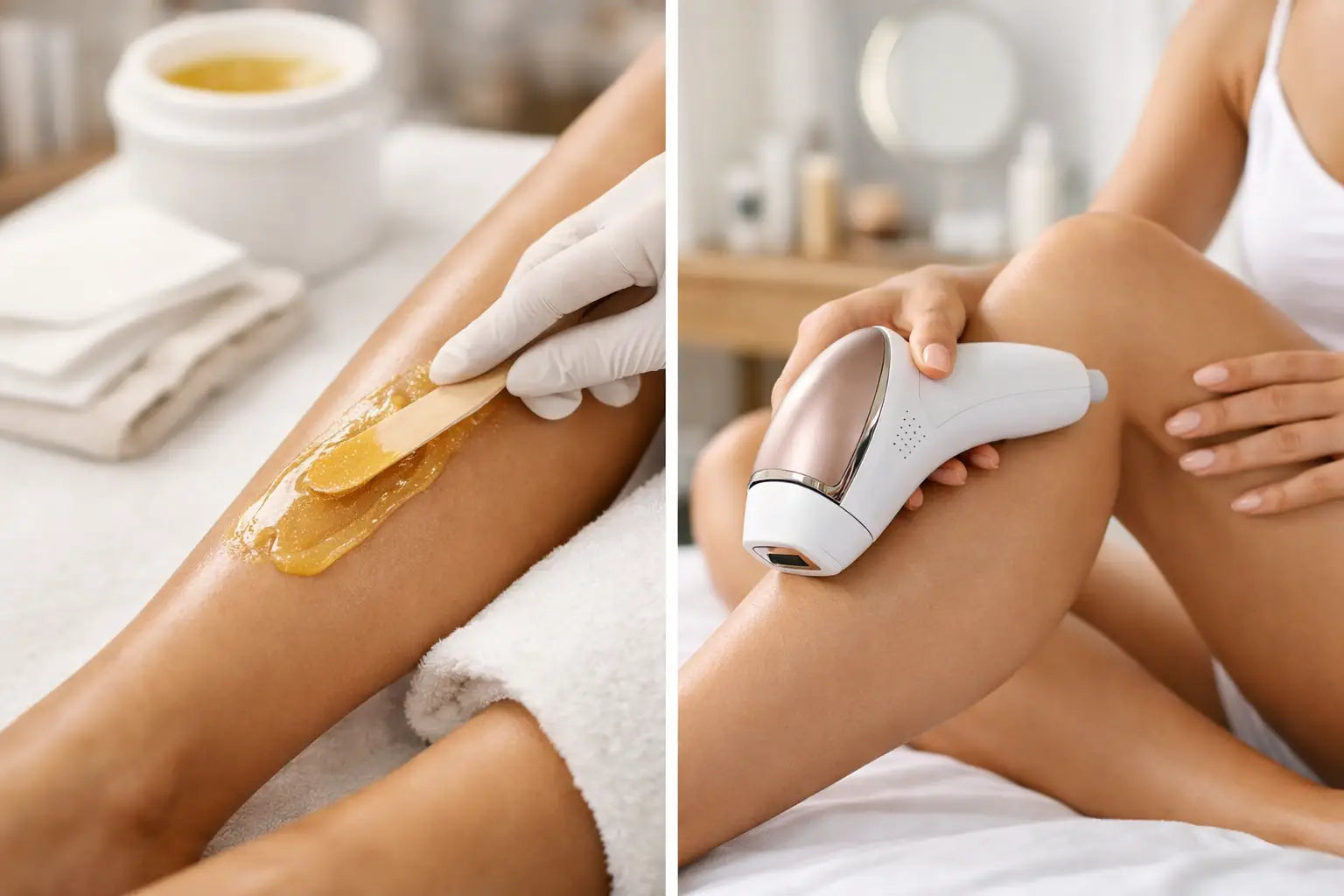
Waxing lasts longer, but it can be rough on reactive skin. It pulls the hair out from the root, which sounds efficient because it is, but it also pulls on the skin. For some people, that means smooth results. For others, it means redness, ingrown hairs, or even lifted skin if they are using active skincare.
Hair removal creams seem easy, but sensitive skin often struggles with them. The chemicals that dissolve hair can also trigger burning, itching, or delayed irritation. A patch test is non-negotiable here.
Threading can work well for small areas like the upper lip or brows, especially if your skin does not like wax. But it is not the most practical option for larger areas.
IPL can be a strong fit for many people who want fewer shaving sessions over time. Instead of removing hair at the surface every few days, IPL targets the hair cycle to reduce regrowth. That matters for sensitive skin because less frequent hair removal often means less repeated irritation. It is not right for every skin tone and hair color combination, and consistency matters, but for many women it can be a much lower-maintenance path to smooth skin.
The methods that usually work best for sensitive skin
For most people with reactive skin, the best long-term option is the one that reduces how often you need to disturb the skin. That is why methods with longer-lasting results tend to be more skin-friendly over time, even if they require more care upfront.
If you need an immediate, low-cost option, shaving can still work. The key is technique. Use a sharp, clean razor, plenty of slip, and as few passes as possible. Dull blades and dry shaving are where sensitive skin usually loses.
If you want longer-lasting results and your skin handles it well, IPL is worth serious consideration. At-home IPL gives you the convenience of treating on your own schedule without constant salon visits or the endless cycle of shave-repeat-shave. For people tired of irritation from frequent hair removal, that trade-off can be a big win. A device like the NOHA Device is designed to make the process simple and comfortable at home, which is exactly what sensitive skin routines need - less friction, less stress, and more consistency.
Waxing makes sense for some people, but it is usually better for skin that is mildly sensitive rather than highly reactive. If your skin flushes easily or you use exfoliating acids, retinoids, or acne treatments, waxing needs extra caution.
Prep matters more than people think
The best hair removal routine for sensitive skin starts before the hair comes off. Prep is what reduces the chances of turning a simple session into two days of irritation.
Start with clean skin. That sounds basic, but leftover deodorant, lotion, sweat, or body oil can increase friction and raise the chance of a reaction. Wash the area gently and pat dry.
Then look at your skincare. If you use retinol, exfoliating pads, acne treatments, or strong brightening products on the area, pause them before hair removal when appropriate. Sensitive skin plus active ingredients plus hair removal is often where burning starts. The exact timing depends on the product and your skin, but the broader rule is simple - do not stack irritation on top of irritation.
If you are shaving, soften the hair first with warm water and use a fragrance-free shave gel or cream. If you are using IPL, follow device directions closely, including shaving beforehand if required. Skin should be calm, clean, and free of products unless the instructions say otherwise.
Patch testing deserves more respect than it gets. Whether it is wax, cream, or a light-based device, testing a small area first can save you from a full-body reaction. That is especially true if your skin is unpredictable.
Sensitive skin hair removal guide for common problem areas
Not every body area reacts the same way. The underarms, bikini line, face, and legs each have their own personality, and sensitive skin tends to make that very obvious.
Face
Facial skin is thinner and often more reactive than the body. That is why harsh waxes and strong depilatory creams can backfire fast. For the upper lip, chin, or sideburn area, threading or carefully used facial IPL may be better options depending on your skin and hair type. If you are using exfoliating acids or retinoids on the face, be extra careful with timing.
Underarms
Underarms deal with friction, sweat, shaving, and deodorant, so they can get irritated quickly. If shaving causes dark-looking stubble and constant sensitivity, IPL can be a smart alternative because it may reduce regrowth over time. After any hair removal, skip fragranced deodorants until the skin feels calm.
Bikini line
This area reacts to almost everything - tight clothing, sweat, friction, and ingrown hairs. That is why aggressive methods can feel especially punishing here. A careful shave with a fresh razor can work, but many people with sensitive skin prefer options that reduce how often they need to remove hair at all.
Legs
Legs are usually the easiest area to tolerate hair removal, but dry skin changes that. If your legs feel tight or flaky, shaving can create that scratchy, irritated finish nobody wants. Gentle exfoliation between sessions, not right before, often helps more than people expect.
Aftercare is where smooth skin is won
A lot of irritation does not come from the method itself. It comes from what happens in the next 24 hours. Sensitive skin needs a calm landing after hair removal.
Keep the area cool, clean, and lightly moisturized. A simple, fragrance-free moisturizer is usually enough. Heavy perfumes, strong actives, and rough exfoliants can wait. The same goes for hot showers, saunas, and intense workouts if your skin is feeling warm or reactive.
Loose clothing helps more than people realize, especially for the bikini line and underarms. When skin has just been shaved, waxed, or treated with IPL, friction can turn a mild reaction into bumps and redness.
If ingrown hairs are your main issue, do not rush to scrub the area raw. Sensitive skin usually does better with gentle chemical exfoliation on a different day than hair removal, and only if your skin tolerates it well. Sometimes the answer is not more exfoliation. It is simply switching to a method that causes fewer trapped hairs in the first place.
What to avoid if your skin reacts easily
The short version is this: do not chase smooth skin by being aggressive. More pressure, more passes, more products, and more frequent sessions rarely help sensitive skin.
Avoid dry shaving, dull razors, heavily fragranced products, and any method that burns or stings beyond mild temporary discomfort. If something leaves your skin inflamed every single time, that is not your skin failing. That is your method giving you bad information.
It is also worth paying attention to timing. Removing hair right before the beach, a workout, or a night out in tight clothes can make sensitivity worse. Sometimes the fix is not a new product. It is simply doing your routine at a better time.
When long-term hair reduction makes more sense
If you are stuck in a loop of shaving, irritation, recovery, and then shaving again, it may be time to stop thinking only about hair removal and start thinking about hair reduction. That shift matters. For sensitive skin, fewer removal sessions often means fewer chances to trigger redness, razor bumps, and discomfort.
That is why at-home IPL has become such a strong option for beauty routines built around convenience and comfort. You are not just removing visible hair for a day or two. You are working toward less regrowth and less maintenance. For women who want smoother skin without constant appointments or constant blade contact, that can be a real upgrade.
Sensitive skin does not need a tougher routine. It needs a gentler strategy that still gets results. When your method respects your skin barrier, smooth skin starts feeling a lot less complicated.

Deja un comentario
Este sitio está protegido por hCaptcha y se aplican la Política de privacidad de hCaptcha y los Términos del servicio.