

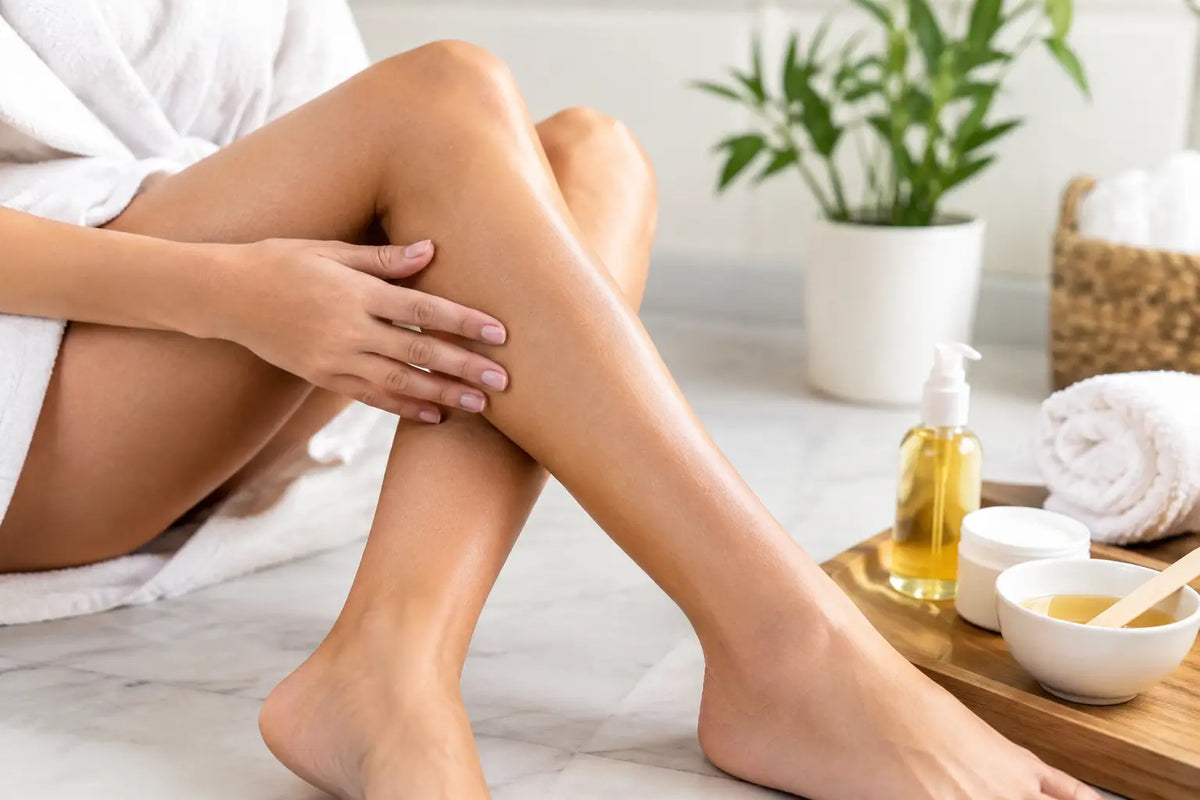
That smooth, freshly waxed feeling can disappear fast when red bumps, itchiness, or painful trapped hairs show up a few days later. Preventing ingrown hairs after waxing is less about buying every exfoliant on the shelf and more about treating freshly waxed skin gently, then helping new hairs grow out without getting trapped.
Waxing removes hair from the root, which gives you longer-lasting smoothness than shaving. But when the hair begins to grow back, it can curl into the skin or become blocked by dead skin cells. The result is an ingrown hair: a small bump that may look like a pimple, feel tender, or leave behind dark marks after it heals.
The good news? A few strategic changes before and after your appointment can make a real difference.
Why Ingrown Hairs Happen After Waxing
Ingrowns are especially common in areas where hair is coarse or curly, including the bikini line, underarms, and legs. After waxing, the new hair can grow in with a softer, finer tip. If it meets a layer of dead skin cells, tight friction-heavy clothing, or irritated follicles, it may turn sideways and grow back into the skin rather than through it.
Your technique matters, too. Waxing over skin that is already irritated, using overly hot wax, or pulling hair in the wrong direction can leave follicles inflamed. That does not guarantee ingrown hairs, but it creates the kind of stressed skin environment where bumps are more likely to appear.
Some skin is simply more prone to ingrowns. If you have thick, curly body hair or tend to develop post-inflammatory dark spots, you may need a more consistent aftercare routine than someone with fine, straight hair.
Preventing Ingrown Hairs After Waxing Starts Before Your Appointment
The most effective aftercare begins before any wax touches your skin. Come to your appointment with clean, dry skin and enough hair growth for the wax to grip. Hair that is too short may require repeated passes, while overly long hair can tug more and increase irritation.
Gently exfoliate one or two days before waxing, not immediately before. A soft washcloth, mild body scrub, or gentle chemical exfoliant can help clear dead skin cells from the surface. The goal is smooth, comfortable skin, not a scrubbed-until-red finish. Aggressive exfoliation can compromise your skin barrier and make waxing sting more.
Skip waxing if the area is sunburned, broken out, cut, or actively irritated. You should also be cautious with strong retinoids, prescription acne treatments, and recent chemical peels. These can make skin more fragile and more likely to lift or react during waxing. When in doubt, ask a dermatologist or your waxing professional before booking.
The First 48 Hours Matter Most
Your follicles are open and your skin is more reactive right after waxing. Think of the first two days as a recovery window. Keep the area clean, cool, and free from unnecessary friction.
Avoid hot baths, saunas, steam rooms, intense workouts, and swimming pools for at least 24 to 48 hours. Heat and sweat can aggravate newly waxed follicles, while chlorine and bacteria can make irritated skin feel worse. For bikini waxes, choose breathable underwear and loose clothing rather than tight leggings or restrictive jeans.
Also resist the urge to touch the area. It is tempting to check for smoothness, but hands can transfer oil and bacteria to sensitive follicles. If your skin feels warm or irritated, a cool compress and a simple fragrance-free moisturizer are usually better choices than a heavily scented lotion or thick body butter.
Do not exfoliate the same day you wax. Freshly waxed skin does not need more friction. Give it time to settle first.
Keep Products Simple and Soothing
The best post-wax products are usually the least dramatic. Look for gentle, fragrance-free formulas that support hydration without leaving a heavy, greasy layer on the skin. Aloe-based gels can feel cooling, while lightweight moisturizers can help prevent dryness and flaking.
Be careful with products containing alcohol, strong fragrance, essential oils, or high concentrations of active ingredients immediately after waxing. A product may be fine on normal skin but still sting or trigger redness on freshly waxed skin.
If you develop a few small bumps, do not pick, squeeze, or dig for the hair. That can introduce bacteria, prolong inflammation, and increase the chance of scarring or discoloration. Let the area calm down, then begin gentle exfoliation after the initial recovery period.
Exfoliate Consistently, Not Aggressively
Once 48 hours have passed and your skin no longer feels sensitive, exfoliation becomes one of your strongest tools against ingrown hairs. It helps prevent dead skin cells from building up over the follicle opening, giving new hair a clearer path out.
For many people, exfoliating two to three times a week is enough. Physical exfoliation, such as a soft exfoliating mitt or gentle body polish, can work well for legs and arms. Chemical exfoliants, including products formulated with salicylic acid, glycolic acid, or lactic acid, may be a better fit for stubborn bikini-line bumps because they exfoliate without scrubbing.
There is a trade-off: more exfoliation is not automatically better. If your skin becomes dry, tight, stinging, or flaky, scale back. Over-exfoliated skin can become irritated and more vulnerable to the very bumps you are trying to avoid. Follow exfoliation with moisturizer to keep the skin barrier comfortable and balanced.
Choose the Right Waxing Schedule
Waxing too frequently can keep your skin in a constant state of recovery. Most people do best when they wait until there is enough regrowth for the wax to remove hair cleanly, often around three to six weeks depending on the area and your personal growth cycle.
A consistent schedule can help because hairs start growing more evenly over time. Still, do not force a schedule if your skin has not settled. If you are dealing with repeated irritation, painful bumps, or lingering dark marks, give the area extra time and reassess your method.
The quality of the wax and technique also make a difference. A skilled professional should avoid repeatedly waxing the same area and should remove wax in a way that minimizes unnecessary pulling. For at-home waxing, follow product directions closely and test the temperature carefully. Wax that is too hot can cause burns, while poor removal technique can lead to breakage and irritation.
When Waxing May Not Be Your Best Option
Waxing can be a great choice for long-lasting smoothness, but it is not the perfect method for every skin type. If ingrown hairs return after every wax despite gentle exfoliation and careful aftercare, your skin may be telling you to consider a lower-maintenance approach.
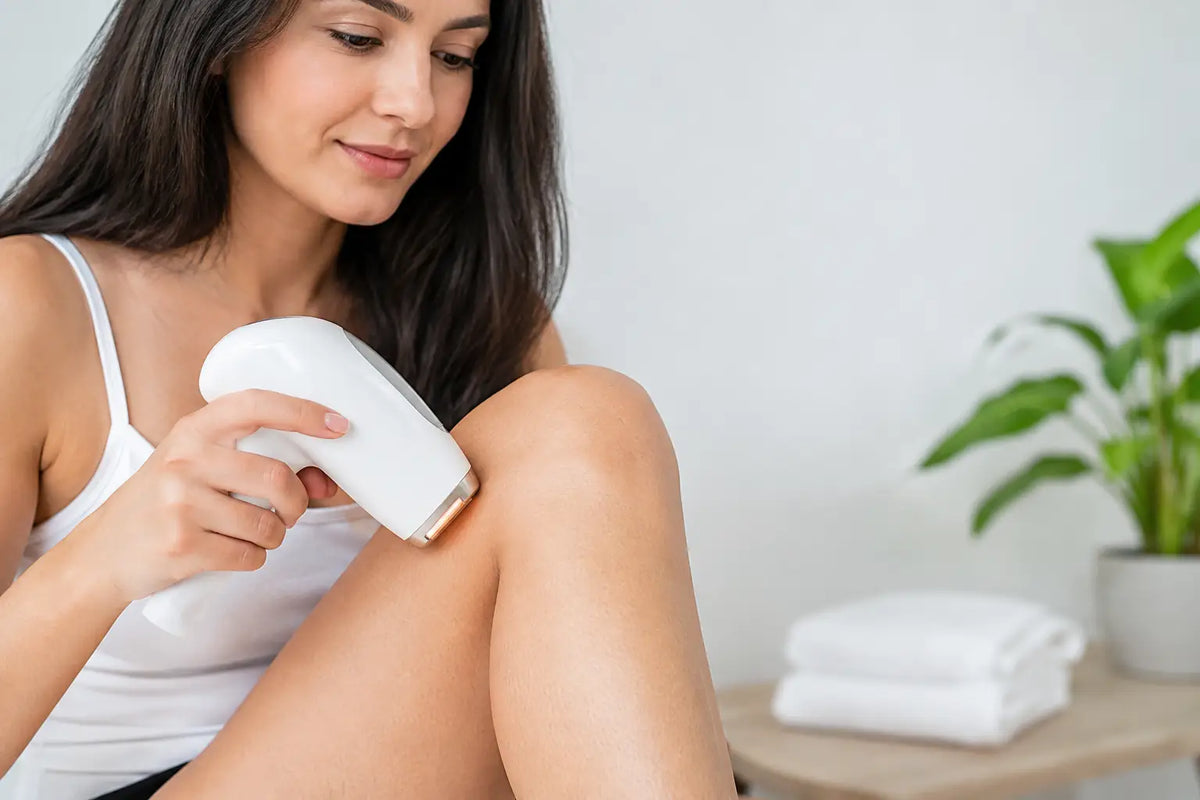
Unlike waxing, IPL hair removal targets the hair growth cycle over a series of treatments. With less hair growing back over time, many people find they spend less time managing bumps, razor burn, and recurring appointments. It does require consistency and works best for eligible skin and hair combinations, so realistic expectations matter.
For women who are tired of planning life around regrowth, NOHA Device™ offers an at-home IPL option designed to make long-term hair reduction feel more convenient and affordable than repeated waxing sessions. It is not an overnight solution, but reducing the need for frequent hair removal can mean fewer opportunities for irritated follicles and trapped hairs.
When to Get Professional Advice
A mild ingrown hair often improves with patience, gentle exfoliation, and leaving the area alone. But seek medical guidance if you have severe pain, spreading redness, warmth, pus, fever, or bumps that keep returning in the same area. These may signal an infection or another skin condition that needs more than standard aftercare.
If dark spots are your biggest concern, a dermatologist can also help you choose ingredients that address discoloration without irritating your skin further. Trying to fade marks with harsh products too soon can create another cycle of inflammation.
Smooth skin should not come with a constant battle against painful bumps. Give your skin a little recovery time, exfoliate with intention, and choose a hair removal routine that feels good long after the appointment is over.

Deja un comentario
Este sitio está protegido por hCaptcha y se aplican la Política de privacidad de hCaptcha y los Términos del servicio.