

A razor burn before a beach day, an appointment you have to plan your week around, or that familiar sting of a wax strip can make smooth skin feel like more work than it should be. Painless hair removal for women is less about finding one magic method and more about choosing a routine that respects your skin, your schedule, and your budget.
The best option depends on the area you are treating, your hair and skin tone, and whether you want a quick fix or fewer regrowth worries over time. Shaving is fast but temporary. Waxing can leave skin smooth for weeks but is rarely comfortable. At-home IPL offers a different path: a low-discomfort treatment designed to help reduce visible hair growth with consistent use.
What Does Painless Hair Removal Really Mean?
No hair removal method can honestly promise that every person will feel absolutely nothing. Skin sensitivity varies, and areas such as the bikini line and underarms tend to be more reactive than legs or arms. But there is a major difference between a quick warm sensation and the sharp pull of waxing, repeated razor irritation, or the discomfort some people associate with salon laser treatments.
For most women, “painless” means a method that does not make them dread the next session. It means no ripping, fewer nicks, and no appointment that requires mental preparation. It also means being able to treat hair on your own schedule, in the privacy of your home.
That is where comfort and convenience meet. A hair removal routine should fit into real life, not take it over.
The Trade-Offs of Shaving, Waxing, and IPL
Shaving remains popular because it is easy and inexpensive at the moment you buy a razor. The downside shows up quickly. Hair often returns within a day or two, and frequent shaving can contribute to razor bumps, cuts, dryness, and ingrown hairs. If you shave sensitive areas regularly, the cost of replacement blades and soothing products adds up too.
Waxing gives you a longer break from regrowth because hair is removed from the root. But the process is built around pulling hair out, so discomfort is part of the experience. You also need enough hair growth before your next appointment or at-home wax session. For women who want smooth skin without waiting for a certain amount of stubble, that can feel frustrating.
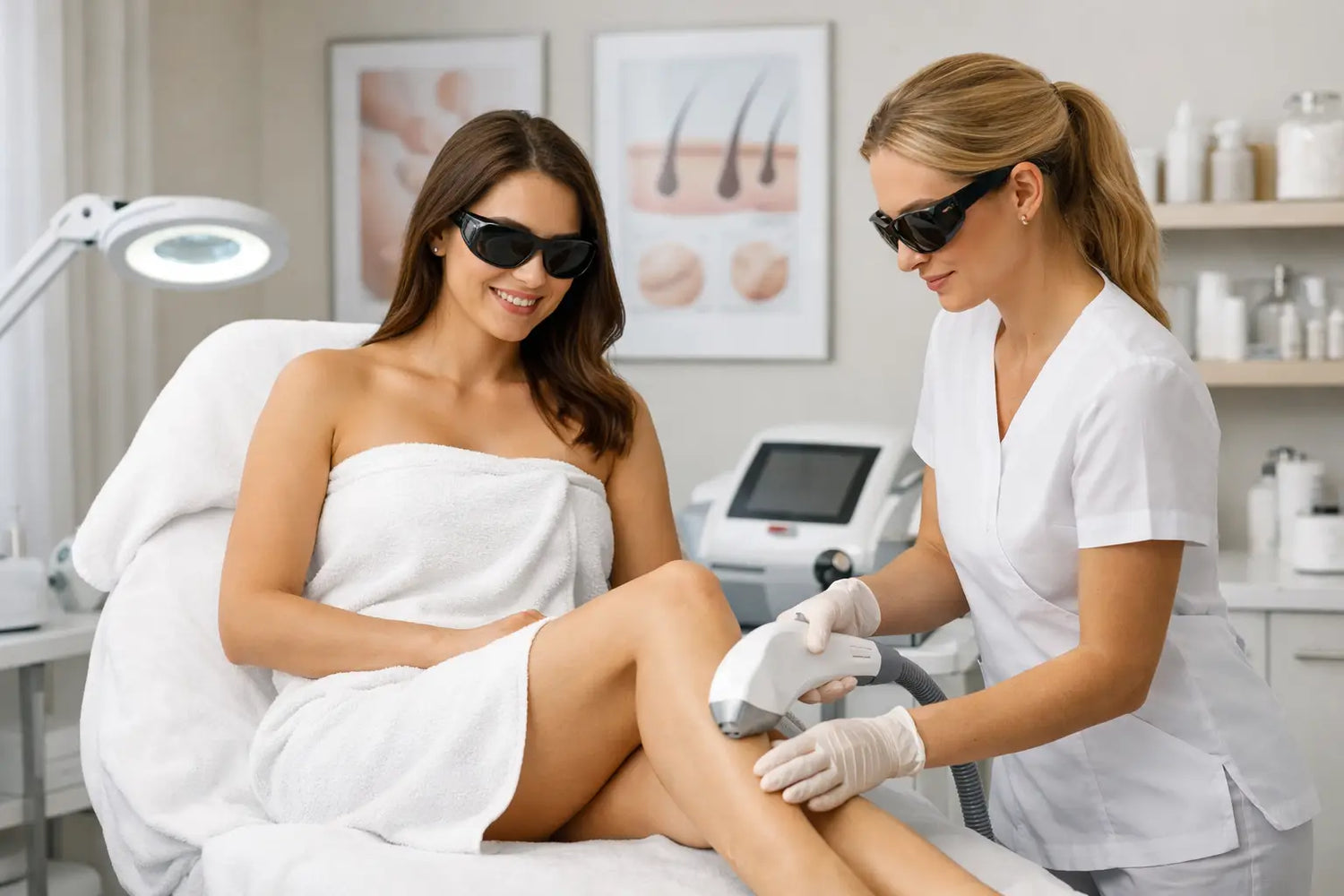
Clinic laser hair removal may be effective, but it can demand a bigger upfront budget and multiple appointments. It is not always convenient to coordinate treatments around work, travel, childcare, or a packed calendar. Some women also prefer the control of treating their skin at home.
At-home IPL, or intense pulsed light, is designed for women who want to move beyond constant shaving without committing to recurring salon visits. It uses light energy to target the pigment in the hair follicle, helping interrupt the growth cycle over a series of treatments. The goal is not instant hair-free skin after one session. The goal is visible reduction and a lower-maintenance routine over time.
Why At-Home IPL Feels More Comfortable
Unlike waxing, IPL does not pull hair from the skin. Unlike shaving, it does not rely on scraping the surface with a blade. Many users describe the sensation as a brief warmth or a light snap, especially at higher intensity settings. That makes it a strong choice for women looking for a more comfortable alternative to traditional grooming.
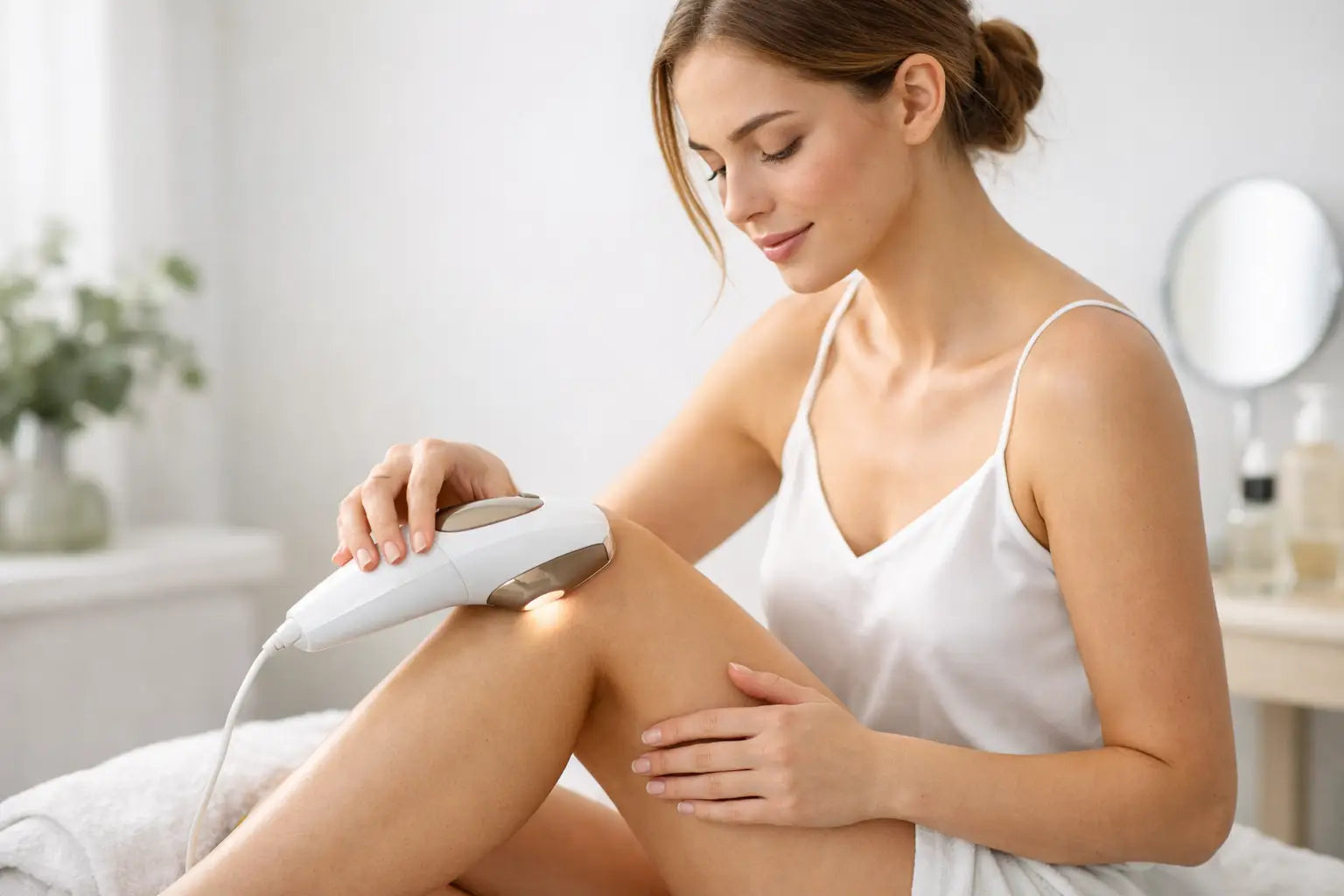
The right device and routine matter. A quality at-home IPL device should be easy to hold, quick to use, and simple to fit into your week. NOHA Device™ brings salon-inspired IPL technology into your home, so you can treat areas such as legs, arms, underarms, the bikini line, and more without building your life around appointments.
Consistency is what creates the difference. Hair grows in cycles, and IPL is most effective when a hair is in its active growth phase. Following a regular treatment schedule gives more follicles a chance to be targeted as they enter that phase. Over time, many women see hair grow back more slowly, more sparsely, and less noticeably.
How to Make Hair Removal More Comfortable
Even gentle methods work better when you prepare your skin. Start with clean, dry skin free from heavy lotions, oils, deodorant, or self-tanner. For IPL treatments, shave the area first so the light can focus below the skin’s surface rather than singeing hair above it.
Begin at a lower comfort setting if you are new to IPL or treating a sensitive area. Once you know how your skin responds, you can increase the level according to the device instructions. There is no prize for rushing to the highest setting. A routine you can comfortably repeat is more valuable than one overly intense session.
After treatment, be kind to your skin. Avoid hot showers, saunas, fragranced products, and tight clothing on newly treated areas if you notice sensitivity. Sun protection is also essential for exposed skin. Light-based treatments and fresh sun exposure are not a smart combination, so avoid tanning before and after sessions as directed.
Is IPL Right for Every Woman?
IPL works by seeking contrast between the pigment in the hair and the surrounding skin, so results can vary based on hair color and skin tone. It is generally most effective on naturally dark blonde, brown, or black hair. Very light blonde, gray, white, and red hair may not respond as well because there is less pigment for the light to target.
It is also wise to check the device’s skin-tone guidance before starting. At-home IPL is not appropriate for everyone, including women who are pregnant, using certain medications that increase light sensitivity, or treating skin with active irritation, open wounds, or a recent tan. If you have a skin condition or any doubt, speak with a qualified healthcare professional first.
A small patch test is a smart first step. Treat a discreet area, wait for the recommended period, and check for an unusual reaction before moving on to a larger zone. This takes only a little patience and gives you more confidence as you build your routine.
What Results Can You Expect?
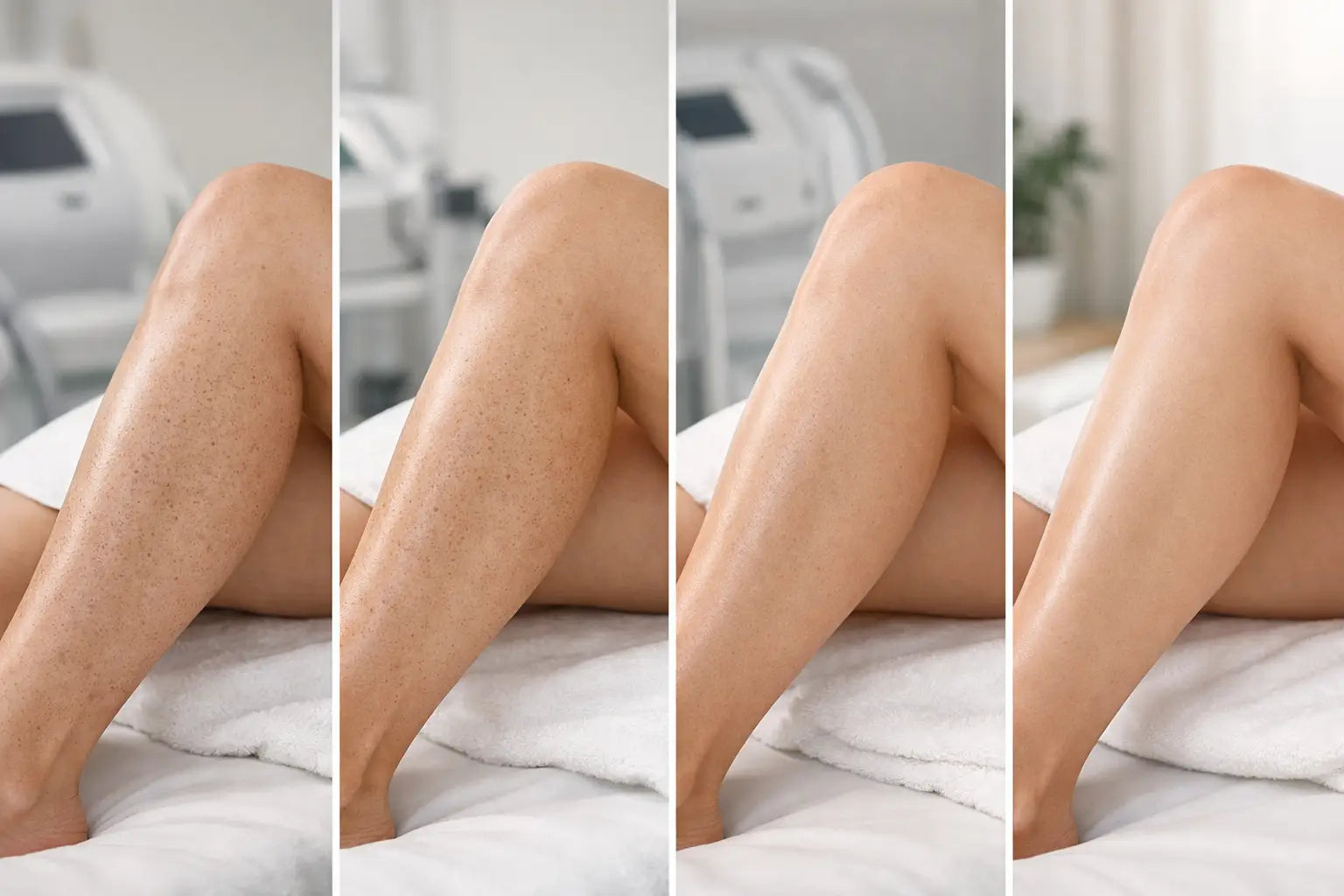
The biggest mistake is expecting IPL to work like a razor. A razor gives immediate surface-level smoothness, then hair returns quickly. IPL is a gradual investment in less frequent hair removal. You may still shave between early sessions, but many women start noticing patches of slower or reduced regrowth after several weeks of consistent treatment.
Your results depend on your natural hair growth pattern, the area you are treating, and how consistently you follow the schedule. Legs may respond differently than the upper lip or bikini line. Hormonal changes can also affect hair growth, which is why occasional maintenance sessions may be needed after your initial treatment plan.
That long-term approach is where the value becomes clear. Instead of repeatedly buying razors, booking waxes, or paying for clinic visits, you are creating a routine that can help reduce the need for all three.
A Smoother Routine Starts at Home
Smooth skin should feel like a confidence boost, not a weekly chore you keep putting off. Choose the method that matches your needs today, then give it enough time to do its job. With a comfortable, consistent IPL routine and a little patience, you can spend less time managing unwanted hair and more time enjoying the skin you are in.

Deja un comentario
Este sitio está protegido por hCaptcha y se aplican la Política de privacidad de hCaptcha y los Términos del servicio.