

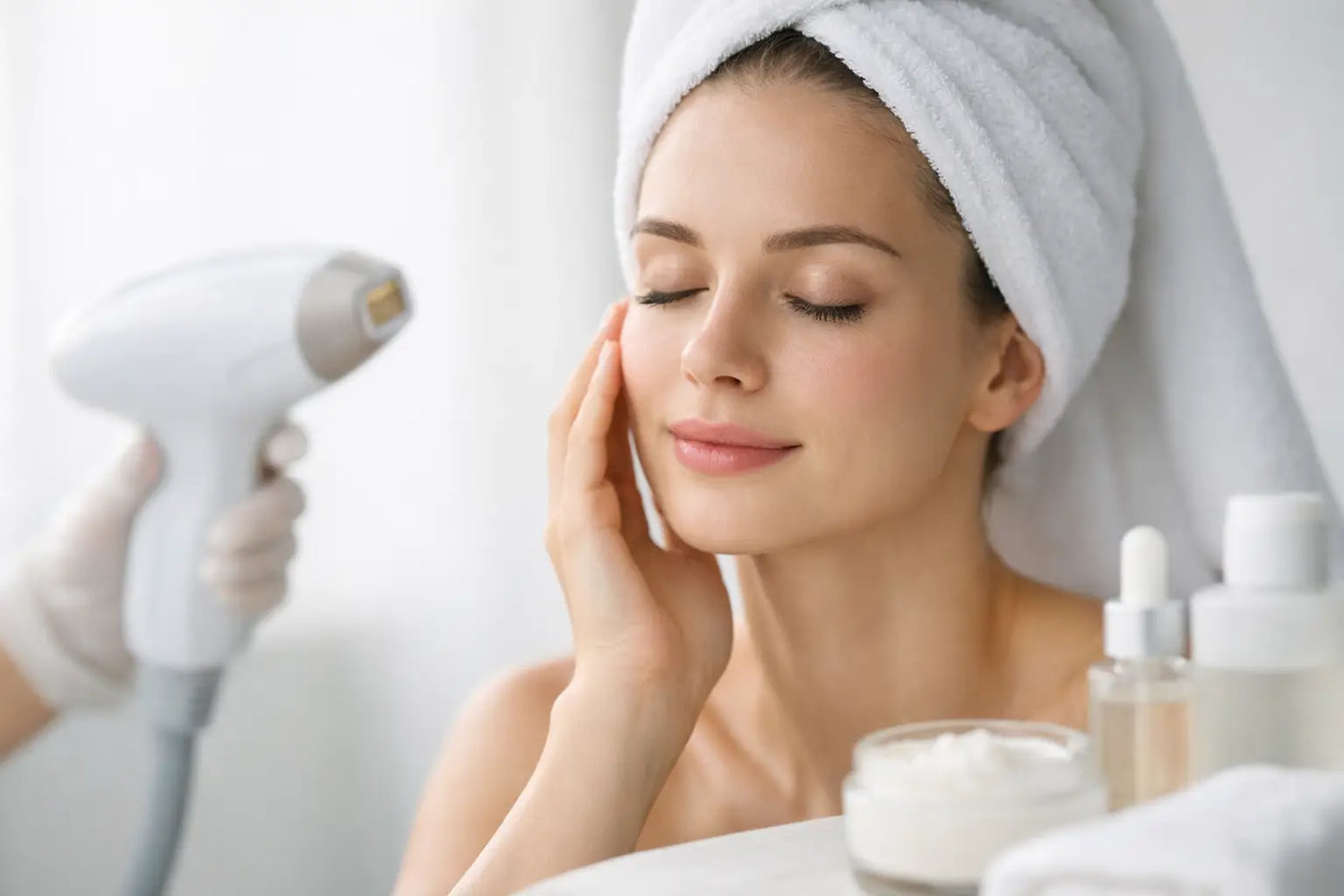
Your skin can look calm one minute and feel warm, pink, or a little extra sensitive the next. That is normal after a session, but knowing how to treat skin after IPL makes a big difference in how comfortable your recovery feels and how smooth your results look. The goal is simple - protect the skin, avoid extra heat and friction, and give it a short window to settle down.
IPL is designed to target the hair follicle with light energy, so even when the treatment feels easy, your skin still needs smart aftercare. Think of the next 24 to 48 hours as your cooldown period. If you treat your skin gently, you are far more likely to avoid unnecessary irritation and stay on track with your hair-removal routine.
How to treat skin after IPL in the first 24 hours
Right after IPL, mild redness and a warm sensation are common. Some people describe it as a light sun-exposed feeling. That does not automatically mean something went wrong. It usually means your skin is reacting to the treatment and needs a little time to return to baseline.
The best first move is to cool things down. A clean, cool compress can help take the edge off heat and sensitivity. Keep it gentle. You do not need ice directly on the skin, and you do not want anything too cold that could feel harsh on an already reactive area.
Moisture matters too. Use a simple, fragrance-free moisturizer to support the skin barrier. This is not the moment for strong active ingredients, heavily scented body products, or anything marketed as intense resurfacing care. After IPL, less is usually better.
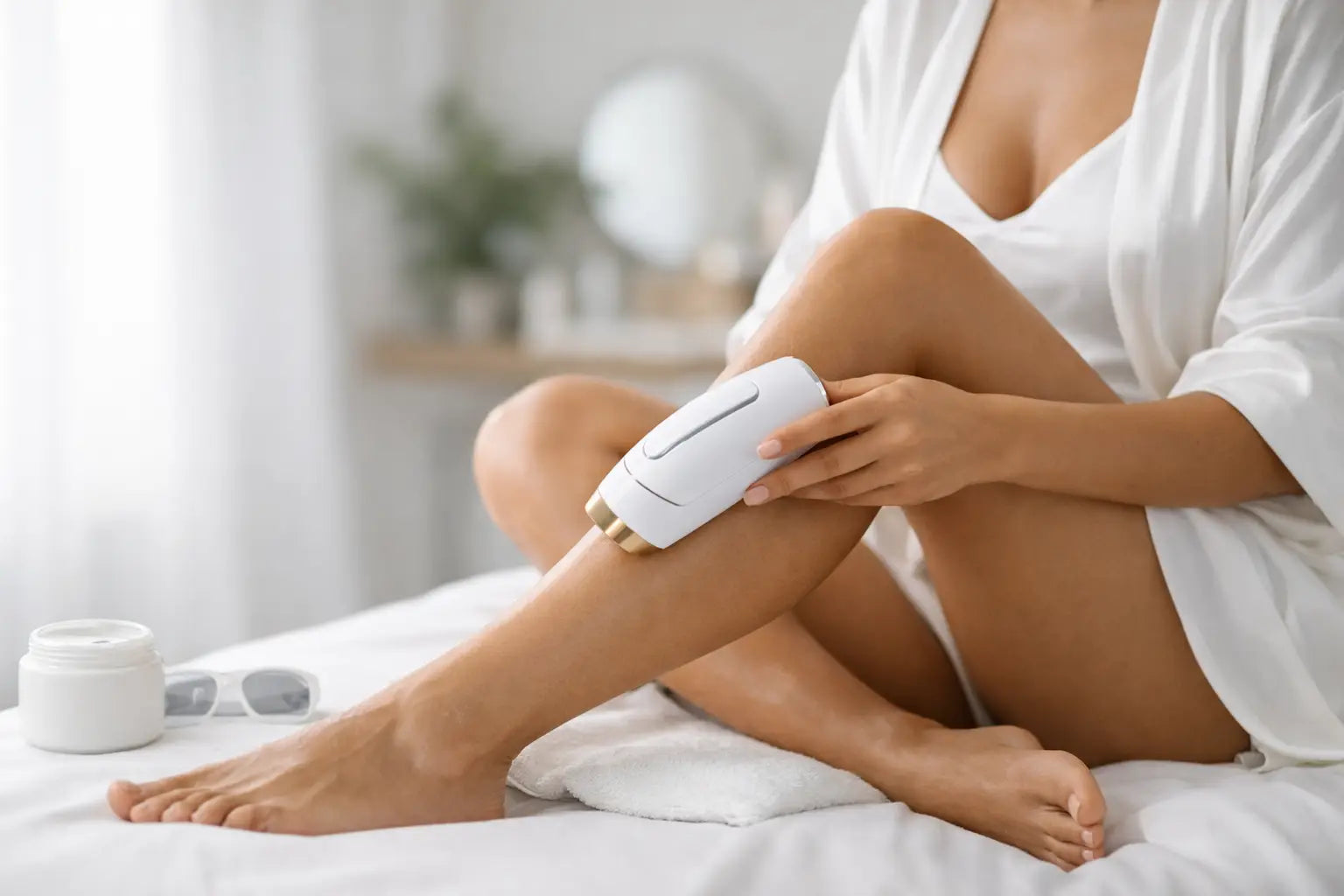
Loose clothing also helps, especially if you treated areas like the bikini line, underarms, or legs. Tight waistbands, rough fabrics, and extra rubbing can make freshly treated skin feel more irritated than it needs to. Soft, breathable fabric is the safer choice.
What your skin needs after treatment
If you are wondering how to treat skin after IPL for the best comfort, focus on three things: cooling, calming, and protecting. Most aftercare advice comes back to these basics because they work.
Cooling reduces that heated feeling that can show up after treatment. Calming means avoiding products and habits that trigger more sensitivity. Protecting means shielding the skin from sun exposure and anything else that could inflame it while it recovers.
This is also why gentle cleansing matters. Wash the area with lukewarm water, not hot water, and use a mild cleanser if needed. Pat dry instead of rubbing with a towel. Small choices like that can keep the skin from getting more reactive.
Hydration helps from both sides. Drink enough water, and keep the skin moisturized with a simple product your skin already tolerates well. You do not need a complicated recovery routine. You need a calm one.
What to avoid after IPL
A lot of post-treatment irritation comes from doing too much, too soon. Skin after IPL is more sensitive to heat, friction, and harsh formulas, so this is the time to skip anything aggressive.
Hot showers, steam rooms, saunas, and intense workouts can make redness last longer. Heavy sweating can also irritate the area, especially if you treated places where skin rubs together. If you can, give your body a short break from high heat and high friction for at least 24 hours.
You should also hold off on exfoliation. That includes scrubs, exfoliating gloves, acid toners, retinoids, and peel-style treatments. Even if your skin usually handles those well, post-IPL skin may not. Waiting a few days is usually the smarter move.
Sun exposure is another big one. Freshly treated skin is more vulnerable, and too much sun can increase irritation or trigger pigment changes in some people. If the treated area is exposed, use a broad-spectrum sunscreen and avoid direct sun when possible. This matters even more if your skin tone is prone to discoloration.
Waxing and plucking are off the table too if you are treating hair-removal areas. IPL targets the follicle, so you do not want to remove the hair from the root between sessions. Shaving is usually the better option if needed.
Is redness, bumpiness, or itching normal?
Usually, yes - to a point. Mild redness, slight swelling around hair follicles, sensitivity, and temporary itchiness can happen after IPL. These reactions are often short-lived and tend to fade within hours to a couple of days.
Perifollicular edema, which looks like tiny raised bumps around follicles, is one of those things that can seem alarming if you do not expect it. In many cases, it is actually a normal sign that the follicle responded to treatment. The key is that it should stay mild and improve, not keep getting worse.
What is not normal is severe blistering, strong burning, major swelling, or pain that feels intense and ongoing. If that happens, stop using the device and get medical advice. At-home beauty tech should feel manageable. If your skin reaction feels extreme, it is worth taking seriously.
When can you go back to your normal routine?
It depends on how your skin responds and which area you treated. Some people feel completely fine by the next day. Others need a little longer before skin feels fully normal again. That is why aftercare should be based on how your skin looks and feels, not just the clock.
For most people, gentle skincare can continue right away, while stronger products should wait until all redness and sensitivity have settled. If your underarms or bikini area still feel tender, it makes sense to delay fragranced deodorants, active body serums, or anything with a sting factor.
Makeup on untreated areas is usually not a concern, but on treated facial skin, it is better to be cautious. If the area still feels warm or reactive, give it a break. Skin that is calm tends to look better anyway.
The best products to use after IPL
The best aftercare products are usually the least exciting ones. A gentle cleanser, a fragrance-free moisturizer, and sunscreen are often enough. If you already know your skin is reactive, choose formulas made for sensitive skin and avoid layering too many products.
A soothing gel can feel good if your skin runs warm after treatment, but keep the ingredient list simple. Products packed with fragrance, alcohol, or strong essential oils can backfire fast. Post-IPL skin is not the time to experiment.
This is also where people sometimes overcorrect. They assume a more expensive or more active product will speed things up. Usually, it will not. Skin after IPL tends to do best with a basic routine and a little patience.
Facial skin vs. body skin after IPL
Not all treatment areas behave the same way. Facial skin can be more reactive because it is thinner and more exposed to everyday triggers like sun, makeup, and skincare products. Body areas may tolerate treatment well, but spots like the bikini line and underarms can get irritated more easily because of friction and sweat.
That means your aftercare should match the area. On the face, sun protection is non-negotiable and active skincare should pause longer if sensitivity lingers. On the body, the biggest wins often come from avoiding tight clothing, heat, and rubbing.
If you are using an at-home device regularly, consistency matters more than intensity. A smart routine with gentle aftercare is better than pushing too hard and needing to stop because your skin is irritated.
How long to wait before your next session
Follow the schedule recommended for your device, but only treat skin that has fully settled. If an area is still red, sore, or unusually sensitive, give it more time. Faster is not always better with IPL. Better skin condition usually leads to a better treatment experience.
This is one reason at-home IPL has become so appealing. You can build treatments around your own routine, monitor how your skin responds, and keep things comfortable without the cost and inconvenience of constant appointments. With a device like the NOHA Device, the experience is meant to feel straightforward, but good results still depend on using it responsibly.
A few signs your aftercare is working
Your skin should gradually feel less warm, less pink, and less sensitive over the first day or two. The area should stay comfortable with moisturizer, gentle cleansing, and sun protection. In the days that follow, hair may begin to shed, which is a normal part of the process.
That is the bigger picture with IPL aftercare. You are not trying to force dramatic recovery steps. You are creating the conditions for calm skin and consistent progress. When you keep it simple, protect the area, and resist the urge to overdo products, your skin usually tells you it is on the right track.
Smooth results are not only about the device itself. They also come from what you do after the flash - and a gentle, steady approach almost always pays off.

Deja un comentario
Este sitio está protegido por hCaptcha y se aplican la Política de privacidad de hCaptcha y los Términos del servicio.