

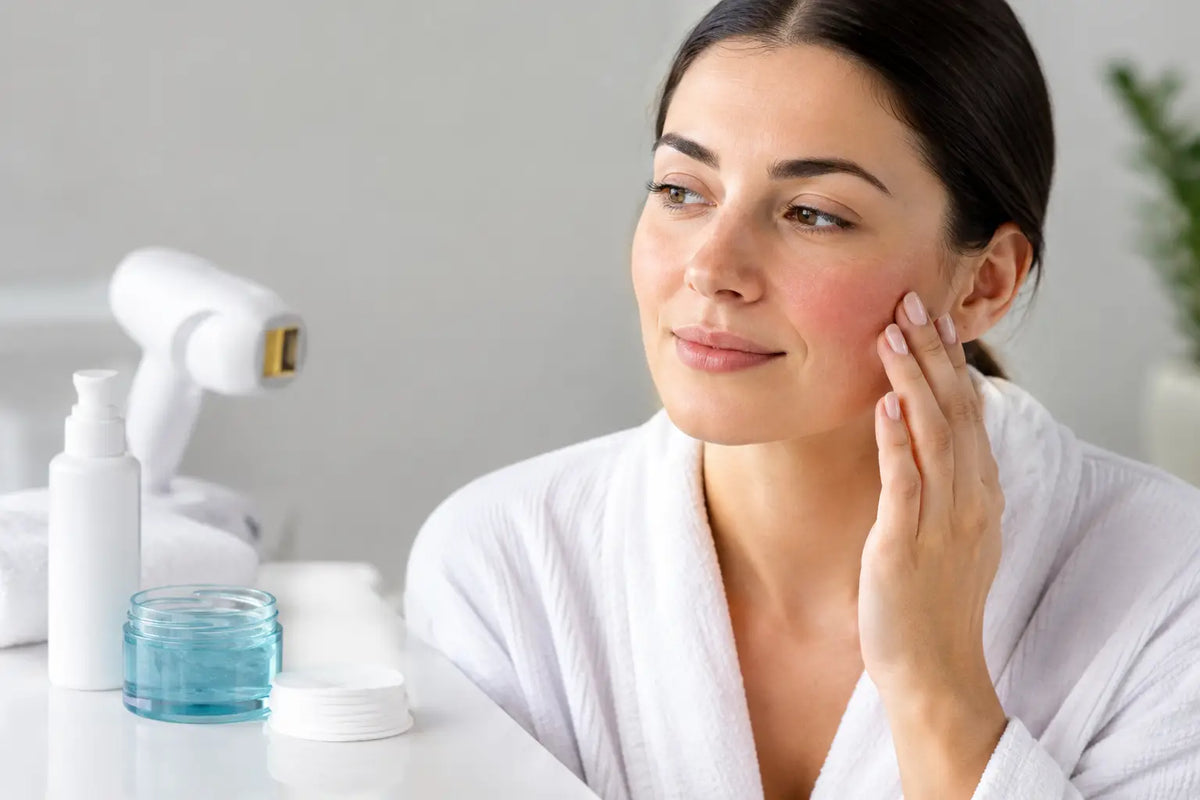
A little warmth and temporary pinkness after an IPL session can happen. A burning sensation that continues, intense pain, swelling, blisters, or darkened skin is different. Knowing how to treat IPL burns quickly can help protect your skin, prevent further irritation, and tell you when it is time to get medical care.
At-home IPL is designed to make smooth-skin routines more convenient, but your skin still deserves a careful approach. Pause treatment right away, focus on calming the area, and do not try to power through discomfort for the sake of your next session.
Is It an IPL Burn or Normal Post-Treatment Redness?
Mild, short-lived redness around the hair follicles can be a normal response to light-based hair removal. It may look similar to small red dots or feel warm for a few hours. This usually settles with gentle cooling and simple skin care.
An IPL burn tends to feel more severe. You may notice persistent stinging, sharp pain, pronounced swelling, a patch of skin that turns white, gray, deep red, brown, or purple, or blisters. Symptoms that worsen over the next several hours deserve extra attention. Skin reactions can also be harder to assess on deeper skin tones, so pay close attention to pain, heat, swelling, texture changes, and any new discoloration.
When in doubt, treat the area gently and stop using your device until your skin is fully healed.
How to Treat IPL Burns Right Away
The first goal is to remove heat from the skin without causing more trauma. Stop the IPL session immediately and move away from any heat source.
Hold the affected area under cool, running water for 20 minutes if possible. Cool water is best. Do not use ice, frozen gel packs directly on the skin, or extremely cold water. Ice can further damage already stressed skin and make a burn worse.
After cooling, gently pat the area dry with a clean, soft towel. Do not rub. If clothing, jewelry, or anything tight is near the area, remove it carefully before swelling increases. Never pull off fabric that is stuck to the skin. That needs medical attention.
Cover the spot loosely with a sterile, nonstick dressing or clean gauze if friction from clothing is likely. Keep the area clean, dry, and protected. A pharmacist or clinician can help you choose an appropriate dressing if you are unsure.
For pain, an over-the-counter pain reliever may be an option when used exactly as directed on the label. If you have a medical condition, take prescription medication, are pregnant, or have questions about what is safe for you, ask a healthcare professional first.
What Not to Put on an IPL Burn
Skip the DIY fixes. Butter, oils, toothpaste, fragranced lotion, alcohol-based toners, essential oils, exfoliating acids, retinoids, and numbing creams can trap heat or intensify irritation. Avoid using makeup on a facial burn until the skin is calm and intact.
Do not pop blisters. Blisters protect vulnerable skin underneath. Breaking them raises the risk of infection and can make healing slower. If a blister breaks on its own, rinse gently with clean water, cover it with a sterile nonstick dressing, and contact a healthcare professional for guidance.
When to See a Doctor for an IPL Burn
Some mild irritation can be managed at home, but IPL burns are not something to minimize. Get prompt medical care if you have blistering, broken skin, severe or increasing pain, numbness, substantial swelling, or a burn larger than your palm.
You should also seek medical advice for burns on the face, hands, feet, genitals, over a major joint, or near the eyes. Eye pain, vision changes, light sensitivity, or an accidental flash into the eye should be treated as urgent. Do not wait to see whether it improves.
Watch for infection as the area heals. Increasing redness, spreading warmth, pus, fever, red streaks, or pain that gets worse instead of better are reasons to contact a clinician promptly. People with diabetes, circulation issues, immune conditions, or a history of difficult wound healing should get medical advice early, even for a burn that appears small.
Caring for Skin in the Days After an IPL Burn
Healing skin needs a quiet routine. Keep showers lukewarm and brief. Pat the area dry, wear loose breathable clothing, and avoid friction from tight waistbands, bras, workout gear, or shaving over the affected spot.
Sun exposure can worsen irritation and increase the chance of lingering dark or light marks. Keep the area covered with clothing when possible. Once the skin is fully intact and no longer raw or blistered, use broad-spectrum sunscreen daily on exposed areas. If you have an active burn, blister, or open skin, ask a clinician what protection is appropriate before applying products directly to it.
For now, skip hot baths, saunas, steam rooms, intense workouts, swimming pools, and hot tubs. Heat, sweat, chlorine, and rubbing can all aggravate sensitive skin. Wait until the area has completely healed and feels normal again.
Do not resume IPL treatment on the area until it is fully healed and you understand why the reaction happened. If you developed a true burn, speak with a dermatologist or other qualified healthcare professional before treating that area again.
Why IPL Burns Happen
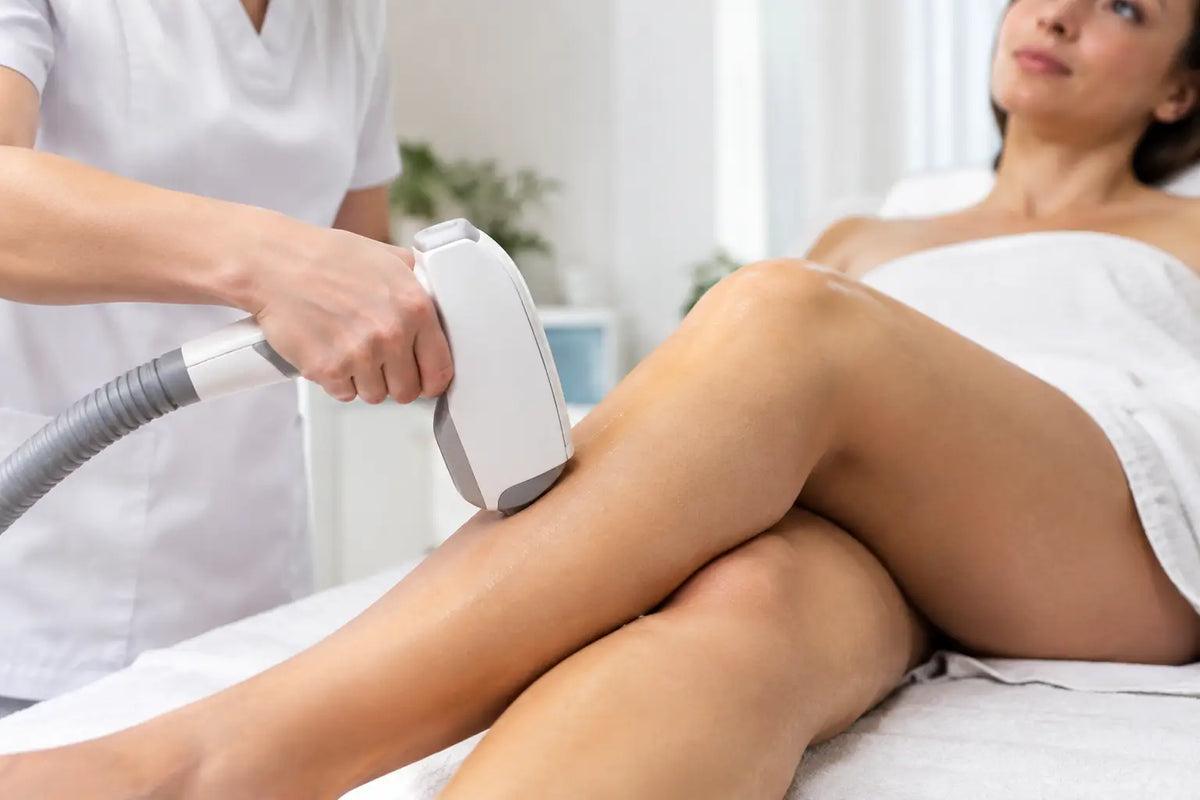
IPL uses pulses of light that target pigment in the hair. When settings are too intense for your skin, when skin has recently been exposed to sun, or when the device is used on an unsuitable area, excess heat can affect the surrounding skin.
A fresh tan is one of the most common risk factors because tanned skin contains more pigment. Self-tanner can create a similar problem. Using IPL over tattoos, dark moles, very dark spots, or areas with irritated or broken skin can also increase risk.
Certain medications and skin-care ingredients can make skin more sensitive to light. This may include some acne treatments, retinoids, antibiotics, and photosensitizing medications. Your device instructions and a healthcare professional are the right places to check if you use prescription medication or have a skin condition.
Technique matters, too. Repeated flashes over the same exact spot, treating an area that is not clean and dry, or starting at a high intensity without a patch test can lead to trouble. More flashes do not mean faster results. Consistent, correctly spaced sessions are the smarter path.
Prevent IPL Burns Before Your Next Session
Start with your device's treatment chart and use only on skin tones and hair colors it is designed to treat. The NOHA Device, like any at-home IPL device, should be used according to its instructions, including recommended intensity settings and treatment areas.
Do a patch test before your first full treatment and whenever your skin has changed due to sun exposure, new products, medication, or a recent reaction. Treat a small concealed area at the recommended low setting, then wait the full amount of time listed in the instructions before continuing.
For a safer session, make sure your skin is freshly shaved, clean, and completely dry. Avoid tanning before and during your treatment plan. Do not use IPL over tattoos, moles, freckles that are very dark, open cuts, rashes, or areas that are already irritated from waxing, exfoliating, or shaving.
Use the lowest effective setting first, especially on more sensitive zones such as the bikini line or underarms. Increase only if your device instructions allow it and your skin tolerated the earlier setting well. Place the device flat against the skin, use one flash per spot, and avoid overlapping flashes unless the manufacturer specifically directs otherwise.
If a pulse feels sharply painful or much hotter than expected, stop. Smooth skin should never require you to ignore your body's warning signs.
A Safer Way Forward
IPL can be a practical part of a lower-maintenance hair-removal routine, but safe results come from patience, correct settings, and respect for your skin's limits. Cool and protect any suspected burn, get help when symptoms are serious or uncertain, and only return to treatment when your skin is completely calm. Your best beauty routine is the one that leaves your skin looking smooth and feeling healthy.

Deja un comentario
Este sitio está protegido por hCaptcha y se aplican la Política de privacidad de hCaptcha y los Términos del servicio.