

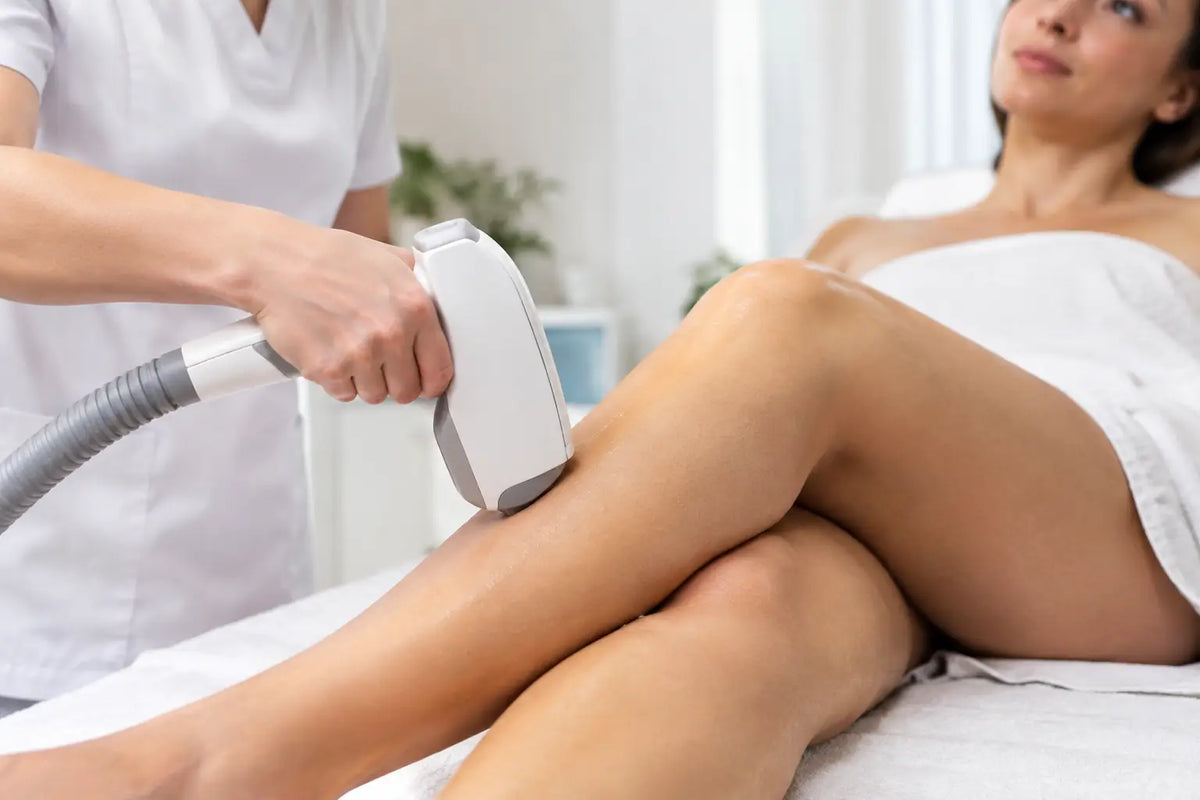
Freshly shaved legs, a quiet moment at home, and your IPL device ready to go - then comes the question that can make anyone hesitate: does IPL hurt on legs? For most people, IPL on the legs feels like a quick burst of warmth or a light snap against the skin, not the prolonged sting of waxing. And because each flash takes a moment, the sensation is over almost as soon as it starts.
Your experience can vary based on your hair color, skin tone, sensitivity, device setting, and how well you prep. But legs are often one of the easiest areas to treat with at-home IPL because they offer a broad, smooth surface and tend to be less sensitive than areas like the bikini line or underarms.
Does IPL Hurt on Legs?
IPL is designed to target pigment in the hair. The light converts to heat at the follicle, helping interrupt future hair growth over a series of treatments. That heat is what you may feel during a flash.
Most users describe it as a brief elastic-band snap, a tiny pinch, or a warm flick. Some flashes may feel more noticeable than others, especially where hair is darker or denser. The key word is brief. IPL does not pull hair out from the root, so it does not create the lingering soreness that can follow waxing or epilating.
A comfortable IPL session should not feel like you have to push through serious pain. If a setting feels sharp, intensely hot, or uncomfortable enough that you dread the next flash, turn the level down, review your preparation, and test a small area before continuing.
What IPL on Legs Actually Feels Like
The first few sessions can feel more noticeable because there is usually more active hair to target. As your treatment routine progresses and regrowth becomes finer or less frequent, many people find the sensation becomes easier to manage.
Your lower legs may also feel different from your thighs. The skin over the shin and around the ankle sits closer to bone, so flashes there can feel slightly sharper. The calves and thighs are often more comfortable because there is more soft tissue beneath the skin. This does not mean you need to avoid those areas. It simply means slowing down and choosing a comfortable energy level can make a real difference.
You may also notice that a single dark, coarse hair feels more intense than the surrounding area. That is normal: darker hair absorbs more light. A properly shaved treatment area helps keep the energy focused below the skin rather than heating visible hair above it.
IPL should not feel like waxing
Waxing involves gripping and pulling multiple hairs from the root. The discomfort can last through the pull and leave skin tender afterward. Shaving is painless but temporary, often becoming a repetitive part of the week. IPL takes a different approach: it uses repeated light treatments to help reduce regrowth over time.
There is a trade-off. IPL requires consistency rather than delivering a one-and-done result. Still, for anyone tired of booking waxes, dealing with razor bumps, or planning outfits around stubble, a few quick flashes can feel like a much easier commitment than a salon appointment every few weeks.
Why IPL Sensation Varies From Person to Person
Pain tolerance is personal, but preparation and treatment choices matter just as much. Darker, thicker hair can create a stronger sensation because it absorbs more of the IPL energy. A higher intensity setting can also feel warmer, although higher is not automatically better if it is not comfortable for your skin.
Skin condition matters, too. Treating irritated, sun-exposed, dry, or recently exfoliated skin can make a normally easy session feel unpleasant. Hormonal shifts, menstrual-cycle sensitivity, and even a rough shaving job can affect how your legs feel that day.
At-home IPL devices are also built for gradual, repeat use. You do not need to chase an aggressive setting to see progress. A setting you can use correctly and consistently is far more valuable than a setting that makes you skip treatments.
How to Make Leg IPL More Comfortable
Start by shaving your legs closely. Do not wax, tweeze, or epilate before IPL, since the follicle needs hair pigment to absorb the light. Shaving removes hair above the skin while leaving the follicle in place.
Treat clean, dry skin that is free from lotion, body oil, deodorant, self-tanner, and fragrance. Products on the skin can interfere with the treatment window and may make heat feel more intense. If you have just stepped out of a hot shower, wait until your skin is fully dry and back to its normal temperature.
A patch test is your best first move, especially if you are new to IPL or using a device for the first time. Test a small spot at a low setting, then wait according to your device instructions before treating a larger area. This gives you a clear read on how your skin responds without guessing.
For your first full session, begin at a comfortable lower level and work methodically. Keep the treatment window flat against the skin, flash once per spot, and avoid repeatedly flashing the same area during one session. On bony areas such as shins and ankles, use the setting that feels manageable instead of forcing the highest level.
If your legs feel warm afterward, a cool compress can be soothing. Skip hot baths, intense workouts, exfoliating acids, and direct sun exposure right after treatment if your skin feels sensitive. Sunscreen is especially smart when your legs will be exposed outdoors.
When IPL Discomfort Means You Should Stop
Quick warmth is one thing. Burning pain, blistering, swelling, unusual redness that does not settle, or changes in skin color are not sensations to ignore. Stop treatment if these occur and allow your skin to recover. Seek advice from a qualified healthcare professional if you have a concerning reaction.
You should also check your device guidance before use if you take medications that increase light sensitivity or if you use prescription skin treatments. IPL may not be suitable for every skin tone, hair color, medical condition, or treatment area. Never use IPL over tattoos, moles you have not had checked, broken skin, or areas with active irritation.
This is not about making your routine complicated. It is about treating confidently and respecting your skin. The best at-home beauty routine is one that feels simple, controlled, and comfortable enough to keep.
Is At-Home IPL Worth It for Legs?
For many people, legs are one of the most rewarding areas for IPL. They take time to shave, cover a large surface area, and can show stubble quickly. Reducing the need for constant shaving can mean smoother-looking legs, fewer last-minute grooming sessions, and more freedom to wear what you want without planning around hair removal.
The NOHA Device is made for the person who wants salon-inspired hair removal without building salon visits into her calendar. The goal is not to make each treatment dramatic. It is to make regular care feel easy enough to do from home, on your own schedule.
Results take patience. Hair grows in cycles, and IPL works best when you follow the recommended treatment schedule instead of expecting every hair to disappear after one session. But a few minutes of manageable flashes can be a welcome alternative to the recurring cost, mess, and discomfort of traditional hair removal.
Quick Questions About IPL Leg Pain
Does IPL hurt more on lower legs?
It can feel slightly stronger over the shins, ankles, and knees because those areas are bonier. Use a comfortable setting, keep the device fully flush with the skin, and move slowly through those spots.
Will IPL hurt if I do not shave first?
It may. Visible hair above the skin can heat up during the flash, creating more warmth and an unpleasant smell. Shave before each treatment for a more comfortable experience.
Can I use numbing cream before IPL?
Do not use numbing products unless your device instructions and a qualified healthcare professional say they are appropriate. Numbing skin can hide discomfort that would otherwise tell you to lower the setting or stop.
Smooth legs should not require a razor, appointment, or wax strip on repeat. Start slowly, listen to your skin, and let consistency do the work.

Deja un comentario
Este sitio está protegido por hCaptcha y se aplican la Política de privacidad de hCaptcha y los Términos del servicio.