

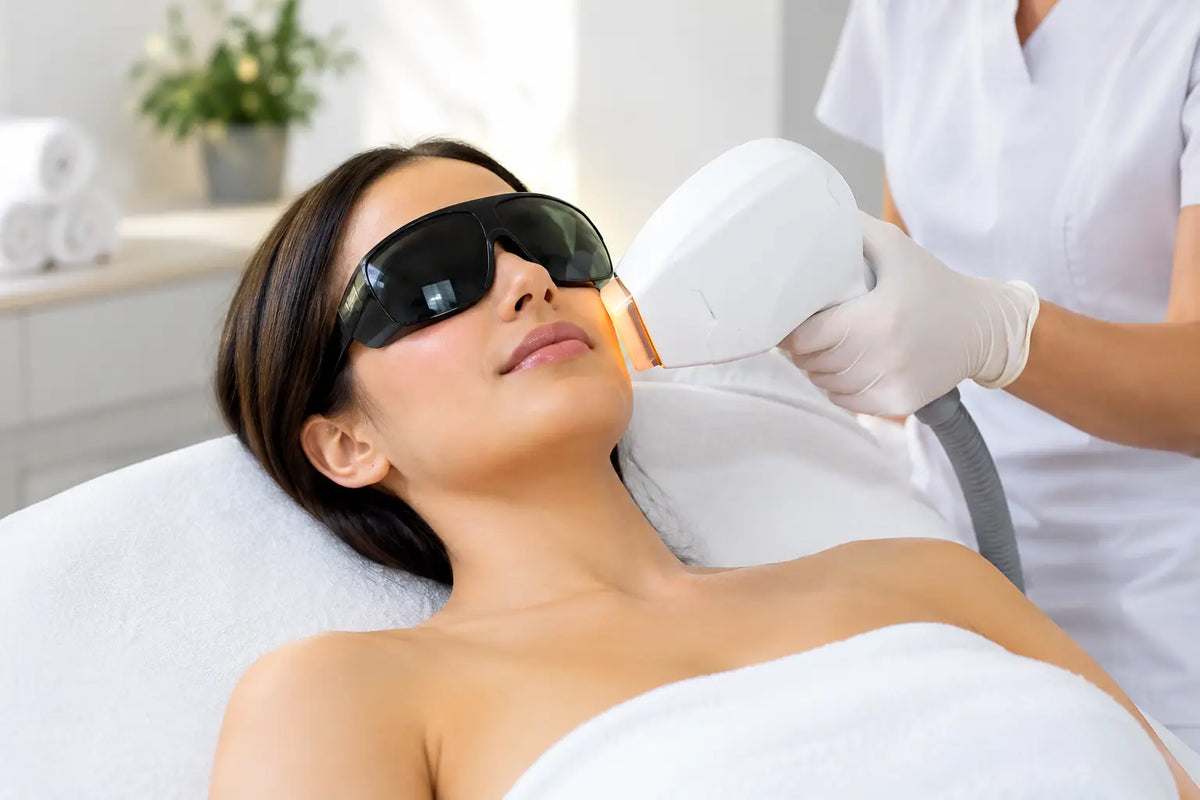
Smooth skin should not come with a guessing game. The best top IPL safety tips are simple, but they make a real difference in how comfortable your treatments feel and how consistently you can use your device. A few minutes of prep can help you avoid unnecessary irritation, protect your skin, and stay focused on the low-maintenance results you want.
IPL hair removal is designed to fit into real life: no salon appointments, no rushed waxing sessions, and no daily shaving routine. Still, at-home treatments work best when you treat your skin with care. Think clean skin, smart timing, and a steady schedule.
Top IPL Safety Tips Before Your First Treatment
IPL uses gentle pulses of light that target pigment in the hair. The light converts to heat in the follicle, helping disrupt the hair growth cycle over time. Because the technology interacts with pigment, your skin tone, hair color, recent sun exposure, and current skincare routine all matter.
Start with the instructions for your specific device. Every at-home IPL device has its own approved treatment areas, intensity settings, and recommended schedule. A device such as the NOHA Device is made to bring salon-inspired convenience home, but the safest setting is not always the highest setting. Begin where your skin feels comfortable and increase only as directed by the device instructions.
Confirm that IPL is right for your skin and hair
IPL is typically most effective when there is a clear contrast between the hair and surrounding skin, often with darker hair and lighter-to-medium skin tones. Some devices include sensors or a skin-tone chart to help determine suitability. Use those tools honestly. They are there to protect your skin, not slow down your progress.
Very light blonde, gray, red, or white hair may not contain enough pigment for IPL to target effectively. Likewise, some deeper skin tones may not be suitable for particular at-home IPL devices because the light can be absorbed by pigment in the skin instead of primarily by the hair.
If you are unsure whether your skin tone or hair color is compatible, do not guess. Check your device guidance or speak with a dermatologist. The right match gives you a better chance of seeing results while reducing the risk of discoloration, burns, or irritation.
Read your medication and skincare labels
Certain medications and topical products can make skin more sensitive to light. This can include some acne treatments, retinoids, antibiotics, and photosensitizing medications. If you use prescription skincare, take medication that warns against sun exposure, or are managing a skin condition, ask your doctor or dermatologist before starting IPL.
The same goes for strong at-home exfoliants. Pause products containing retinol, prescription retinoids, high-strength acids, or other potentially irritating actives around the treatment area according to your clinician's advice and device instructions. Freshly sensitized skin and heat are not a great combination.
Pregnancy, breastfeeding, active infections, a history of light-triggered conditions, or recent procedures such as chemical peels may also call for extra caution. When in doubt, wait or get professional guidance first. Smooth skin is never worth pushing through uncertainty.
Prep Your Skin for a More Comfortable IPL Session
Good prep is one of the easiest ways to make at-home IPL feel more comfortable. Your goal is a clean, calm skin surface with the hair shaved close to the skin.
Shave the area shortly before treatment. Do not wax, tweeze, thread, or use an epilator beforehand, because IPL needs the hair root in place to target the follicle. Shaving removes visible hair above the skin without pulling out the root, which also helps prevent surface hair from absorbing excess heat.
Wash the area and dry it completely. Skip lotion, body oil, deodorant, perfume, makeup, self-tanner, and sunscreen on the spot you plan to treat. These products can create a barrier, react with heat, or make it harder for the device to sit evenly against the skin.
Avoid treating freshly tanned, sunburned, or recently sun-exposed skin. Whether the color came from a beach day, a tanning bed, or a self-tanner, wait until your skin has returned to its normal tone and is fully calm. Sun exposure can increase sensitivity and make it harder to safely assess your skin tone.
Always do a patch test
A patch test is your skin's first introduction to IPL, and it should never be skipped. Choose a small, discreet area where you plan to treat. Use the lowest recommended level, follow the device instructions, and wait the stated amount of time before completing a larger session.
Mild temporary warmth or slight redness can happen, especially when you are new to IPL. But swelling, blistering, prolonged pain, intense redness, or changes in skin color are signs to stop. Do not try again at a stronger level. Let your skin recover and seek medical advice if symptoms are significant or do not improve.
Use IPL Carefully During Treatment
Once you have prepped, take your time. At-home IPL should feel like intentional self-care, not something to rush through between errands.
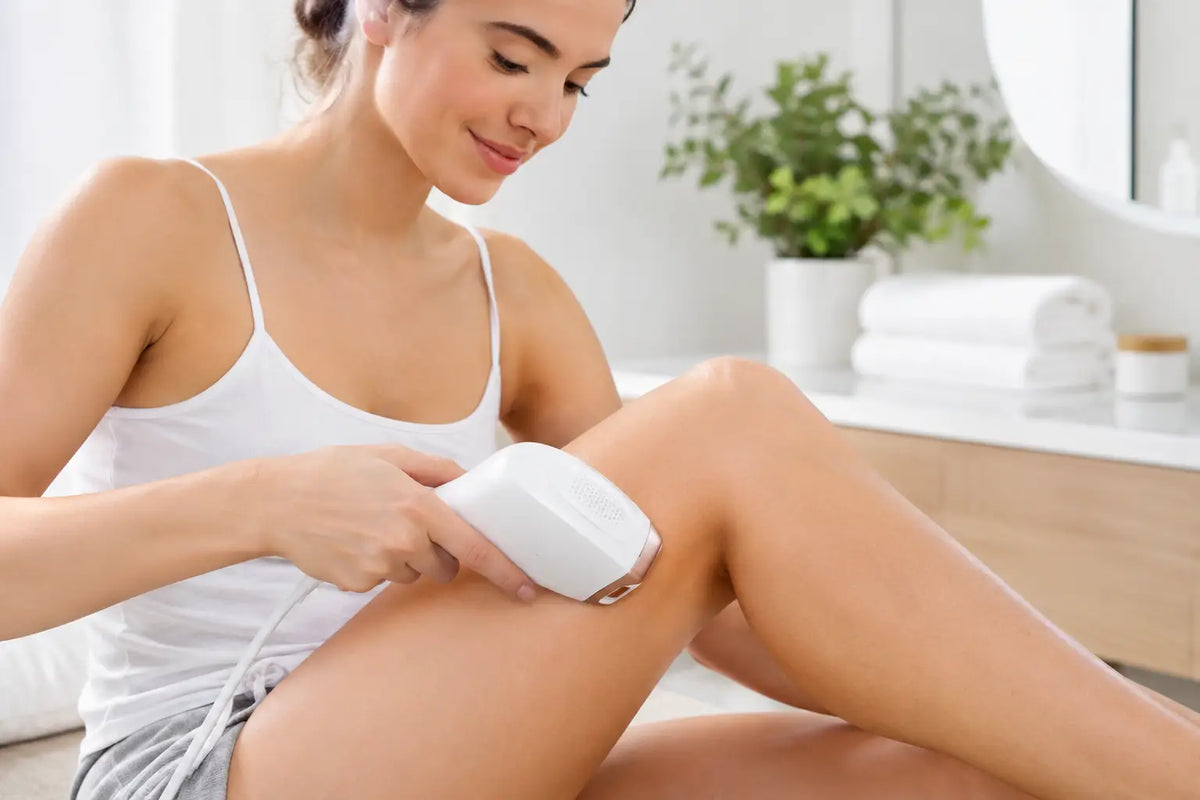
Keep the treatment window flat against clean, dry skin so the light flashes where it is meant to. Avoid repeated flashes in the exact same spot during one session unless your device instructions specifically allow overlap. More flashes do not mean faster results. Over-treating can raise the chance of irritation.
Never use IPL close to or directly around the eyes, on the eyelids, or on the eyebrows. The light is powerful, and eye safety is non-negotiable. Also avoid use on tattoos, dark moles, beauty marks, freckles that are unusually dark, varicose veins, open wounds, rashes, irritated skin, or areas with active acne breakouts. Cover or avoid any spot your device guide says not to treat.
For sensitive areas, start low and pay attention to how your skin responds. Underarms, the bikini line, and other areas with thinner or more sensitive skin may need a gentler setting than legs. It is completely fine to use different intensity levels on different body areas if your device allows it.
If treatment feels sharply painful, excessively hot, or uncomfortable beyond a quick snap of warmth, stop immediately. Check that your skin is clean, the device is appropriate for the area, and your selected setting is right for your skin. Pain is not proof that it is working.
Aftercare That Keeps Skin Calm
After an IPL session, treat your skin like it just had a little extra attention. Keep the area clean, avoid friction, and use a simple fragrance-free moisturizer if your skin feels dry. A cool compress can feel soothing if you experience mild warmth or redness.
For the next day or two, avoid hot baths, saunas, steam rooms, intense workouts, tight clothing over the treated area, and harsh exfoliation. These can all add heat or friction when skin is more reactive. Skip fragranced body products if the area feels sensitive.
Sun protection matters after every treatment, especially on exposed areas like the face, arms, and legs. Use broad-spectrum sunscreen as part of your daily routine and limit direct sun exposure when possible. This helps reduce the chance of irritation and uneven-looking pigmentation.
Do not wax or tweeze between treatments. If hair appears as it sheds or regrows through its normal cycle, shave instead. IPL results build with consistency because not every hair is in the active growth phase at the same time.
Consistency Beats Overdoing It
IPL is not a one-night fix. Most people need a series of sessions spaced according to their device's instructions, followed by occasional maintenance as needed. That timeline is normal. Hair grows in cycles, and the goal is to catch more follicles during the phase when they can respond to treatment.
Resist the temptation to treat more often than recommended. Using IPL too frequently does not force hair to disappear faster, but it can leave skin stressed. Take progress photos in similar lighting if you want a clearer view of changes over time. You may notice slower regrowth and softer, sparser hair before you see a major reduction.
When to stop and get advice
Stop treatment and speak with a medical professional if you develop blistering, significant swelling, persistent pain, crusting, unusual pigment changes, or signs of infection. You should also pause if your medication, skincare prescription, or health status changes.
IPL can be a smart alternative to repetitive shaving and costly appointments, but smart beauty routines always make room for caution. Give your skin the same patience you give your results. A calm, consistent routine is what helps smooth-skin confidence last.

Leave a comment
This site is protected by hCaptcha and the hCaptcha Privacy Policy and Terms of Service apply.