

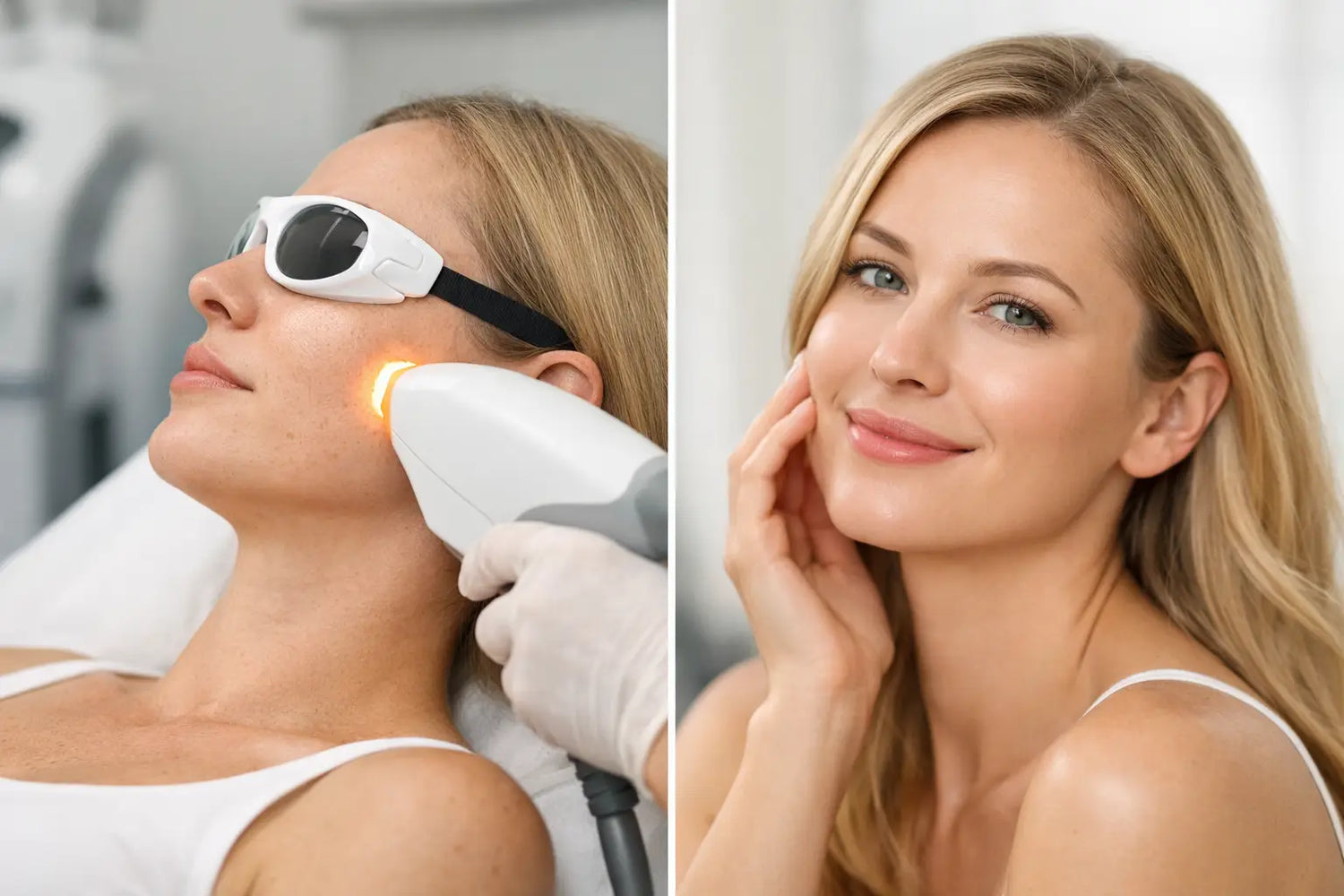
If you are checking the mirror, running your hand over your legs, and wondering whether IPL results after 8 weeks should look more dramatic by now, that is a fair question. Eight weeks is usually the point where people stop guessing and start noticing. Hair often grows back slower, patches can look thinner, and your routine may already feel much easier than shaving every few days.
That said, week 8 is not the finish line. It is the stage where consistency starts paying off in a visible way. For many users, the biggest shift is not that every single hair is gone overnight. It is that regrowth becomes less annoying, less frequent, and much less dense.
IPL results after 8 weeks are usually noticeable
Most people can expect a meaningful reduction in hair growth after 8 weeks of regular IPL use. In simple terms, hair tends to come back finer, lighter, and more slowly. Some areas respond quickly and start looking smoother earlier, while other areas take longer and need more sessions before the difference feels obvious.
This is where expectations matter. IPL works by targeting pigment in the hair follicle during the growth phase, and not all hairs are in that phase at the same time. That is why treatment schedules are repeated over several weeks. You are not failing if you still see regrowth at week 8. You are catching more follicles as they cycle through active growth.
For someone used to shaving, this can still feel like a huge win. Less stubble, fewer ingrown hairs, and longer stretches of smooth skin are real progress. Even before maximum reduction happens, the maintenance burden usually drops.
What changes you may see by week 8
The most common sign of progress is slower regrowth. You may notice that hair does not return as quickly after treatment, and when it does, it can appear softer or more sparse. Many users also see patchiness, where some sections become noticeably smoother than others. That can look uneven at first, but it is a normal part of the process.
Another common change is easier upkeep. You may shave less often between sessions, and the hair that does come back may feel less coarse. For areas like legs, underarms, arms, bikini line, or facial hair, that can make a real difference in your weekly routine.
Skin can look better too, although that depends on your starting point. If shaving usually leaves you with irritation, razor bumps, or dark-looking stubble under the skin, reducing hair growth can make the area appear cleaner and smoother over time.
Why your results may not match someone else’s
IPL is effective, but it is not identical for everyone. Hair color, skin tone, treatment consistency, and the area being treated all affect what you see at the 8-week mark.
Dark, coarse hair often responds best because the pigment gives the light more to target. Finer hair can improve too, but the process may be slower. Hormonal areas, especially the face or bikini area, can sometimes be more stubborn than legs or underarms. That does not mean IPL is not working. It may simply mean you need more sessions and more patience.
Missed sessions also matter. If treatments are spaced too far apart or used inconsistently, you may not hit enough follicles during the right growth phase. The people who tend to be happiest with their progress are usually the ones who stay on schedule, even when early results are subtle.
IPL results after 8 weeks by body area
Legs are often one of the most satisfying areas to treat because the improvement can be easy to see. By week 8, many users notice larger smooth sections and far less frequent shaving. Underarms can also respond well, though regrowth may still show in smaller patches.
The bikini line is often a little more mixed. Some people see strong reduction early, while others need more time because the hair there can be dense and hormonally influenced. Facial hair can be the most variable of all. If hormones are playing a role, progress may be slower and maintenance may be more ongoing.
This is why it helps to judge results area by area, not all at once. One part of your body may be responding beautifully while another is still catching up.
What if you still have hair after 8 weeks?
That is normal. Eight weeks of IPL use can deliver clear progress, but it does not always mean complete hair removal in every treated area. The better question is whether the hair is changing. If it is growing back slower, coming in thinner, or appearing in fewer spots, the treatment is moving in the right direction.
IPL is a long-game beauty tool. It is designed to reduce growth over time, not create a one-session miracle. If your results are modest but visible, that is usually a sign to keep going, not quit early.
What you do not want is to mistake unfinished progress for failure. A lot of users expect total smoothness too soon, then stop right before stronger results would have appeared. Consistency is where the payoff gets better.
How to get better results after week 8
If you want stronger results, your routine matters as much as the device itself. Start with clean, freshly shaved skin before each session. That helps the light focus below the surface instead of getting distracted by hair above it. Stick closely to the recommended treatment schedule and do not skip weeks just because the regrowth seems lighter.
It also helps to be methodical. Treat the full area evenly and avoid rushing. Missing strips on the skin can create those random patches that make results feel less impressive than they actually are.
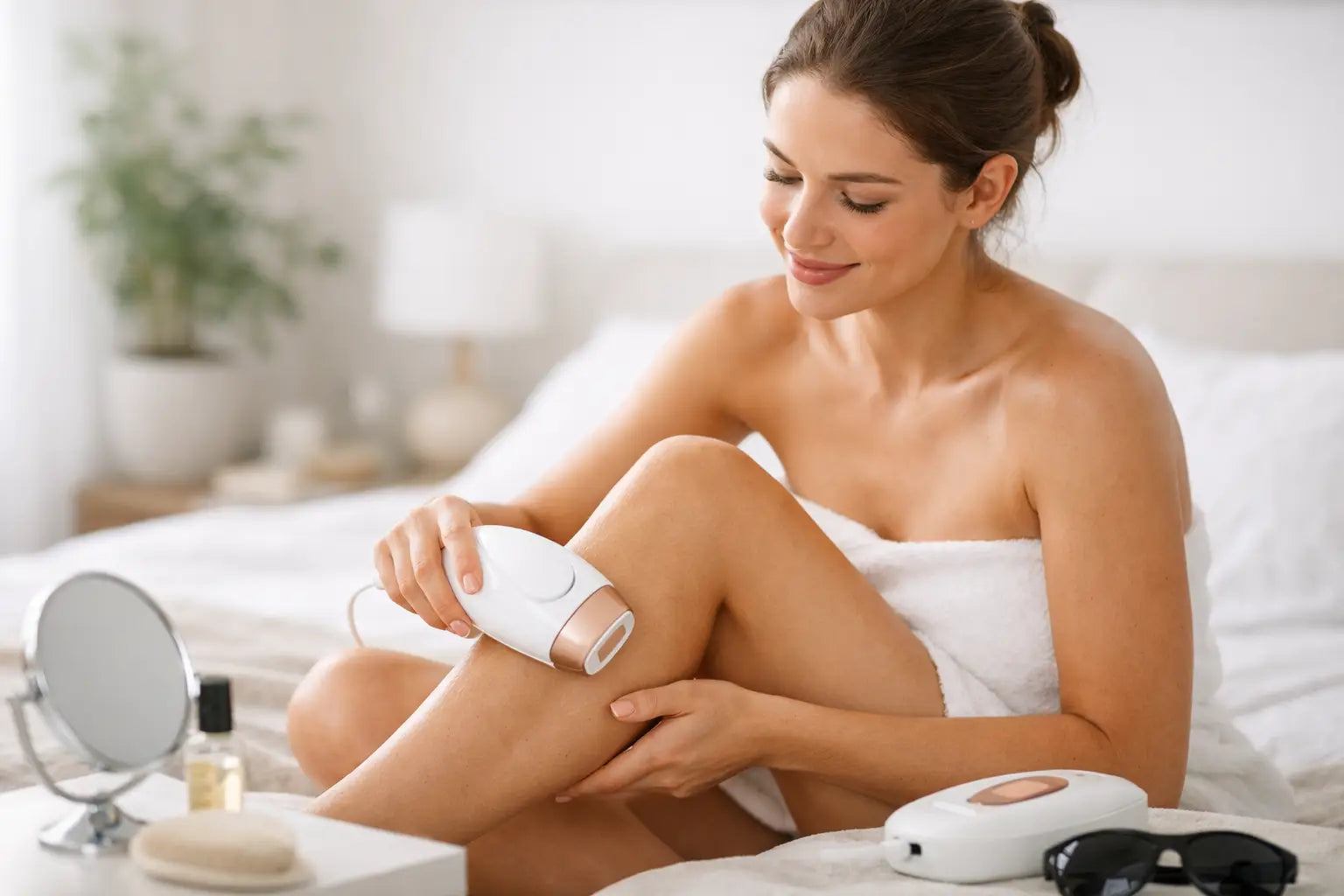
Sun exposure is another factor to respect. Skin that is recently tanned or irritated is not ideal for treatment, and following usage guidance helps keep the process safer and more effective. If you are using an at-home device like the NOHA Device, the advantage is convenience. You can stay consistent without booking appointments, driving to a clinic, or paying for repeated sessions that add up fast.
The biggest mistake people make at this stage
The biggest mistake is stopping too soon because results are good, but not perfect. Week 8 is often where the process starts to feel worth it. It is not always where the final transformation is complete.
Another mistake is comparing your body to someone else’s photos or timeline. Beauty marketing often focuses on best-case outcomes, but real progress is personal. What matters most is whether your skin feels easier to maintain and whether hair is becoming less of a daily problem.
If the answer is yes, you are likely on track.
Is 8 weeks enough to know if IPL is working?
Usually, yes. By 8 weeks, most people should have some sign that IPL is doing something. That sign may not be dramatic hairlessness, but it should be a pattern of reduced regrowth, softer texture, or less dense return.
If absolutely nothing has changed, it may be worth reviewing how you are using the device, whether your hair and skin combination is a strong match for IPL, and whether you have been treating consistently enough. But if even small improvements are showing up, that is meaningful.
This is especially true if your goal is freedom from constant grooming rather than perfection overnight. Many women do not need every follicle gone to feel thrilled with the change. They just want fewer razors, fewer painful wax appointments, and more confidence in smooth skin.
What realistic progress actually looks like
Realistic IPL progress after 8 weeks looks like this: shaving becomes less frequent, regrowth starts taking longer, and the hair that returns is often more manageable. You may still need touch-ups, and you may still have stubborn spots. But your routine should start feeling lighter.
That is the real value. Not just fewer hairs, but less effort. Less money spent on temporary fixes. Less frustration with stubble showing up right after you already dealt with it.
The best way to think about IPL at week 8 is simple. If the hair is losing ground, the treatment is doing its job. Keep going, stay consistent, and let the results build. Smooth skin is rarely about one dramatic moment. More often, it is the quiet relief of realizing hair is no longer running your schedule.

Leave a comment
This site is protected by hCaptcha and the hCaptcha Privacy Policy and Terms of Service apply.