

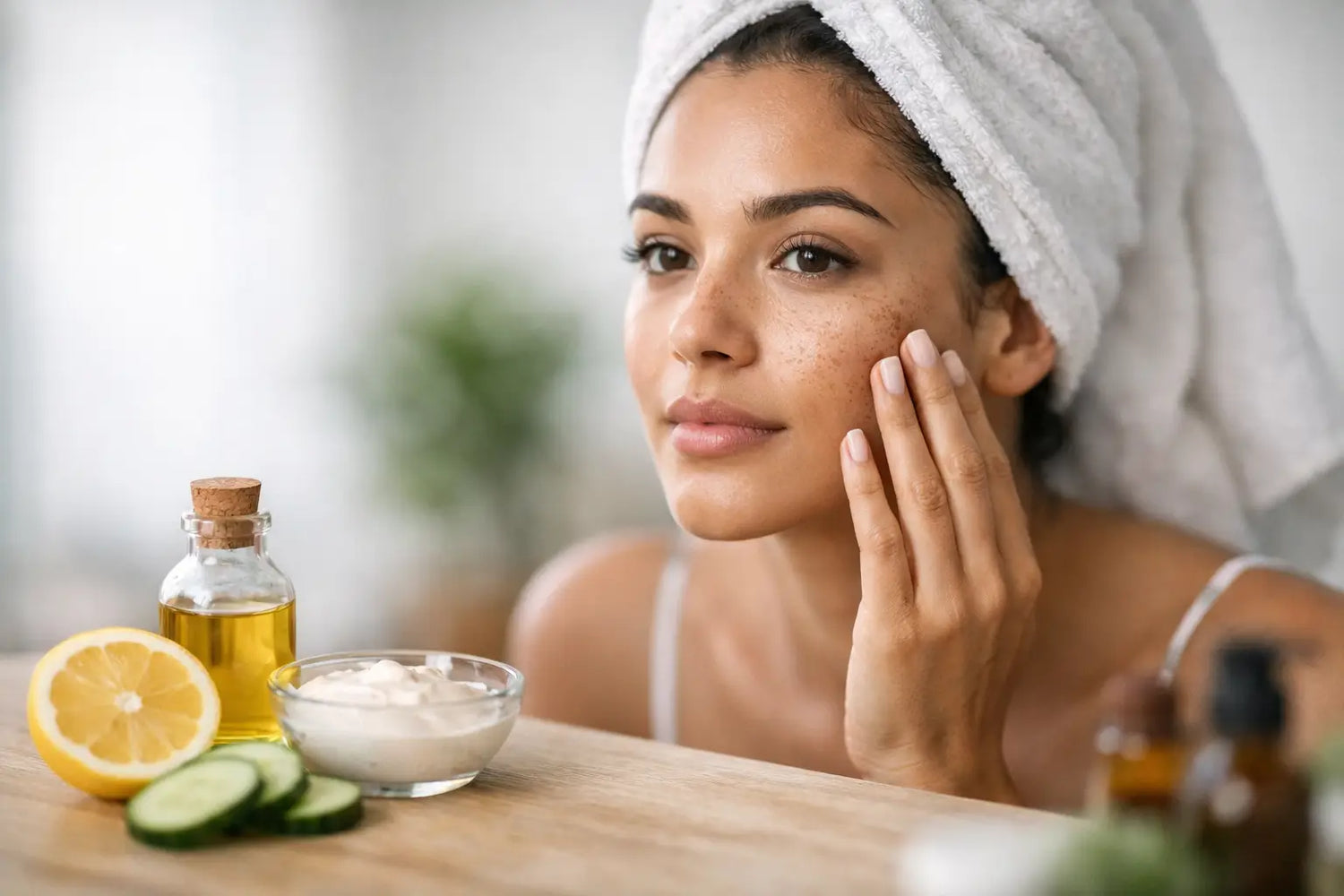
That stubborn mark left behind after a breakout is often more annoying than the breakout itself. If you’re searching for how to reduce dark spots naturally at home, the good news is that you can make real progress with a gentler, more consistent routine - and without turning your bathroom into a chemistry lab.
Dark spots do not usually fade because of one miracle trick. They fade when you stop triggering new discoloration, protect your skin from daily stress, and use a few proven ingredients long enough to let your skin catch up. That is the part most people miss. Results come from consistency, not intensity.
What dark spots actually are
Most dark spots are a form of hyperpigmentation. That simply means your skin produced extra melanin in one area after inflammation, irritation, sun exposure, or friction. A pimple, bug bite, scratch, or even aggressive hair removal can leave behind a spot that looks flat but darker than your natural skin tone.
This matters because not every dark spot should be treated the same way. Fresh post-acne marks often respond well to soothing care and sun protection. Sun spots from years of UV exposure can be slower to shift. If a spot changes shape, color, texture, or bleeds, that is not a home-treatment situation. It should be checked by a dermatologist.
How to reduce dark spots naturally at home without making them worse
The fastest way to keep dark spots around is to overdo it. Scrubbing hard, layering too many acids, picking at your skin, or trying harsh DIY remedies can all lead to more inflammation - and more pigment.
A better approach is simple. Keep your routine gentle, focus on ingredients with a strong reputation for brightening, and protect your skin every single day. Natural does not have to mean random. It should still be strategic.
Start with the one step that changes everything
If you do nothing else, wear sunscreen. This is the least flashy advice and the most effective. UV exposure darkens existing spots and makes new ones more likely, even when you are mostly indoors or just running errands.
Choose a broad-spectrum SPF 30 or higher and apply it every morning. If you skip this step, even the best natural brightening routine will feel slower than it should. Think of sunscreen as what protects your progress.
Go gentle with cleansing
Your cleanser should remove sweat, oil, and sunscreen without leaving your face tight or stripped. A harsh cleanse can weaken your skin barrier, which makes irritation more likely and discoloration harder to calm down.
Wash with lukewarm water, not hot. Use your fingertips, not a scrub brush. If your skin feels squeaky clean, that is usually a sign you went too far.
Natural ingredients that can help fade dark spots
Not every natural ingredient deserves the hype. Some are popular because they sound clean or homemade, not because they are skin-friendly. The best options are the ones that brighten gradually while keeping irritation low.
Aloe vera
Aloe vera is one of the easiest places to start. It is known for its soothing feel, which matters because calmer skin is less likely to hold onto post-inflammatory marks. Some compounds in aloe may also support a more even-looking tone over time.
Use a plain aloe vera gel without a long list of added fragrance or drying alcohols. Apply a thin layer after cleansing or after your serum, depending on the texture.
Licorice root extract
Licorice root is a standout for dark spots because it helps reduce the look of excess pigmentation while staying relatively gentle. If your skin gets reactive easily, this is often a smarter choice than jumping straight into stronger exfoliants.
You will usually find it in serums or brightening creams rather than as a DIY kitchen remedy. That is a good thing. Well-formulated products are more predictable and much less irritating.
Vitamin C from skincare, not citrus on your face
Vitamin C can help brighten uneven tone and support a fresher look, but the form matters. A properly made serum is very different from rubbing lemon juice on your skin. Lemon is acidic, irritating, and can actually trigger more discoloration, especially in sunlight.
If you want a natural-leaning way to use vitamin C, choose a serum from a reputable skincare product rather than a DIY mix. Start a few times a week and increase only if your skin stays comfortable.
Turmeric, carefully
Turmeric has a long reputation in beauty routines for helping skin look brighter and calmer. It can be useful, but it is messy and not ideal for everyone. It may stain fabrics, temporarily tint lighter skin, and irritate sensitive complexions if mixed with harsh ingredients.
If you want to try it, keep it simple. A small amount mixed into a gentle mask base, used briefly and patch tested first, is safer than leaving on a strong homemade paste for half an hour.
Niacinamide
Niacinamide is not a plant extract, but it is a skin-friendly favorite that fits beautifully into a natural-leaning routine. It helps support the skin barrier, improve overall tone, and reduce the look of post-breakout marks without the drama of stronger actives.
For many people, this is the ingredient that makes a routine feel effective and easy to stick with.
DIY remedies to skip
If your goal is smoother, clearer-looking skin, a few common home remedies are simply not worth the risk. Lemon juice, undiluted apple cider vinegar, baking soda, and toothpaste can all irritate the skin and make discoloration worse.
The trade-off is simple. Something harsh may feel active because it stings, but stinging is not the same as results. Dark spots fade faster on calm skin.
Habits that quietly keep dark spots around
Sometimes the issue is not what you are using. It is what keeps happening every week.
Picking at pimples is a major one. So is over-exfoliating. Friction from tight clothing, rough towels, or aggressive shaving can also leave skin more prone to marks, especially on the body.
If you deal with dark spots after hair removal, prep and aftercare matter. Clean skin, a gentle glide, and calming products afterward can reduce the inflammation that leads to post-inflammatory hyperpigmentation. For people trying to cut down on repeated razor irritation, at-home devices like the NOHA Device can also help simplify the routine over time by reducing the constant cycle of shaving and regrowth that often stresses the skin.
A simple at-home routine that works
If your routine is crowded, simplify it. More products do not automatically mean faster fading.
Morning
Cleanse gently, then apply a brightening serum with ingredients like vitamin C, niacinamide, or licorice root. Follow with moisturizer if you need it, and finish with sunscreen.
Night
Cleanse again, then use a soothing or brightening product. Aloe vera gel, niacinamide, or a gentle spot-fading serum can work well here. Seal it in with a basic moisturizer.
Two or three products used consistently will usually outperform an eight-step routine you quit after ten days.
How long does it take to see improvement?
This is where expectations matter. Some newer spots can start looking lighter in four to eight weeks. Older or deeper discoloration may take a few months. Darker skin tones can also experience more persistent post-inflammatory pigmentation, which means patience is part of the process, not a sign that you are failing.
If your skin is sensitive, going slower is often smarter. A routine you can tolerate for three months is better than an aggressive one that burns your barrier in a week.
When natural care is enough - and when it isn’t
Home care is often enough for mild post-acne marks and uneven tone that came from irritation or sun. But sometimes dark spots are stubborn, widespread, or tied to melasma, hormones, or deeper inflammation. In those cases, natural methods can help support the skin, but they may not fully clear the issue on their own.
If you have been consistent for 8 to 12 weeks and see no improvement, or if the spots are getting darker despite sunscreen, it may be time for professional guidance. That is not giving up. It is just choosing the right tool for the job.
The real win is not chasing instant perfection. It is building a routine that keeps your skin calm, protected, and steadily moving in the right direction. When you treat dark spots with patience instead of pressure, your skin usually responds better - and that glow looks a lot more natural.



Leave a comment
This site is protected by hCaptcha and the hCaptcha Privacy Policy and Terms of Service apply.