

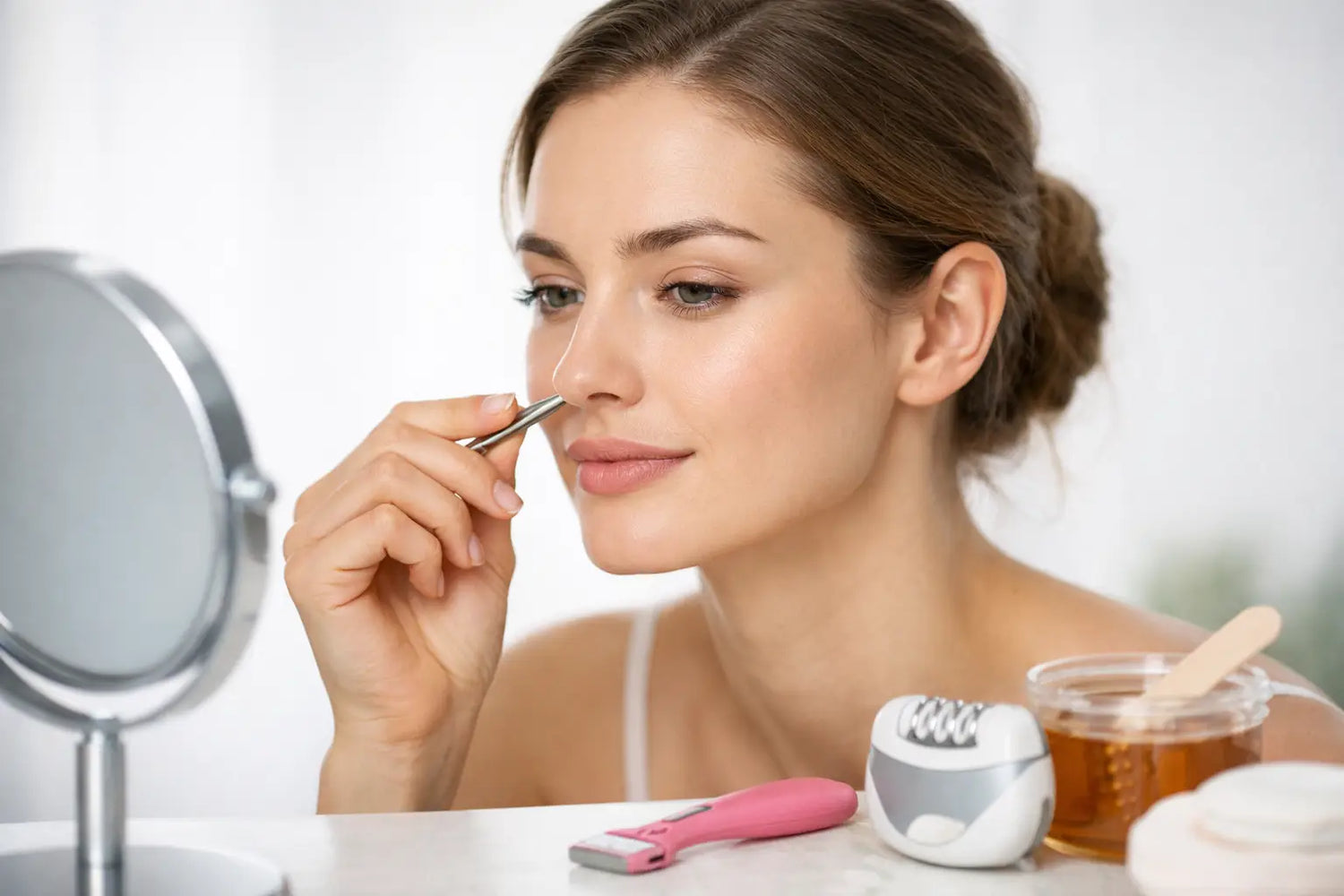
That tiny patch above your lip always seems to show up right before plans. Chin hairs feel even more annoying because they never arrive one at a time. A good facial hair removal guide women can actually use should make one thing clear fast - the best method is the one that fits your skin, hair type, pain tolerance, and routine.
Some women want the quickest fix possible. Others are tired of tweezing in the bathroom mirror every few days and want something that feels more permanent. Both are valid. The trick is knowing what each option really gives you, what it costs in time and money, and how your skin is likely to react.
Facial hair removal guide women can actually use
Facial hair is normal. Upper lip hair, chin hair, sideburn fuzz, peach fuzz, and a few coarse hairs around the jawline are all common. Hormones, genetics, age, and conditions like PCOS can all play a role, so if your facial hair suddenly becomes much heavier or darker, it may be worth checking with a healthcare provider.
For everyday beauty concerns, though, most women are deciding between five common options: shaving, waxing, threading, dermaplaning, and light-based hair reduction. None of them is perfect for everyone. The best one depends on whether your biggest priority is speed, smoothness, low irritation, or fewer touch-ups over time.
The fastest methods for facial hair removal
If you want immediate results, shaving and dermaplaning usually win.
Shaving gets dismissed too quickly, especially for facial hair. A small facial razor can remove upper lip hair and chin hair in minutes, and it is painless for most people. It also works well when you need a last-minute fix before makeup. The downside is maintenance. Hair comes back quickly, and if you are dealing with darker or coarser facial hair, stubble may become noticeable sooner than you would like.
Dermaplaning is similar in the sense that it removes hair at the surface, but it also exfoliates dead skin. That is why makeup often sits better after it. If your goal is smoother-looking skin right away, dermaplaning can feel like a two-in-one treatment. Still, it is not a long-term hair reduction method, and overdoing it can leave skin feeling sensitive or stripped.
A common fear is that shaving makes hair grow back thicker. It does not. Hair can feel blunt as it grows back because it has been cut straight across, which can make it seem coarser. That is a texture issue, not a true increase in hair growth.
Waxing and threading for longer-lasting smoothness
Waxing and threading remove hair from the root, so they usually last longer than shaving or dermaplaning. That is the main appeal.
Waxing can leave the skin smooth for weeks, and it is often used for the upper lip, cheeks, and sideburn area. But facial skin is delicate, and waxing is not always kind to it. If you use retinoids, acne treatments, or exfoliating acids, waxing can increase the risk of irritation or even skin lifting. It is also more painful than shaving, and repeated appointments add up.
Threading is a favorite for areas that need precision, especially brows and small sections of facial hair. It does not involve heat or wax, which makes it a better option for some sensitive skin types. But it can still cause redness, and like waxing, it becomes part of a repeat cycle. Smooth for a while, then back again.
If you are okay with regular upkeep and want hair removed from the root, these methods can work well. If you are tired of scheduling your face around regrowth, they may start to feel expensive and inconvenient fast.
If you want fewer touch-ups, consider IPL
This is where a true facial hair removal guide for women needs to be honest. If your goal is not just removal but reduction, surface methods will only take you so far.
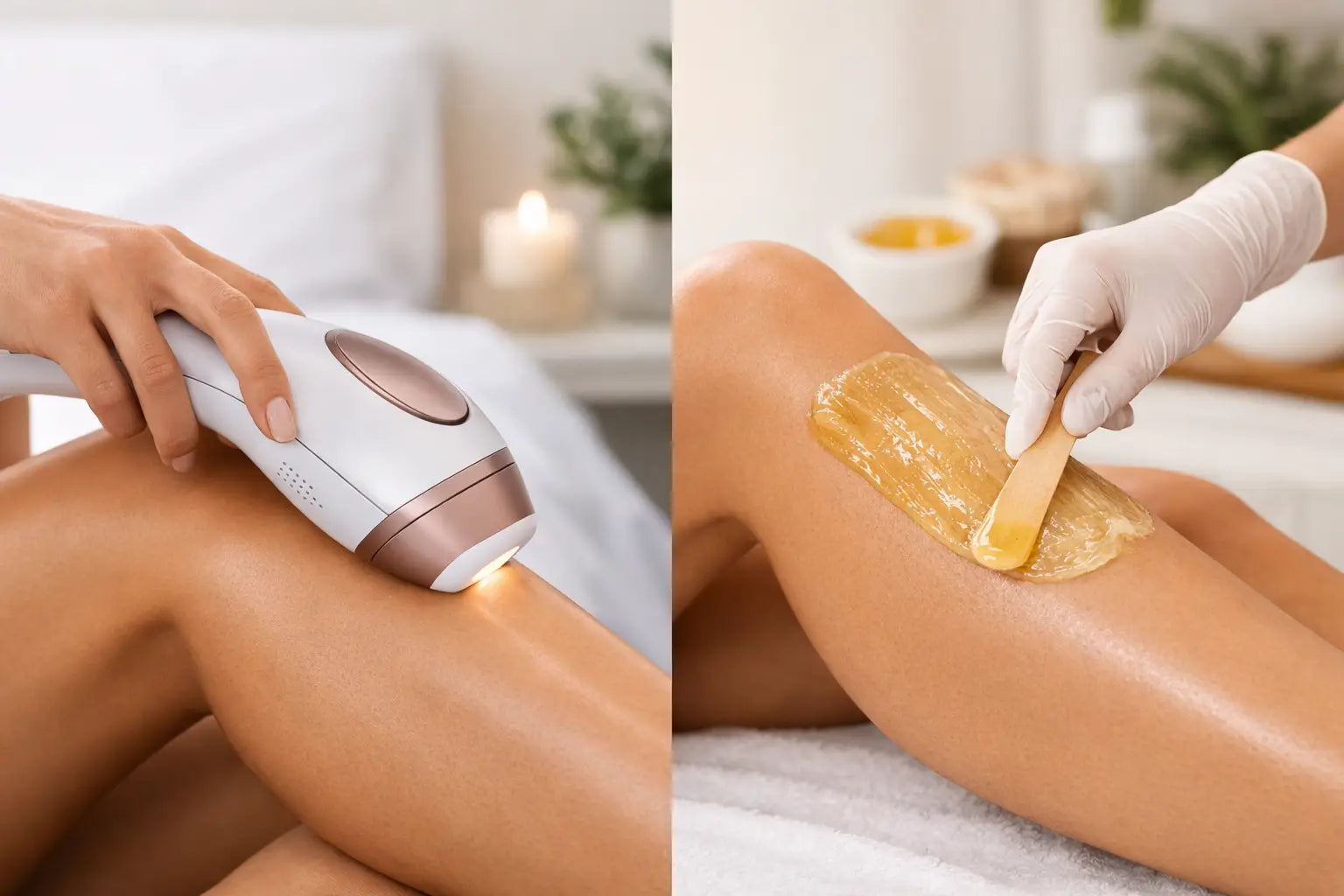
IPL, or intense pulsed light, targets the pigment in the hair and helps reduce regrowth over time. That is the real difference. Instead of removing what you can see today and starting over next week, IPL is designed to interrupt the cycle that keeps hair coming back.
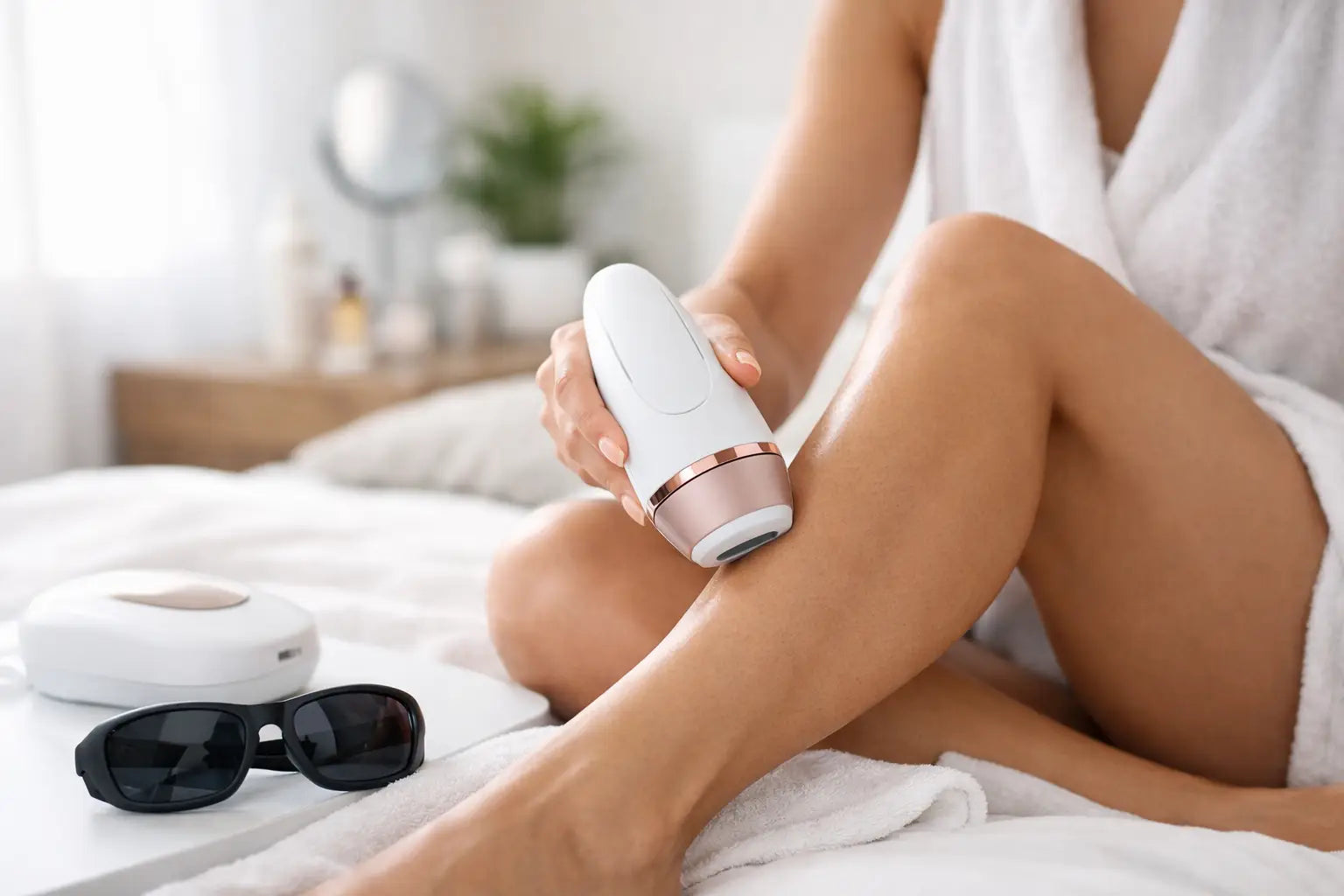
For women dealing with upper lip hair, chin hair, or sideburn growth they are constantly chasing, at-home IPL can be a smart move because it brings long-term value into the picture. You skip the regular salon visits, avoid the endless cost of waxes and razors, and treat on your own schedule.
That said, IPL is not a one-session miracle. You need consistency. Most people use it on a schedule over several weeks before seeing meaningful reduction, then move into maintenance as needed. It also works best when there is enough contrast between the hair and skin tone for the light to target the follicle effectively. That is why checking device guidance matters.
For many women, this is the first option that feels like freedom instead of upkeep. One at-home device can cost less than months of salon appointments, which is a big reason brands like NOHA resonate with women who want smoother skin without a professional price tag.
How to choose the right method for your face
Start with your real goal, not just your current frustration. If you need a quick fix for visible hair before an event, shaving or dermaplaning is practical. If you want a couple of smoother weeks and do not mind discomfort, waxing or threading may be enough. If you are tired of the constant cycle and want a low-maintenance routine, IPL makes more sense.
Your skin sensitivity matters just as much as your hair type. Reactive skin may not love waxing. Acne-prone skin may need extra care with dermaplaning. If you are prone to post-inflammatory dark spots, every method should be approached carefully because irritation can linger longer than the hair did.
Budget matters too, but not just the price you pay today. A cheap razor is low cost upfront, but replacing tools forever is still a cost. So are regular wax appointments, threading visits, and time spent repeating the same routine. Long-term thinking changes the math.
Prep and aftercare make a bigger difference than most people think
Whatever method you choose, your skin will respond better when it is prepped properly.
Make sure the area is clean and dry before starting. Avoid harsh exfoliants right before hair removal, especially on the face. If you are using retinol, prescription acne treatments, or strong acids, read your product instructions and be cautious with waxing or aggressive exfoliation.
After hair removal, keep skincare simple for a day or two. A gentle cleanser, fragrance-free moisturizer, and sunscreen are usually the safest move. The face does not need a dozen actives right after irritation. It needs calm.
This is especially important for upper lip and chin areas, where redness tends to show more. If your skin gets easily inflamed, test any new method on a small area first instead of going all in before a weekend or event.
When facial hair removal goes wrong
Most problems come from using the wrong method for your skin, not from facial hair removal itself.
If you see bumps after shaving, the razor may be dull, the skin may be too dry, or you may be shaving too aggressively. If waxing leaves you raw, your skin barrier may already be compromised. If threading causes repeated irritation, the area may need more recovery time between sessions.
With IPL, problems usually come from skipping instructions, using the wrong settings, or expecting immediate permanent results. The right device and the right routine matter. Slow and consistent beats rushed every time.
If you have active skin infections, open cuts, unusual moles in the treatment area, or a medical condition affecting your skin, it is smart to pause and ask a professional before trying a new removal method.
The best facial hair removal guide women should remember
The best method is not the trendiest one. It is the one you will actually keep up with and feel good about using.
If you want quick and cheap, shave. If you want smooth skin for longer and can handle some discomfort, thread or wax. If you want fewer touch-ups and more freedom from repetitive grooming, IPL is the option worth serious attention.
Facial hair does not need to control your routine. The right plan should make you feel more confident, more comfortable, and far less tied to the mirror.

Leave a comment
This site is protected by hCaptcha and the hCaptcha Privacy Policy and Terms of Service apply.