

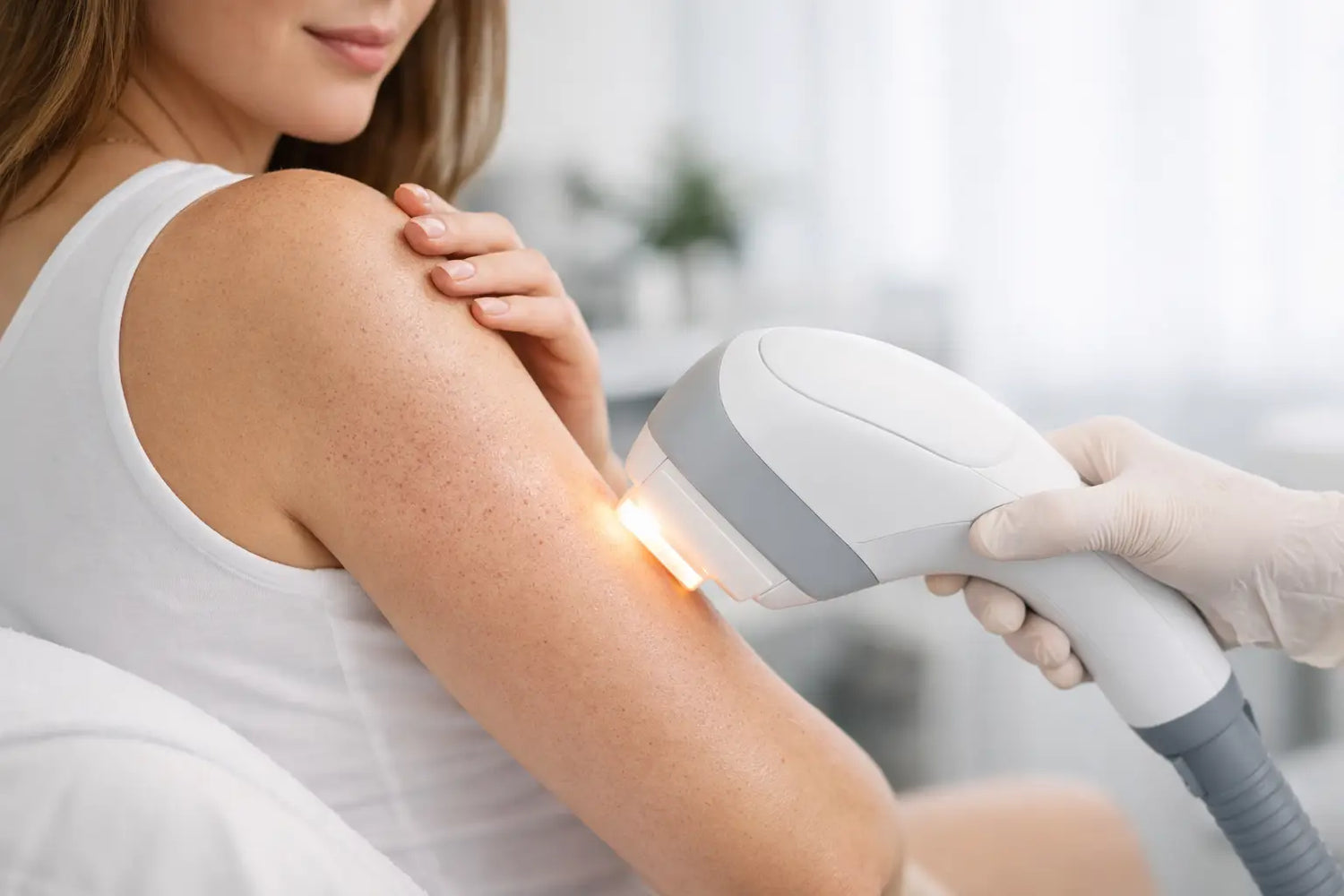
Those tiny, stubborn bumps on your upper arms can make a sleeveless top feel like more of a decision than it should be. So, can IPL help keratosis pilaris? It may help some people achieve a smoother-looking finish when hair removal is part of what makes their bumps, shadowing, or irritation more noticeable. But IPL is not a direct treatment for keratosis pilaris itself.
That distinction matters. If your goal is soft, comfortable, confident skin, the best results usually come from pairing a thoughtful hair-removal routine with gentle skin care - not treating IPL like a one-step cure.
What keratosis pilaris actually is
Keratosis pilaris, often called KP or “chicken skin,” happens when keratin, a natural protein in the skin, builds up around hair follicles. The result can be small rough bumps, dryness, and sometimes redness or darker-looking dots. It commonly appears on the upper arms, thighs, buttocks, and occasionally the cheeks.
KP is harmless, incredibly common, and not caused by poor hygiene. Still, that does not make it any less frustrating when you want skin that feels smooth after you shower, shave, or get dressed.
The condition tends to fluctuate. It can look more noticeable in dry weather, when your skin barrier is irritated, or when friction and aggressive exfoliation leave the area inflamed. For many people, the bumps are also more visible because there is dark hair sitting inside the follicle or because frequent shaving creates irritation around it.
Can IPL help keratosis pilaris look less noticeable?
IPL, or intense pulsed light, is designed to target pigment in hair. During hair-removal treatments, the light is absorbed by the melanin in the hair and helps reduce future growth over time. It does not dissolve the keratin plugs that cause KP, so it should not be marketed or expected as a medical treatment for the condition.
Where IPL can make a difference is the appearance around the follicles. If shaving leaves you with dark stubble, razor burn, ingrown hairs, or a visible “strawberry skin” effect, reducing hair growth may make the area look cleaner and feel easier to maintain. Less frequent shaving can also mean fewer chances to irritate already-textured skin.
Some people notice that their arms or legs look smoother after consistent IPL hair removal because the hair is finer and less visible, even if the underlying KP texture has not disappeared. Others see little change in the bumps themselves. Your result depends on whether hair and shaving-related irritation are major contributors to what you are seeing.
Think of IPL as a possible support for your smooth-skin routine, not a replacement for moisturizing and gentle exfoliation.
When IPL is most likely to be worth trying
IPL may be a smart addition when you have KP plus unwanted dark hair, recurring razor bumps, or visible shadowing after shaving. It can be especially appealing if you are tired of repeating the shave-irritate-shave cycle every few days.
At-home IPL is generally most effective when there is a clear contrast between darker hair and lighter to medium skin. Very blond, gray, red, or white hair may not respond well because there is not enough pigment for the light to target. IPL is also not suitable for every skin tone or every skin condition, so always follow the device-specific skin-tone guidance before treating.
If your KP is mostly dry, rough, and skin-colored with little visible hair or shaving irritation, a body-care routine may deliver more noticeable improvement than IPL alone. That is not a reason to give up on hair removal if you want it - it simply helps you set the right expectation.
Do not treat active irritation like a hair-removal appointment
IPL should go on clean, dry, healthy-looking skin. Skip treatment if the area is cracked, sunburned, freshly tanned, intensely itchy, bleeding, or covered in an active rash. KP can become red and sensitive when it is aggravated, and adding heat or friction at that moment can make the discomfort worse.
Be cautious if you use prescription retinoids, strong exfoliating treatments, or medications that increase light sensitivity. If you have eczema, psoriasis, a history of pigment changes, or you are unsure whether your bumps are truly KP, speak with a dermatologist before using an IPL device over the area.
A patch test is not optional. Test a small, less-visible spot according to your device instructions, then give your skin time to respond before treating a larger area. This is the easiest way to make your at-home routine feel more confident and less stressful.
A skin-friendly routine for KP and hair removal
The smoother-looking results people want are usually built between IPL sessions, not just during them. Keep the approach gentle. Scrubbing hard until the bumps feel raw can damage your skin barrier and make redness stand out more.
Start with a fragrance-free body moisturizer after showering, especially one formulated with ingredients that soften rough texture. Lotions containing urea, lactic acid, salicylic acid, or glycolic acid can help loosen dead skin and improve the feel of KP over time. Choose one active approach at first instead of layering multiple strong products all at once.
On your IPL treatment day, keep the area simple. Shave if your device instructions call for it, but do not wax, tweeze, or epilate beforehand because IPL needs the hair root present to do its job. Avoid strong acids, retinoids, or abrasive scrubs on the treatment area immediately before and after your session unless your device instructions or dermatologist says otherwise.
After treatment, treat your skin gently. Use a basic moisturizer, avoid very hot showers and friction from rough towels, and protect exposed skin from sun. If you are treating arms or legs, sunscreen is a non-negotiable step when those areas will be exposed. Sun-stressed skin and IPL are not a good match.
What results can you realistically expect?
Hair reduction takes consistency. IPL works with the hair growth cycle, which is why treatments are spaced out rather than done once and forgotten. With regular use, many people see less hair, slower regrowth, and a reduced need to shave. That can be a big win if shaving is one of the things that makes your KP look angrier.
But IPL will not guarantee that every bump goes away. Keratosis pilaris has a tendency to be persistent, and it may return or worsen seasonally even when your hair-removal results are going well. The goal is progress: less visible hair, fewer shaving triggers, and skin that feels more comfortable in your everyday routine.
If you notice pain, blistering, persistent discoloration, or worsening irritation, stop treating the area and seek medical advice. And if bumps are painful, pus-filled, spreading, or suddenly different from your usual texture, do not assume it is KP. A clinician can help rule out folliculitis or another skin concern.
IPL can simplify the routine, not replace skin care
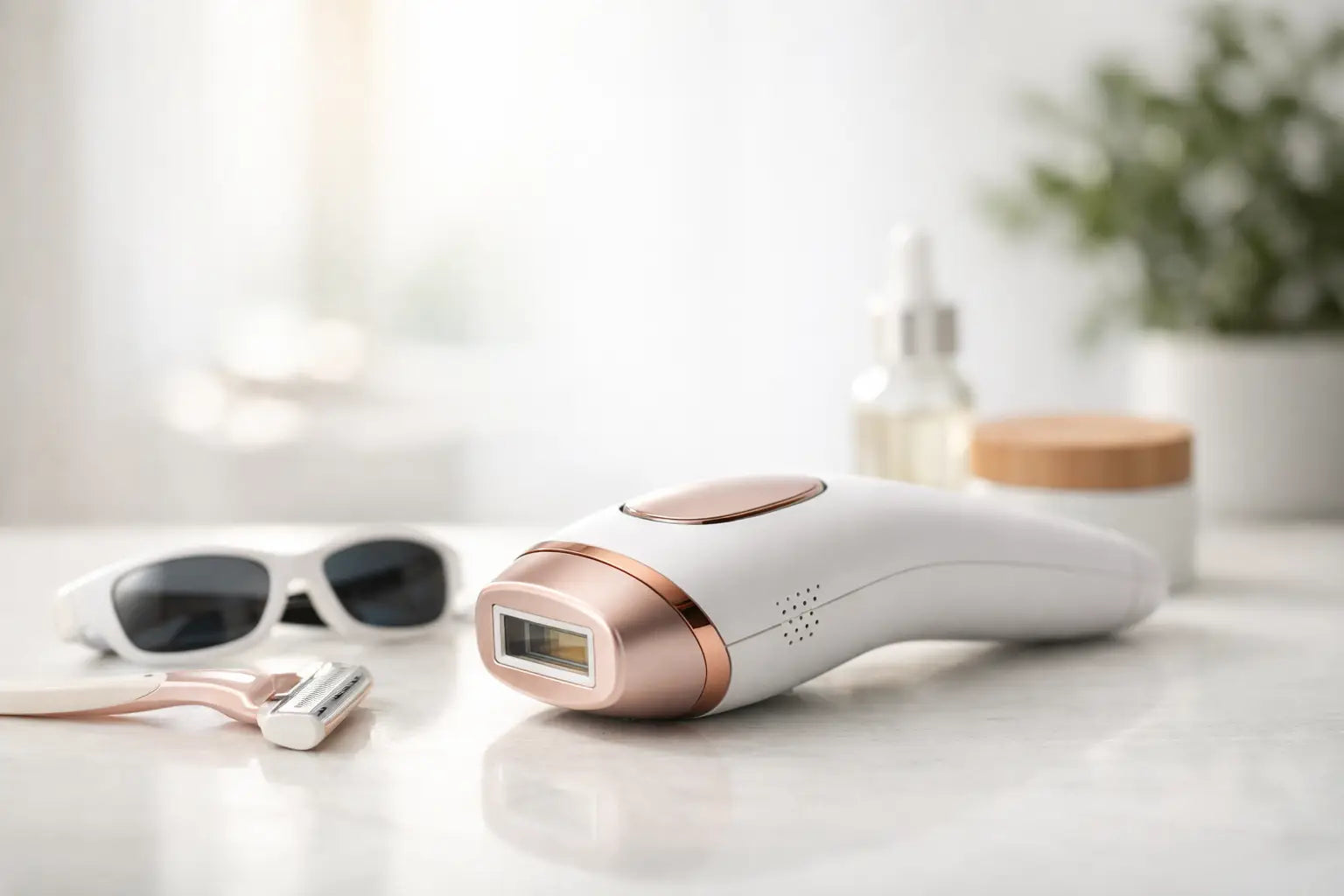
For someone who regularly shaves their arms, legs, or thighs, an at-home option such as the NOHA Device can help reduce the repetitive grooming that often leaves skin feeling rough and irritated. The advantage is convenience: you can work toward less regrowth without scheduling salon visits or constantly buying razors.
Just keep the promise realistic. IPL targets hair. Your moisturizer and carefully chosen exfoliating products address the dry, plugged-follicle texture of KP. Used with patience and respect for your skin’s sensitivity, those two parts of your routine can help you spend less time hiding your arms and more time enjoying the smooth-skin feeling you want.

Leave a comment
This site is protected by hCaptcha and the hCaptcha Privacy Policy and Terms of Service apply.