

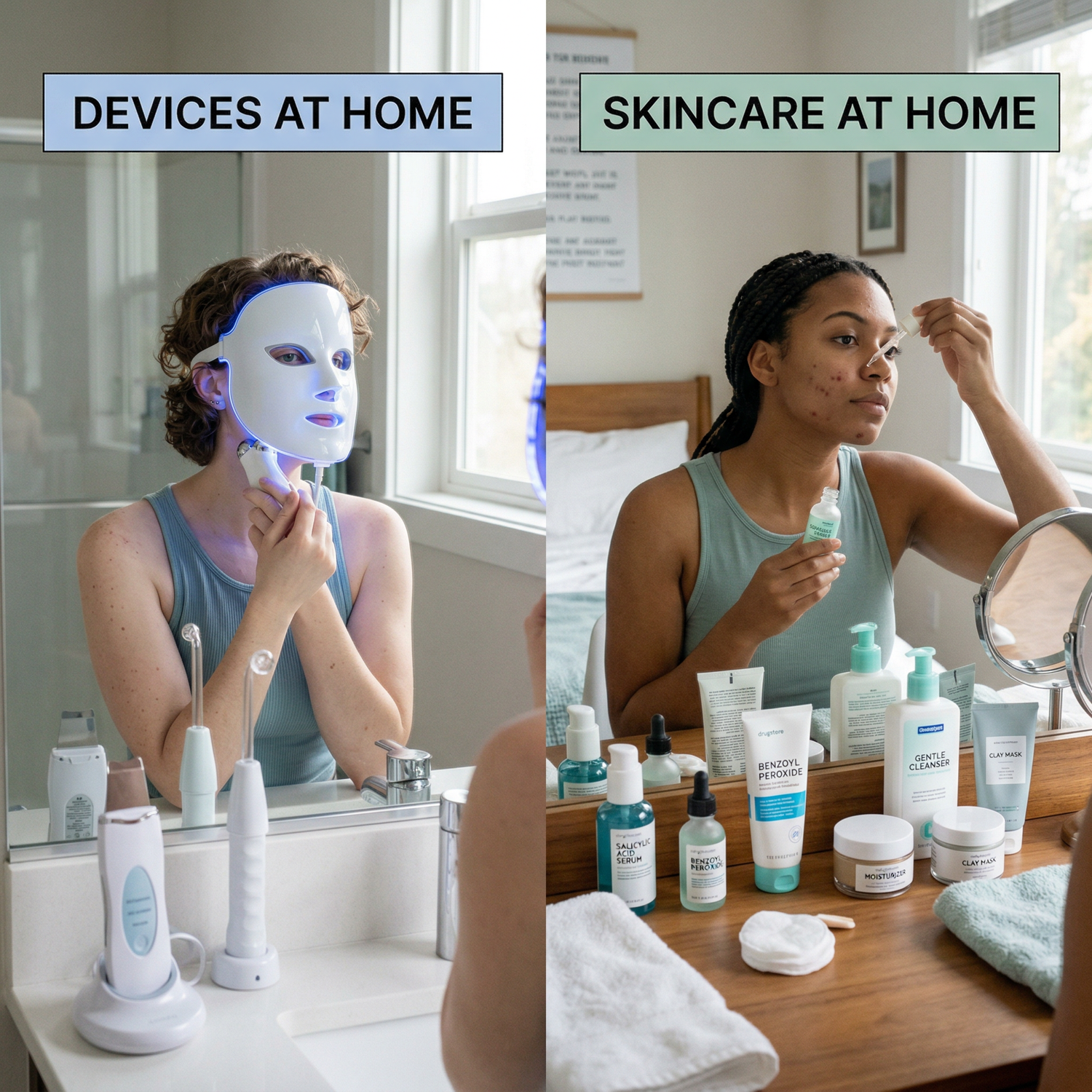
Acne Treatment at Home: Devices vs Skincare
Acne is one of the most common skin concerns worldwide, and the options for treating it at home have never been more varied. From targeted skincare ingredients to light-based devices, it can be hard to know where to start. This guide breaks down the most effective at-home acne treatments — and how to combine them for the best results.
Understanding Acne: Why It Happens
Acne forms when hair follicles become clogged with oil (sebum) and dead skin cells. Bacteria — particularly Cutibacterium acnes — can then colonize the clogged pore, triggering inflammation. The result: blackheads, whiteheads, papules, pustules, or cysts depending on severity.
Effective treatment targets one or more of these root causes: excess oil, clogged pores, bacteria, or inflammation.
Skincare Ingredients That Work for Acne
Salicylic Acid (BHA)
A beta-hydroxy acid that penetrates into pores to dissolve the buildup of dead skin cells and sebum. Ideal for blackheads, whiteheads, and congested skin. Use in cleansers, toners, or spot treatments at 0.5–2%.
Benzoyl Peroxide
One of the most effective acne-fighting ingredients. It kills acne-causing bacteria and helps clear blocked pores. Available in 2.5–10% concentrations — start low to minimize dryness and irritation.
Niacinamide
Reduces inflammation, regulates sebum production, and fades post-acne dark marks. Gentle enough for daily use and pairs well with most other actives.
Retinoids (Retinol / Adapalene)
Vitamin A derivatives that accelerate cell turnover, preventing pores from clogging. Adapalene (0.1%) is now available over the counter and is one of the most evidence-backed acne treatments available.
Azelaic Acid
Antibacterial, anti-inflammatory, and brightening. Particularly effective for hormonal acne and post-inflammatory hyperpigmentation (PIH) — the dark marks left after breakouts.
At-Home Devices for Acne
Blue Light Therapy Devices
Blue light (wavelength ~415nm) targets and kills C. acnes bacteria on the skin's surface. Clinical studies show consistent blue light therapy can reduce inflammatory acne lesions by 30–60% over several weeks. Best for mild to moderate inflammatory acne.
Red Light Therapy
Red light reduces inflammation and promotes skin healing. Often combined with blue light for a dual-action approach — targeting both bacteria and inflammation simultaneously.
IPL for Acne
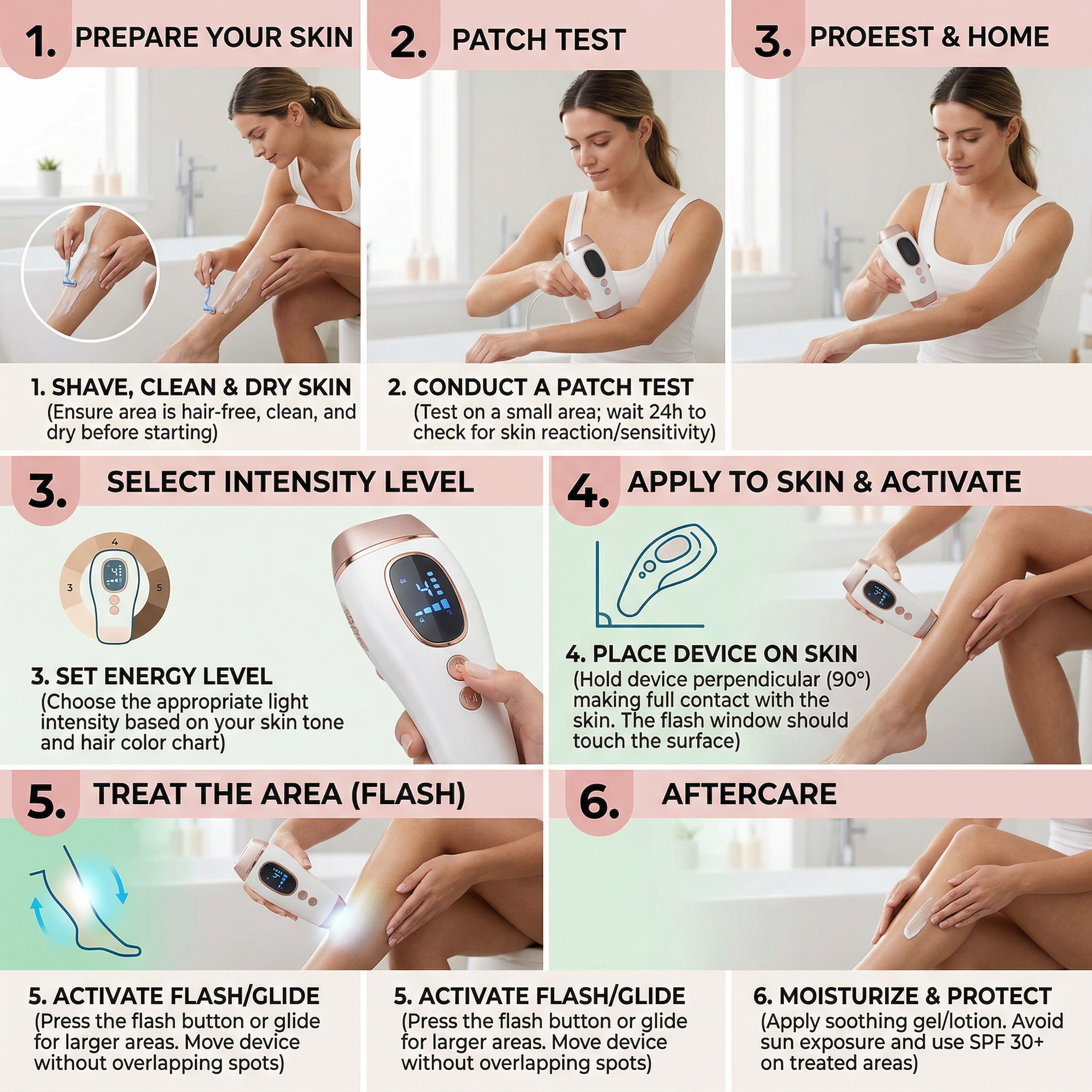
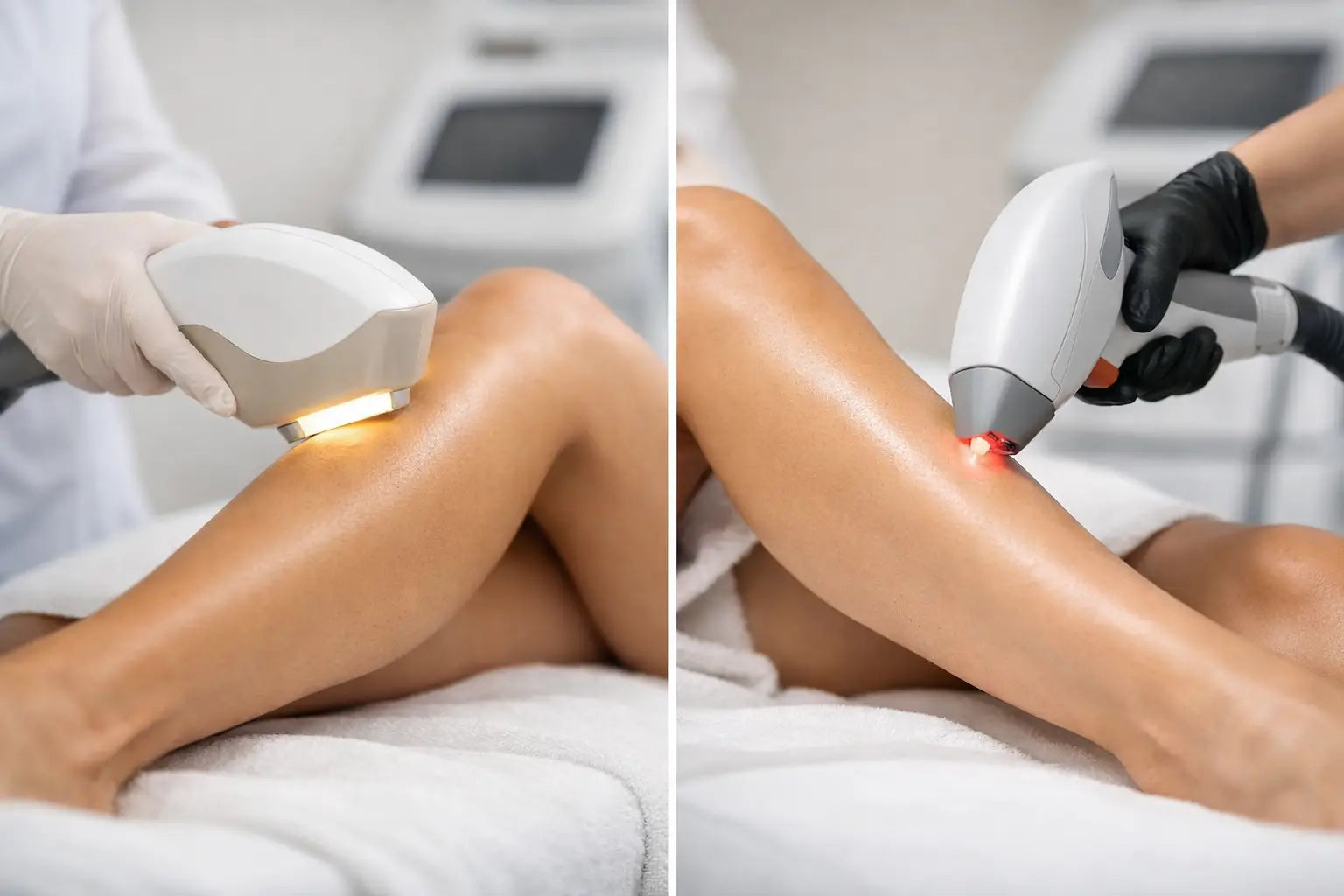
IPL (Intense Pulsed Light) can help with acne by targeting the bacteria that cause breakouts and reducing the redness and inflammation associated with active lesions. It also addresses post-acne hyperpigmentation — the dark spots left after breakouts clear. Many users of the NOHA Device™ report improvements in skin clarity and tone alongside their hair removal results.
Microneedling Devices
At-home dermarollers or microneedling pens create micro-channels in the skin to stimulate collagen production. More effective for acne scarring than active acne. Use with caution and only on clear skin.
Devices vs Skincare: Which Is Better?
The honest answer: both work best together. Skincare ingredients address the root causes of acne (bacteria, clogged pores, excess oil), while devices can accelerate results, reduce inflammation, and address post-acne concerns like dark spots and scarring.
| Approach | Best For | Timeline |
|---|---|---|
| Salicylic acid / BHA | Blackheads, congestion | 2–4 weeks |
| Benzoyl peroxide | Inflammatory acne, bacteria | 4–8 weeks |
| Retinoids | Prevention, cell turnover | 8–12 weeks |
| Blue light device | Active inflammatory acne | 4–8 weeks |
| IPL | Post-acne dark spots, redness | 4–8 sessions |
A Simple At-Home Acne Routine
Morning:
- Gentle cleanser
- Niacinamide serum
- Lightweight, non-comedogenic moisturizer
- SPF 30+ (essential — many acne treatments increase sun sensitivity)
Evening:
- Gentle cleanser
- BHA toner or salicylic acid treatment (3–4x per week)
- Retinoid (start 2x per week, build up gradually)
- Moisturizer
Weekly: Blue light therapy session (follow device instructions)
When to See a Dermatologist
At-home treatments work well for mild to moderate acne. If you have severe cystic acne, widespread breakouts, or acne that hasn't responded to 3 months of consistent at-home treatment, consult a dermatologist. Prescription options like oral antibiotics, spironolactone, or isotretinoin may be needed.

Leave a comment
This site is protected by hCaptcha and the hCaptcha Privacy Policy and Terms of Service apply.