

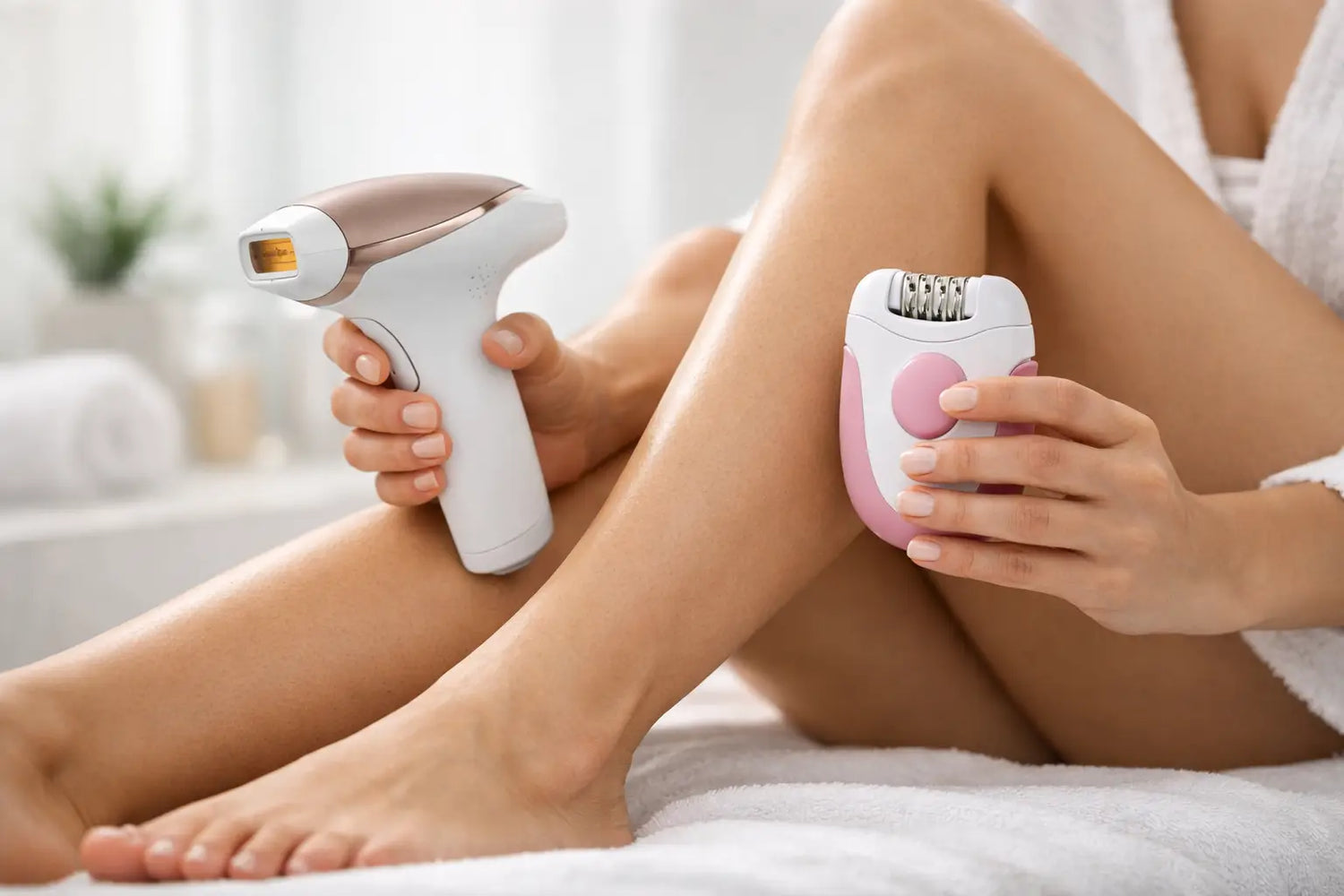
If you are stuck choosing between IPL vs epilator for legs, the real question is simple: do you want to keep removing hair every week, or do you want to reduce how much hair grows back over time? Both tools can get your legs smooth. They just do it in completely different ways, and that difference matters when you are thinking about pain, upkeep, cost, and how much effort you want in your routine.
For most people who are tired of constant shaving or painful waxing, the best option comes down to convenience and long-term results. An epilator pulls hair out from the root. IPL targets the hair follicle with light to help reduce regrowth. One is repetitive maintenance. The other is a long-game solution.
IPL vs epilator for legs: the biggest difference
An epilator is basically a device that grabs multiple hairs and pulls them out. The result can last longer than shaving because the hair is removed from the root, but the follicle is still active. That means the hair comes back, and you have to do it again.
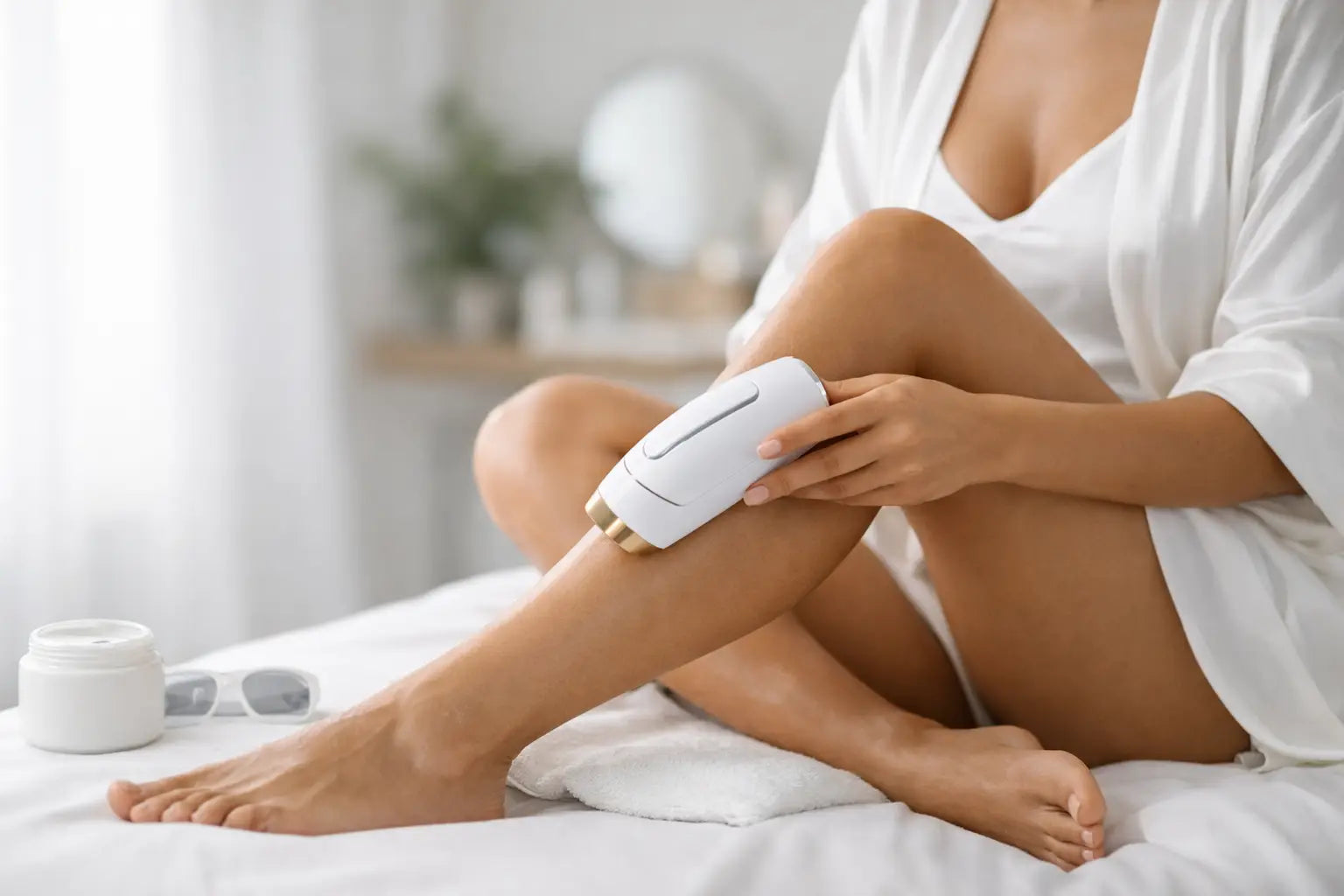
IPL, short for intense pulsed light, works differently. It sends light energy into the hair follicle, helping interrupt the growth cycle. With consistent use, hair grows back slower, finer, and in many cases much less noticeably. That is why IPL appeals to anyone who wants smoother legs without building their entire life around hair removal.
If your goal is a quick fix for this week, an epilator can do that. If your goal is fewer touch-ups over the next few months, IPL has the stronger advantage.
What feels more painful on legs?
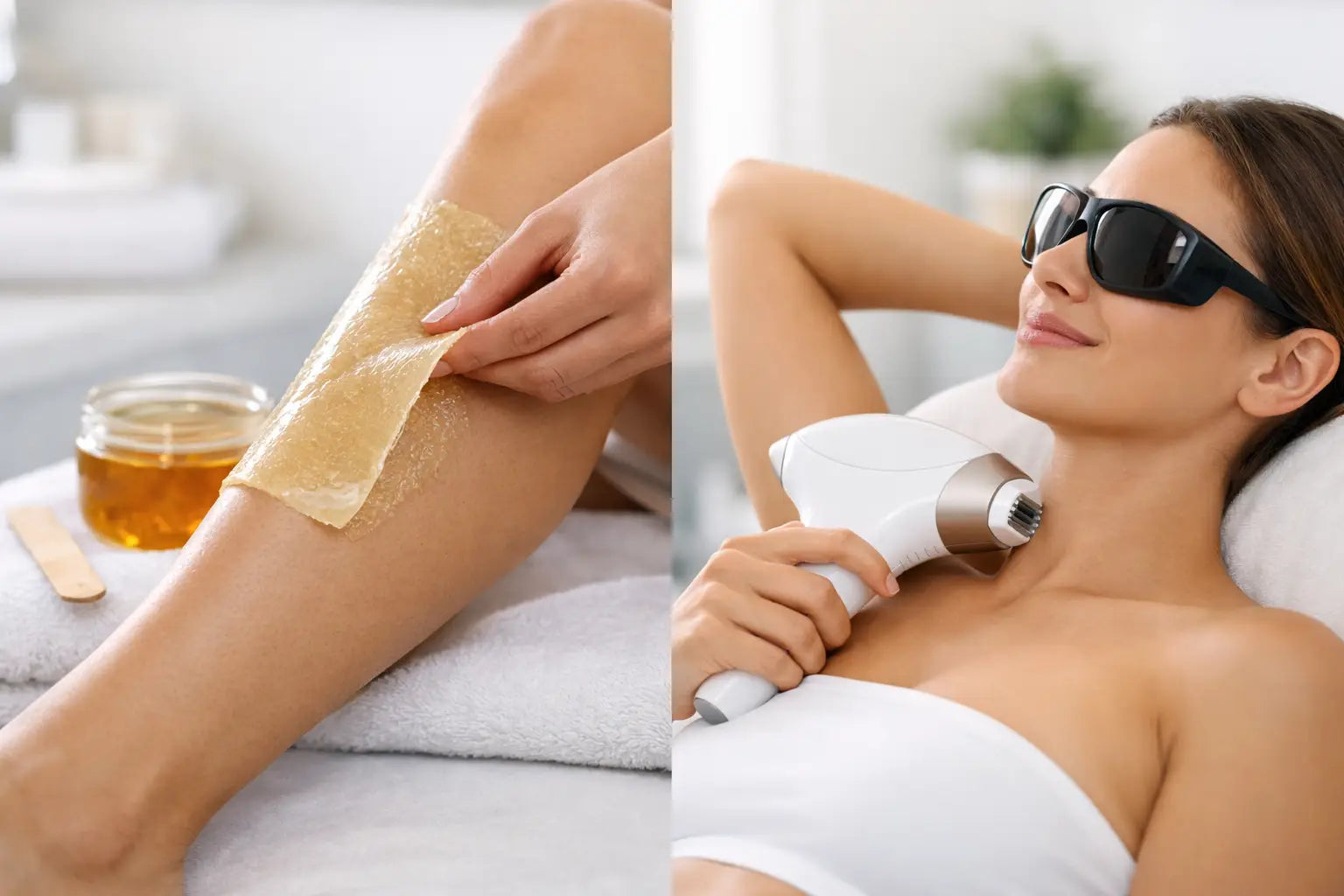
This is where the decision gets very personal, but there is a clear pattern. Epilators tend to hurt more, especially on the first few sessions. Since the device pulls hair out individually and repeatedly, it can feel sharp, intense, and irritating on larger areas like the legs. Some people get used to it. Some never really do.
IPL is often the more comfortable option for legs because it does not rip hair out. Most users describe the sensation as a quick warm snap or mild flick against the skin. On a broad treatment area like the legs, that difference can be huge. It is easier to stay consistent with a hair removal method when you do not have to psych yourself up before every session.
Pain tolerance varies, of course. If you already wax without flinching, an epilator may feel manageable. But if comfort matters, IPL usually wins this category.
Which one gives smoother results faster?
An epilator gives immediate smoothness because it removes visible hair right away. Once you finish, your legs feel hair-free. That part is appealing, especially if you need a quick result for a trip, event, or last-minute outfit change.
IPL is not instant in the same way. It is a treatment process, not a single-session fix. You typically shave first, then use the device according to a schedule. Results build gradually as hair growth slows down. That means IPL asks for patience upfront, but it pays off by reducing the need for constant maintenance later.
So if you mean faster as in same-day smoothness, the epilator wins. If you mean faster as in getting out of the endless cycle of hair removal, IPL is usually the smarter route.
IPL vs epilator for legs: what about ingrown hairs and bumps?
This is one of the biggest overlooked differences.
Because epilators pull hair out from the root, they can sometimes lead to ingrown hairs, redness, and irritation, especially if your skin is sensitive or your hair is coarse. Legs may tolerate epilation better than underarms or the bikini area, but bumps and texture issues are still common.
IPL can be a better fit if you want not just less hair, but also better-looking skin between sessions. Since it helps reduce regrowth instead of forcibly pulling hairs out, many users notice fewer ingrowns and less irritation over time. That can make a real difference if your legs tend to react badly to shaving, waxing, or epilating.
For beauty shoppers who want smooth skin that actually looks smooth, not just hair-free for a day or two, IPL has a strong edge.
What takes more time?
At first glance, an epilator seems simple. Turn it on and go. But because it works by pulling hairs out, you often need to move slowly and go over areas more than once. If your leg hair is thick or dense, the process can drag out.
IPL treatments for legs can also take time, especially during your first few sessions, but the payoff is that the routine tends to get easier as regrowth decreases. Less hair coming back means less frustration later. That is the difference a lot of people care about most. Not just how long a session takes today, but how much time you will still be spending on leg hair three months from now.
If you are comparing lifestyle convenience, IPL usually comes out ahead. It is built for reducing the problem, not just repeating the task.
Which one costs more?
An epilator usually has a lower upfront price. That is its biggest selling point. If you want the cheaper device on day one, the epilator often looks like the budget-friendly choice.
But upfront cost is not the whole story. With an epilator, you are paying for a tool that keeps you in a maintenance cycle. You will still be removing hair again and again. IPL devices usually cost more at the start, but they are designed to deliver long-term value by helping reduce regrowth. For someone who wants fewer sessions and less dependence on razors, wax appointments, or repeat fixes, that higher initial spend can make a lot more sense.
This is exactly why at-home IPL has become so attractive. It gives you salon-inspired technology without the professional price tag, and it fits into real life.
Who should choose an epilator?
An epilator may make sense if you want immediate hair removal, you do not mind discomfort, and you are okay repeating the process regularly. It can also be useful if you are not a good candidate for IPL due to your skin tone and hair color combination, since IPL works best when there is enough contrast for the light to target the hair.
It is a practical tool, but it is not a freedom-from-hair-removal tool. That distinction matters. If your goal is simply to remove leg hair today, fine. If your goal is to think about leg hair less and less over time, an epilator may start to feel like more work than it is worth.
Who should choose IPL?
IPL is the better fit for people who are done with constant upkeep. If you want a routine that feels easier, more comfortable, and more rewarding over time, IPL makes a lot of sense for legs. Legs are also one of the best areas for IPL because the treatment area is broad and easy to reach, and the skin there often handles treatment well.
This option is especially appealing if you are tired of shaving every few days, hate the sting of waxing, or want something more cost-effective than clinic appointments. A device like the NOHA Device is designed around that promise - at-home treatments, less pain, and visible reduction that helps you stay smoother with less effort.
That does not mean IPL is magic overnight. You need consistency. But once you understand that it is a process with lasting upside, it becomes clear why so many people prefer it.
The real decision: maintenance or reduction
When people compare IPL vs epilator for legs, they often focus only on the device itself. The better way to compare them is by the life each one creates.
An epilator gives you a repetitive routine. Pull the hair out, wait for it to come back, do it all over again. IPL gives you a chance to step out of that cycle. You commit to regular sessions for a period of time, and the goal is less hair, less hassle, and less time spent managing your legs.
That is why IPL often feels like the more modern option. It fits the way people actually want beauty routines to work now. Less pain. Less maintenance. More confidence in your own bathroom, on your own schedule.
If you want a short-term fix, the epilator can do the job. If you want smooth legs with a lot less repetition, IPL is usually the better investment. Choose the option that gives you the routine you actually want to live with, not just the result you want for one day.

Deja un comentario
Este sitio está protegido por hCaptcha y se aplican la Política de privacidad de hCaptcha y los Términos del servicio.