

Shaving your legs again two days after you swore you were done? That is exactly why the IPL versus electrolysis question matters. Both treatments are designed to reduce unwanted hair long-term, but they fit very different routines, budgets, body areas, and expectations. One is built for treating larger areas at home. The other is a highly precise professional treatment that targets hairs one at a time.
If your goal is smoother skin with less daily maintenance, the best choice is not automatically the most expensive or the most intense. It is the one you can use consistently, comfortably, and confidently.
IPL Versus Electrolysis: The Quick Difference
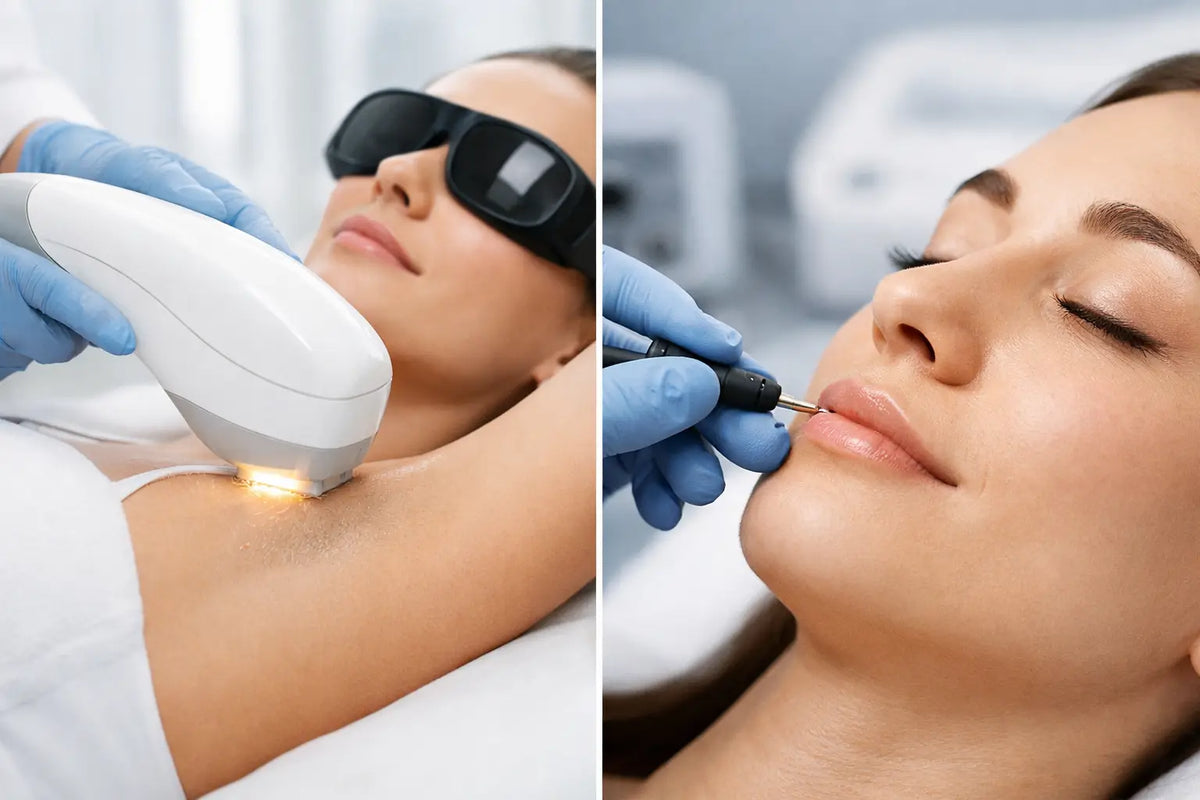
IPL stands for Intense Pulsed Light. An IPL device sends broad-spectrum pulses of light into the hair follicle, where pigment in the hair absorbs the energy. With a consistent treatment plan, this can help interrupt the hair-growth cycle and lead to a visible, lasting reduction in regrowth.
Electrolysis works differently. A trained electrologist inserts a very fine probe into each individual follicle and uses electrical energy to destroy the growth center. Because every follicle is treated separately, electrolysis is known for its precision and is often chosen for small, stubborn areas.
The biggest practical difference is speed. IPL can cover areas such as legs, underarms, arms, bikini lines, and body hair much faster. Electrolysis is slower by design because each hair requires individual attention.
How IPL Fits Into an At-Home Routine
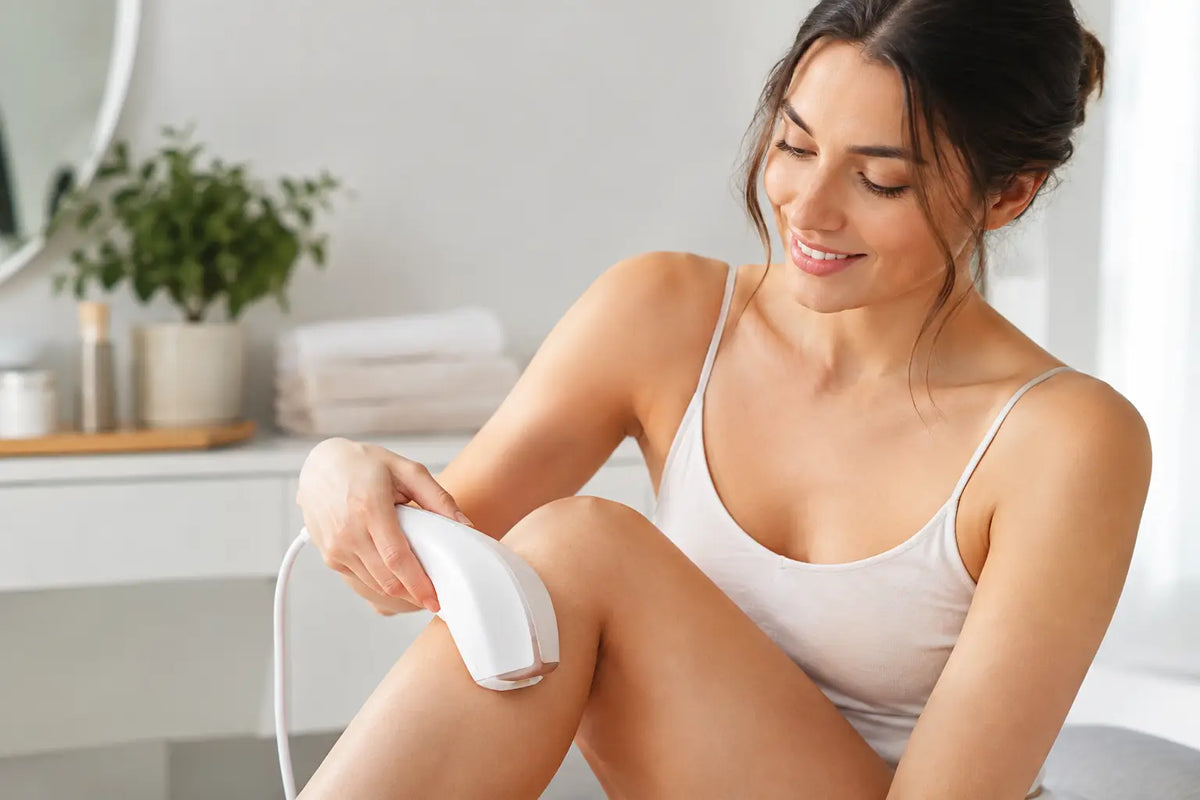
IPL is made for the person who wants to move beyond the endless cycle of razors, wax appointments, and last-minute grooming. You shave the treatment area, use the device according to its instructions, then repeat treatments on a schedule while hairs are in their active growth phase.
Early sessions are usually closer together. Once growth begins to look lighter, finer, and less frequent, maintenance treatments can help keep results on track. Hair does not grow in one perfectly synchronized cycle, so consistency matters more than expecting every follicle to disappear after one use.
For many women, the appeal is simple: treat on your own time. There is no commute, no appointment calendar, and no paying for a new salon session whenever regrowth appears. A device like the NOHA Device™ brings salon-inspired IPL technology into the comfort of your own bathroom, making it easier to stay consistent.
IPL generally works best when there is strong contrast between the hair and skin tone, especially darker hair on lighter to medium skin. Results can vary based on hair color, skin tone, hormones, treatment consistency, and the device's approved usage guidelines. Very light blonde, gray, white, or red hair may not absorb enough light for IPL to be effective.
How Electrolysis Works in Real Life
Electrolysis can treat all hair colors because it does not rely on pigment. That is a major advantage for someone with light, white, gray, or red hairs that IPL may not respond to. It can also be a smart solution for a few isolated hairs on the chin, upper lip, eyebrows, or other small areas.
The trade-off is time. Electrolysis appointments often require a series of sessions over many months because hairs must be treated during the right phase of growth. Treating a few facial hairs may be manageable, but clearing larger areas such as full legs, arms, or a bikini area can become a substantial investment of time and money.
Comfort is personal. Some people describe electrolysis as a quick sting, heat, or pinch with each follicle. The sensation and recovery can depend on the treated area, your sensitivity, the method used, and the provider's skill. Temporary redness and swelling are common, especially on delicate facial skin.
Which Option Is Better for Your Goals?
Choose IPL for faster full-body treatment
IPL is often the better match if your biggest frustration is how much time you spend shaving or booking waxes. It is designed for efficient coverage, which makes it especially appealing for legs, underarms, arms, bikini lines, and other larger body areas.
It also makes sense if convenience is a priority. An at-home IPL routine can fit into your evening, travel prep, or self-care schedule without building your life around appointments. The upfront cost may feel larger than a razor, but it can be far less than paying repeatedly for waxing or professional treatments over time.
Choose electrolysis for small, light, or stubborn hairs
Electrolysis may be the better fit if you have hairs that IPL cannot target effectively, particularly white, gray, very light blonde, or red hairs. It is also worth considering when you want highly detailed treatment on a small area and are comfortable committing to professional sessions.
Some people use both methods strategically. IPL can help reduce darker hair across larger areas, while electrolysis can focus on the remaining light or isolated hairs. That approach is not necessary for everyone, but it shows why this is not always an either-or decision.
Cost, Comfort, and Time: The Trade-Offs
When comparing IPL versus electrolysis, the most useful question is not simply, “Which works?” Both can be effective in the right circumstances. Ask which one fits the area you want to treat and the routine you are willing to maintain.
With IPL, you pay for the device once and treat repeatedly at home. The long-term value can be especially strong if you want to treat multiple body areas. Sessions are typically quick, and many users find the feeling more tolerable than waxing, often describing a warm flash or a light snap against the skin.
With electrolysis, you pay per appointment or by the hour. Small areas may be reasonable, but costs can add up when there are many hairs to treat. It also requires finding a qualified provider, traveling to appointments, and making time for a series of visits.
Neither option should be judged by one session. Hair removal is a process. IPL rewards consistent home use, while electrolysis rewards patience with a detailed professional plan.
Safety and Smart Treatment Habits
For IPL, always start by reading your device instructions and checking whether your skin tone, hair color, medications, and treatment area are appropriate. Avoid treating tattooed skin, very recently tanned skin, or areas with open wounds or irritation. Shave before treatment rather than waxing or plucking, since IPL needs the follicle and hair pigment beneath the skin to do its job.
A patch test is a smart first step. It gives your skin time to show how it responds before you treat a larger area. After treatment, keep skin calm with gentle care, minimize heat and friction if you feel sensitive, and use sun protection on exposed areas.
For electrolysis, choose a licensed or properly credentialed professional according to your state or local requirements. Clean technique matters. If you are prone to hyperpigmentation, scarring, cold sores, or skin sensitivity, discuss your history before beginning treatment.
Pregnancy, certain prescriptions, active skin conditions, and recent cosmetic procedures can change what is appropriate. When you are unsure, check with a qualified healthcare professional or dermatologist first.
Common Questions About IPL and Electrolysis
Is IPL permanent hair removal?
IPL is typically described as long-term hair reduction. Many people see less hair, slower regrowth, and finer texture after a consistent series of treatments, but maintenance may be needed. Hormonal changes can also influence regrowth over time.
Is electrolysis permanent?
Electrolysis is widely recognized as a permanent hair removal method because it treats individual follicles directly. Still, multiple sessions are usually needed since not every hair is visible or in the same growth phase at once.
Can I use IPL on my face?
Some IPL devices are approved for specific facial areas, often below the cheekbones. Follow your device instructions exactly and avoid the eye area. For a few light or coarse facial hairs, electrolysis may be more suitable.
Smooth skin should not require a standing appointment or a drawer full of razors. Choose IPL when you want fast, convenient coverage for the right hair and skin combination, and consider electrolysis when pinpoint precision is the priority. The best routine is the one that leaves you feeling more confident every time you get dressed.


Deja un comentario
Este sitio está protegido por hCaptcha y se aplican la Política de privacidad de hCaptcha y los Términos del servicio.