

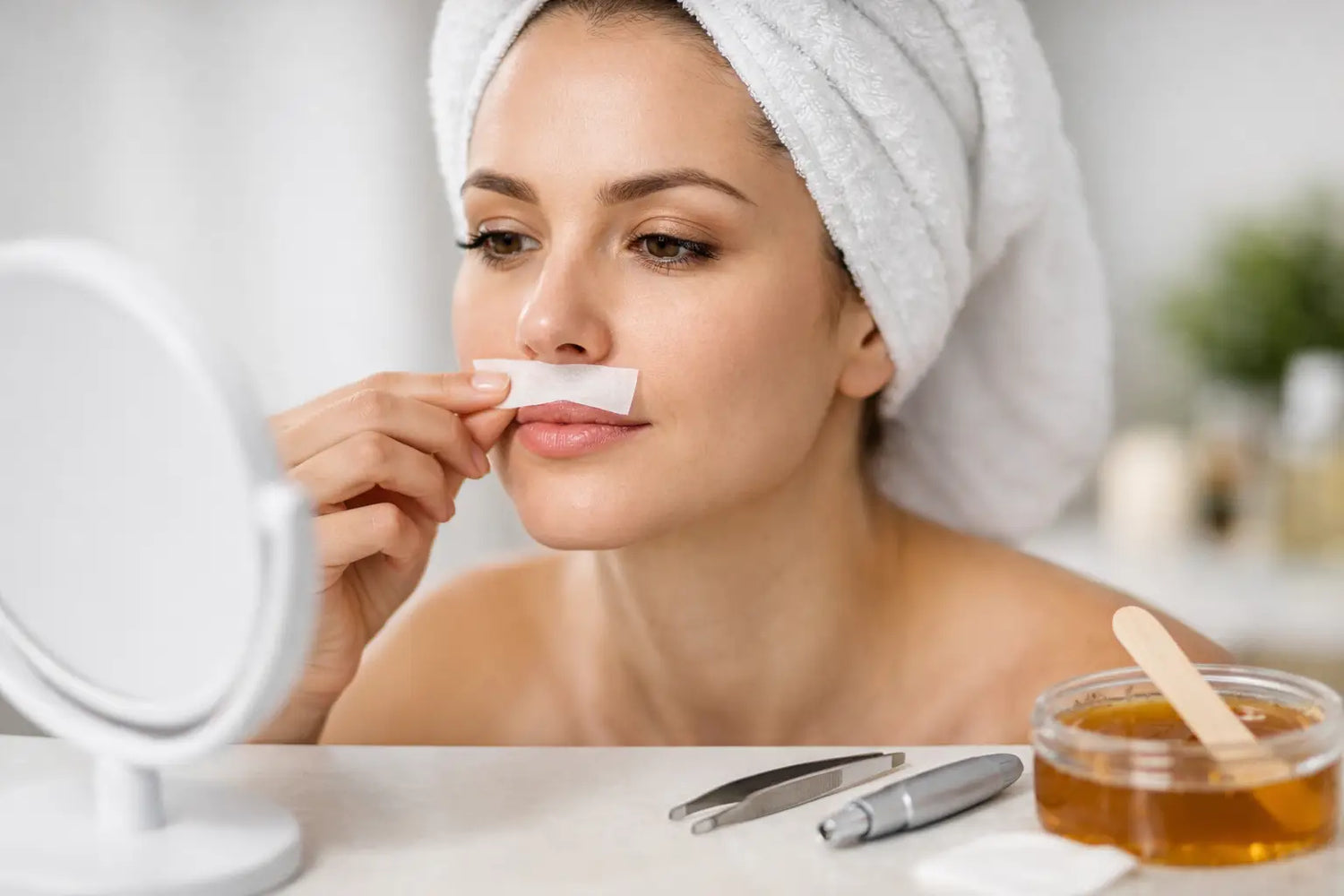
The mirror usually catches it first - a little shadow, a few darker hairs, or that familiar upper lip fuzz that suddenly feels impossible to ignore. If you’re wondering how to treat upper lip hair without turning it into a constant chore, the real goal is not just removal. It’s finding a method that fits your skin, your pain tolerance, your budget, and how often you want to deal with it.
Upper lip hair is completely normal, but that does not make it any less frustrating when you want a smoother look. Some methods give fast results but need constant upkeep. Others take more patience up front and reward you with less maintenance over time. That trade-off matters, especially for a small area right in the center of your face.
How to treat upper lip hair based on your goals
There is no single best option for everyone. The right choice depends on what matters most to you.
If you want the quickest fix, shaving or a facial hair remover can take care of upper lip hair in minutes. If you want a cleaner finish that lasts longer, waxing or threading may be a better fit. If you are tired of the repeat cycle altogether, light-based hair removal can make the most sense because it is built for long-term reduction.
That is why upper lip hair treatment is less about trends and more about lifestyle. A college student rushing between classes may want speed. A busy mom may want fewer touch-ups. Someone dealing with irritation after every wax may want a gentler, more consistent option.
The most common ways to treat upper lip hair
Shaving
Shaving is fast, easy, and painless when done carefully. It works well if you want a same-day fix and do not mind frequent upkeep. For the upper lip, precision matters. Use a clean facial razor, move gently with the direction of hair growth, and avoid pressing too hard.
The downside is maintenance. Hair grows back quickly, sometimes within a day or two. If your skin is sensitive, repeated shaving can also lead to dryness, razor bumps, or a rough feeling.
Waxing
Waxing removes hair from the root, so results last longer than shaving. Many people like the smooth finish, especially before an event or vacation. It can also leave the area looking cleaner for weeks instead of days.
But waxing is not for everyone. The upper lip is delicate, and waxing can feel harsh, especially if your skin is reactive or you use strong skincare ingredients. Redness, stinging, and irritation are common right after treatment. If you are using retinoids, acne treatments, or exfoliating acids, waxing can be too aggressive.
Threading
Threading is popular because it is precise and does not involve heat or chemicals. It can be a smart option if you want to shape the area neatly or if waxing feels too intense.
Still, threading is not exactly low-effort. It usually means regular appointments, and the discomfort can add up over time. For many women, the biggest issue is not whether threading works. It is whether they want to keep booking it again and again.
Depilatory creams
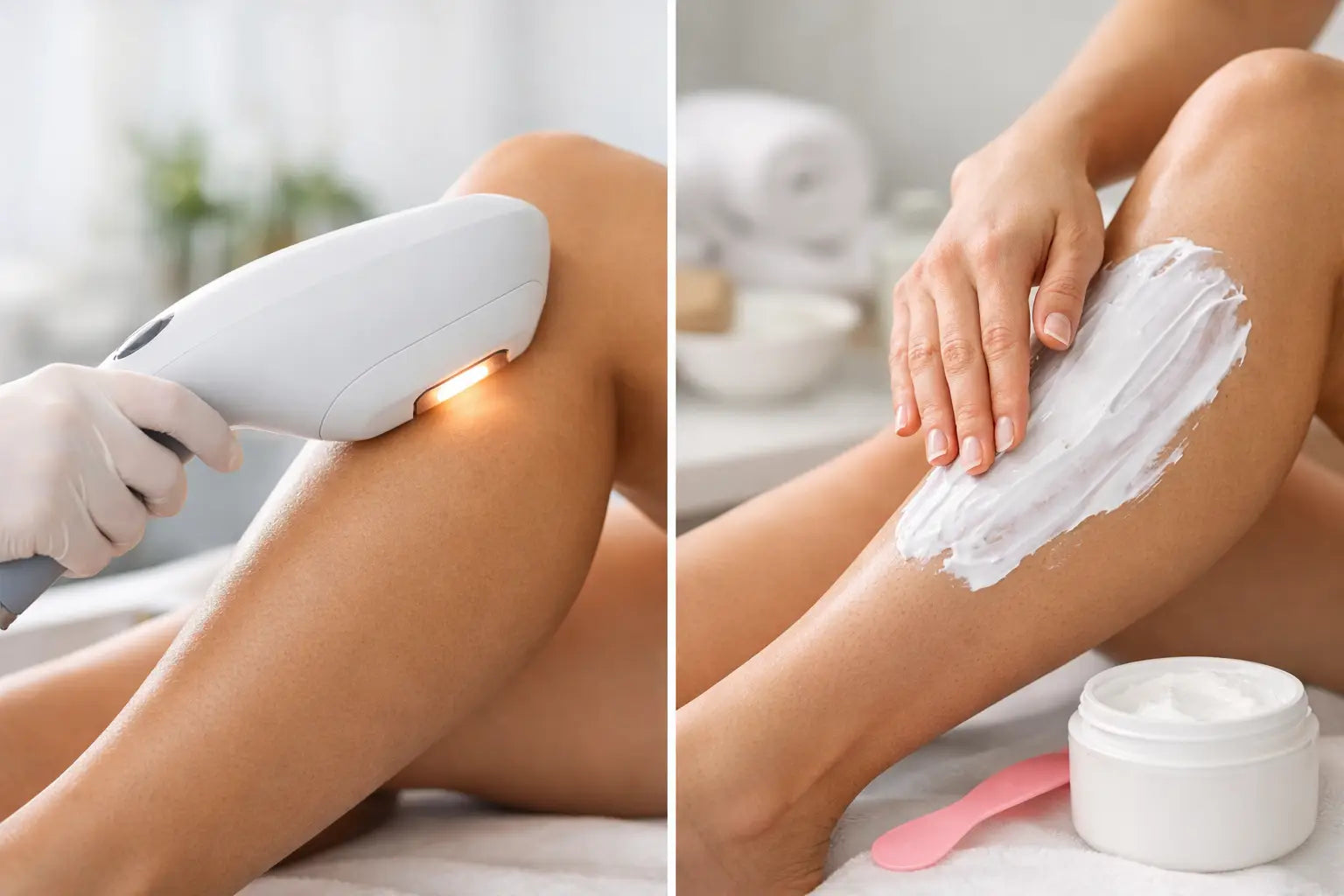
Hair removal creams dissolve hair at the surface and can be convenient, but the upper lip is one of the trickiest places to use them. Facial skin is thin, and formulas that sit too long can cause burning or redness.
If you try this route, a patch test matters. Even then, results are temporary, and some people dislike the smell or the risk of irritation on such a visible area.
IPL and light-based hair removal
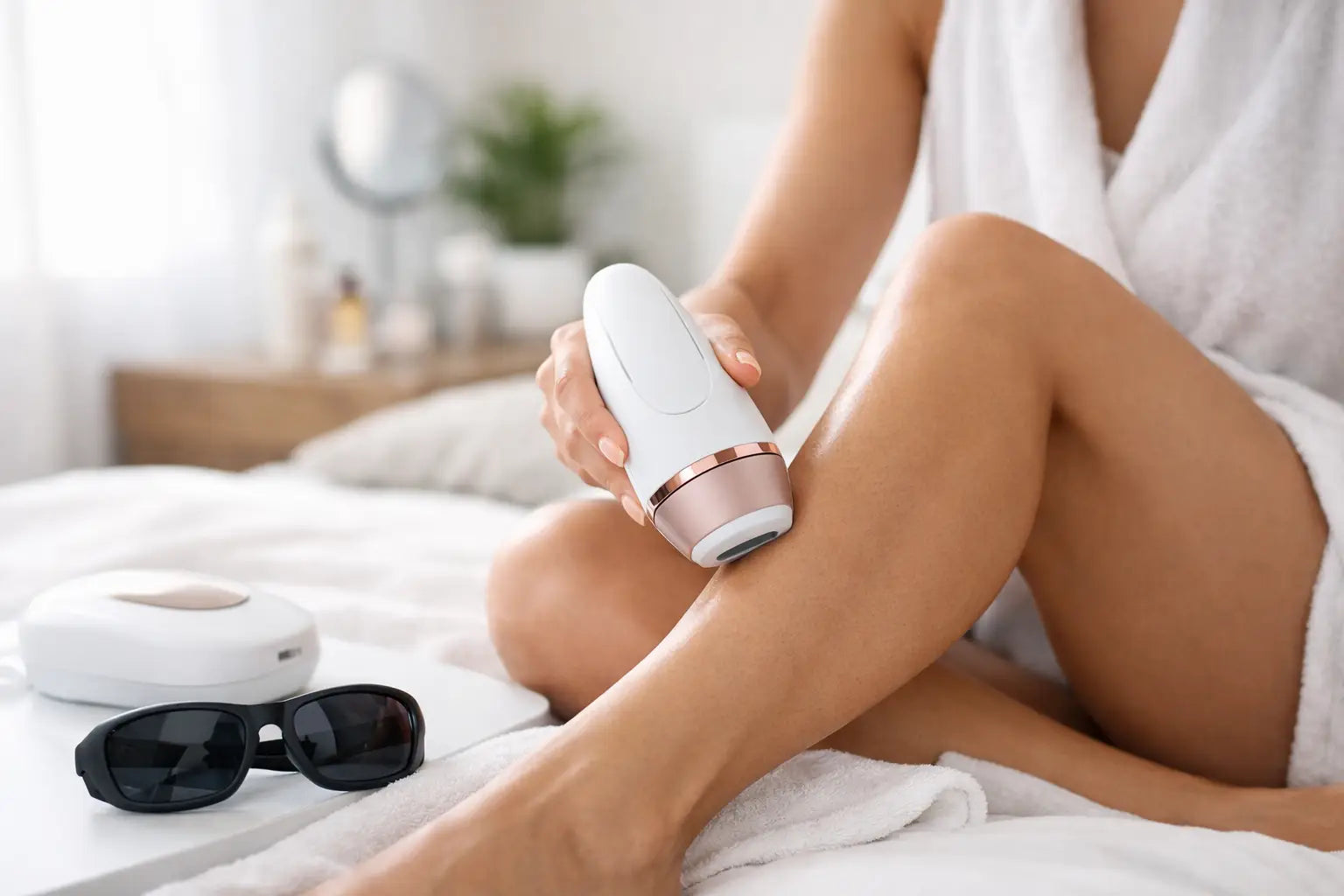
If your real question is how to treat upper lip hair with fewer touch-ups, this is where IPL often stands out. IPL, or intense pulsed light, targets the pigment in the hair and helps reduce regrowth over time. Instead of removing hair for a few days or weeks, it is designed to interrupt the cycle that keeps bringing it back.
That long-term angle is what makes it so appealing. You are not just clearing the area. You are working toward smoother skin with less maintenance, less appointment-hopping, and less money spent on repeat fixes.
Why long-term treatment often makes more sense
Upper lip hair is a small area, but it can demand an outsized amount of attention. A few minutes of shaving here, a threading appointment there, a wax before a weekend out - it adds up. Not just in cost, but in mental space.
That is why so many women eventually move away from short-term methods. They get tired of planning around regrowth, covering irritation with makeup, or checking the mirror every other day. A long-term approach feels different because it shifts your routine from constant reaction to actual progress.
For women who want a more convenient beauty routine, at-home IPL is often the sweet spot. It gives you the privacy of treating the area on your own schedule, without the high price tag of clinic visits. It also feels more manageable than building your life around waxing or threading appointments.
How to use IPL on the upper lip safely
The upper lip is one of the most common areas for at-home IPL, but it does need careful use. This is facial skin, so you want a device designed for home treatments and you want to follow the instructions exactly.
Start with clean, dry skin. The area should be shaved first so the light can focus below the skin rather than burning visible hair above it. Keep the skin free of makeup, heavy skincare, and self-tanner. Then use the recommended intensity level for your skin tone and sensitivity.
Consistency matters more than intensity. A lot of people expect one session to do everything, but IPL works through repeated treatments. Hair grows in cycles, so regular sessions are what help catch more hairs at the right stage.
One smart approach is to think of IPL as routine-building, not crisis-fixing. Use it on schedule, track your progress, and let the results build. That is how a treatment starts to feel like freedom instead of another beauty task.
Who should be careful with upper lip hair treatment
Not every method works for every person, and that is especially true on the face.
If your skin is highly sensitive, waxing and creams may trigger more irritation than they are worth. If you have hormonal hair growth that is getting thicker or more sudden, it may be worth speaking with a medical professional to understand the cause. If you are using prescription skincare or strong exfoliants, any hair removal method can hit harder than expected.
For IPL, skin tone and hair color matter. Light-based devices typically work best when there is enough contrast between the hair and the skin. Very light blonde, gray, red, or white hair may not respond the same way. Reading the device guidance is a must before treating facial areas.
How to reduce irritation after treating upper lip hair
Whatever method you choose, aftercare can make the difference between smooth skin and an angry red patch above your lip.
Keep the area cool and simple after treatment. Skip harsh exfoliants, strong actives, and fragranced products for at least a day if your skin feels tender. A gentle moisturizer or soothing product can help calm the area. It is also smart to avoid direct sun right after treatment, especially if you used wax or light-based technology.
This is one of the biggest reasons people get frustrated with upper lip hair removal. They focus on taking the hair away, but not on how the skin recovers. When your skin stays calm, every method looks better and feels easier.
The best option if you want less upkeep
If you only care about a quick fix, almost any method can work. But if you are asking how to treat upper lip hair because you are over the constant maintenance, the answer usually shifts toward long-term reduction.
That is where an at-home IPL device can become the smarter beauty buy. Instead of paying over and over for temporary removal, you invest in a routine that aims for lasting results. For a high-visibility area like the upper lip, that convenience is hard to ignore.
NOHA speaks to that exact need - smoother skin, less hassle, and a more affordable path than endless salon visits. For women who want beauty tech that fits real life, that kind of at-home solution simply makes sense.
The best treatment is the one you will actually stick with, comfortably and consistently. Smooth skin should feel like one less thing to think about, not one more appointment on your calendar.

Deja un comentario
Este sitio está protegido por hCaptcha y se aplican la Política de privacidad de hCaptcha y los Términos del servicio.