

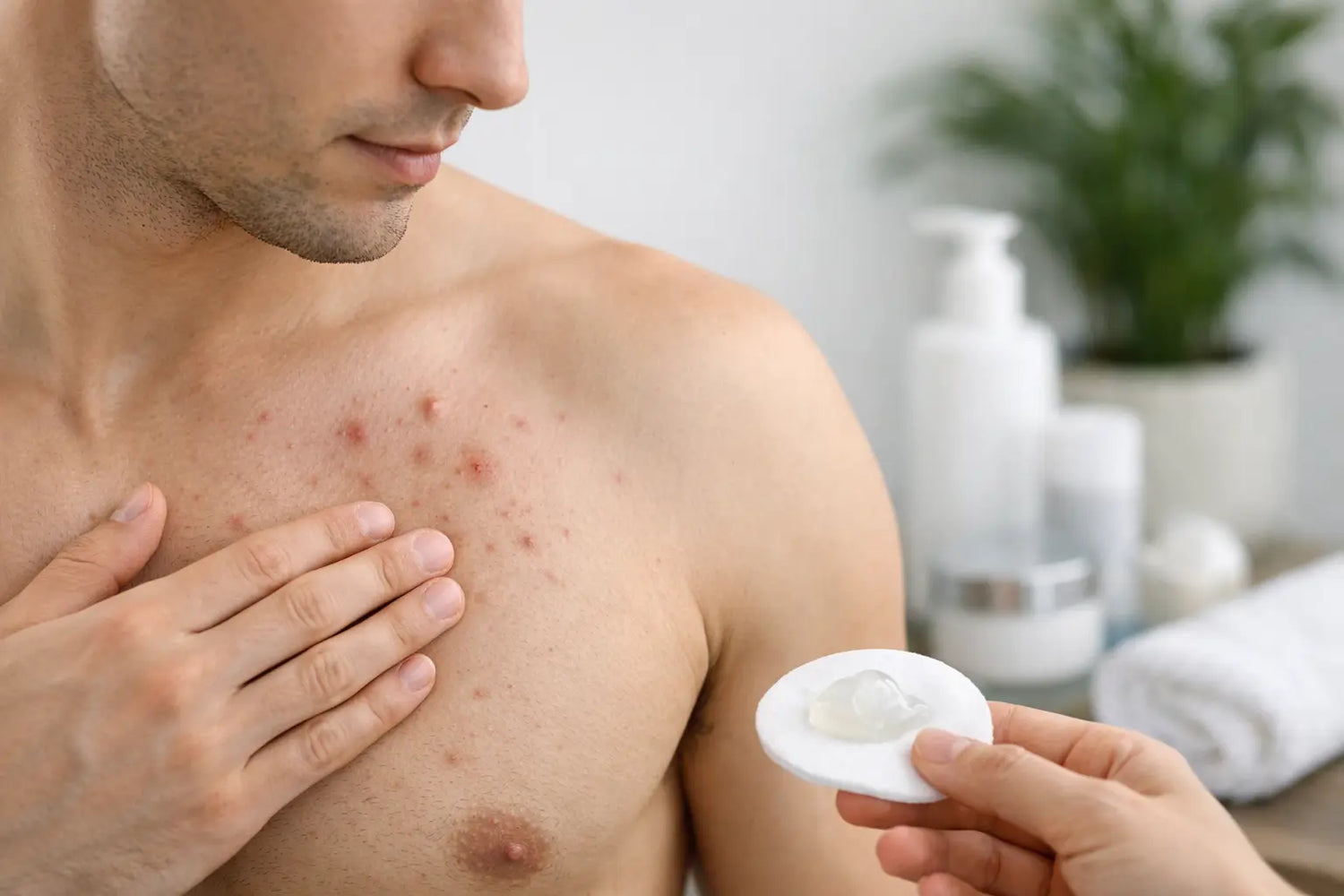
Chest breakouts have a way of showing up at the worst time - right before a trip, a night out, or the moment you want to wear something low-cut and feel good in your skin. If you’re wondering how to treat chest acne without turning your routine into a full-time job, the good news is that clear, smoother skin usually comes down to a few smart changes done consistently.
Chest acne is common, but it is not all exactly the same. Some bumps are true acne caused by clogged pores, oil, sweat, and bacteria. Others can look like acne but act more like irritation from friction, heavy products, or even hair removal habits that leave the skin inflamed. That distinction matters, because the fastest fix is not always the harshest one.
Why chest acne happens
The skin on your chest has oil glands, just like your face. When oil, dead skin cells, sweat, and product buildup collect in the pores, breakouts can follow. Tight workout clothes, sports bras, body lotions, fabric friction, and not showering soon after sweating can make the problem worse.
Hormones are another common trigger. If your chest acne tends to flare around your period, during stress, or at the same time you notice jawline breakouts, hormones may be part of the picture. In that case, topical care helps, but results can take a little longer because you are treating both the surface symptoms and an internal trigger.
Hair removal can also play a role. Repeated shaving may lead to irritation, razor bumps, and ingrown hairs that look a lot like acne. That is where a gentler long-term routine can make a visible difference in both texture and clarity.
How to treat chest acne at home
If your goal is faster results, keep your routine simple and targeted. Throwing five strong products at the problem usually backfires. The chest is resilient, but it can still get dry, itchy, and inflamed if you overdo it.
Start with a cleanser that actually targets breakouts
A regular body wash may smell great, but it often will not do much for acne-prone skin. Look for a cleanser with salicylic acid if your bumps feel clogged and rough, or benzoyl peroxide if your breakouts are more inflamed and red. Salicylic acid helps clear oil and dead skin from inside the pore. Benzoyl peroxide helps reduce acne-causing bacteria.
You do not need both at once right away. Pick one, use it consistently for a few weeks, and see how your skin responds. Benzoyl peroxide can bleach fabrics, so rinse well and use white towels if needed.
Shower sooner after sweating
This step sounds basic because it is basic - and it works. Letting sweat, oil, and bacteria sit on the chest for hours after a workout can keep breakouts going. If you cannot shower immediately, change out of damp clothes and wipe the area with a gentle acne-safe body wipe until you can.
Stop using heavy, pore-clogging products on the chest
Rich body butters, fragranced oils, and thick sunscreens can trap heat and oil, especially in warm weather. If your chest acne started after changing body products, that is worth paying attention to. Choose lightweight, non-comedogenic formulas instead, especially if you are already acne-prone.
Add a treatment, not a dozen treatments
Once your cleanser is in place, the next move is one leave-on treatment. A salicylic acid spray or lotion can be helpful for texture and clogged pores. Adapalene gel is another strong option if your chest acne is persistent. It helps keep pores clear and can improve future breakouts, not just current ones.
There is a trade-off here. Adapalene often works well, but it can cause dryness or purging early on. If your skin is sensitive, start two or three nights a week instead of every night.
When chest acne might not be acne
Sometimes the bumps on the chest are small, itchy, and very uniform. If that is what you are seeing, it could be folliculitis rather than classic acne. Folliculitis can be triggered by yeast, bacteria, sweat, and friction, and it often gets worse when you keep treating it like regular acne with too many heavy or irritating products.
If your breakout is itchy more than painful, flares in hot weather, or does not respond to standard acne products, it may be worth checking with a dermatologist. This is one of those situations where guessing can cost you time.
How to prevent chest acne from coming back
Clearing a breakout is one thing. Keeping it from returning is where routine matters most.
Wear breathable fabrics
The less friction and trapped sweat against your chest, the better. Cotton and moisture-wicking fabrics are usually a safer choice than tight, non-breathable materials that sit on damp skin. If you work out often, clean sports bras and tops matter more than most people realize.
Wash hair conditioner off your chest
Hair products are a hidden trigger for a lot of body breakouts. Conditioner, leave-ins, styling creams, and oils can sit on the chest in the shower and clog pores. Try rinsing your conditioner thoroughly, then washing your chest after so any residue is removed.
Be careful with exfoliation
If your first instinct is to scrub the bumps away, pause there. Aggressive scrubs can make chest acne angrier, not better. The chest usually responds better to chemical exfoliation like salicylic acid than to rough gloves, grainy scrubs, or daily brushing.
Rethink hair removal if shaving keeps irritating the area
If you get recurring bumps after shaving your chest, bikini line, or around areas where sweat and friction are common, your skin may be reacting to the process itself. Razor drag, repeated passes, and ingrown hairs can all mimic or worsen acne.
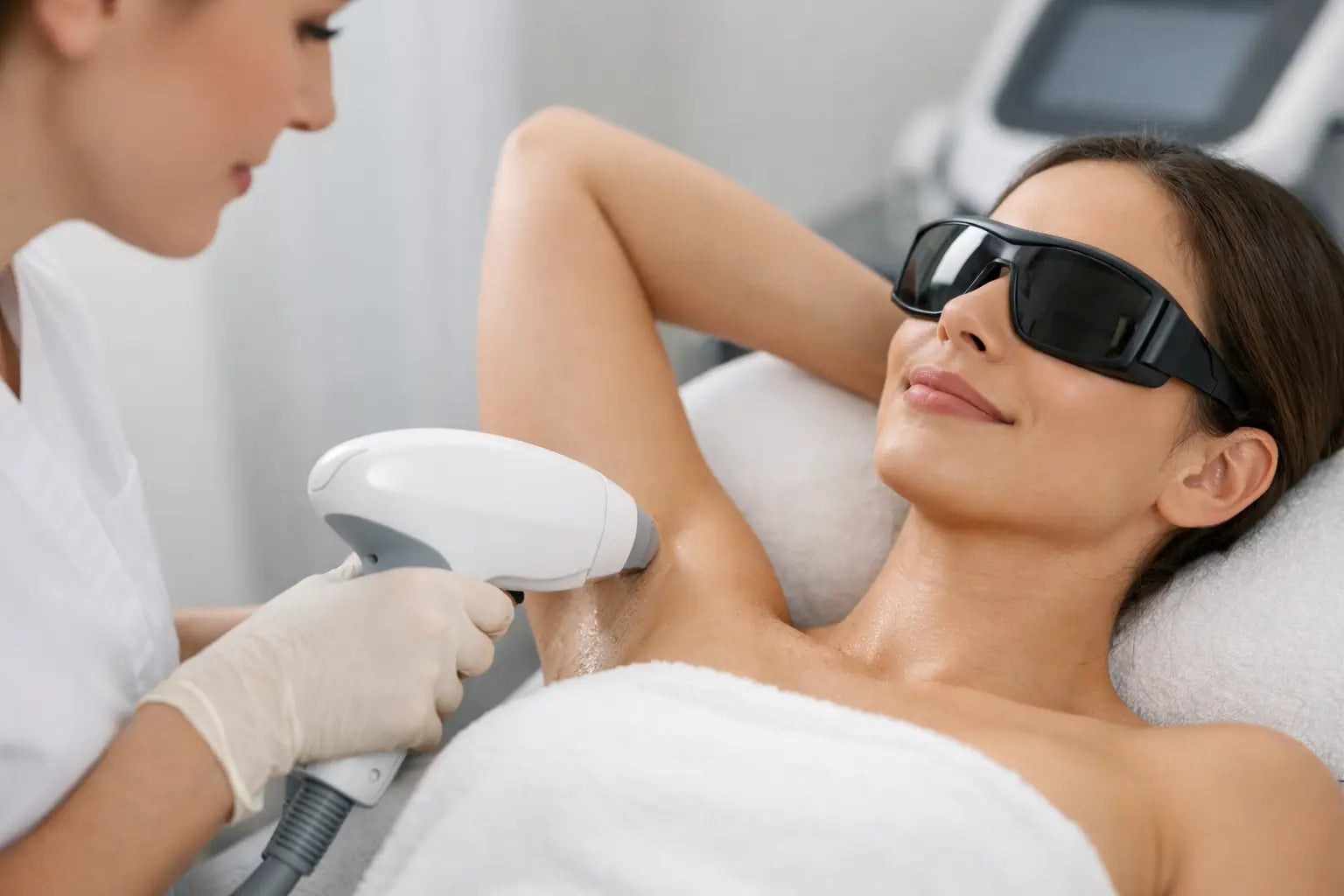
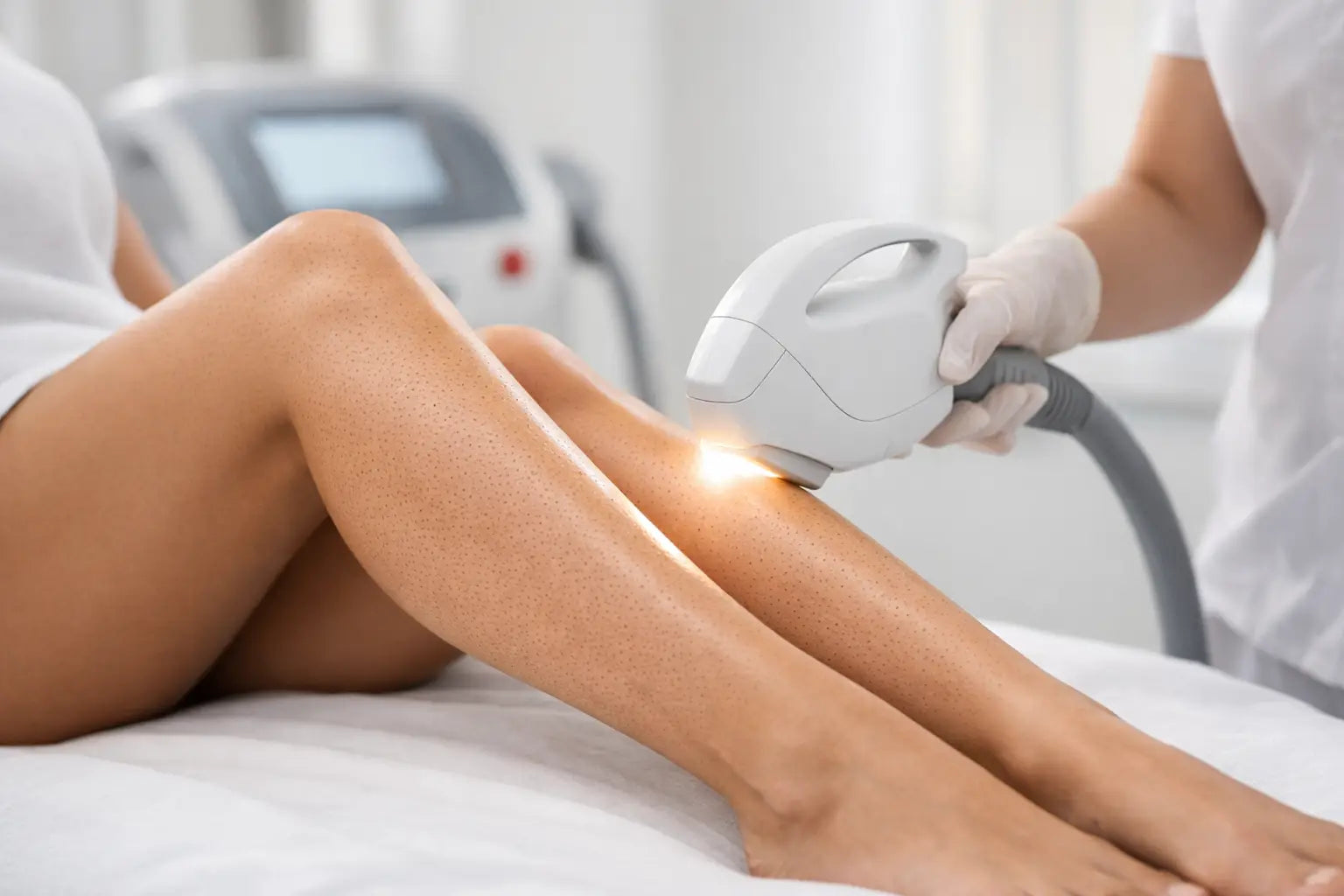
For some people, a long-term hair reduction option can reduce that cycle of irritation and help skin stay calmer over time. That is part of why at-home beauty devices have become such a smart routine upgrade - less repetitive shaving can mean less friction, fewer bumps, and smoother-looking skin overall.
What to avoid when treating chest acne
The biggest mistake is trying to get instant results with harsh products. More strength does not always mean more progress. If your skin gets dry, tight, and red, you may end up with more inflammation and more visible texture.
It also helps to avoid picking. Chest skin can scar and darken more easily than many people expect, especially if you are squeezing inflamed blemishes. If hyperpigmentation is already part of the issue, irritation can keep those marks around longer.
Be cautious with fragranced body products too. Fragrance is not automatically bad, but if your skin is already reactive, it can add another layer of stress that your barrier does not need.
How long does it take to see results?
If you are consistent, mild chest acne can start improving in two to four weeks. More stubborn or hormonal breakouts may take six to eight weeks, sometimes longer. That timeline can feel slow, but skin usually responds best to steady care, not constant product switching.
If your acne is deep, painful, spreading, or leaving scars, it is time to get professional guidance. Prescription treatments may be the faster route in that case, especially if over-the-counter products have not made a dent.
A simple routine that works for most people
If you want the most practical answer to how to treat chest acne, keep it to this: cleanse with an acne-targeted wash, shower after sweating, use one leave-on treatment, and remove the triggers that keep irritating your skin. That may mean changing your workout top more often, swapping out a heavy lotion, or finally moving on from a shaving routine that keeps causing bumps.
Clearer skin usually does not come from doing more. It comes from doing the right things consistently, giving your skin time to respond, and choosing routines that make smooth, confident skin easier to maintain - not harder.

Deja un comentario
Este sitio está protegido por hCaptcha y se aplican la Política de privacidad de hCaptcha y los Términos del servicio.