

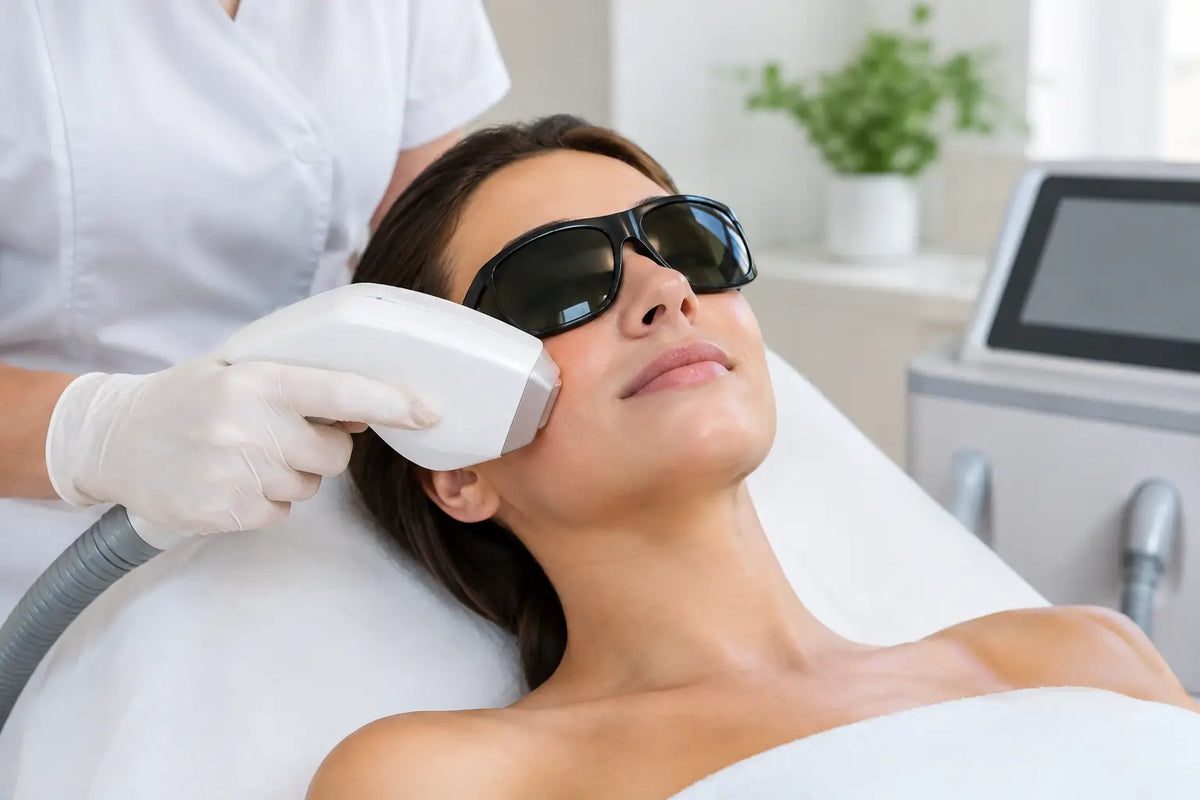
Your IPL results are not about squeezing in a treatment whenever you remember. They come from a simple, consistent routine that gives each hair growth cycle time to respond. Learning how to schedule IPL treatments means less second-guessing, fewer shaving days, and a realistic path toward smoother-looking skin from home.
The good news: you do not need salon appointments or a complicated calendar. You need a starting point, regular sessions during the early phase, and occasional touch-ups once growth begins to slow down.
How to Schedule IPL Treatments at Home
Most at-home IPL routines begin with treatments once or twice a week, depending on the device instructions. This early stage is where consistency matters most. IPL targets pigment in the hair, and not every hair is in the active growth phase at the same time. Repeating treatments on schedule gives you more opportunities to target hairs as they enter that phase.
For many people, the initial schedule lasts around 8 to 12 weeks. During this time, pick the same one or two days each week and treat them like any other self-care appointment. A Tuesday night and Saturday morning schedule, for example, is easy to remember and gives your skin a little breathing room between sessions.
After the initial phase, many users move into maintenance mode. That may mean a treatment every few weeks or once a month, depending on how quickly hair returns in each area. Underarms and bikini lines may need touch-ups on a different timeline than legs, so pay attention to your own regrowth instead of forcing every body area into the exact same routine.
Always follow the schedule and safety guidance in your specific device manual. At-home IPL devices vary in power, treatment windows, and recommended frequency.
Start With a Schedule You Can Actually Keep
The best IPL calendar is not the most ambitious one. It is the one you will follow long enough to see progress.
If you are treating larger areas like legs, set aside enough time so you are not rushing. If you are focusing on underarms, upper lip, or bikini line, your treatment can fit into a shorter evening routine. Some people prefer a weekly full-body session. Others split their routine across two days, such as legs one day and smaller areas another day.
A simple calendar reminder can make a major difference. Label it something clear, like IPL night, and set it for a time when you are usually home. Avoid scheduling right before a beach trip, a spray tan, or a weekend when you know you will be too busy to prep properly.
Consistency beats intensity. Treating more often than recommended will not necessarily speed up results and may increase the chance of skin irritation.
A simple 12-week IPL example
For an easy starting framework, treat once or twice weekly for the first 8 to 12 weeks if your device directions allow it. Choose fixed days, such as Wednesday and Sunday. Once your hair looks noticeably finer or grows back more slowly, shift to touch-ups only when needed.
Think of the first few months as the foundation. You are replacing the endless shave-wax-repeat cycle with a routine designed for longer-lasting smoothness.
What to Do Before Each IPL Treatment
Proper prep helps you get a closer, more comfortable treatment. Shave the area shortly before your session so the device can focus its light energy below the skin surface rather than on hair sitting above it. Do not wax, tweeze, or use an epilator before IPL because those methods remove the root IPL needs to target.
Your skin should be clean and dry. Skip lotions, oils, deodorant, perfume, and self-tanner on the treatment area. These products can create a barrier, affect how the device sits on the skin, or make it harder to assess your natural skin tone.
Sun exposure deserves extra attention. Tanned or sunburned skin may be more sensitive and may not be suitable for treatment. If you have spent time in direct sun, wait until your skin has fully recovered and follow your device instructions on when it is safe to resume. This is especially relevant in sunny places like Puerto Rico, where outdoor time can add up quickly.
Before your first full session, perform a patch test exactly as directed. It is a small step that helps you see how your skin responds before treating a larger area.
Plan Around Your Skin, Not Just Your Calendar
A treatment schedule should flex when your skin needs a break. Do not treat over cuts, active irritation, a rash, sunburn, or recently tattooed skin. Wait until the area is fully healed.
You may also need to pause IPL if you are using products or medications that increase light sensitivity. Some prescription acne treatments, retinoids, antibiotics, and other medications can affect whether IPL is appropriate. If you are pregnant, breastfeeding, have a skin condition, or are unsure about a medication, check with a qualified healthcare professional before using an IPL device.
This is not being overly cautious. Smooth skin is the goal, but healthy skin comes first. A short pause is better than pushing through irritation and setting your routine back.
Track Results Without Obsessing Over Every Session
IPL is a gradual process. You may notice that hair grows more slowly, looks finer, or appears in patchier areas before you see a major reduction. That does not mean your schedule is failing. It means your hair cycles are doing what hair cycles do.
Take a quick photo before you begin and again every two to four weeks in similar lighting. You can also jot down whether you shaved less often that week. These small check-ins make progress easier to spot than staring at the area after every treatment.
Avoid changing your schedule too quickly because one week looks different from the last. Give your routine time. If you have completed the recommended initial treatment period and have not seen the expected change, review your prep, your consistency, and whether your hair and skin tone are within the device's recommended range.
When to Switch to IPL Touch-Ups
You are ready to reduce frequency when the treated area stays smoother for longer and regrowth becomes less noticeable. For some people, this happens around week 8. For others, it takes the full 12-week initial period or longer. Hair density, hormones, treatment area, and consistency can all affect timing.
Maintenance does not have to mean going back to a weekly commitment forever. It may be one quick session every month, or an occasional pass before a vacation, date night, or sleeveless season. Your body gets to set the pace.
If regrowth picks up again, return to the recommended more frequent schedule for a few weeks rather than treating daily. That approach is more aligned with how IPL works and kinder to your skin.
Common IPL Scheduling Mistakes
The first mistake is treating randomly. A session here and there may feel productive, but it makes it harder to catch hairs during active growth and harder to tell whether you are getting results.
The second is waxing between sessions. It can be tempting when you want instant smoothness, but removing hair from the root works against your IPL plan. Shaving is the better in-between option.
The third is treating after heavy sun exposure or over self-tanner. Your skin tone can look different than it did at your last session, which is why a quick skin check before every treatment matters.
Finally, do not expect every area to respond at the same speed. Coarse, dark underarm hair may change differently than finer leg hair. That is normal. Stay consistent, follow the recommended settings, and give each area the time it needs.
A device like the NOHA Device can make your routine feel far more convenient than recurring waxing appointments or last-minute razor runs. Put your first treatment on the calendar, protect that time, and let each session bring you closer to the low-maintenance smooth-skin routine you actually want.



Deja un comentario
Este sitio está protegido por hCaptcha y se aplican la Política de privacidad de hCaptcha y los Términos del servicio.