

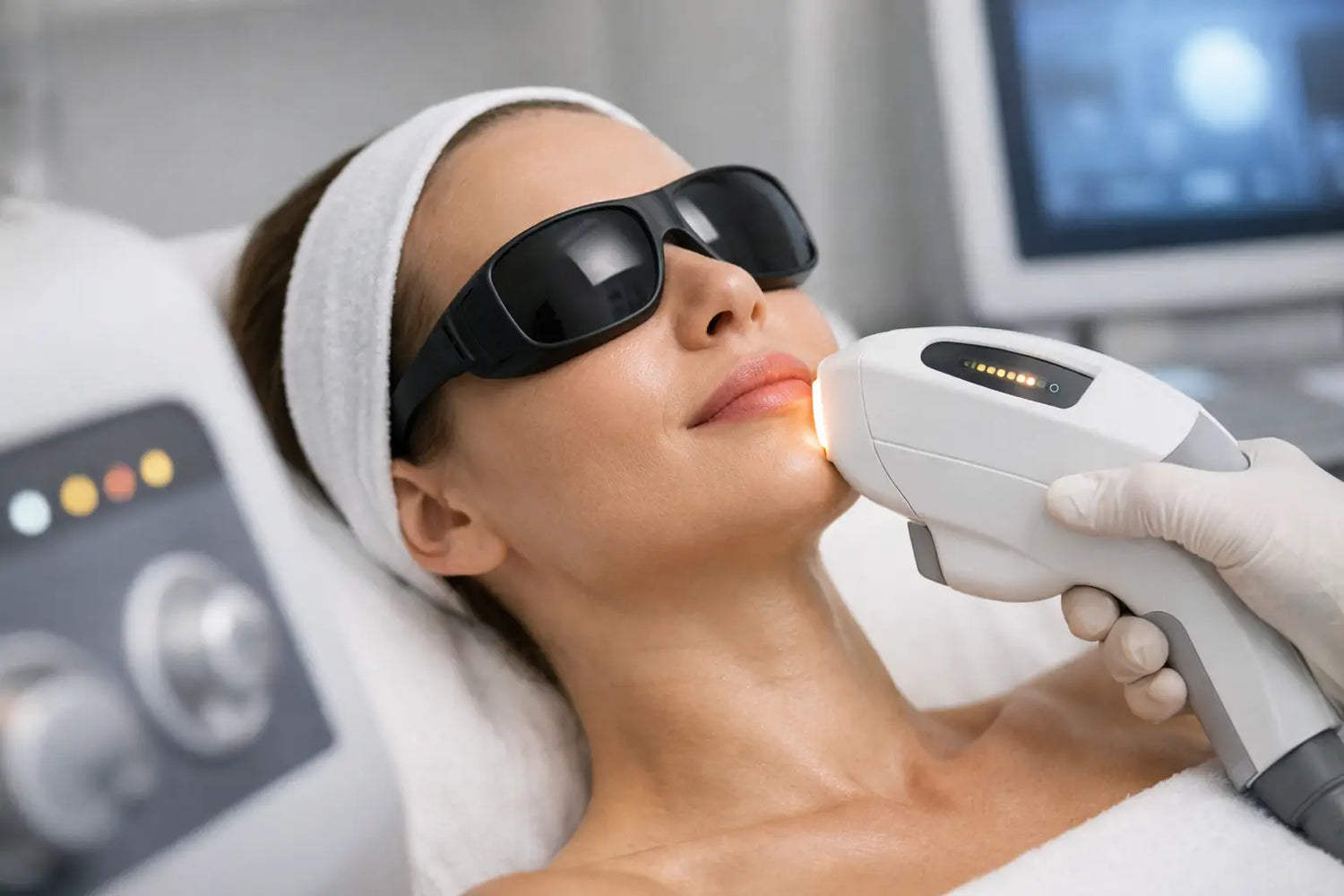
A higher IPL setting is not automatically a better setting. The goal is to use the highest intensity your skin can tolerate comfortably and safely - not to push through a painful flash just because you want faster results. When choosing IPL intensity levels, your skin tone, hair color, treatment area, and skin’s response all matter.
That may sound like a lot, but it becomes easy once you know what to look for. A thoughtful setting choice can help you stay consistent with treatments, which is where at-home IPL fits beautifully into a low-maintenance smooth-skin routine.
Choosing IPL Intensity Levels Starts With Skin and Hair
IPL works by directing light toward pigment in the hair. That light converts to heat around the hair follicle, helping interrupt the hair-growth cycle over a series of treatments. Because pigment is part of the process, results and appropriate intensity vary from person to person.
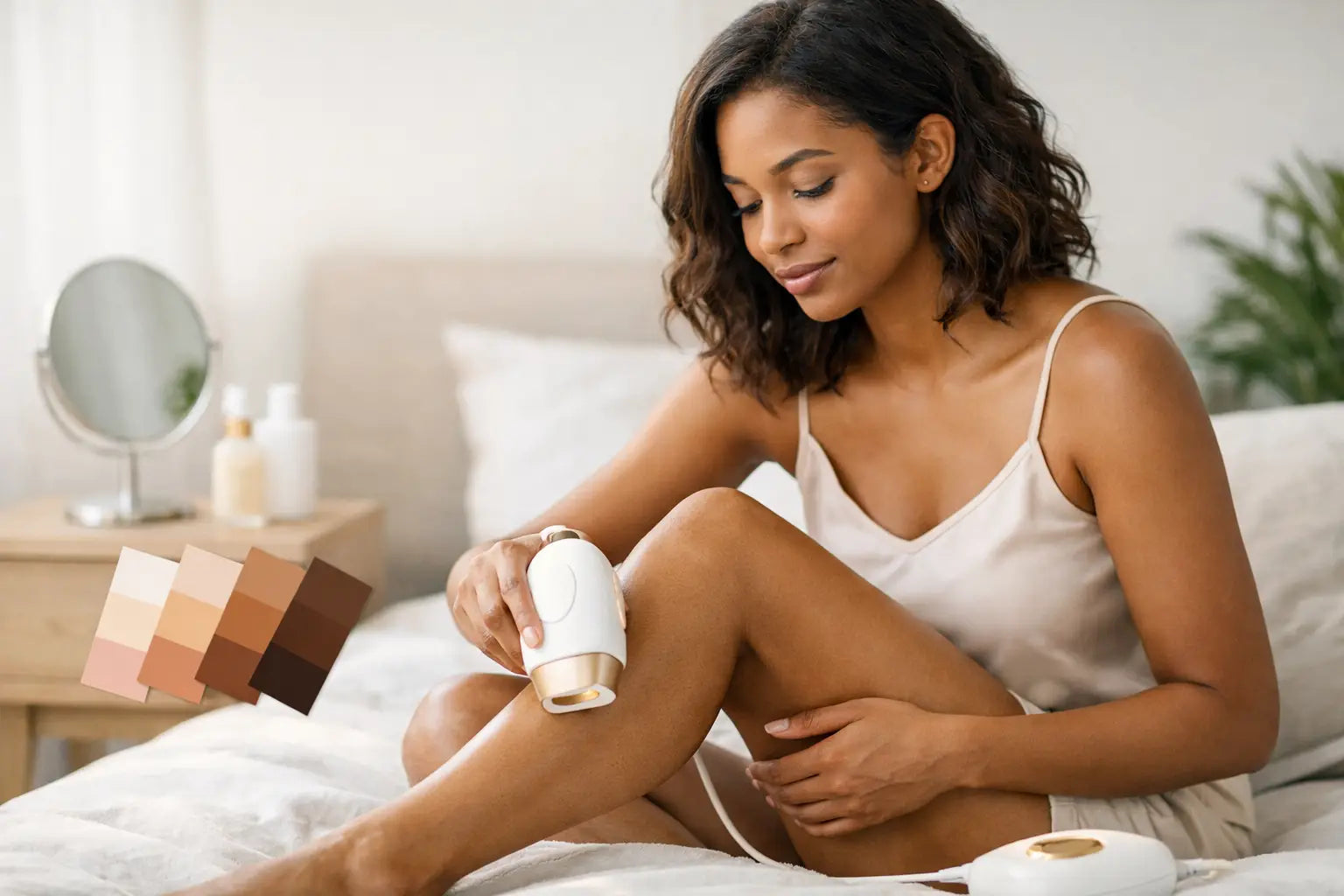
In general, IPL tends to work best when there is clear contrast between lighter skin and darker hair. Dark blonde, brown, and black hair usually respond better than very light blonde, gray, white, or red hair. Very deep skin tones may not be suitable for certain IPL devices because the light can also be attracted to pigment in the surrounding skin.
Start by reviewing your device’s skin-tone and hair-color compatibility guide. This is not a detail to skip. A compatible match gives you the best chance at visible reduction while helping you avoid unnecessary irritation.
Your natural skin tone is only one part of the picture. A fresh tan, self-tanner, sunburn, or darker pigmentation in the treatment area can change how your skin responds. If your skin is tanned or irritated, wait until it has returned to its usual tone and feels fully calm before treating.
Start Low, Then Let Your Skin Guide You
The smart way to find your setting is not to guess. It is to patch test.
On clean, shaved skin, choose a small, discreet spot in the area you plan to treat. Begin at the lowest intensity recommended in your device instructions. If your skin feels fine, move up one level for the next test spot. Continue only until you find a level that feels warm or lightly snappy but still manageable.
A mild heat sensation or quick rubber-band-like snap can be normal with IPL. Sharp pain, intense burning, blistering, or swelling are not signs that the device is “working better.” Stop immediately if you experience those reactions, cool the area with a clean cold compress, and do not treat it again until it has fully recovered. Seek medical advice for persistent or severe symptoms.
After your patch test, give your skin time to respond according to the device instructions, often 24 hours. If there is no concerning reaction, use the highest setting you can comfortably tolerate on that body area. That is your starting point, not a challenge to beat.
Comfort Is Part of an Effective Routine
Consistency matters more than one overly aggressive session. If a high level makes you dread your next treatment, choose a lower setting you can use confidently and regularly. At-home IPL is designed for a routine, not a one-time sprint.
You can always increase intensity gradually in later sessions if your skin remains comfortable. There is no prize for starting at maximum power. The real win is reducing the need for constant shaving, waxing appointments, and last-minute grooming.
Different Areas Can Need Different Settings
Your underarms, bikini line, legs, arms, and face do not always feel the same at the same intensity. This is completely normal.
The bikini line and underarms often have coarser, darker hair, which can make flashes feel more noticeable. These areas can respond well to IPL, but they may call for a lower starting level than your legs. Legs often have more surface area and may feel easier to treat at a comfortably higher setting once you have patch tested.
Facial skin can be more sensitive, too. Only use IPL on facial areas specifically approved in your device instructions. Avoid the eye area completely, and use extra care around the upper lip, where skin can feel more reactive. Never flash over tattoos, dark moles, freckles you are unsure about, or areas with broken, inflamed, or infected skin.
If one zone feels fine at level four and another feels too hot at level four, that does not mean anything is wrong. Adjusting by body area is a practical way to keep treatment comfortable.
Prep Your Skin So the Setting Works as Intended
Even the right intensity can feel wrong on poorly prepared skin. Shave the treatment area beforehand so the light can focus beneath the skin rather than singeing hair above it. Do not wax, tweeze, or epilate right before IPL, since those methods remove the hair root that IPL needs to target.
Your skin should be clean and dry. Skip lotion, body oil, perfume, deodorant, makeup, and self-tanner on the area before treatment unless your device instructions say otherwise. These products can create a barrier, increase sensitivity, or make it harder for the device to sit correctly against the skin.
For a more comfortable session, treat skin that is cool and calm. Do not use IPL right after a hot shower, intense workout, sauna session, or time in direct sun. If you recently used exfoliating acids, retinoids, or other potentially sensitizing skincare on the area, follow your product and device guidance before treating.
Know When to Pause
IPL is not the moment to power through a compromised skin barrier. Pause treatments if you have sunburn, active irritation, a rash, open cuts, or a flare-up of a skin condition in the target area.
Also check your device safety guide if you are pregnant or breastfeeding, taking medications that increase light sensitivity, or managing a skin or medical condition. When in doubt, speak with a qualified healthcare professional before using an IPL device. Feeling certain is better than treating through uncertainty.
What “Too Low” and “Too High” Can Look Like
A low setting is not useless. It can be the right choice when you are new to IPL, treating a sensitive area, or easing back into your routine after time in the sun. You may simply need patience and consistent sessions to see the gradual change you want.
A setting may be too low for you if, after following the full recommended treatment schedule on compatible skin and hair, you see no slowdown in regrowth at all. Before turning the level up, check the basics: Are you shaving first? Are you treating on schedule? Is your hair color compatible? Are you covering each section without repeatedly flashing the same exact spot?
A setting may be too high if it causes strong pain during treatment or leaves prolonged redness, tenderness, crusting, pigment changes, or blistering afterward. Lower the level next time only after the skin is fully healed. If the reaction is significant, stop use and get professional advice.
Build Your Personal IPL Plan
The best intensity level is personal, and it can change. Your skin may be more sensitive around your cycle, after a beach weekend, during dry winter weather, or when you introduce a new active skincare product. Check in with your skin before every session instead of assuming last month’s level is right for today.
Keep a simple note on your phone with the body area, intensity level, treatment date, and how your skin felt afterward. It takes seconds and removes the guesswork from future sessions. You will quickly learn that your legs may love one level while your underarms prefer another.
With a device such as the NOHA Device™, the at-home advantage is having the flexibility to treat on your own schedule and adjust thoughtfully as your routine evolves. Smooth skin should feel like freedom, not a painful appointment you have to work around.
Choose the setting that lets you treat consistently, comfortably, and with confidence. Your best IPL routine is the one your skin can keep up with - session after session.


Deja un comentario
Este sitio está protegido por hCaptcha y se aplican la Política de privacidad de hCaptcha y los Términos del servicio.