

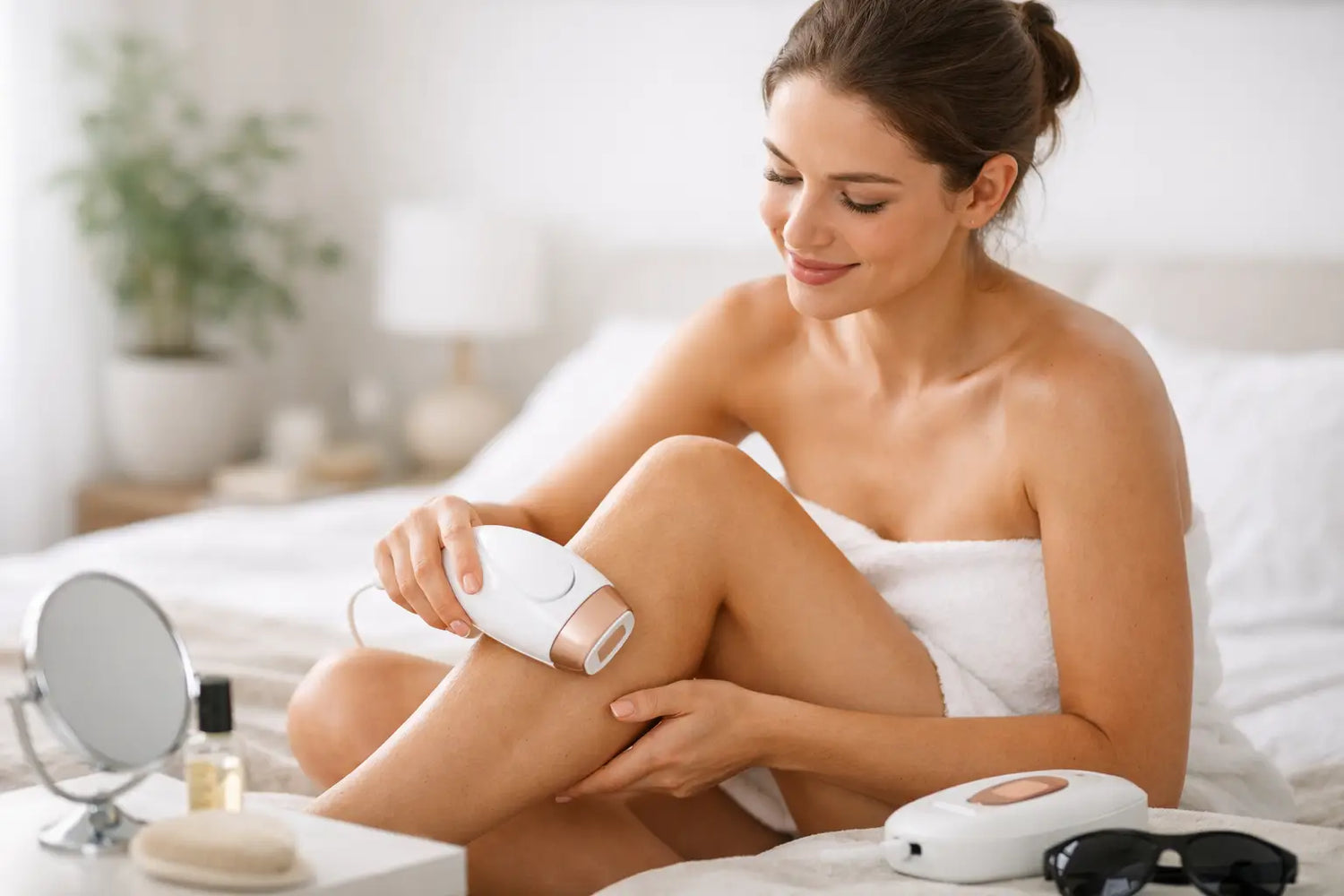
Shaving on Monday and feeling stubble by Wednesday gets old fast. If you are looking for a smarter way to keep skin smooth without building your life around razors, wax appointments, or constant upkeep, this at home IPL guide will help you understand what to expect, how to use it correctly, and whether it fits your routine.
IPL stands for Intense Pulsed Light. It targets the pigment in the hair, sends light energy down to the follicle, and helps slow future growth over time. The appeal is simple - fewer touch-ups, less daily hassle, and long-term savings compared with treatments that never seem to end.
What an at home IPL guide should tell you first
The biggest myth around at-home IPL is that one session changes everything. It does not. Results come from consistency. Most people start seeing a reduction in regrowth after several treatments, with better long-term results when they stick to the schedule.
That matters because IPL works best when hair is in the right growth phase. Not every hair is active at the same time, which is why repeated sessions are part of the process. Think of it less like a one-time fix and more like training your routine toward smoother, lower-maintenance skin.
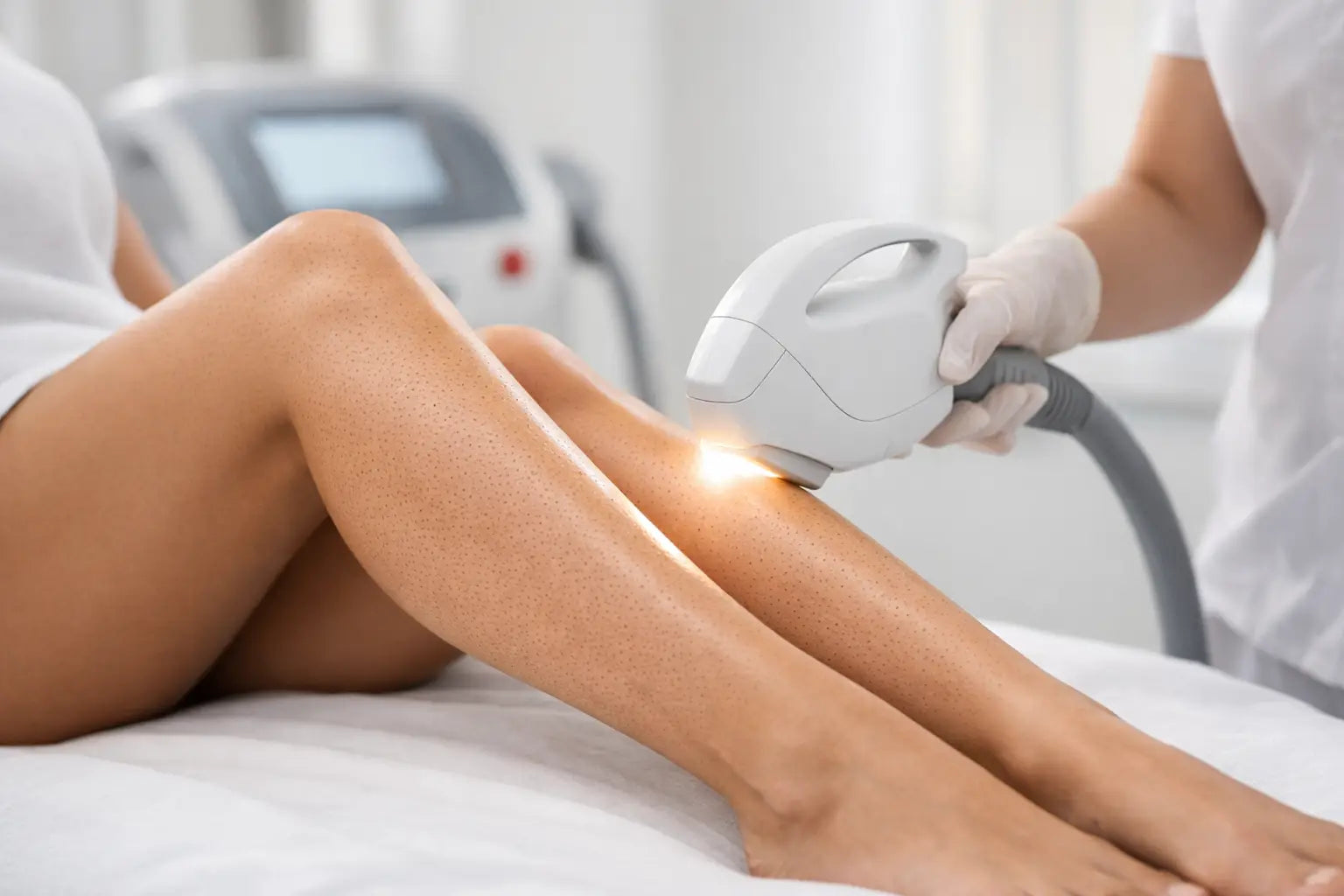
Another thing worth knowing up front is that IPL is not exactly the same as in-clinic laser. Clinic treatments are often stronger and more customized, but they also come with a much higher price tag and the hassle of appointments. At-home IPL is designed for convenience and accessibility. For many women, that trade-off is more than worth it.
How at-home IPL works in real life
Using an IPL device is usually more straightforward than people expect. You shave the area first, make sure the skin is clean and dry, choose the appropriate intensity level, and flash the device across the treatment area.
Shaving first is important. The light needs to target the hair below the skin rather than getting distracted by hair sitting above it. Waxing or plucking before treatment is different because those methods remove the root, and IPL needs that follicle in place to work.
Most modern at-home devices are built to feel manageable, not intimidating. Sessions can be quick depending on the body area, and many users describe the sensation as a warm snap rather than serious pain. Comfort can still vary. Underarms may feel different from legs, and bikini areas tend to be more sensitive. That does not mean something is wrong. It just means your body is not one-size-fits-all.
Who gets the best results
IPL works by targeting melanin in the hair, so it tends to be most effective when there is a strong contrast between hair color and skin tone. In plain terms, darker hair usually responds better than very light blonde, red, gray, or white hair.
Skin tone matters too. Some devices are designed with built-in skin sensors and broader compatibility, but not every IPL device is right for every skin tone. That is why reading the safety guidance for your specific device matters more than guessing. A good device should make that process feel simple, not confusing.
If your goal is realistic improvement, not magic overnight, you are in the right mindset. The best candidates are usually people who want fewer ingrown hairs, less shaving, and a smoother look without constant maintenance. If you expect permanent hair removal after one weekend, you will probably be disappointed. If you want a long-term routine that can seriously cut down regrowth, IPL makes much more sense.
How to use an at home IPL guide for better results
Technique matters more than people think. Start with clean, freshly shaved skin and avoid heavy lotions, oils, or deodorant on the area before treatment. Pick the right energy setting based on your skin sensitivity and your device instructions. If you are unsure, start lower and build up as tolerated.
Move methodically. Overlapping too much can irritate skin, and missing large sections leads to patchy results. It helps to work in rows, especially on larger areas like legs. Slow and consistent usually beats fast and sloppy.
The schedule matters just as much as the session itself. Many people begin with weekly treatments for the first phase, then shift to maintenance as regrowth decreases. Skipping weeks, doubling up randomly, or stopping too early can make results feel underwhelming. The women who get the most out of IPL are usually the ones who treat it like part of their self-care routine instead of a last-minute experiment.
What to expect after your first few sessions
The first sign of progress is not always hair disappearing instantly. Often, regrowth starts coming in slower, finer, or patchier. That is still progress. Some hairs may seem to grow before shedding, which can make it feel like nothing is happening when the opposite is true.
Skin can look a little pink right after treatment, especially in sensitive areas. That usually settles quickly. Gentle skincare helps. Keep the area calm, avoid aggressive exfoliation right away, and be mindful of sun exposure. Freshly treated skin does better when you treat it kindly.
Patience pays off here. IPL rewards consistency more than intensity. You do not need to make it painful to make it effective. You need to stay on schedule and give the process time to work.
Common mistakes that slow results
One of the biggest mistakes is waxing or tweezing between sessions. It is tempting when a few hairs pop up, but removing the root interferes with the treatment cycle. Shaving is the better option if you need touch-ups.
Another common issue is using the wrong setting because lower always feels safer. Comfort matters, but going too low for too long can reduce effectiveness. On the flip side, jumping to the highest level too fast can irritate the skin and make the process harder to stick with. The sweet spot is effective and tolerable.
Inconsistent use is another problem. A lot of people try IPL for two or three sessions, get busy, and then decide it did not work. The routine has to be long enough to judge fairly. Hair grows in cycles, and your device can only target what is active.
There is also the sunscreen issue. If you are treating areas exposed to the sun, protecting your skin matters. Tanned or recently sun-exposed skin can change how suitable treatment is, depending on the device. This is not the glamorous part of hair removal, but it is one of the parts that keeps the process safe.
Is at-home IPL worth it?
For many women, yes. Especially if you are tired of buying razors over and over, dealing with waxing pain, or pricing out clinic treatments that feel out of reach. At-home IPL has a higher upfront cost than a pack of razors, but it can feel far more affordable over time.
The real value is not just money. It is the freedom of doing treatments on your own schedule. No appointments. No rushing across town. No rearranging your week for smooth skin.
That said, it depends on your hair color, skin tone, expectations, and consistency. If your hair is too light for IPL or you know you will not keep up with a treatment plan, the payoff may be smaller. But if you want visible reduction, less maintenance, and a routine that fits real life, a quality device can be a smart beauty investment.
One brand people often look at in this space is NOHA because the promise is simple: salon-inspired results at home, without the salon price. That kind of value is exactly why IPL keeps gaining attention.
The bottom line on choosing your routine
If you are comparing shaving, waxing, and clinic laser, at-home IPL sits in a very appealing middle ground. It is more of a commitment than shaving, less of a hassle than waxing, and far more budget-friendly than many in-office options. For women who want smoother skin without repetitive grooming taking over their routine, that balance is hard to ignore.
The smartest approach is to be consistent, stay realistic, and choose a device you feel comfortable using regularly. Smooth skin is not just about the treatment itself. It is about finding a routine you will actually stick with, because that is where the real results start.

Deja un comentario
Este sitio está protegido por hCaptcha y se aplican la Política de privacidad de hCaptcha y los Términos del servicio.