

A smooth underarm in the morning can turn into stubble by dinner. That is the reality that sends so many people searching for something better than their usual razor. In the debate over sugaring versus shaving, the right choice depends on what you want most: a quick fix, longer-lasting softness, lower cost, less irritation, or fewer hair-removal sessions overall.
Both methods have a place in a real beauty routine. But they are not equal when it comes to time, upkeep, and how your skin feels afterward.
Sugaring Versus Shaving at a Glance
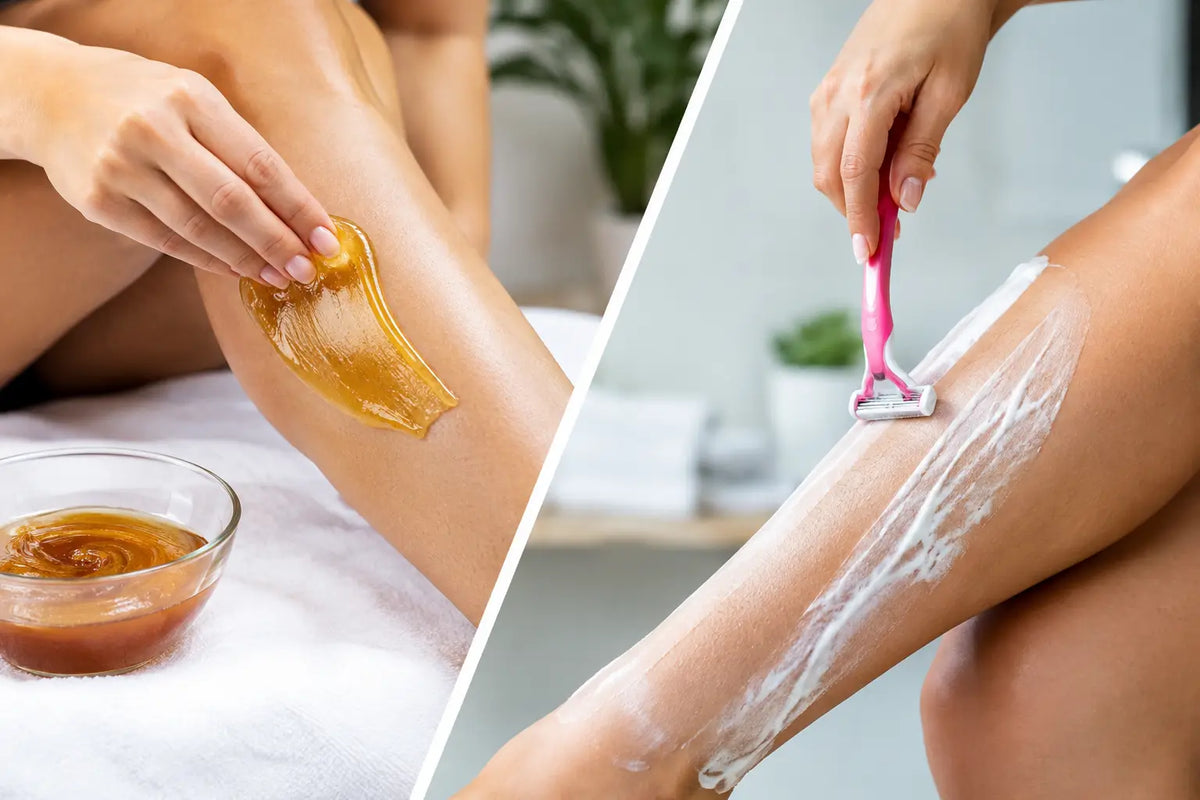
Shaving cuts hair at the skin’s surface. It is fast, familiar, and easy to do in the shower, which is why it remains a go-to for busy mornings and last-minute plans. The trade-off is that hair grows back quickly because the root remains in place.
Sugaring removes hair from the root with a sticky paste typically made from sugar, water, and lemon. The paste is applied to the skin and pulled away, taking the hair with it. Since the follicle has to produce a new hair, results generally last much longer than shaving.
That sounds simple, but the best method comes down to your routine and your tolerance for maintenance. Shaving wins for speed. Sugaring wins for staying power. Neither is completely effortless.
How Long Do Results Last?
This is where the difference is most noticeable.
With shaving, many people feel regrowth within one or two days. Some may get a few smooth days depending on their hair growth, body area, razor quality, and technique. Areas with coarser hair, such as the bikini line or underarms, often show stubble sooner.
Sugaring can keep skin smooth for roughly three to six weeks. Results vary, and hair needs to grow out enough before the next appointment or at-home session. That means you cannot remove every new hair the moment you see it. For anyone who likes to stay completely hair-free at all times, that grow-out phase can be frustrating.
There is also a middle ground worth considering. At-home IPL technology is designed to target the hair growth cycle over a series of treatments, helping reduce regrowth over time. Instead of choosing between daily shaving and repeated root removal, it can be a smart option for people who are ready to spend less time managing body hair long term.
Cost: Cheap Today or Less Expensive Over Time?
A razor seems inexpensive until you add up replacement blades, shaving cream, exfoliants, and the products you buy to calm razor bumps. Shaving is low-cost per session, but it is a recurring expense because the routine never really ends.
Sugaring costs more upfront. Professional appointments can add up quickly, especially when you treat multiple areas like legs, underarms, bikini line, and face. At-home sugar paste may lower the cost, but it comes with a learning curve and can get messy fast.
The question is not just what each method costs this week. Ask how much you expect to spend and how often you want to repeat the process over the next year. If routine appointments and last-minute razor purchases are already draining your beauty budget, a longer-term hair-reduction approach may offer better value.
Comfort and Skin Sensitivity
Shaving is not supposed to hurt, yet plenty of people deal with nicks, burning, ingrown hairs, dark-looking follicles, and itchy regrowth. A dull blade, dry shaving, too much pressure, or shaving against the direction of hair growth can make those issues worse.
Sugaring involves pulling hair from the root, so there is no reason to pretend it is sensation-free. Many people find it gentler than traditional waxing because the paste tends to adhere more to the hair than the skin. Still, sensitivity is normal, particularly in delicate areas. You may have redness after treatment, and the first few sessions can feel more intense when hair is thicker.
Your skin type matters. If you are prone to razor bumps, shaving may feel like a constant cycle of smooth skin followed by irritation. If you are sensitive to pulling or tend to experience redness after waxing, sugaring may not feel like your ideal solution either.
The Hidden Factor: Your Technique
Poor technique can make either choice feel worse than it needs to. For shaving, use a clean, sharp razor, plenty of slip, and light strokes. Avoid repeatedly going over the same patch of skin. Rinse with cool water and apply a gentle, fragrance-free moisturizer afterward.
For sugaring, proper hair length matters. Hair that is too short will not grip well, while hair that is too long can make removal more uncomfortable. Keep the skin clean and dry before your session, and avoid aggressive exfoliation, heat, or friction right afterward.
Convenience: What Fits Your Actual Schedule?
Shaving is the winner when you need smooth legs before a beach day, date night, or weekend trip. You can do it at home in minutes, and there is no need to wait for hair to reach a certain length. The downside is that it demands your attention again almost immediately.
Sugaring asks for more planning. If you book salon appointments, you have to work around availability and travel time. If you sugar at home, you need to prepare the paste or product, create a clean setup, and accept that there may be trial and error. But once it is done, you get more time before the next session.
For a lot of women, convenience is not just about how long a treatment takes. It is about how often you have to think about it. A 10-minute shave twice a week can feel less convenient than a more involved treatment that gives you weeks of smoother skin.
Which Method Is Better for Different Areas?
Your legs may tolerate almost anything, while your bikini line demands a much more careful approach. It makes sense to use different hair-removal methods for different areas.
Shaving works well for quick maintenance on the legs, underarms, and areas where you want immediate results. It is also practical when you are not ready to grow hair out for a sugaring session.
Sugaring can be a strong choice for the bikini line, underarms, and face if you want a longer break between treatments. Some people also prefer it for larger areas once they become comfortable with the process. However, avoid sugaring over irritated skin, active breakouts, sunburn, or areas using strong exfoliating treatments.
If frequent shaving leaves you with visible dots, shadow, or recurring ingrowns, the issue may be less about your razor brand and more about how often you are cutting hair at the surface. That is when moving beyond a razor-only routine can make a real difference.
Is Sugaring Better Than Shaving?
Sugaring is better if your priority is longer-lasting smoothness and you are willing to trade a little more time, cost, and discomfort for it. Because hair is removed from the root, you can enjoy weeks rather than days before noticeable regrowth.
Shaving is better if you need speed, flexibility, and a low upfront cost. It is also easy to control, which makes it useful for quick touch-ups or occasional hair removal. Just be honest about the upkeep: smooth results are short-lived, and irritation can become part of the routine.
Neither method is a permanent answer. Sugaring removes hair, and shaving cuts hair, but both require repeat sessions. For people tired of building their schedules around regrowth, an at-home IPL device such as the NOHA Device can be a more practical next step. It is designed for consistent use at home, without the ongoing appointments that come with salon hair removal.
Make the Choice That Gives You More Freedom
You do not have to keep choosing the method you started using as a teenager. If shaving feels like a daily chore, try a routine that gives you more time between touch-ups. If sugaring feels too expensive or hard to schedule, look for an option that works around your life instead of adding another appointment to it.
The best hair-removal routine is the one that leaves your skin feeling cared for and gives your time back. Smooth skin should feel like a confidence boost, not another task waiting on your to-do list.

Leave a comment
This site is protected by hCaptcha and the hCaptcha Privacy Policy and Terms of Service apply.