

Permanent Hair Removal at Home: What Actually Works
The promise of permanent hair removal at home sounds almost too good to be true. But with advances in consumer light-based technology, it's now more achievable than ever. Here's an honest breakdown of what actually works, what doesn't, and what to realistically expect.
First, Let's Define "Permanent"
True permanent hair removal — meaning zero regrowth forever — is difficult to achieve even in professional settings. What most at-home methods deliver is permanent hair reduction: a significant, long-lasting decrease in hair density and thickness, with minimal regrowth that's much finer than before. For most people, this is more than enough.
Methods That Actually Work
1. IPL (Intense Pulsed Light) — Best Overall
IPL is the gold standard for at-home hair reduction. It uses broad-spectrum light to target melanin in hair follicles, generating heat that disables the follicle and prevents regrowth. With consistent use over 8–12 weeks, most users see 80–90% hair reduction that lasts for months to years.
Best for: Fair to medium-brown skin with dark hair
Results timeline: Visible reduction after 3–4 sessions; significant results by session 8–12
Maintenance: Touch-up sessions every 1–3 months as needed
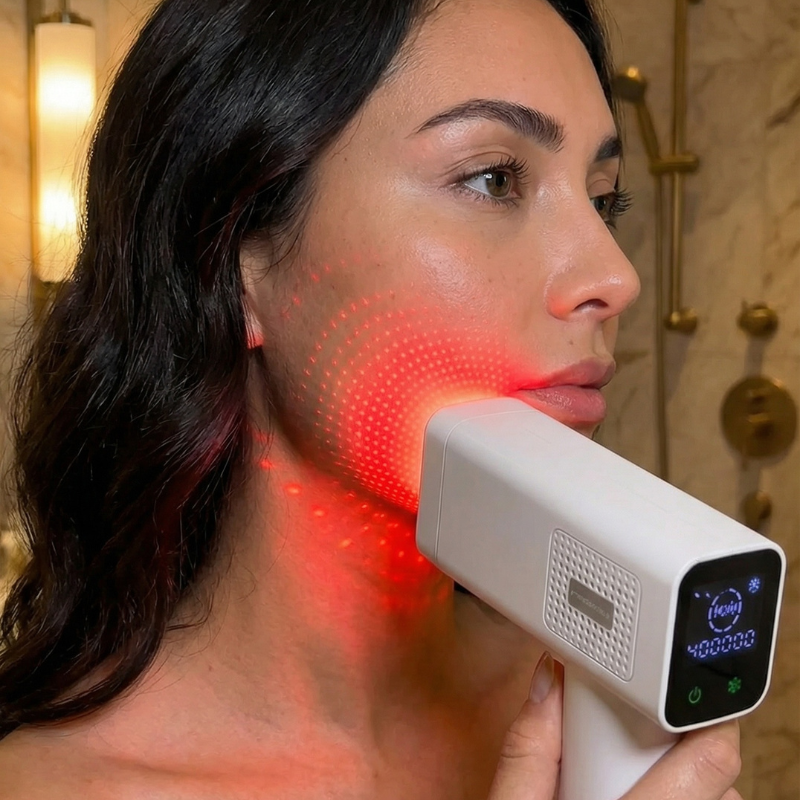
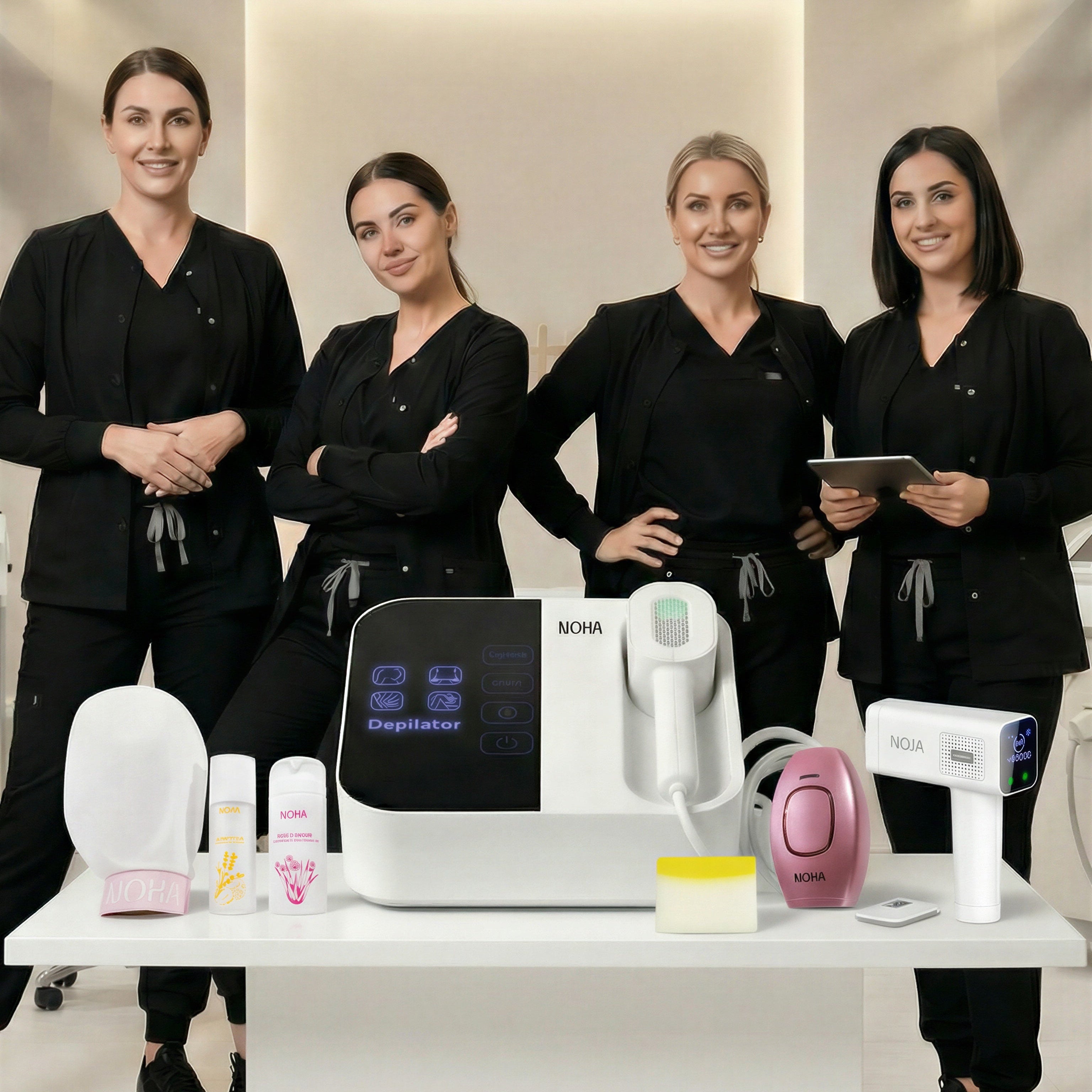
The NOHA Device™ is one of the most effective at-home IPL devices available, with multiple intensity levels and a skin tone sensor for safe, personalized treatment.
2. Laser Hair Removal (Professional)
Professional laser uses a concentrated single wavelength for more precise follicle targeting. It's more effective than at-home IPL in fewer sessions, but requires clinic visits and costs significantly more. Not truly "at home," but worth mentioning for comparison.
3. Electrolysis
The only FDA-recognized method of true permanent hair removal. A fine probe is inserted into each follicle and an electric current destroys it. It's effective on all skin tones and hair colors — including light hair that IPL can't target. However, it's slow, expensive, and must be done by a professional.
Methods That Don't Deliver Permanent Results
- Shaving: Removes hair at the surface only; regrowth in 1–3 days
- Waxing/threading: Removes hair from the root; regrowth in 3–6 weeks, but no follicle damage
- Depilatory creams: Chemical dissolution of hair shaft; no effect on follicle
- At-home epilators: Mechanical root removal; similar to waxing with no permanent effect
What to Realistically Expect from At-Home IPL
Here's a realistic timeline for most users of the NOHA Device™:
- Sessions 1–2: Little visible change; follicles are being targeted
- Sessions 3–4: Treated hairs begin shedding; regrowth slows
- Sessions 5–8: Significant reduction in density; regrowth is finer and lighter
- Sessions 9–12: Up to 90% reduction; maintenance sessions only needed every 1–3 months
Tips for Maximum Results
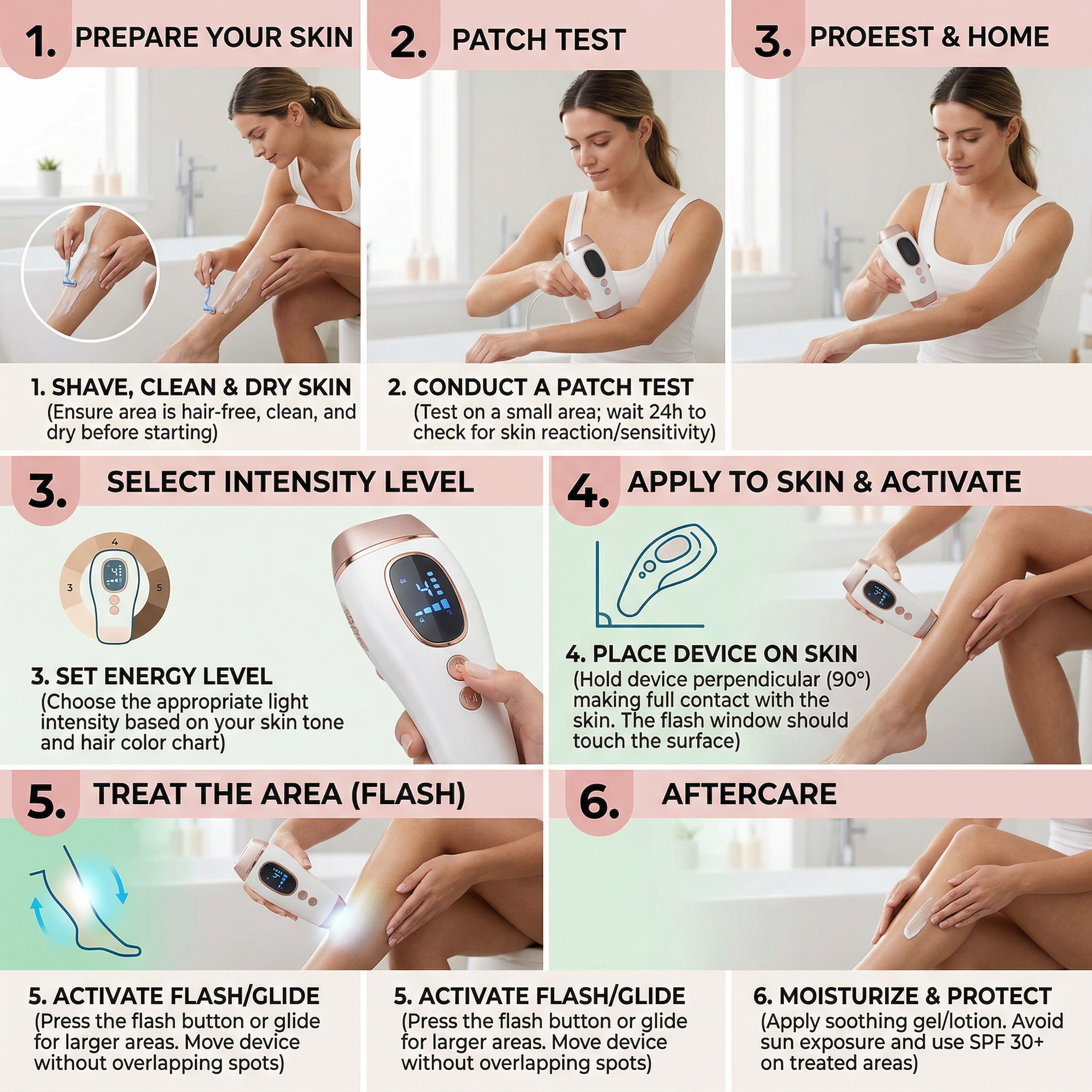
- Shave before each session (never wax or pluck)
- Treat consistently every 2 weeks for the first 2 months
- Use the correct intensity for your skin tone
- Avoid sun exposure before and after treatment
- Be patient — results build progressively
The Bottom Line
For at-home permanent hair reduction, IPL is the most effective, accessible, and cost-efficient option available. The NOHA Device™ delivers professional-quality results on your schedule, without clinic appointments or ongoing costs.

Leave a comment
This site is protected by hCaptcha and the hCaptcha Privacy Policy and Terms of Service apply.