

A few dark hairs on the chin can make a close-up mirror feel like an appointment you cannot skip. Meanwhile, shaving your legs, underarms, and bikini line every few days can turn smooth skin into a full-time routine. That is why the laser hair removal versus electrolysis decision matters: both can reduce the work, but they do it in very different ways.
The best choice is not simply the one labeled “permanent.” It is the one that fits your hair color, skin tone, treatment area, budget, pain tolerance, and patience level. Here is the clear, no-confusion comparison.
Laser Hair Removal Versus Electrolysis: The Core Difference
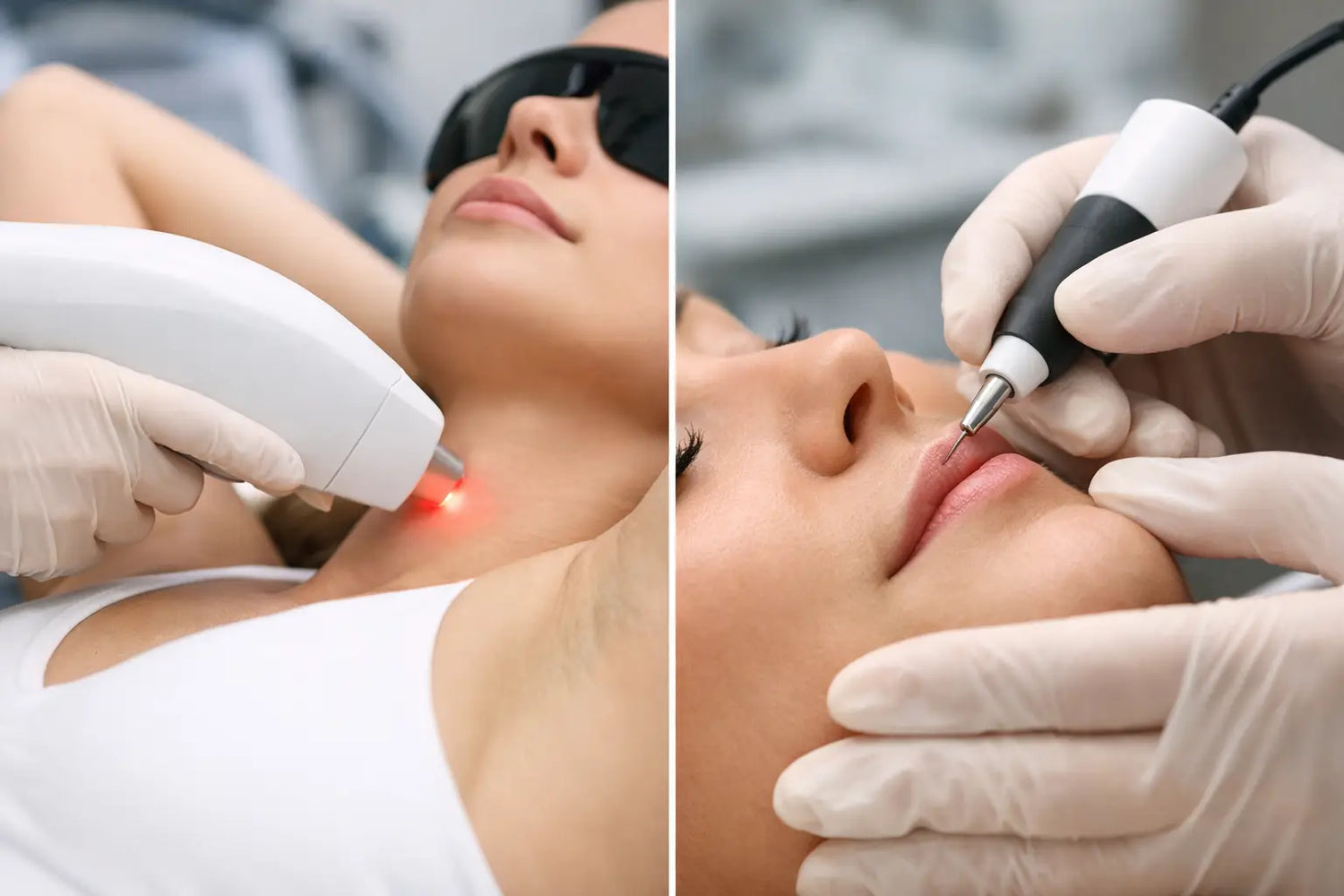
Laser hair removal uses concentrated light to target pigment in the hair. The light converts to heat, helping disrupt the follicle during its active growth phase. Because the device can treat many follicles in a single pulse, laser treatments are designed for larger areas such as legs, arms, underarms, the bikini line, chest, and back.
Electrolysis treats one follicle at a time. A trained electrologist inserts a very fine probe into the follicle and applies electrical energy to destroy its growth center. The hair is then removed with tweezers. It is precise, but precision takes time.
Both options require a series of treatments because hair does not grow on the same schedule. A follicle can only be effectively treated when it is in the right growth stage. The difference is scale: light-based treatment covers a zone quickly, while electrolysis focuses on individual hairs.
Which Method Is More Permanent?
Electrolysis is the only method recognized by the FDA as permanent hair removal. When a follicle is successfully treated, that individual follicle should not produce hair again. However, that does not mean one appointment clears an area forever. You still need multiple sessions to catch all of the hairs as they cycle into active growth.
Laser hair removal is generally described as permanent hair reduction. Many people see a major, long-lasting reduction in visible regrowth after a full series. The hairs that remain may grow back finer, lighter, and less often. Occasional maintenance can be needed, especially with hormonal shifts, genetics, or conditions that encourage new hair growth.
For someone who wants to eliminate a small number of stubborn facial hairs, electrolysis may be worth the commitment. For someone who wants less hair across both legs before vacation season and beyond, laser-style treatment is usually the more practical path.
Speed: Large Areas Change the Conversation
This is where laser hair removal has a clear advantage. Treating a full leg with electrolysis can require many hours spread across appointments because every follicle needs separate attention. Even a small area can become a long-term project if the hair is dense.
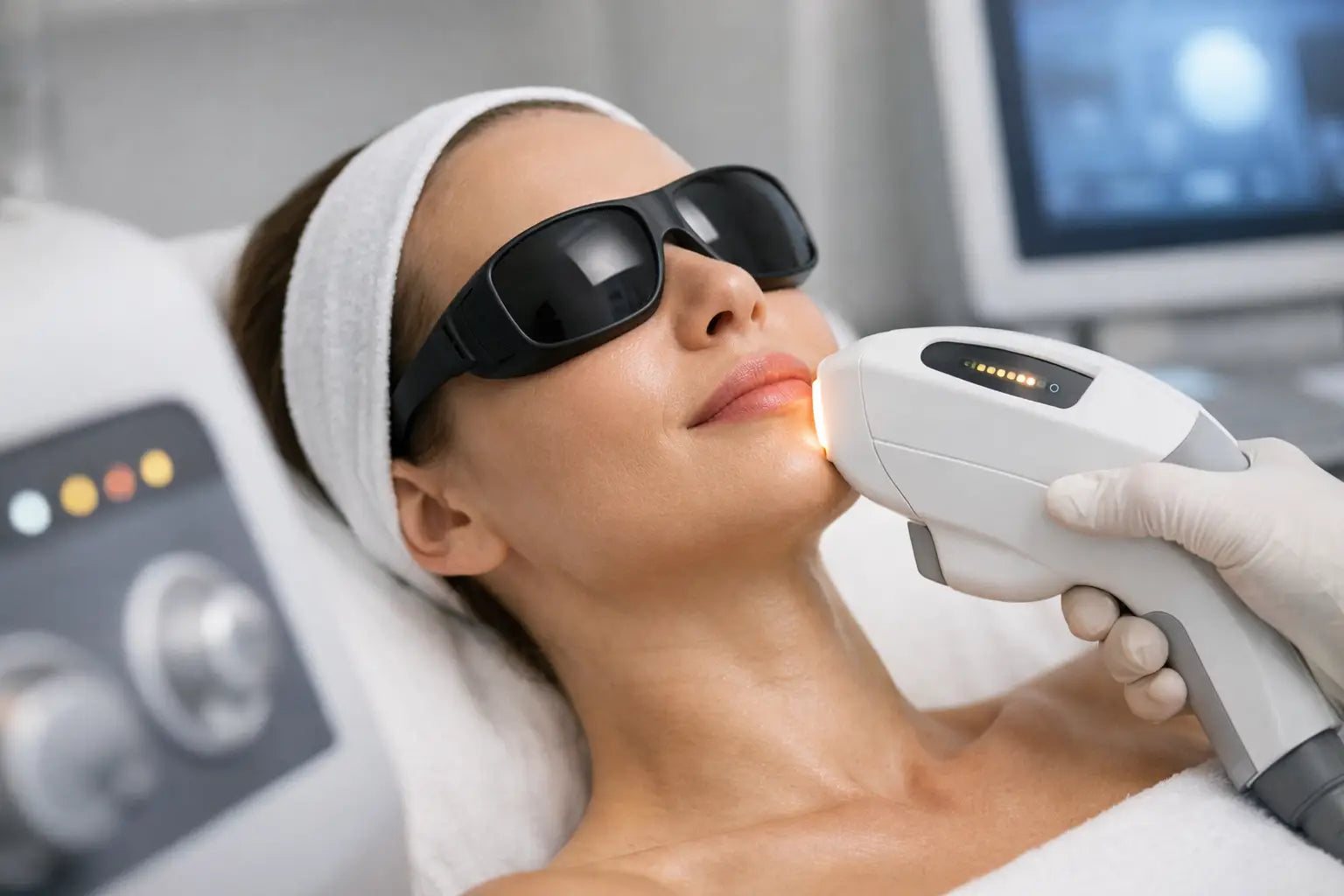
Light-based hair removal treats a wider patch of skin with each flash. That makes it far more realistic for large body areas and for people who do not want their calendar built around salon visits. You shave before treatment, work section by section, and stay consistent with the recommended schedule.
At-home IPL devices use broad-spectrum light rather than the single wavelength used in professional laser systems. IPL is not the same as clinic laser treatment, but it follows a similar pigment-targeting principle and can be a smart fit for ongoing at-home hair reduction. A device like the NOHA Device™ is made for the person who wants to treat on her own time instead of booking repeated appointments for every area she wants smooth.
Comfort: What Does Each One Feel Like?
Neither option feels identical for every person. Laser and IPL treatments are often described as a quick snap or a warm rubber-band sensation. The feeling is brief because each flash is brief. Proper prep, clean shaved skin, and lower settings when you are new can make the process more comfortable.
Electrolysis tends to be more intense because the sensation happens follicle by follicle. Some people feel heat, a pinch, or a sting. Sensitive areas, including the upper lip and bikini line, may feel stronger. The total experience can also feel longer simply because the appointment lasts longer.
Pain tolerance is personal, but time matters too. A few minutes of quick flashes at home may feel easier to manage than a lengthy session focused on individual hairs. If comfort is your top concern, ask about settings, cooling, and how to prepare your skin before committing to either method.
Skin Tone and Hair Color: Eligibility Matters
Laser and IPL depend on contrast between the pigment in the hair and the pigment in the surrounding skin. Dark, coarse hair often responds best because it gives the light more pigment to target. Very blond, gray, white, or red hair usually has too little pigment for dependable laser or IPL results.
Professional laser technology has expanded options for a wider range of skin tones, but device choice and provider experience still matter. Using the wrong type of light treatment or an unsuitable setting can increase the risk of irritation, burns, or discoloration. Always follow the device instructions, use recommended settings, and patch test first.
Electrolysis does not rely on hair pigment. It can treat blond, white, gray, red, and dark hairs across skin tones. That makes it especially valuable for hair that laser or IPL cannot effectively target. It is also a strong finishing option after light-based treatments have reduced the bulk of darker hair.
Cost: Upfront Price Versus Long-Term Spending
Electrolysis is usually billed by time. That may feel manageable for a few hairs, but costs can add up quickly for larger areas that need dozens or even hundreds of treatment hours. The exact total depends on hair density, the area, your treatment plan, and local pricing.
Professional laser sessions can also be expensive because you pay per area and return multiple times. Packages can lower the per-session cost, but you are still working around appointment availability and possible maintenance visits.
An at-home IPL device has a higher upfront cost than a razor, but it can be far less expensive than recurring salon treatments over time. It also replaces part of the routine that keeps costing money: razors, shave cream, waxing appointments, tips, and last-minute bookings. For women treating multiple body areas, that value can be hard to ignore.
When Electrolysis Is the Better Choice
Electrolysis earns its place when detail matters more than speed. Choose it if you have light-colored hairs, a small area of unwanted hair, or a few resistant hairs that remain after another treatment method. It can also suit people who want a permanent solution for individual follicles and are comfortable with a longer process.
For facial areas, choose an experienced licensed professional. Technique matters. A qualified electrologist should discuss your skin history, medications, sensitivities, and aftercare before treatment begins.
When Laser or IPL Is the Better Choice
Laser hair removal or at-home IPL makes sense when you want to reduce dark hair over larger areas without spending hours in appointments. Think legs, underarms, bikini line, arms, or body hair that keeps pulling you back to shaving and waxing.
Consistency is what turns the plan into results. Treat according to the recommended schedule, shave rather than wax between sessions so the follicle remains present, and protect treated skin from unnecessary sun exposure. Do not expect every hair to vanish after one use. Expect gradual change: slower regrowth, fewer visible hairs, and a routine that demands less from you.
Avoid light-based treatments on tattoos, and get professional guidance if you are pregnant, use photosensitizing medications, have an active skin condition, or have a history of unusual scarring. When in doubt, put skin safety ahead of speed.
The Smartest Answer May Be Both
The laser hair removal versus electrolysis debate does not always need one winner. Many people use light-based treatment to reduce the heavy growth on large areas, then choose electrolysis for the few light or stubborn hairs left behind. That approach can balance time, cost, and precision.
Smooth skin should feel like freedom, not another recurring chore. Choose the method that matches the hair you have now, the time you actually have, and the routine you can stick with long enough to see the difference.


Leave a comment
This site is protected by hCaptcha and the hCaptcha Privacy Policy and Terms of Service apply.