

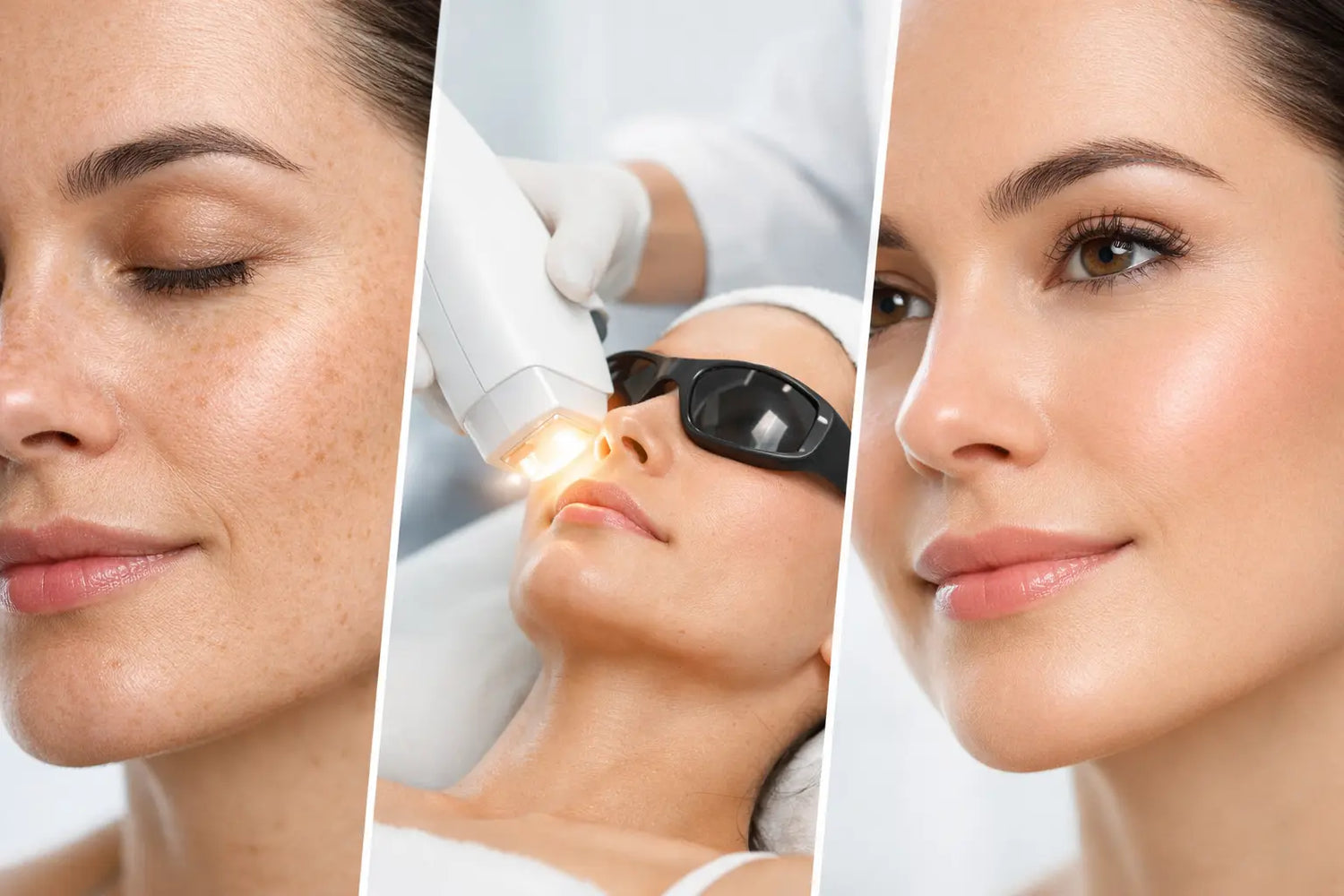
If you’re tired of shaving in the morning and feeling stubble by dinner, IPL before and after results are probably what you actually want to see. Not the science lecture. Not the hype. Just the real answer to one question - when does skin start looking smoother, and how much difference can IPL really make?
The short version is this: good IPL results are usually gradual, not instant. You may notice slower regrowth and softer hair after the first few sessions, but the bigger before and after change tends to show up after several weeks of consistent use. That’s exactly why IPL appeals to people who are done with the cycle of razors, waxing appointments, and constant upkeep. The goal is not one perfect treatment. The goal is less hair, less often, with a routine you can actually stick to.
IPL before and after results are about consistency
The biggest mistake people make is expecting IPL to work like shaving. Shaving gives an immediate visual result, but it does nothing to reduce future growth. IPL works differently. It targets the pigment in the hair at the root, which means results depend on catching hairs during the right stage of the growth cycle.
That’s why before and after photos taken a day apart won’t tell you much. The more meaningful comparison is week 1 versus week 6, or month 1 versus month 3. In most cases, the first visible shift is that hair starts growing back more slowly. Then it often becomes finer, patchier, and easier to manage. Over time, many users see large areas with minimal regrowth.
This gradual progress is actually a strength. Instead of dealing with the same full cycle of unwanted hair every few days, you’re working toward long-term reduction.
What to expect from IPL before and after results by timeline
After the first 1 to 2 sessions
This is the stage where expectations need to stay realistic. Most people do not see dramatic hair disappearance right away. What they often notice instead is that regrowth feels less aggressive. Hair may look like it’s coming in a little slower, or some areas may start showing uneven return.
This can be easy to miss if you’re checking too closely every day. IPL rewards patience more than obsession.
Around weeks 3 to 6
This is when many users start feeling encouraged. Patches may stay smoother for longer. Hair that does come back may feel thinner or less dense. Areas like legs and underarms often begin to show clearer improvement first, while hormonally influenced zones like the face or bikini line may take more time.
If your before and after goal is fewer touch-ups, this is often the point where the routine starts paying off in a noticeable way.
Around weeks 8 to 12
This is where the stronger before and after transformation tends to show. For many users, there is visibly less hair overall, and the regrowth that remains is finer and more scattered. Skin can look smoother simply because there is less shadow, less roughness, and less frequent irritation from shaving or waxing.
This is also the stage where people often realize they’re spending less time thinking about hair removal at all. That freedom is part of the result.
After the initial treatment phase
Once the main treatment window is complete, maintenance is usually lighter. Instead of constant shaving or regular waxing, many users move into occasional touch-up sessions. That’s one of the biggest advantages of at-home IPL - less repetition, less planning, and less money spent over time.
What affects your results
IPL can deliver impressive results, but it is not one-size-fits-all. Hair color, skin tone, treatment consistency, and the area of the body all influence what your before and after looks like.
Darker hair usually responds best because the light targets pigment more easily. Very light blonde, red, gray, or white hair may not respond well. Skin tone matters too, since not every IPL device is suitable for every complexion. That’s why using a device exactly as directed is not just a safety step - it directly affects performance.
Body area makes a difference as well. Legs and underarms often respond well because the hair is usually darker and easier to treat consistently. Facial hair or areas affected by hormones can take longer and may need more maintenance. That does not mean IPL is failing. It means expectations should match the area you’re treating.
Why skin can look better in the after photos
When people think about IPL before and after results, they usually focus on the hair itself. But the skin often changes too, especially if shaving has been causing irritation.
Less shaving can mean fewer nicks, fewer ingrown hairs, and less razor burn. Some people also notice that their skin tone looks more even simply because they are no longer dealing with constant irritation or visible dark shadow under the surface. The smoother look is not only about hair reduction. It’s also about what your skin is no longer going through every few days.
That said, IPL is not a fix for every skin issue. If someone has active irritation, certain skin conditions, or uses products that increase sensitivity, they need to be careful. Better results usually come from a calm, consistent routine rather than treating already stressed skin.
How to get better before and after results at home
The good news is that strong results do not require a complicated routine. They require a repeatable one.
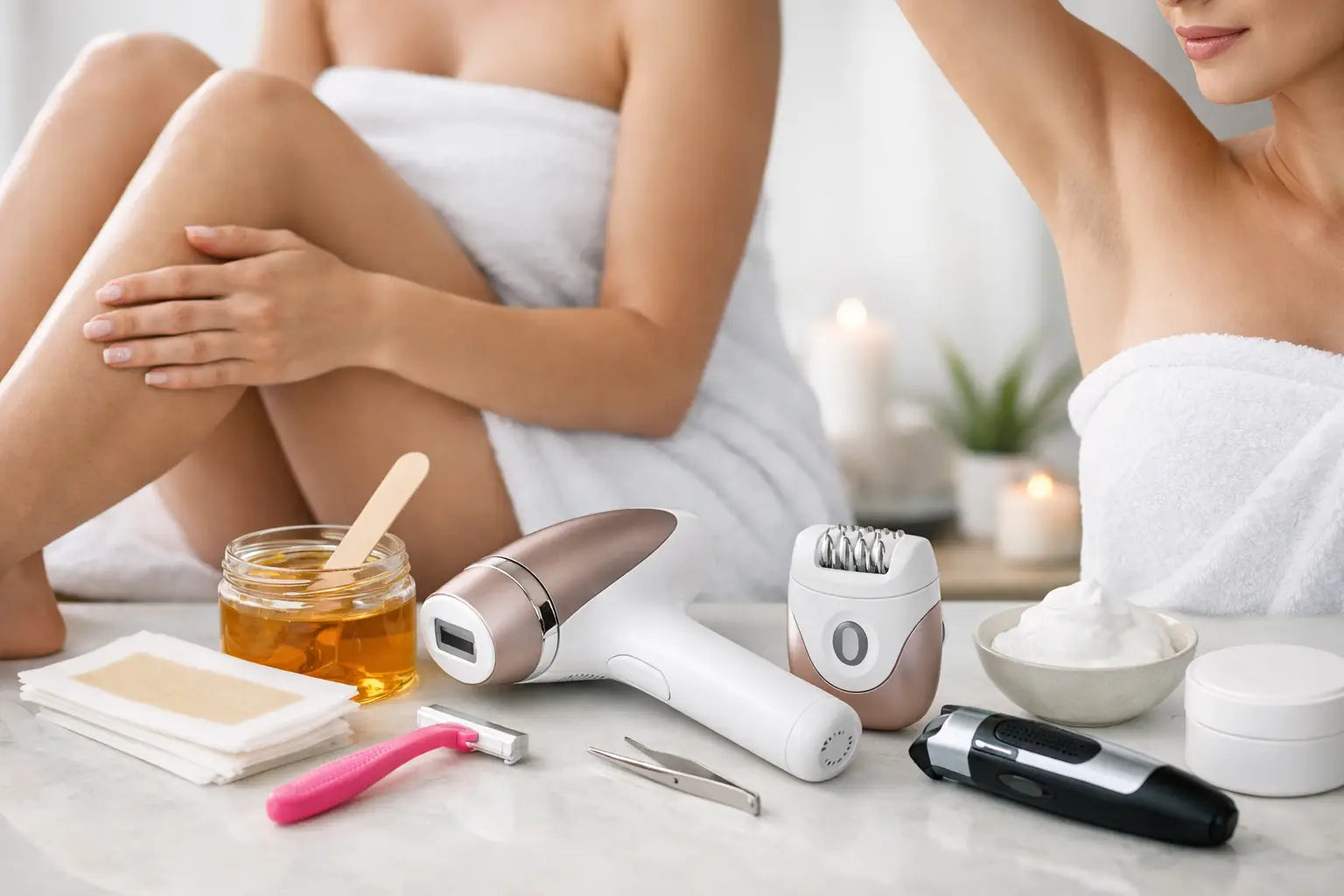
Start with clean, freshly shaved skin unless your device instructions say otherwise. Shaving leaves the root in place under the skin, which is what IPL needs to target. Waxing or plucking removes that root, making treatment less effective.
Then stick to the recommended schedule. Skipping sessions slows progress. Doing random extra sessions does not necessarily speed things up either. A reliable routine almost always beats an aggressive one.
It also helps to track progress honestly. Take photos in the same lighting every couple of weeks instead of judging results day by day. IPL changes can be subtle at first, and photos make it easier to notice how much less dense or visible the hair has become.
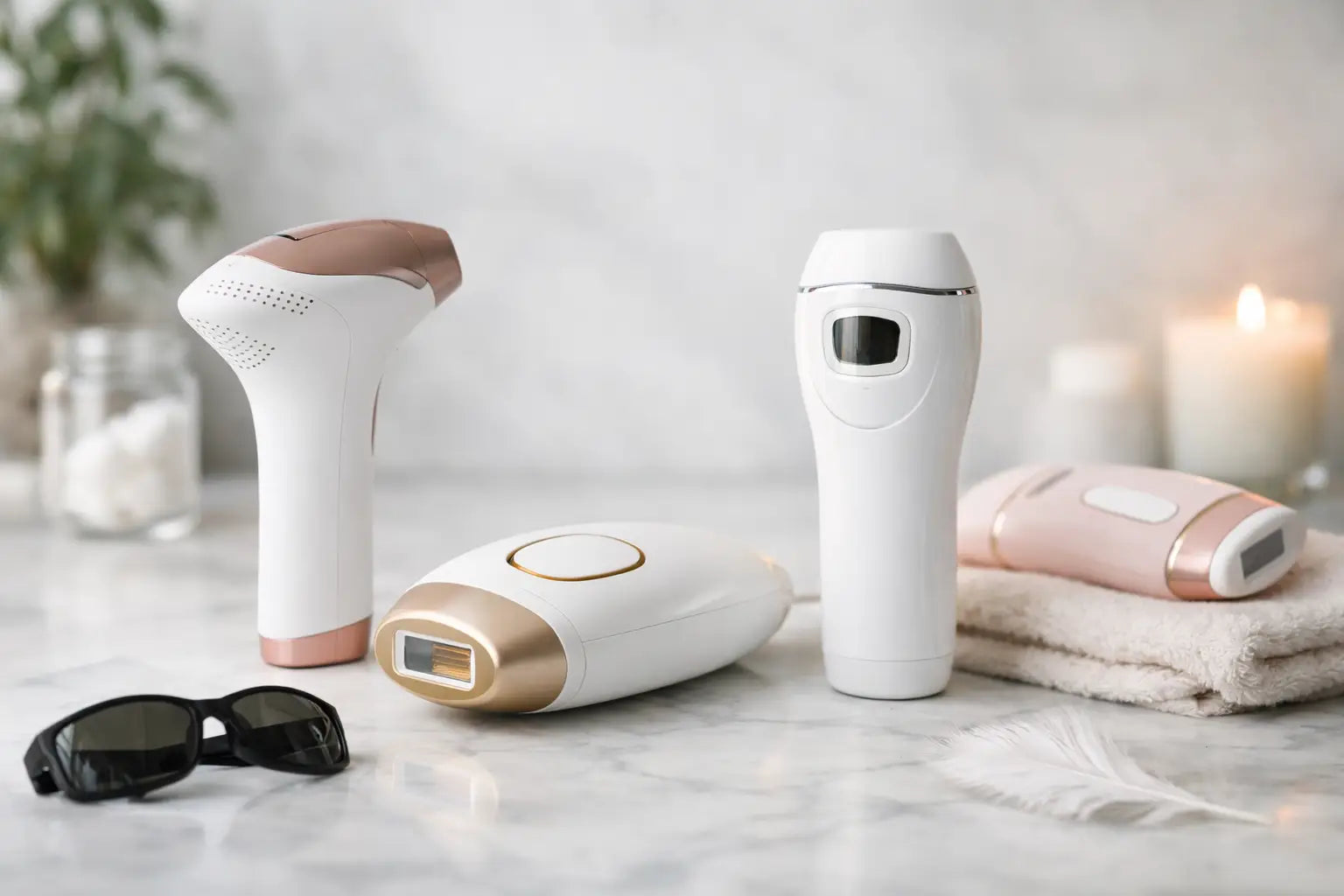
If you’re using an at-home option like the NOHA Device™, the appeal is simple - you can keep up with your sessions on your own time, without trying to fit salon appointments into an already full week. That convenience matters because consistency is what drives the best before and after outcome.
Common reasons results look slower than expected
Sometimes people say IPL is not working when the real issue is timing, technique, or expectations.
One common problem is stopping too early. A few sessions may start the process, but they usually do not finish it. Another is treating inconsistently, especially when life gets busy. If sessions are too spread out, it becomes harder to target hairs effectively through the cycle.
There’s also the expectation gap. If someone expects perfectly hair-free skin after one or two uses, almost any at-home method will feel disappointing. But if the goal is visible reduction, smoother skin, and less frequent upkeep, IPL often feels much more rewarding.
And yes, some areas simply take longer. That is normal. A slower area does not cancel out the progress happening everywhere else.
Is IPL worth it for the before and after difference?
For a lot of people, yes - especially if they’re tired of the cost and repetition of traditional hair removal. The value of IPL is not just in the after photo. It’s in what that photo represents: fewer rushed shaves, fewer waxing appointments, and less money spent on temporary fixes.
There is a trade-off, though. You do need patience at the beginning. IPL is not the fastest path to a same-day result. It’s a smarter path to a lower-maintenance routine. If you can commit to the schedule, the payoff is often smoother skin with far less effort over time.
That’s why the best way to think about IPL before and after results is not as a magic switch. It’s more like a beauty routine that keeps giving back. Week by week, the maintenance starts shrinking, and that constant mental load of hair removal starts fading with it.
If smooth skin with less upkeep sounds better than another lifetime of razors, the real after result is not just what you see in the mirror - it’s how much time you get back.

Leave a comment
This site is protected by hCaptcha and the hCaptcha Privacy Policy and Terms of Service apply.