

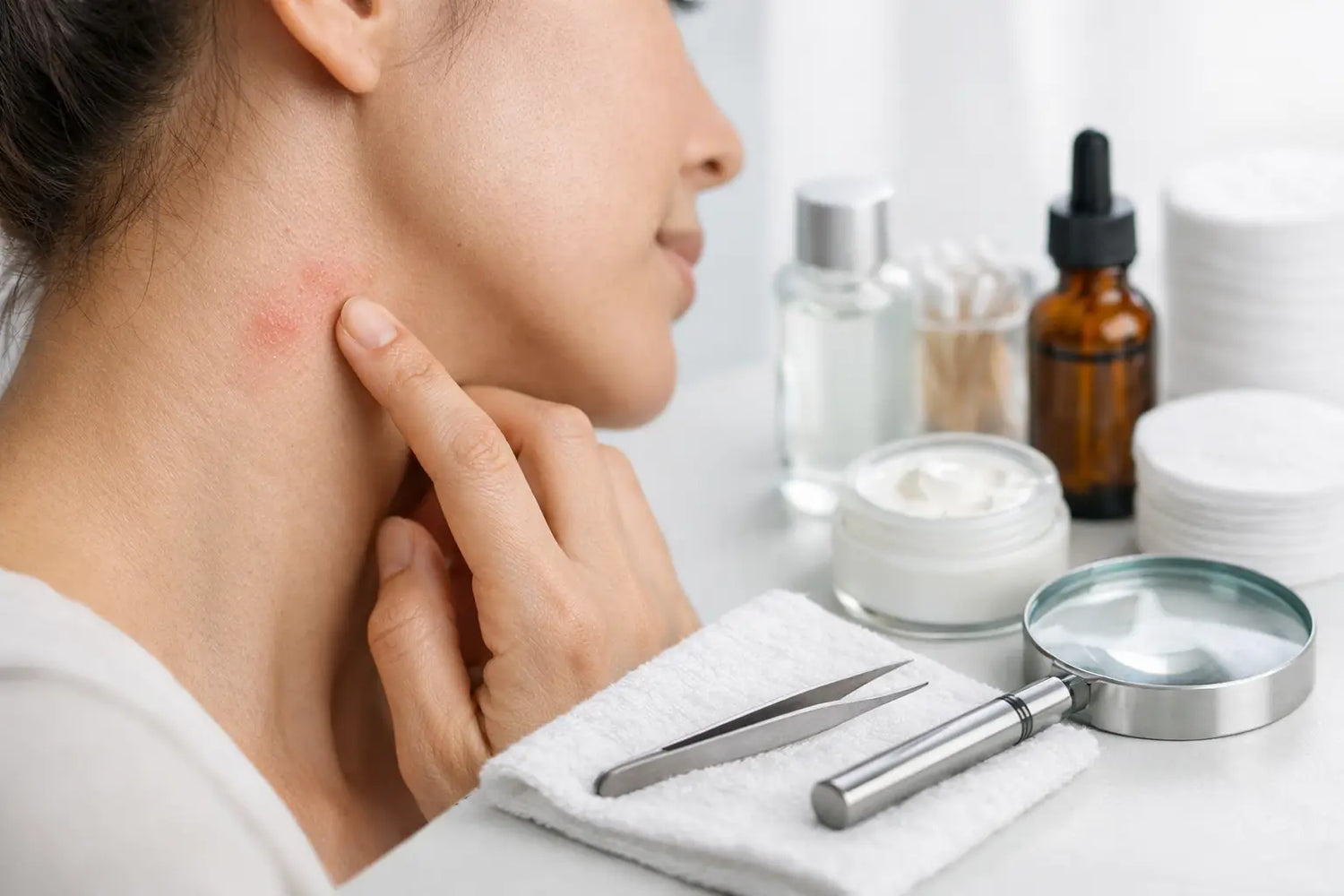
That angry little bump after shaving is not just annoying - it can derail your whole smooth-skin routine. If you’re searching for how to treat ingrown hairs, the goal is simple: calm the skin, free the trapped hair gently, and stop the cycle from happening again.
Ingrown hairs happen when a hair curls back into the skin or gets trapped under dead skin cells instead of growing outward. They’re common after shaving, waxing, tweezing, and any method that cuts or pulls the hair. The result can look like a small red bump, a tender pimple, or a darker spot that lingers long after the irritation is gone.
How to treat ingrown hairs at home
The best at-home treatment starts with less friction, not more. If the area is irritated, stop shaving, waxing, or picking at it for a few days. Continuing to remove hair over inflamed skin usually makes the bump angrier and increases the chance of scarring or discoloration.
Next, use a warm compress for about 10 to 15 minutes. This softens the skin and can help bring the trapped hair closer to the surface. A clean washcloth soaked in warm water is enough. You do not need heat that feels intense or uncomfortable.
Once the skin is softened, gentle exfoliation can help. This is where people often go too hard. You want a mild chemical exfoliant or a soft washcloth, not an aggressive scrub. Ingredients like salicylic acid, lactic acid, or glycolic acid can loosen the dead skin sitting over the hair. If your skin is already raw, skip strong acids that day and focus on calming the area first.
If you can clearly see the loop or tip of the hair near the surface, you may be able to lift it out gently with sanitized tweezers or a sterile needle. The key word is lift, not dig. Do not pluck the whole hair from the root if the skin is inflamed. Just free the hair so it can grow outward. If you have to force it, it is not ready.
After that, keep the area clean and lightly moisturized. A fragrance-free moisturizer helps protect the skin barrier while it heals. If the bump is especially red or itchy, a small amount of over-the-counter hydrocortisone can calm inflammation for a short period. If it looks more like acne or feels tender, a spot treatment with benzoyl peroxide may help reduce bacteria and swelling.
What not to do when treating ingrown hairs
Picking is the fastest way to turn a simple bump into a bigger problem. It can push bacteria deeper, tear the skin, and leave behind a mark that lasts much longer than the ingrown hair itself.
It’s also smart to avoid dry shaving, old razors, and tight clothing over the area while it heals. A dull blade creates uneven cuts and more irritation. Tight leggings, underwear, or collars can rub the hair back into the skin, especially in areas like the bikini line, underarms, neck, and thighs.
There’s also a trade-off with exfoliation. Too little exfoliation can keep hairs trapped. Too much can weaken the skin barrier and make bumps sting, peel, or darken. If your skin tends to be sensitive, fewer treatments done consistently usually work better than trying to fix everything in one night.
When an ingrown hair needs more than home care
Most ingrown hairs improve with patience and gentle care, but some need medical attention. If the area becomes very painful, warm to the touch, swollen, or filled with pus, it may be infected. If you keep getting ingrown hairs in the same spot, or if the bumps turn into deep cyst-like knots, a dermatologist may need to step in.
This matters even more if you’re prone to post-inflammatory hyperpigmentation. For many women, the bump is only half the issue. The mark it leaves behind can be the bigger frustration. Early treatment, less picking, and less repeated trauma from shaving or waxing can make a real difference.
Why your hair removal method matters
If you’re treating ingrown hairs over and over, the real problem may be the method causing them. Shaving is fast and cheap upfront, but it cuts the hair at the surface, which can create a sharp edge that grows back into the skin. Waxing pulls hair out from the root, but it can still trigger irritation, trapped regrowth, and inflammation, especially on sensitive areas.
Curly or coarse hair is more likely to bend back into the skin, which is why some people deal with ingrown hairs constantly no matter how careful they are. If that sounds familiar, prevention matters more than spot-treating each bump.
That’s where longer-term hair reduction can change the game. Less hair growth means fewer chances for hairs to get trapped, fewer shaving sessions, and less repeated stress on the skin. For women who are tired of the shave-bump-repeat cycle, reducing the need for frequent hair removal is often the smartest move.
How to prevent ingrown hairs before they start
Prevention is what keeps smooth skin looking smooth. If you shave, always start on clean, damp skin and use a fresh razor with a slip-friendly shaving gel or cream. Shave in the direction of hair growth, not against it, especially if you’re prone to bumps. You may not get the absolute closest shave, but you often get calmer skin.
Try not to go over the same area again and again. Multiple passes feel productive in the moment, but they increase friction fast. Rinse the blade often and replace it sooner than you think. If your razor has been living in the shower too long, it’s probably part of the problem.
Regular exfoliation also helps prevent dead skin from trapping new growth. Two to three times a week is enough for most people. More is not always better, especially if you already use active skincare ingredients elsewhere in your routine.
Loose clothing after hair removal can help too, particularly around the bikini line and underarms. Skin that can breathe tends to recover faster. If you notice certain fabrics or workout gear make bumps worse, that pattern is worth paying attention to.
How to treat ingrown hairs in sensitive areas
The bikini area, underarms, and face need a lighter touch. These areas deal with more friction, sweat, and sensitivity, so harsh scrubs and strong acids can backfire quickly. Use warm compresses, gentle exfoliation, and simple fragrance-free products.
If you get ingrown hairs after bikini waxing or shaving, give the skin a break before your next session. Trying to remove hair again too soon usually leads to more bumps, not smoother results. On the face, especially around the chin or jawline, avoid squeezing bumps that look like pimples unless you’re sure they are not acne.
For underarms, deodorant can sometimes sting when the skin is irritated. If that happens, switch temporarily to a gentler formula and avoid shaving until the area settles down.
The long-term fix for recurring ingrown hairs
If ingrown hairs are occasional, basic home care is usually enough. But if they’re part of your regular routine, it makes sense to step back and look at the pattern. The more often you shave or wax, the more chances your skin has to react. Treating each bump one by one can feel endless.
A longer-term hair reduction option can help minimize the root cause by reducing regrowth over time. That means fewer opportunities for hairs to curl back, fewer last-minute shaving sessions, and a smoother routine overall. For many women, that shift is what finally makes ingrown hairs stop feeling normal.
NOHA is built for exactly that kind of upgrade - a simpler at-home routine that helps reduce dependence on constant shaving and waxing. It’s not an overnight fix for an active ingrown hair, but it can be a smarter next step if your current method keeps causing bumps.
Smooth skin should not come with pain, picking, and cover-up. Treat the bump gently, let the skin heal, and if ingrown hairs keep coming back, it may be time to stop blaming your skin and start changing the routine that keeps triggering it.

Leave a comment
This site is protected by hCaptcha and the hCaptcha Privacy Policy and Terms of Service apply.