

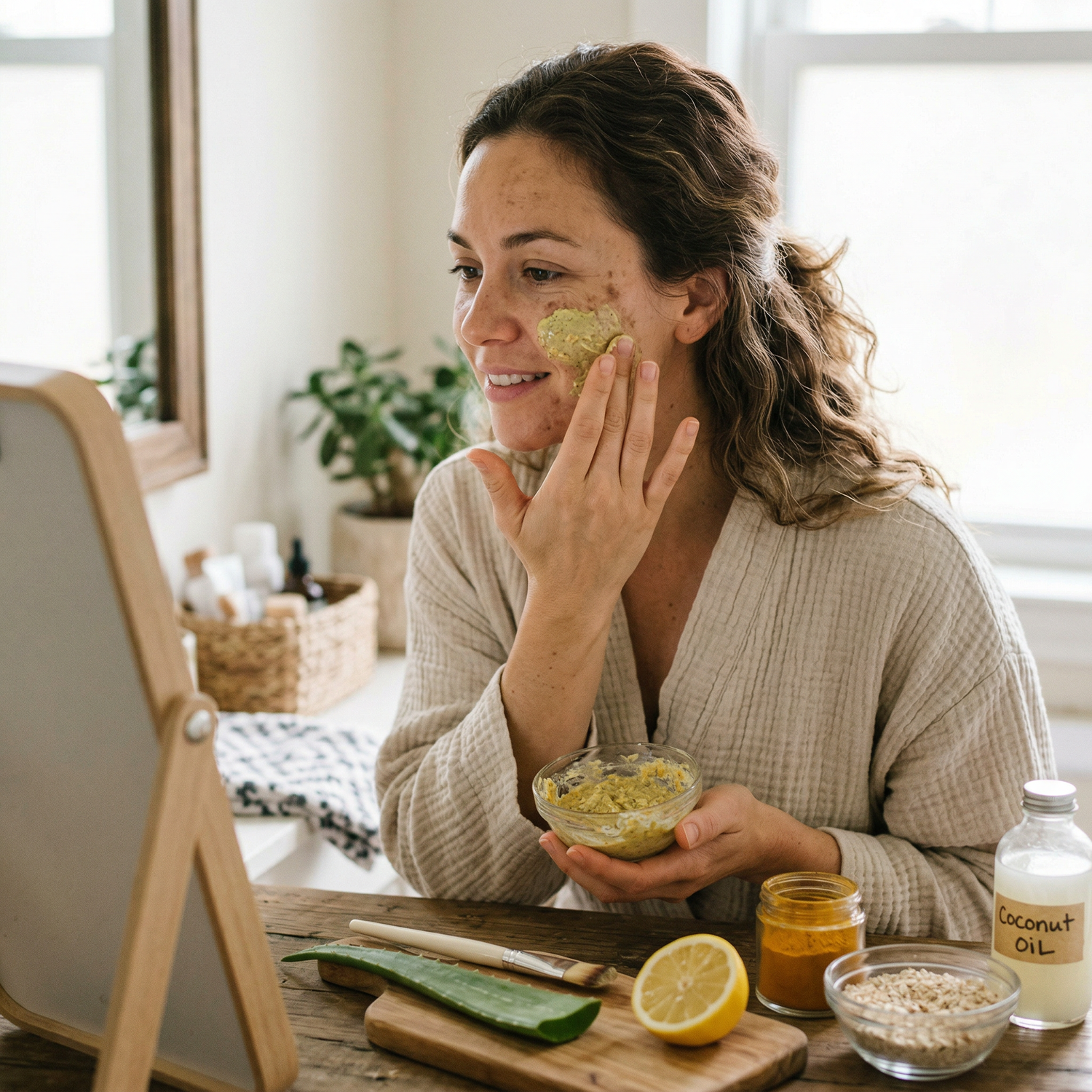
How to Reduce Dark Spots Naturally at Home
Dark spots — also called hyperpigmentation, post-inflammatory marks, or sun spots — are one of the most common skin concerns. The good news: you don't need expensive clinic treatments to fade them. With the right approach and consistent care, you can significantly reduce dark spots at home.
What Causes Dark Spots?
Dark spots form when melanin (the pigment that gives skin its color) is overproduced in certain areas. Common causes include:
- Sun exposure: UV rays trigger excess melanin production, leading to sun spots or age spots
- Post-inflammatory hyperpigmentation (PIH): Dark marks left after acne, cuts, or skin irritation
- Hormonal changes: Melasma caused by pregnancy or hormonal contraceptives
- Friction or irritation: Repeated rubbing or harsh products
Natural Ingredients That Help Fade Dark Spots
Vitamin C
One of the most well-researched brightening ingredients. Vitamin C inhibits the enzyme (tyrosinase) responsible for melanin production, gradually fading existing spots and preventing new ones. Look for serums with 10–20% L-ascorbic acid.
Niacinamide
A form of Vitamin B3 that reduces the transfer of melanin to skin cells. It's gentle, well-tolerated by most skin types, and works well alongside other brightening ingredients.
Alpha Arbutin
A naturally derived brightening agent that inhibits melanin synthesis. Effective and gentle, making it suitable for sensitive skin.
Kojic Acid
Derived from fungi, kojic acid is a natural melanin inhibitor often found in brightening soaps and serums. The Whitening Bar by NOHA harnesses the power of brightening actives to help even skin tone with regular use.
AHAs (Glycolic & Lactic Acid)
Chemical exfoliants that accelerate cell turnover, helping to shed pigmented surface cells and reveal brighter skin underneath.
Your At-Home Dark Spot Routine
Consistency is everything when it comes to fading dark spots. Here's a simple routine to follow:
Morning:
- Gentle cleanser
- Vitamin C serum (let absorb for 5 minutes)
- Moisturizer
- SPF 30+ sunscreen (non-negotiable — sun exposure will worsen spots)
Evening:
- Double cleanse (oil cleanser + gentle foaming cleanser)
- Brightening treatment (niacinamide, alpha arbutin, or kojic acid-based product)
- Moisturizer
How Long Does It Take to See Results?
Dark spots don't fade overnight. With consistent use of brightening ingredients, most people see noticeable improvement in 4–8 weeks. Deeper or older spots may take 3–6 months. The key is daily SPF use — without it, new UV exposure will undo your progress.
What About IPL for Dark Spots?
IPL (Intense Pulsed Light) is one of the most effective treatments for sun spots and age spots. The light targets melanin clusters in the skin, breaking them up so they fade naturally. Many NOHA Device™ users report improvement in skin tone and dark spots alongside hair removal benefits.
IPL is particularly effective for sun-induced dark spots (solar lentigines) on fair to medium skin tones. It's less effective for melasma or PIH, where topical treatments are the better first-line approach.
The Bottom Line
Reducing dark spots at home is absolutely achievable with the right ingredients, a consistent routine, and daily sun protection. For faster results, combining topical brightening products with IPL treatment can accelerate your progress.
Shop The Whitening Bar → | Shop the NOHA Device™ →
Frequently Asked Questions
Can I use brightening products every day?
Yes — most brightening ingredients like niacinamide and alpha arbutin are gentle enough for daily use. AHAs should be used 2–3 times per week to avoid over-exfoliation.
Does sunscreen really make a difference?
Absolutely. SPF is the single most important step in any dark spot routine. Without it, UV exposure will continue to stimulate melanin production and counteract your brightening efforts.
Are dark spots the same as acne scars?
Not exactly. Dark spots from acne are post-inflammatory hyperpigmentation (PIH) — flat discoloration, not textural scarring. They respond well to brightening ingredients and time.


Leave a comment
This site is protected by hCaptcha and the hCaptcha Privacy Policy and Terms of Service apply.