


The night before a beach weekend, the last thing most of us want is a complicated hair-removal decision. Yet epilator versus waxing is not a simple question of which method removes hair better. Both pull hair from the root, but they feel different, fit different schedules, and ask different things of your skin.
Epilator versus waxing: the real difference
Waxing removes many hairs at once with warm or cold wax and a quick pull. You can do it at home or book a salon appointment, depending on your budget and comfort level. The appeal is obvious: one fast pull can clear a larger area, leaving skin smooth right away.
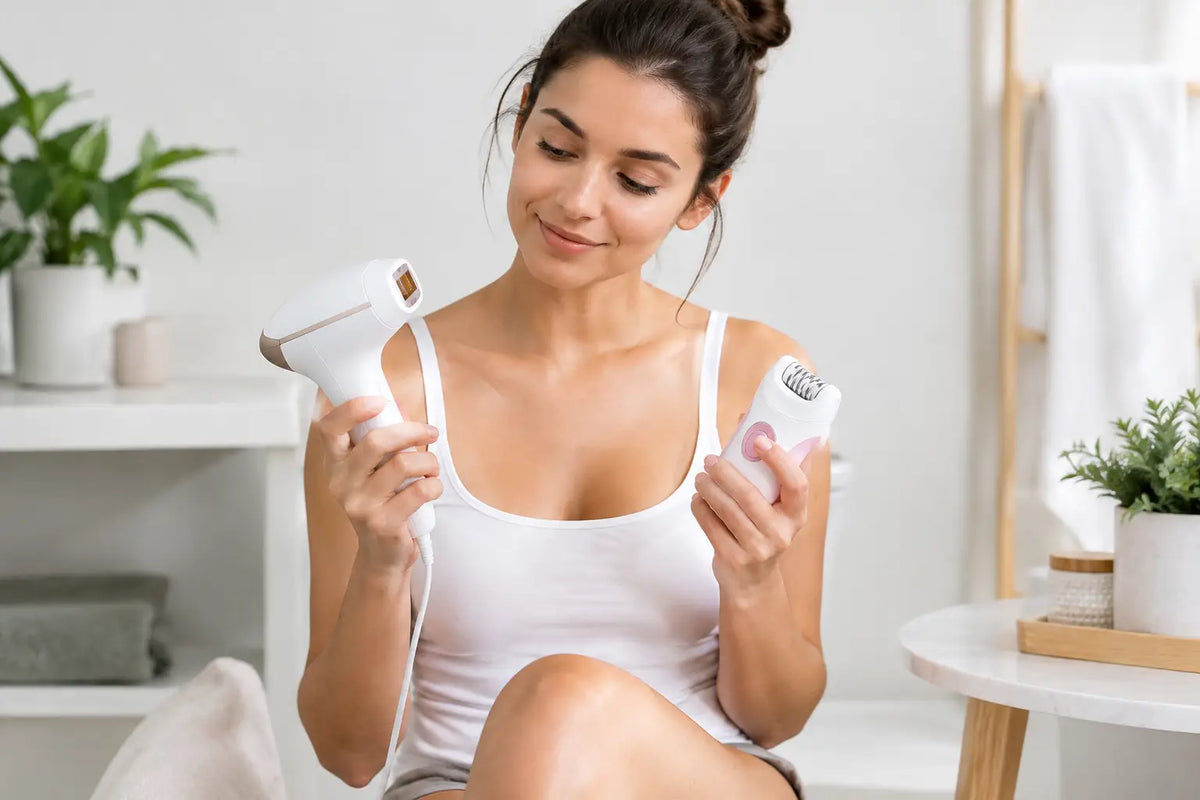
An epilator is a handheld device with tiny rotating tweezers that grip and pull individual hairs as you glide it across the skin. There is no wax, no strips, and no sticky cleanup. It can be used at home whenever you have a few minutes, which makes it appealing if salon appointments never seem to fit your calendar.
The key difference is the experience. Waxing creates one intense pulling sensation per section. Epilating creates a series of quick pinches as the device moves over the area. Neither option is truly pain-free, especially at first. Your hair thickness, treatment area, hormone changes, and personal pain tolerance all matter.
How long results last
Because both methods remove hair below the skin's surface, they generally last longer than shaving. Many people stay smooth for roughly two to four weeks after epilating, while waxing can keep areas smooth for about three to six weeks. Regrowth is never identical from person to person, though. Hair grows in cycles, so a few new hairs may appear sooner than expected.
Waxing usually requires you to let hair grow long enough for the wax to grip it, often around one-quarter inch. That waiting period can be frustrating when you want smooth legs, underarms, or a bikini line now. An epilator can often catch shorter hair, although very fine or flat-lying hairs may need more than one pass.
If you hate the in-between stage, epilating may feel more flexible. If you would rather clear a large area in one appointment and forget about it for a few weeks, waxing may feel more convenient.
Pain: is epilating worse than waxing?
For many people, waxing hurts more intensely in the moment, but the discomfort ends quickly. An epilator can feel less shocking per pull, yet it takes longer because the device works across the area in multiple passes. On the legs, either option may become easier after several sessions. On underarms, the upper lip, and the bikini area, sensitivity tends to be higher.
Waxing also comes with temperature and technique concerns. Wax that is too hot can irritate skin, and a poorly placed strip can leave behind patchy hair or redness. With an epilator, pressing too hard or repeatedly going over the same spot can cause irritation and tiny red bumps.
There is no universal winner here. Choose waxing if you prefer one quick burst of discomfort. Choose an epilator if you would rather control the pace, pause when needed, and avoid pulling strips off your skin.
Make either method gentler on skin
A little preparation makes a noticeable difference. Exfoliate gently a day before hair removal to help lift trapped hairs, but do not scrub aggressively right before treatment. Start with clean, dry skin unless your device is designed for wet use.
Afterward, calm the area with a fragrance-free moisturizer or soothing gel. Skip hot showers, heavy workouts, tight clothing, and strong fragranced products for the rest of the day when possible. If your skin is irritated, sunburned, or actively breaking out, wait until it has settled before removing hair.
Ingrown hairs can happen with both methods. They are especially common where hair is coarse or curly, such as the bikini line and underarms. Consistent, gentle exfoliation between sessions can help, but never pick at bumps or use harsh products on freshly treated skin.
Cost and convenience over time
Waxing can become expensive when it is part of your regular beauty routine. A professional appointment may feel worth it for brows or a bikini wax, but repeating full-leg, underarm, and bikini appointments throughout the year adds up quickly. At-home wax kits cost less, but they take practice and can create a mess.
An epilator has a higher upfront cost than a single wax, but it can be used again and again without booking, tipping, or restocking strips. It is easy to store and practical for touch-ups. The trade-off is time. Epilating a larger area can take longer than a well-executed wax, particularly while you are still learning the best angle and speed.
Think about your real routine, not just the price tag. If you regularly squeeze hair removal into late evenings or between errands, a device you can use at home may beat a salon appointment every time. If you value a smooth finish with less hands-on effort, waxing may still earn a place in your routine.
Which option works best for each area?
For legs, both can work well. Waxing covers a large surface quickly, while an epilator is convenient for maintenance and shorter regrowth. For underarms, waxing is fast but can feel intense. Epilating lets you go slowly, although the area may need a few passes.
The bikini line requires extra care. Coarse hair and delicate skin can make either method uncomfortable, and ingrowns are common. If you wax, consider seeing a trained professional for more sensitive areas. If you epilate, begin with the outer bikini line rather than jumping straight into a full treatment.
For the face, proceed carefully. Some facial areas are better handled with methods specifically designed for them. Never use body wax or an epilator on skin that is irritated from retinoids, acne treatments, or recent exfoliation. If you are unsure, consult a qualified skincare professional before treating a sensitive area.
Want fewer hair-removal sessions? Consider IPL
If your goal is to spend less of your life waxing, epilating, or shaving, at-home IPL may be a smarter long-term option. IPL uses pulses of light to target pigment in the hair, helping reduce regrowth over a consistent series of treatments. It is not the same as waxing or epilating because it does not pull hair out at the root.
For many users, the biggest advantage is the routine. You shave before an IPL session instead of growing hair out, then follow the device schedule as hair growth gradually slows. That means no sticky wax, no repeated tweezing sensation, and no waiting for visible regrowth just to treat it.
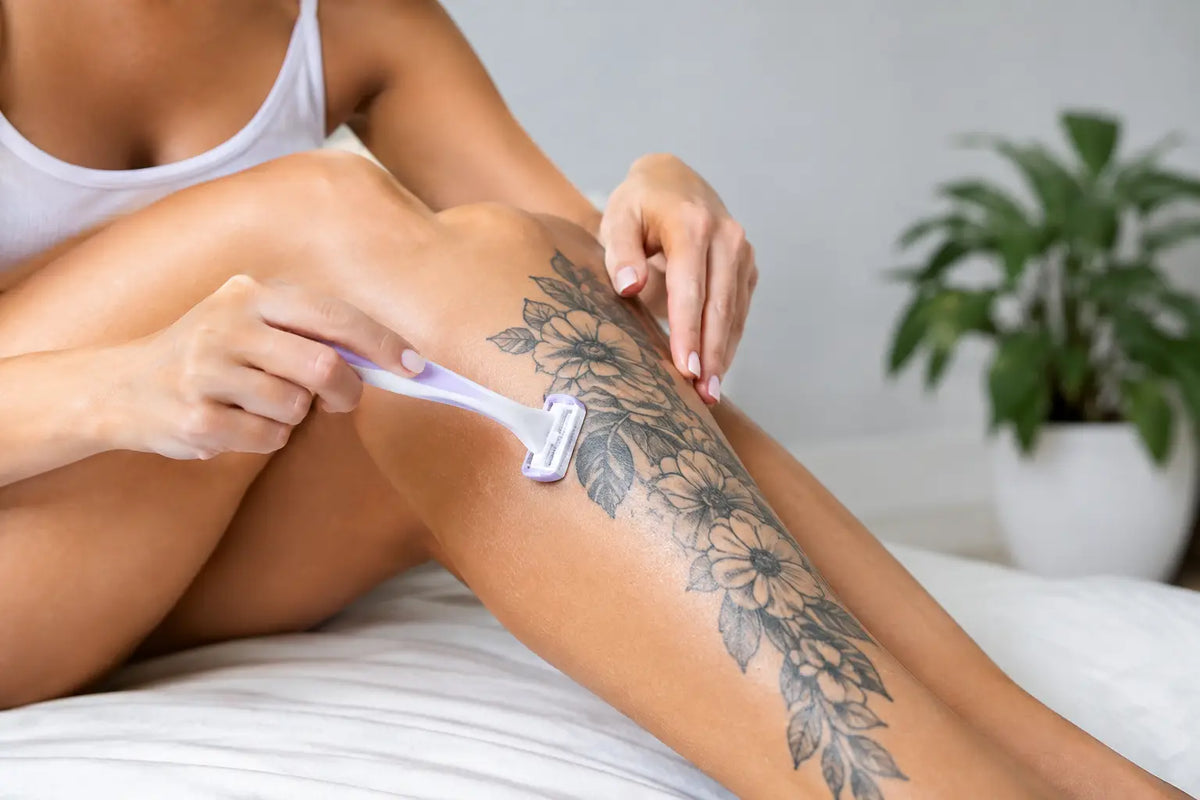
IPL is not right for every skin tone and hair color combination, so always review a device's compatibility guidance and complete a patch test first. Avoid using it over tattoos or irritated skin. During an IPL treatment plan, do not wax or epilate, because those methods remove the hair that light-based technology needs to target. Shaving is the better partner.
The NOHA Device™ is designed for women who want professional-style IPL hair reduction at home without building salon visits into their budget. Consistency matters, but the payoff is a lower-maintenance path to smoother-looking skin.
Should you switch immediately?
Switch if you are tired of booking waxes, buying refills, or planning your outfits around regrowth. Keep waxing or epilating if you need a short-term result for an event and IPL is not suitable for your hair and skin combination. There is room for a practical choice now and a longer-term plan later.
Your best hair-removal method is the one you can use comfortably and consistently. Give your skin time to recover, choose the routine that matches your schedule, and make smooth skin feel like self-care instead of another appointment to manage.

Leave a comment
This site is protected by hCaptcha and the hCaptcha Privacy Policy and Terms of Service apply.