

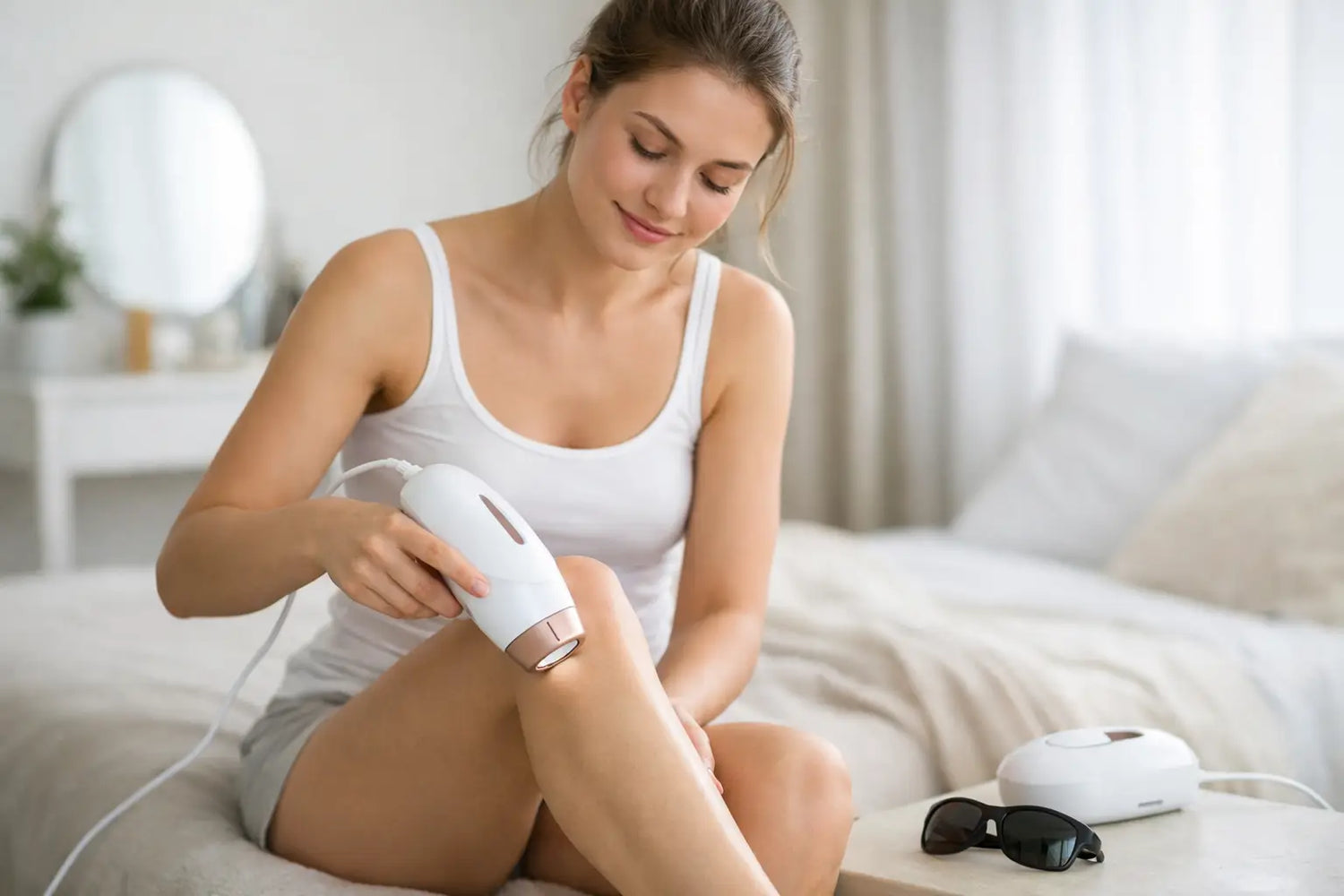
If you're tired of shaving in the morning just to feel stubble by dinner, the question is simple: does at home IPL work? For many women, yes - and that is exactly why at-home IPL has become such a popular switch from razors, waxing, and expensive appointments.
The short version is this: at-home IPL can reduce hair growth significantly over time when you use it consistently and on the right skin and hair combination. It is not a magic one-session fix, and it is not identical to an in-clinic laser treatment. But for the right person, it can absolutely deliver smoother skin, fewer ingrown hairs, less daily maintenance, and long-term savings.
Does at home IPL work the way people hope it does?
Usually, people are not asking whether IPL does anything at all. They are asking whether it works well enough to replace the cycle of shaving, waxing, and constantly planning around body hair. That is a different question, and the answer depends on your expectations.
IPL stands for intense pulsed light. The device sends light into the hair follicle, where the pigment absorbs that energy. That heat helps disrupt the hair growth cycle, which is why hair can start growing back slower, finer, and in many cases much less often.
So yes, at-home IPL works, but it works gradually. You should think of it as a hair reduction routine, not a one-time treatment. Most users start to notice visible changes after a few sessions, then stronger reduction after staying consistent through the full treatment schedule.
That is the part people sometimes miss. The device does not fail because it takes time. It is designed to work with your hair growth cycle, and not every hair is active at the same time.
How soon will you see results?
This is where realistic expectations matter. Some hairs may appear to keep growing at first, and that can make it feel like nothing is happening. In reality, the treatment is targeting hairs in the active growth stage, while others will respond later.
Many people begin seeing patchier regrowth or slower growth within the first few weeks. More noticeable results often show up after several consistent sessions. Over time, you may go from shaving every day or every few days to barely thinking about it.
The biggest difference between people who love IPL and people who give up on it too early is consistency. If you use it on schedule, results build. If you use it randomly, results usually feel random too.
Who gets the best results from at-home IPL?
At-home IPL tends to work best when there is a clear contrast between hair color and skin tone, especially dark hair on light to medium skin. That contrast helps the light target the pigment in the hair more effectively.
If your hair is blonde, gray, white, or red, results may be limited because there is less pigment for the device to detect. Very dark skin tones may also require extra caution depending on the device, since the light can have a harder time distinguishing between skin pigment and hair pigment.
This does not mean the treatment is only for one type of person. It means results are strongest when the technology has the right conditions to work with. A good device should make that clear and include a skin tone chart or guidance so you know whether it is a fit.
What areas respond best?
Legs, underarms, arms, bikini line, and upper lip are some of the most commonly treated areas, and many of them respond well. Larger body areas often feel especially worth it because they take so much upkeep with shaving.
The bikini area and underarms can be game changers for women dealing with irritation, razor bumps, or ingrown hairs. Facial use depends on the device instructions and the area being treated, so that is one place where following directions matters more than guessing.
Smaller areas may show changes faster simply because they are easier to treat thoroughly and consistently. Larger areas can still respond well, but they require a bit more patience.
Why at-home IPL feels different from clinic laser
This is one of the biggest reasons people ask, does at home IPL work, with some skepticism. They have heard that clinic lasers are stronger, and that is true. Professional treatments use more powerful equipment and can sometimes deliver faster results.
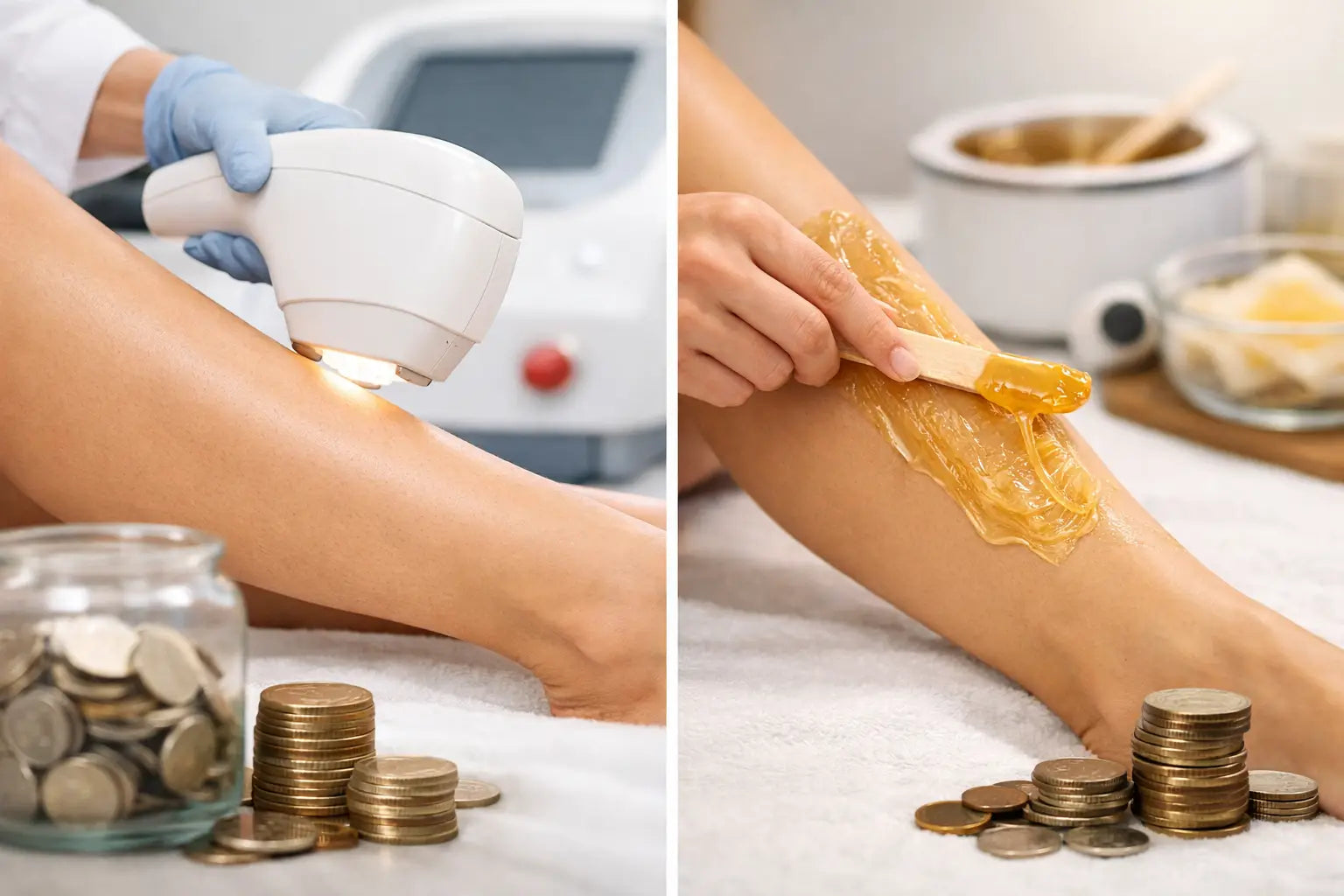
But stronger does not always mean better for every lifestyle or budget. In-clinic treatment usually means higher upfront cost, repeated appointments, travel time, and less flexibility. At-home IPL is appealing because you can do it on your own schedule, in private, without turning hair removal into another monthly expense.
That trade-off matters. A device used consistently at home can be more realistic for many women than a treatment plan they never finish because of the cost or inconvenience.
Does it hurt?
For most users, at-home IPL is far more comfortable than waxing. People often describe the sensation as a warm snap or quick flick against the skin. Some areas are more sensitive than others, but it is usually manageable, especially compared with ripping hair out from the root.
Comfort also depends on the device settings, your pain tolerance, and the area you are treating. Starting at a lower level and increasing gradually can help. Clean, freshly shaved skin also makes the experience easier and more effective.
For women who have avoided laser because they assume it will be too painful, this is often one of the biggest surprises. The experience is usually much more approachable than expected.
Why some people say it did not work
There are a few common reasons at-home IPL disappoints users, and most of them are not about the technology itself.
First, some people stop too soon. Hair reduction takes repetition. If you quit after two or three sessions, you may miss the stage where results become obvious.
Second, some users have hair color or skin tone combinations that are not ideal for IPL. If the device is not a match for you, results will be limited no matter how motivated you are.
Third, technique matters. You need to cover the treatment area evenly, follow the schedule, and use the device as directed. Skipping sections, treating inconsistently, or using it on hair that has not been shaved can all affect performance.
And finally, expectations can be too extreme. If someone expects one week of use to create perfectly hair-free skin forever, they will probably feel let down. If they expect visible reduction, less regrowth, and a lower-maintenance routine, they are much more likely to feel the value.
Is at-home IPL worth it?
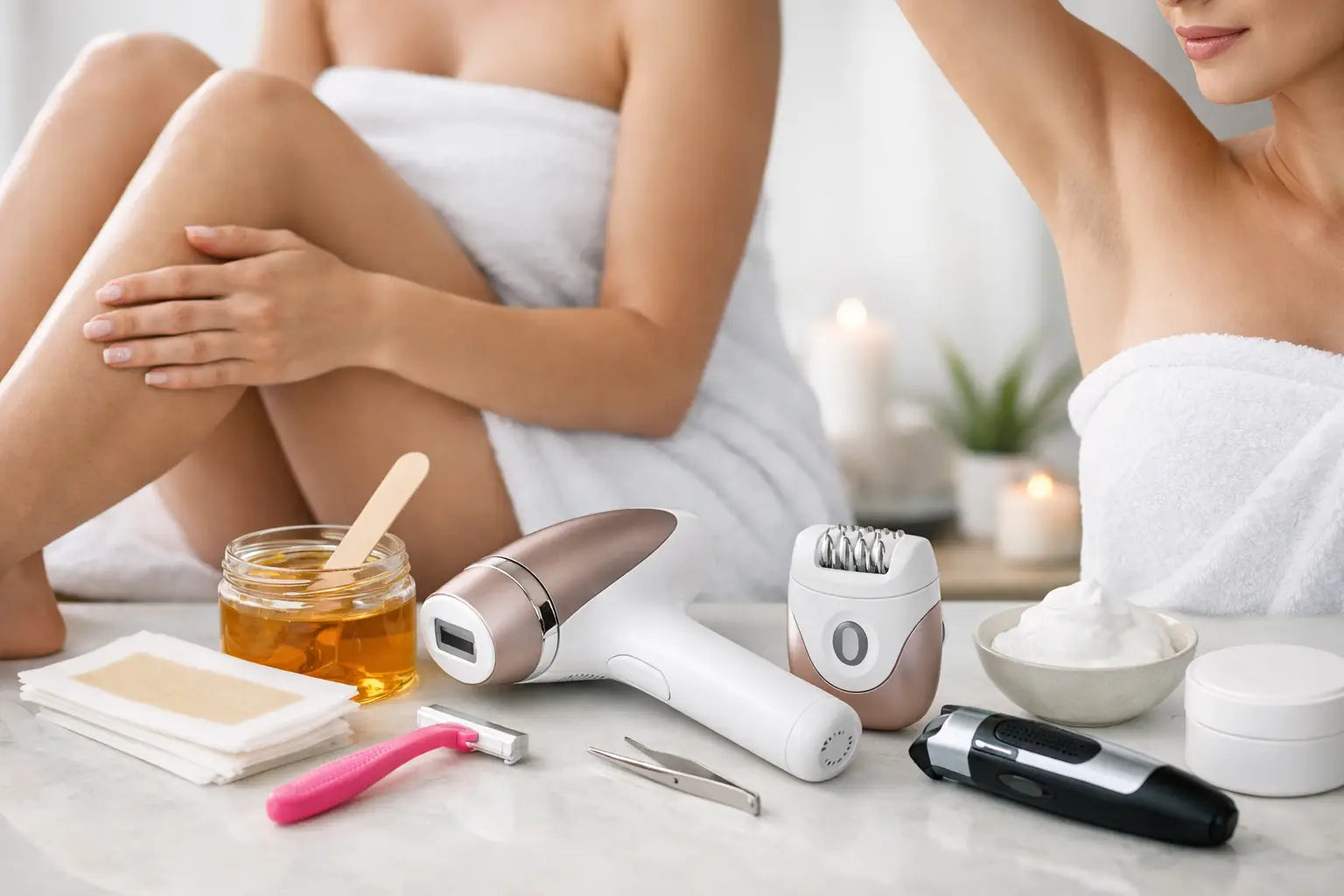
If you are spending money on razors, shaving cream, waxing visits, or salon appointments, the math gets pretty convincing. The appeal of IPL is not just smoother skin. It is freedom from the constant repeat cycle.
That is why so many shoppers see it as a smart beauty investment rather than just another gadget. You are not paying for one result. You are paying for less hassle over time.
For women who want a more affordable path to professional-style hair reduction, devices like the NOHA Device are designed to make the process simple, fast, and realistic for home use. That matters when the best treatment is the one you will actually stick with.
How to get the best results
A few habits make a big difference. Shave before treatment so the light can focus beneath the skin instead of burning visible hair above it. Stay on schedule, especially in the early phase. Treat clean, dry skin, and avoid guessing on settings if your device includes guidance.
It also helps to track your sessions. When results happen gradually, progress can be easy to overlook week by week. Looking back after a month or two often tells a very different story than checking after every single use.
And be patient with stubborn areas. Hormonal areas can respond more slowly, and some patches may need more consistency than others.
So, does at home IPL work?
Yes - for many women, it works well enough to change their entire hair removal routine. Not overnight, not for every hair color or skin tone, and not without consistency. But when it is a good fit, at-home IPL can mean smoother skin, fewer ingrown hairs, less irritation, and far less time spent chasing regrowth.
The best part is not just seeing less hair. It is getting your time back, wearing what you want without planning around stubble, and feeling like your routine finally got easier.

Leave a comment
This site is protected by hCaptcha and the hCaptcha Privacy Policy and Terms of Service apply.